Where deep tradition and the far future share a street corner. Japan is one of the world's most rewarding destinations: impossibly efficient, deeply courteous, and endlessly varied. Neon megacities, silent temples, mountain hot springs and some of the planet's best food all connect by a rail network that runs to the second.
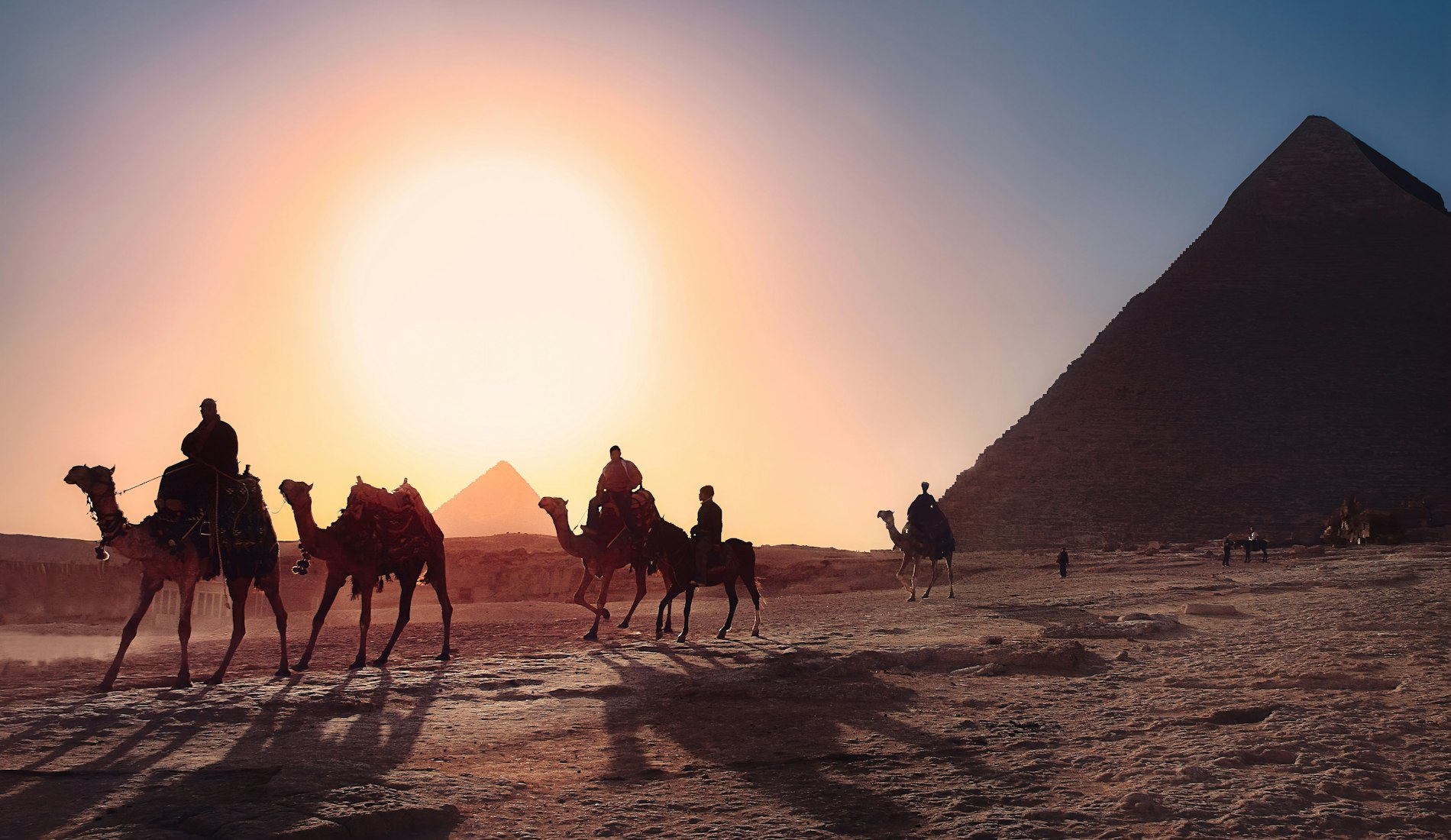
Egypt is one of the driest, sunniest countries on earth. Expect hot summers, mild winters and rain so rare it makes the news — but conditions shift by region.
Hot, dry summers and mild, sunny winters. Rain is rare — pack for sun and cool evenings from December to February.
Warm and bright all year with sea temperatures of 22–28°C. Prime diving visibility in spring and autumn.
Extreme daytime heat in summer but crisp, cold nights in winter. Best explored October to March.
June brings the rainy season; July–August is hot and humid, 30–35°C, with lively festivals and fireworks. The northern island of Hokkaido stays cooler and greener.
December–February is cold, crisp and often snowy — powder season in the mountains, steaming outdoor onsen, and clear views of Mt Fuji. City temperatures hover near 5–10°C.
From neon Tokyo to silent temples — the places worth building a trip around.
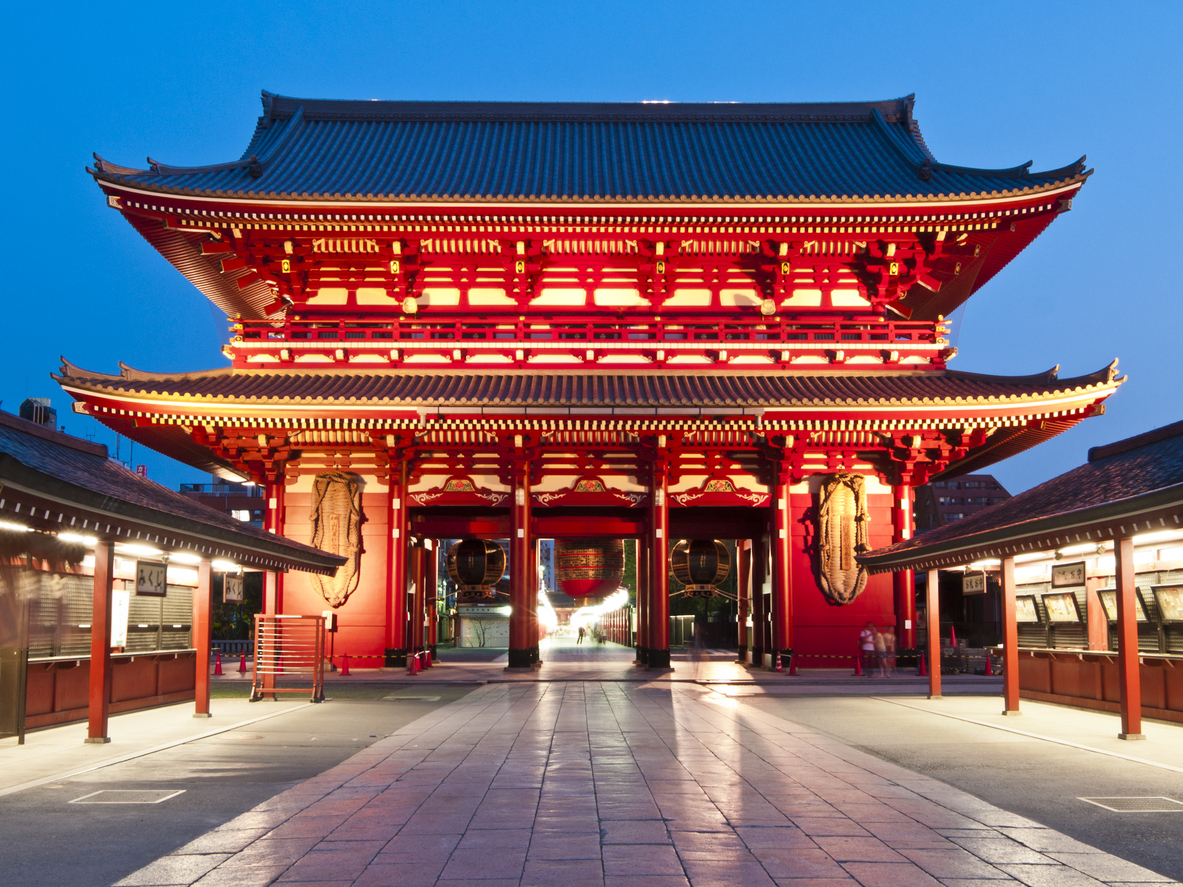 Tokyo
Tokyo
A dozen cities in one: neon Shibuya and Shinjuku, the temples of Asakusa, imperial gardens, and food from street stall to three-Michelin-star.
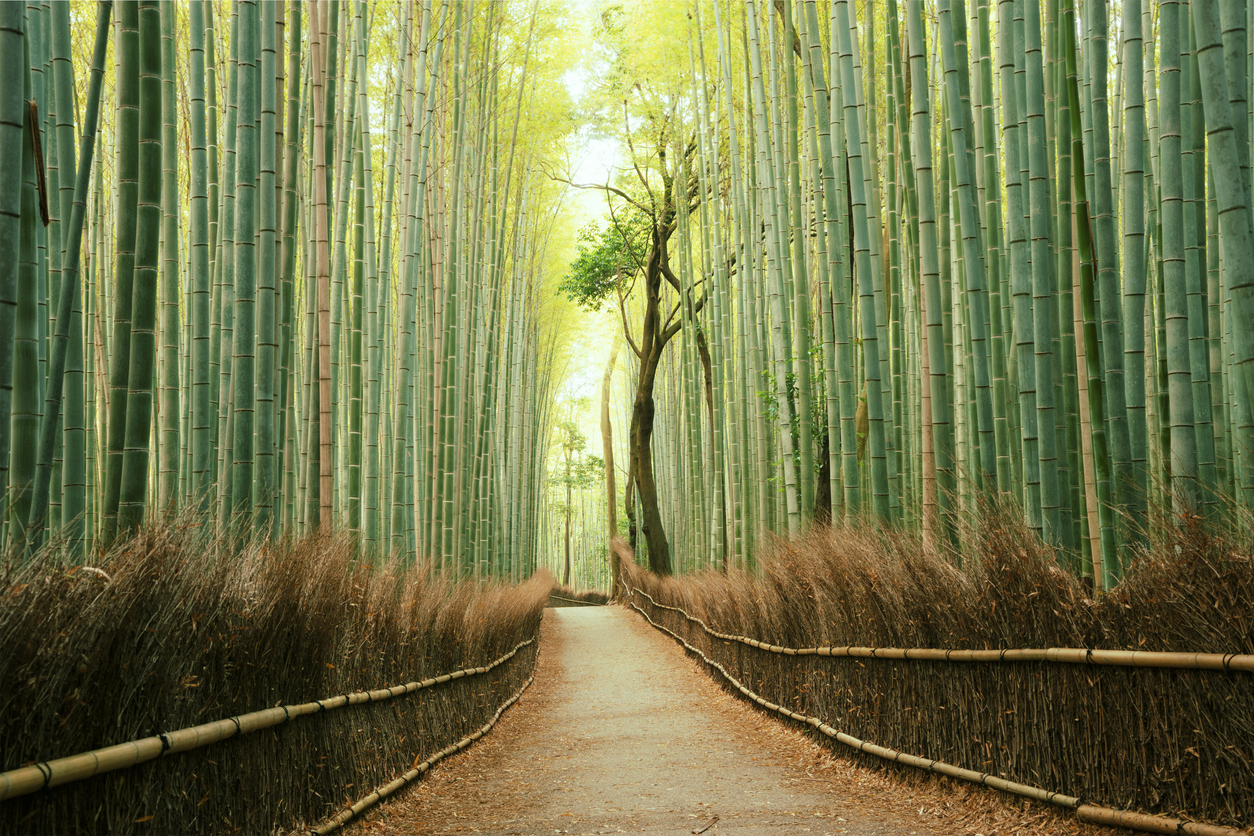 Kyoto
Kyoto
The old capital and cultural heart — thousands of temples and shrines, geisha districts, bamboo groves and the vermilion gates of Fushimi Inari.
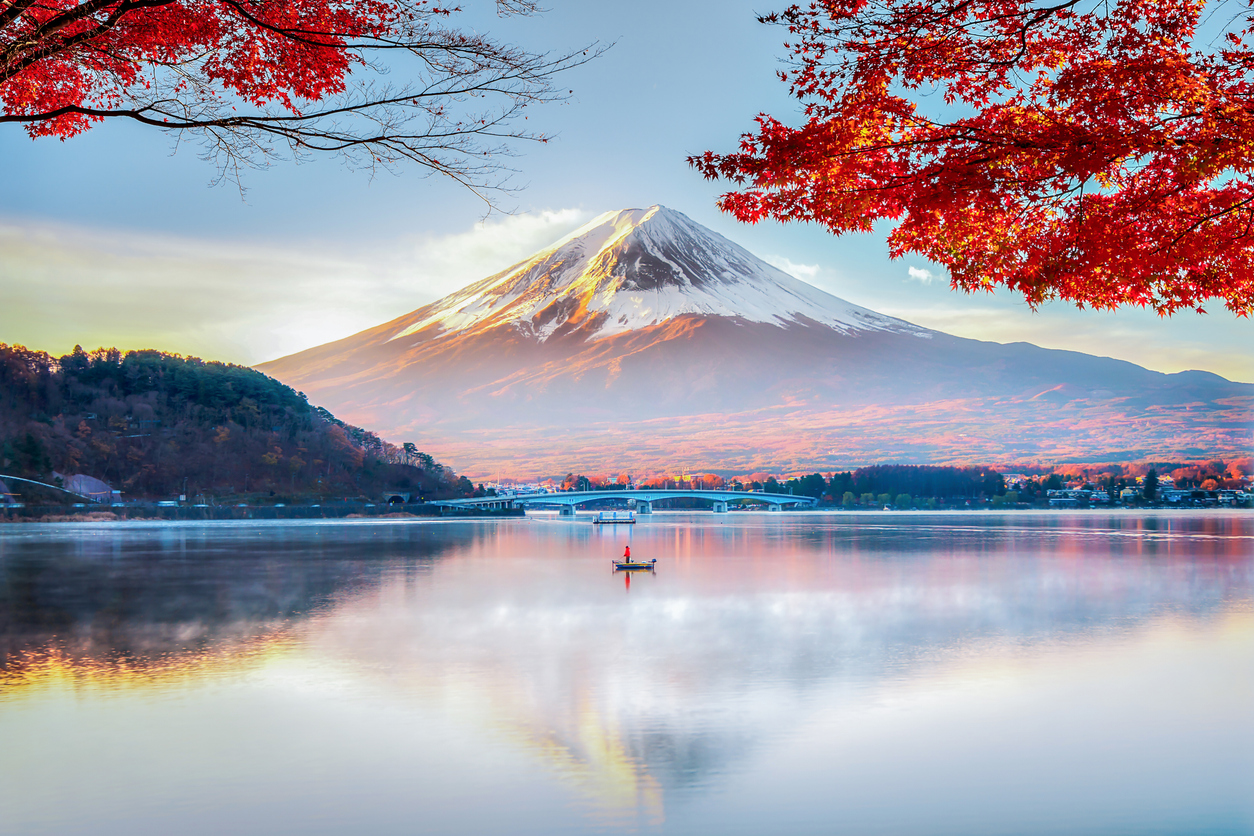 Mt Fuji
Japan's sacred, near-perfect volcano, climbable in summer and photogenic year-round from the lakes and hot-spring towns at its foot.
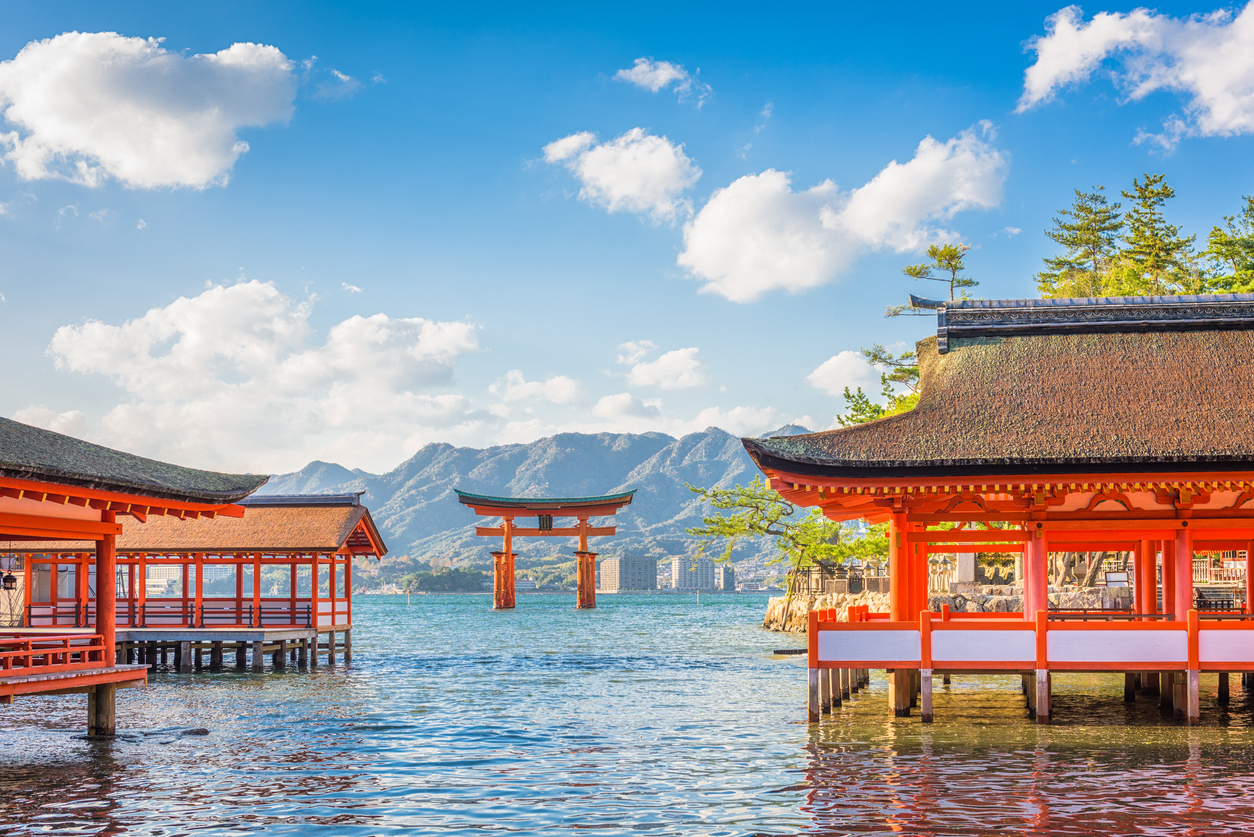 Miyajima, Hiroshima
The moving Peace Memorial, and the famous 'floating' torii gate of Itsukushima Shrine on the island across the bay.
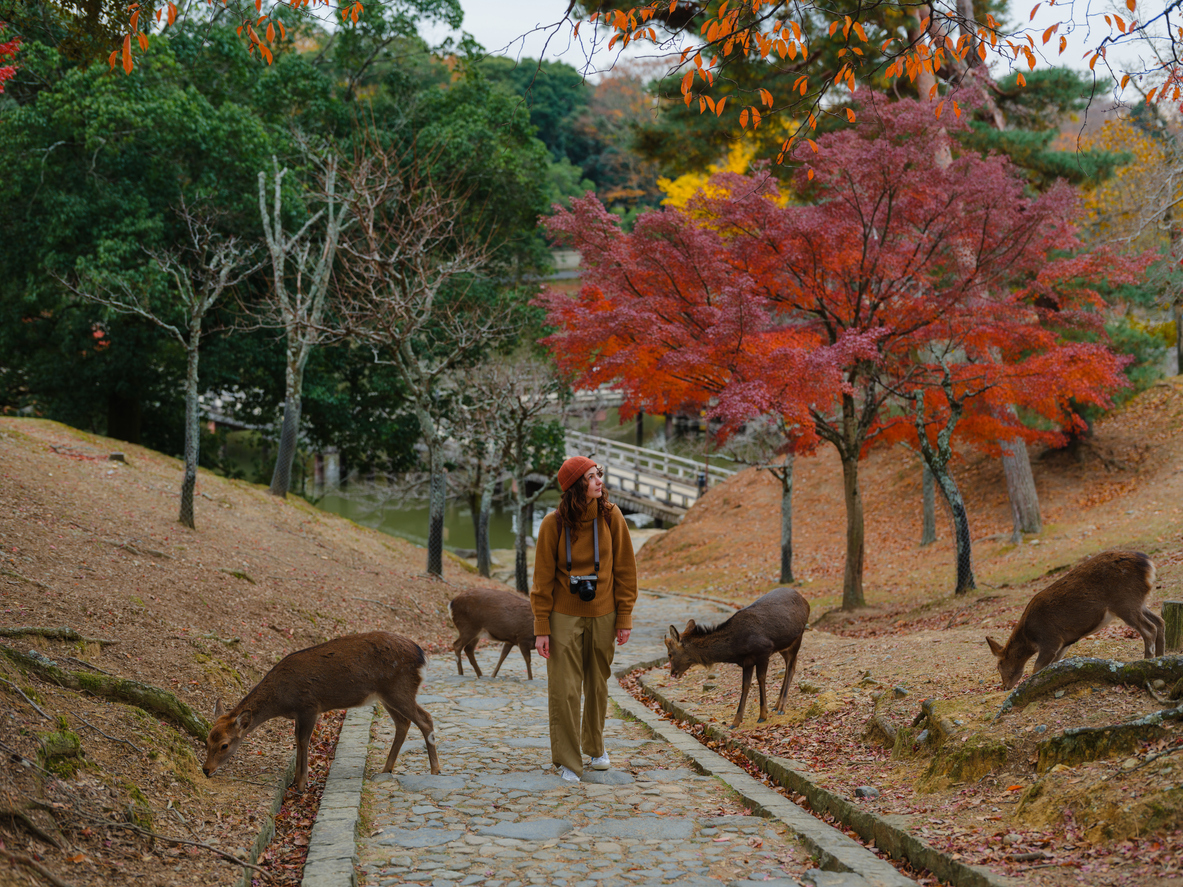 Nara
Nara
Japan's first permanent capital, where free-roaming deer wander among giant bronze Buddhas and ancient wooden temples.
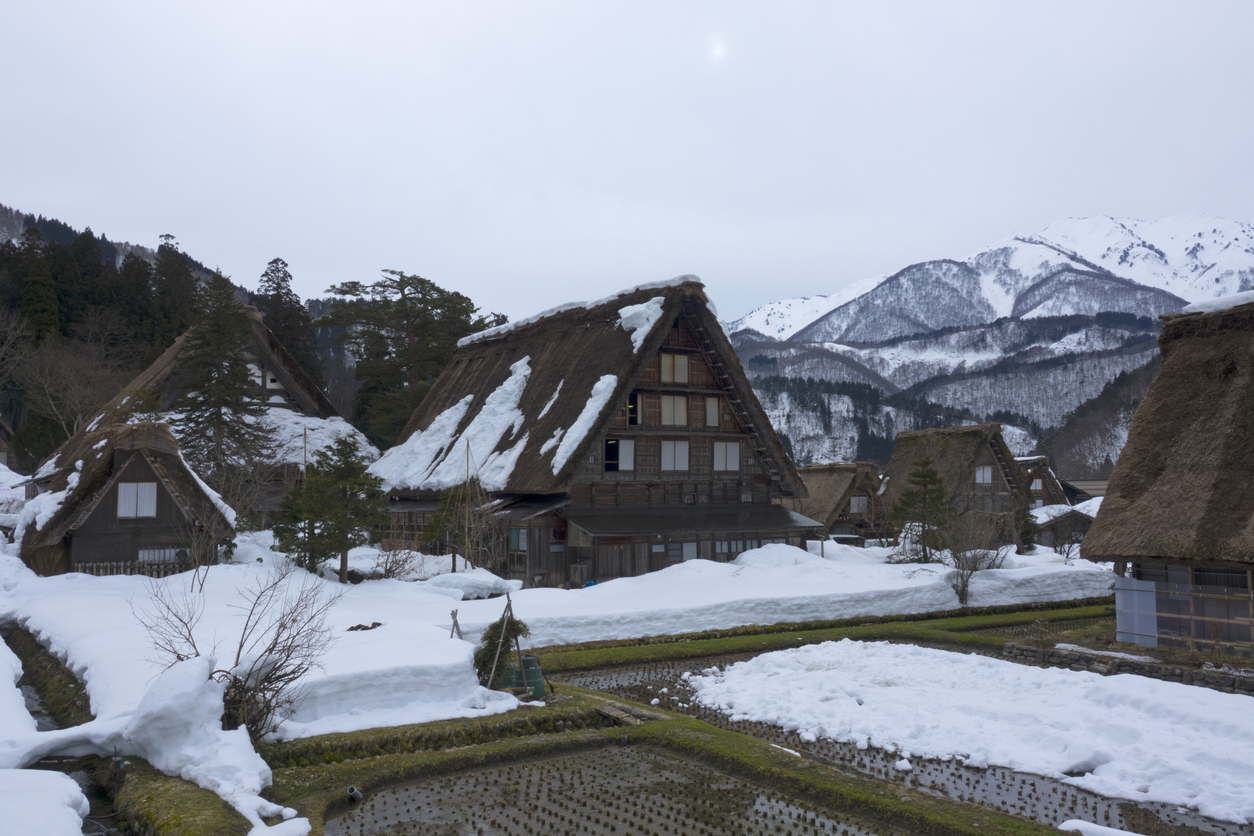 The Japanese Alps
Old merchant streets and steep-thatched farmhouses in a UNESCO-listed valley, especially magical under winter snow.
Japan rewards very different travellers. Pick the trip that matches your Travel DNA.
Kyoto's shrines, tea houses, gardens and geisha districts.
Tokyo's neon, tech, anime and nightlife.
Mt Fuji, the Japanese Alps and powder-season slopes.
Hot-spring towns and traditional ryokan stays.
Sushi, ramen and market-to-table dining.
Getting there, getting around and getting the most from your trip.
Major carriers serve Tokyo and Osaka; many nationalities enter visa-free for short stays.
The shinkansen (bullet train) links the country at speed; a Japan Rail Pass can pay off for multi-city trips.
Metro and rail are fast, spotless and punctual; a prepaid IC card (Suica/ICOCA) makes it seamless.
Cash is still useful, though cards are increasingly accepted; pocket Wi-Fi or an eSIM keeps you connected.
Cherry blossom in spring and autumn colour in late year — the two spectacular windows, but busy and pricey.
Quieter and superb for snow and onsen; crisp, clear days with powder in the mountains.
The rainy June and humid August are the low points — though festival season has its own appeal.