



I've been to the same riad in Marrakech twice. Once in August, once in January. I'm convinced I visited two completely different cities.
That's the thing about travel seasons nobody really warns you about. The destination on the map doesn't change. The monuments stay put. The food is the same. But the experience — the way a place feels under your feet, the crowds pressing against you or the empty streets stretching ahead, the price tag, the temperature on your skin — that changes everything.
Over the past few years, I've made a point of revisiting the same destinations in their absolute peak season and their absolute lowest ebb. Turkey in July and Turkey in January. Morocco in August and Morocco in February. India in December and India in June. Egypt in Easter week and Egypt in late September. What I found surprised me every single time — and it will probably change how you think about booking your next trip.
Turkey: Mediterranean Magic vs. Winter Silence
Peak Season — July
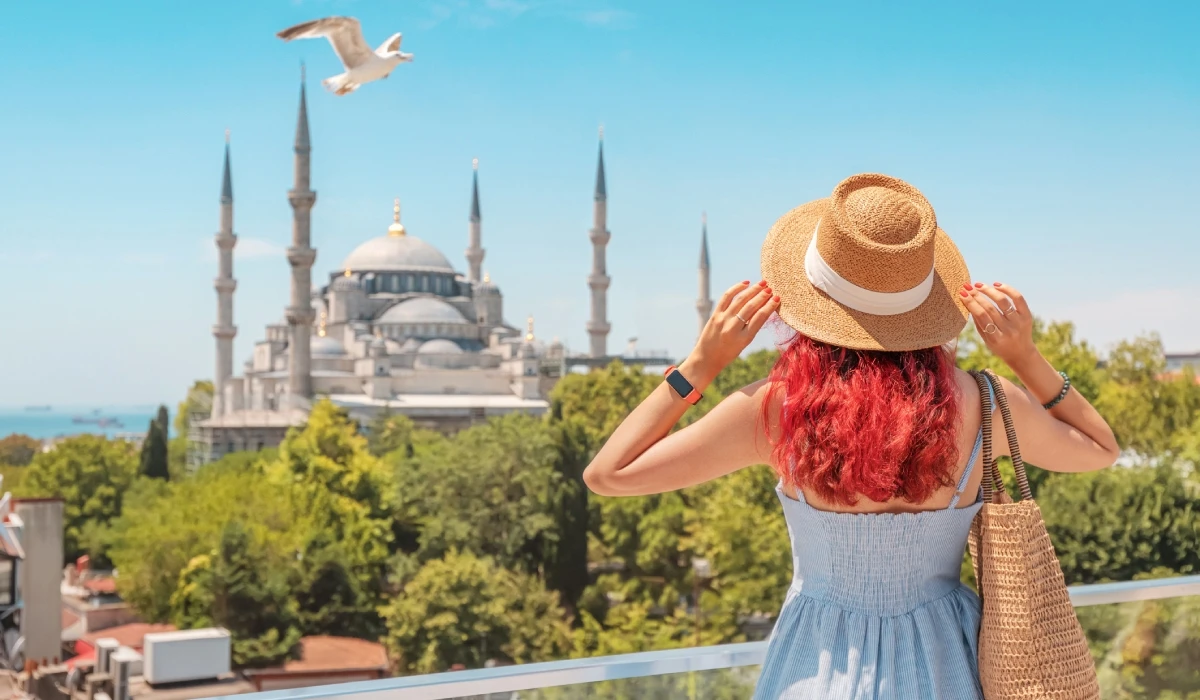
Santorini gets all the Instagram attention, but Turkey in July is its own kind of extraordinary and its own kind of overwhelming. I arrived in Istanbul on a Tuesday morning in late July, and the city hit me like a wall — heat, noise, humanity, and the smell of simit bread and diesel exhaust all at once.
The Hagia Sophia queue stretched so far around the courtyard that I genuinely couldn't see where it ended. I waited 55 minutes. Inside, it was worth every second — but I was sharing that moment with what felt like half of Europe. The Blue Mosque was the same story. Topkapi Palace had tour groups moving through it in tight formations, guides holding umbrellas aloft so their groups wouldn't lose them in the crowd.
Cappadocia in July is spectacular in the way that a sold-out music festival is spectacular — electric, buzzing, but not exactly peaceful. The hot air balloons at sunrise are genuinely one of the great travel experiences on earth, but you're watching them alongside several hundred other people who had the same idea. Every cave hotel charges its peak rates. The valleys are dusty and golden in the summer heat, and there's something almost cinematic about the landscape at that time of year, but solitude is not on the menu.
What July gives you: energy, full schedules, everything open, every restaurant packed with people from every corner of the world. The social experience of peak season travel is real — I met more interesting fellow travelers in three days in Cappadocia in July than I did on an entire winter trip.
Low Season — January
I came back to Turkey in January half expecting to find a country in hibernation. What I found instead was one of the best travel experiences I've had anywhere.
Istanbul in January is Istanbul at its most itself. The Grand Bazaar was busy but navigable. The Spice Market — which in July is a heaving crush of selfie sticks and overwhelmed tourists — felt like an actual market, full of locals buying actual things. I had a tea with a carpet seller who had no particular interest in selling me anything and talked for an hour about Ottoman history. That conversation would have been impossible in July.
Cappadocia in January occasionally gets snow, and when it does, something almost otherworldly happens — the fairy chimneys dust white, and the valleys go completely silent, and you understand why people have been drawn to this landscape for thousands of years. I had a valley to myself for a full morning. The hot air balloon I booked was carrying eight people instead of the maximum. The cave hotel cost me 40% less than the summer rate.
The honest trade-off: some coastal restaurants are closed, some beach resorts are shuttered, and the Aegean and Mediterranean are cold enough to swim in only if you're very committed. But if your trip is to Istanbul, Cappadocia, and Ephesus — three of Turkey's greatest destinations — January is not a compromise. It's an upgrade.
Morocco: The Medina in August vs. The Medina in February
Peak Season — August
Nobody warns you about Morocco in August. I don't mean that as a complaint exactly — I mean it as a genuine heads up for anyone considering it.
Marrakech in August is hot in a way that feels personal, like the city is testing you. Temperatures in the medina regularly hit 38–40°C, and the narrow souks, as beautiful as they are, trap heat like a tandoor oven. By 11 am, I had given up on anything resembling comfortable sightseeing and retreated to the riad's courtyard with a glass of mint tea and the mild shame of someone who had underestimated a climate.
The Djemaa el-Fna square at night in August is genuinely spectacular — the snake charmers, the storytellers, the food stalls sending smoke into the warm air, the entire square vibrating with noise and colour. That part I would recommend to anyone without hesitation. But the daytime medina in August is for those with serious heat tolerance and the willingness to start at dawn and finish by 10 am.
Fes in August is slightly cooler, but the same principle applies. The tanneries — one of Morocco's most photographed sights — smell significantly more intense in peak summer heat. The leather dyeing process is extraordinary to watch, but in August, you understand very quickly why they hand you sprigs of mint at the entrance.
Low Season — February
February, Marrakech felt like the city exhaled. The medina was cool enough to walk through at any hour. The souks — which in August I had rushed through in survival mode — revealed themselves as the extraordinary labyrinth they actually are. I got lost for two hours in the leather district and found it genuinely enjoyable rather than stressful.
The Majorelle Garden, which in August involves queuing for 45 minutes to take a photo that will look identical to ten million other photos, had a quiet February morning where I sat by the blue fountain for twenty minutes completely undisturbed. The Bahia Palace — all that extraordinary tilework and carved plaster — was empty enough that I could stand still and actually look at things.
The Atlas Mountains day trip I did from Marrakech in February included snow on the upper peaks, villages that felt entirely untouched by tourism, and a lunch of harira soup and msemen bread by a wood fire that was one of the best meals I had anywhere that year.
February trade-offs are minimal in Morocco. It rains occasionally, particularly in the north. The odd restaurant is closed. But the medina is alive, the city is functioning, and the experience is richer by almost every measure.
India: December Gold vs. Monsoon Green
Peak Season — December
India in December is India at its most welcoming and I say that having visited in every season. The air over Rajasthan is crystalline, the light falls at that low golden angle that makes every fort and palace look like a film set, and the temperature across Delhi, Agra, and Jaipur sits somewhere between 12 and 22°C — cool enough to walk for hours, warm enough to never need more than a light jacket.
I stood at the Taj Mahal at sunrise on a December morning when the mist off the Yamuna River was still sitting low across the gardens and the marble was turning from grey to gold to white as the sun came up, and I understood for the first time why people cry when they see it. I had read about that reaction and privately considered it an exaggeration. December Taj Mahal in the mist at 6:30am is not an exaggeration.
Rajasthan in December is everything the photographs promised — Jaisalmer's golden fort glowing in the low winter light, camel treks into the Thar Desert ending with campfire dinners under skies of impossible clarity, Udaipur's Lake Palace floating white on the water. The palace hotels are warm and exactly right in the cooler months. The crowds are real — particularly between Christmas and New Year when prices spike significantly — but they never overwhelm the experience.
Low Season — June Monsoon
I went to India in June partly as an experiment and partly because the flights were remarkably cheap and I was curious what everyone was avoiding.
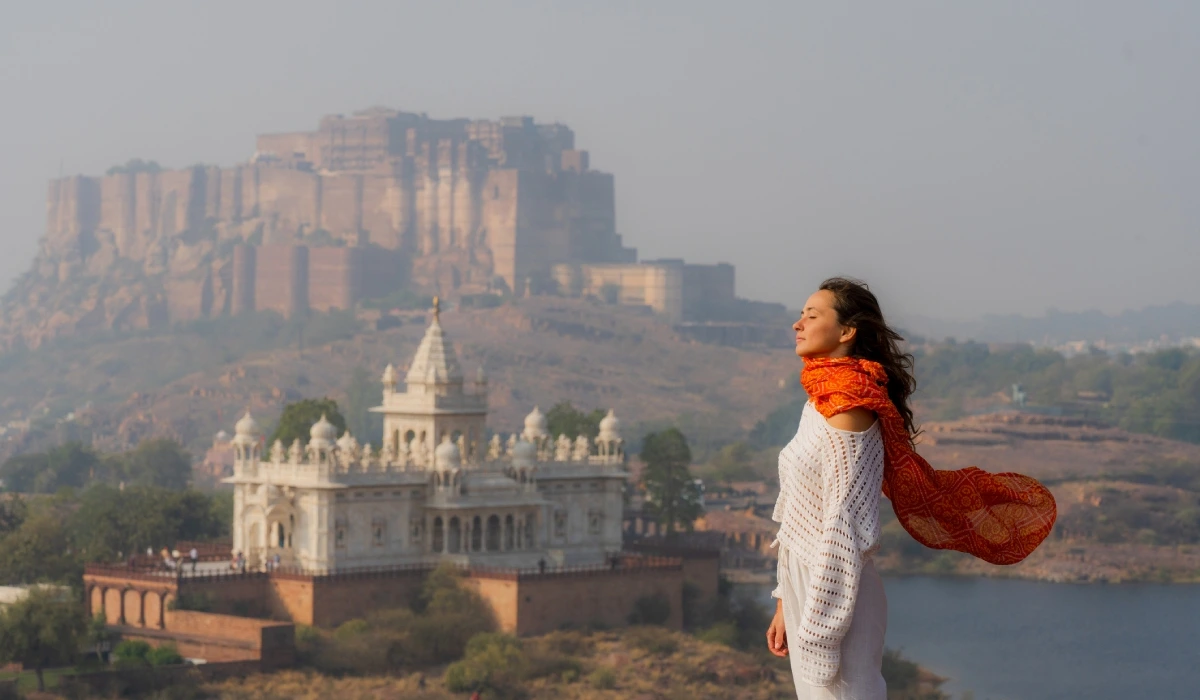
What I found was a country undergoing a transformation. Rajasthan — which in December is all golden dust and clear horizons — was turning green. The desert was greening. The forts were wrapped in low cloud and photographed through monsoon mist they looked like something from a different century. The crowds had vanished almost entirely. I had the Mehrangarh Fort in Jodhpur largely to myself for a full morning.
Kerala in June is extraordinary in a way that peak season visitors never see. The backwaters fill completely, the rice paddies turn the deepest possible green, and the light through the rain on the coconut palms is genuinely beautiful. I took a houseboat through the Alleppey backwaters in the rain and it was atmospheric in a way that fair-weather travel rarely is.
The honest monsoon trade-off: it rains, sometimes heavily and unpredictably. Some roads become difficult. Some smaller guesthouses close. You need to be comfortable with plans changing. But the version of India available in June — greener, quieter, cheaper, and completely honest about what it is — is one that rewards curious travelers enormously.
Egypt: Easter Crowds vs. September Calm
Peak Season — Easter Week
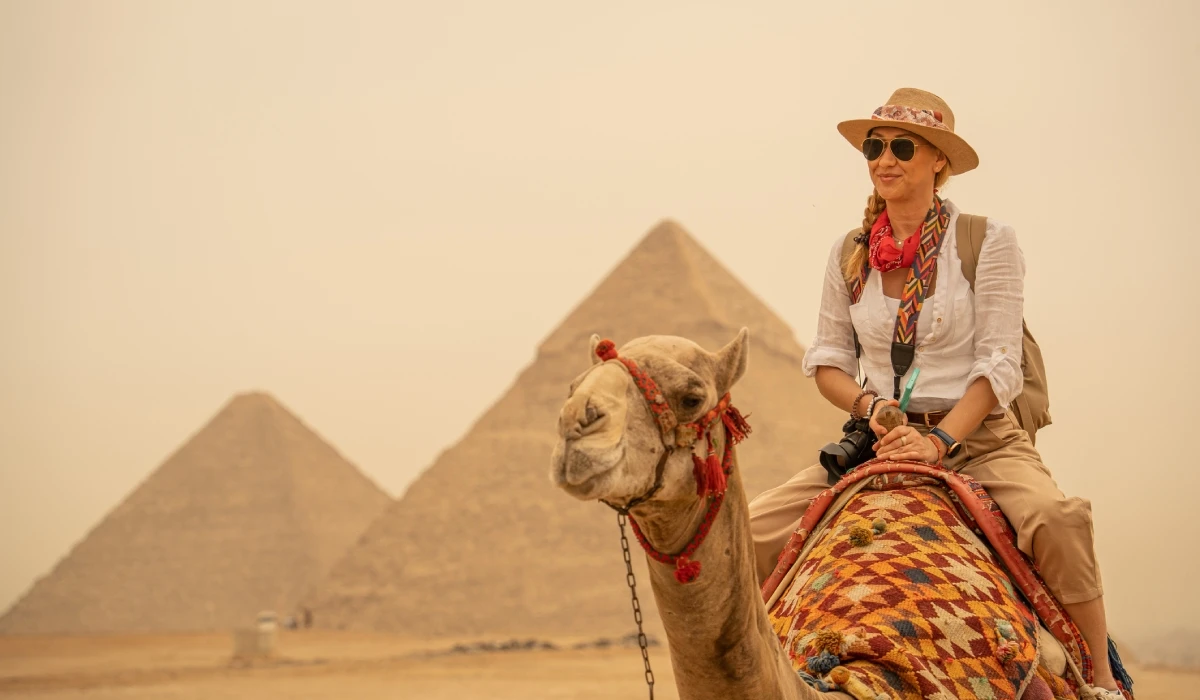
Egypt in Easter week is a logistical experience as much as a travel one. The Pyramids of Giza — already one of the world's most visited sites — were operating at what felt like absolute capacity. The camel handlers were persistent, the tour buses were constant, and the famous Sphinx photograph required patience, positioning, and a willingness to wait for a gap in the crowds.
None of this diminished the Pyramids themselves. Nothing could. You stand at the base of the Great Pyramid and the scale defeats every expectation you arrived with — it is larger and older and more overwhelming than any photograph or description prepares you for. That experience is available in Easter week despite the crowds, not because of them.
Luxor in Easter week is more manageable — the Valley of the Kings has a quieter energy than Giza — but the Nile cruise boats were stacked three deep at some moorings and the famous temples at Karnak and Luxor were genuinely packed in the late morning hours. Early starts were essential and richly rewarded.
Low Season — Late September
September sits at the edge of Egypt's low season and the difference is significant. The heat is still intense — Luxor in September regularly reaches 40°C — but the crowds have thinned dramatically and the experience of the monuments changes completely.
I walked into the tomb of Ramesses VI in the Valley of the Kings in late September and there were four other people in it. Four. I stood in front of the astronomical ceiling — that extraordinary blue expanse of stars and solar barques painted over three thousand years ago — for a full ten minutes without moving or speaking.
That experience is simply not available at Easter.
The Egyptian Museum in Cairo in September had entire rooms I could navigate at my own pace, stopping at cases that interested me rather than being moved along by the pressure of crowds behind me. The Khan el-Khalili bazaar in the cooler early morning was a genuine market rather than a tourist gauntlet.
The heat is the real trade-off in September and it should not be underestimated. Sightseeing needs to be structured around it — early mornings, midday retreats, late afternoon returns. But for the monuments, for the tombs, for the experience of ancient Egypt with something approaching the space and silence it deserves, September delivers something that Easter week simply cannot.
So Which Season Should You Actually Book?
Here's what two years of deliberate seasonal comparison taught me: peak season gives you energy, certainty, and the full infrastructure of a tourist destination operating at capacity. Low season gives you space, authenticity, lower prices, and often the more honest version of a place.
Neither is objectively better. They're genuinely different trips.
If it's your first visit to a destination, peak season is a reasonable choice — everything is open, guides are abundant, and the experience is designed to work smoothly. If you've been before, or if solitude and atmosphere matter more to you than convenience, the low season versions of Turkey, Morocco, India, and Egypt are not consolation prizes. In several cases they're the superior experience.
The best travel advice I ever received was this: visit a place once in its best light and once when it thinks nobody is watching. You'll understand it twice as well.
Frequently Asked Question
Is peak season always worth the higher price?
Not automatically. For Egypt and India specifically, the shoulder seasons — October/November and February/March respectively — offer nearly peak-season conditions at significantly lower prices. True peak season pricing is only justified if you're travelling during a specific festival or event that genuinely requires that timing.
Which of these four destinations is best in low season?
Turkey and Morocco reward low-season visitors most consistently — the core experiences (Istanbul's monuments, the Cappadocia landscape, the Marrakech medina) lose almost nothing in winter and gain enormously in terms of space and atmosphere. India's monsoon is more of an acquired taste requiring flexibility.
How much cheaper is low-season travel typically?
Savings vary significantly by destination but 25–40% on accommodation is common across all four destinations covered here. Flight prices can drop even more dramatically — particularly to Egypt and Morocco outside European school holiday periods.
Is it safe to travel to these destinations in low season?
Yes — low season doesn't mean unsafe season. The reduced crowds in Egypt, India, Turkey, and Morocco reflect weather patterns and school holiday calendars rather than any safety consideration. Standard travel precautions apply year-round regardless of season.
What's the single best month across all four destinations?
October is the closest thing to a universal answer. Morocco, Turkey, Egypt, and India all sit in comfortable conditions in October — post-summer heat, pre-winter cold, with festivals in India (Diwali/Navratri) and Egypt making it culturally one of the richest months available anywhere in the world.
Join the discussion