




-
What Is Wellness Tourism, Really?
-
The Numbers Don't Lie: Wellness Tourism Is BOOMING
-
Why Is Everyone Suddenly Obsessed with Wellness Travel?
-
Types of Wellness Tourism: Find Your Flavor
-
Top Wellness Tourism Destinations in 2026
-
How to Choose Your Wellness Tourism Experience
-
Is Wellness Tourism Worth It?
-
FAQs
What Is Wellness Tourism, Really?
Vacation used to mean relaxing on a beach with a drink and doing nothing for a week. But in 2026, travel trends have shifted dramatically as more people seek experiences that improve their well-being rather than just offering relaxation.
Wellness tourism has become the fastest-growing segment in the travel industry. Travelers now spend their vacations on activities like meditation retreats, yoga sessions, juice cleanses, and holistic treatments designed to refresh both body and mind.
With the industry reaching a massive $1.2 trillion market, it’s clear that people are craving meaningful, transformative experiences. Wellness travel offers a chance to return home feeling healthier, recharged, and mentally renewed.
What Is Wellness Tourism, Really?
Let's get clear on what we're talking about, because "wellness tourism" can mean a lot of different things.
Wellness tourism is: Travel with the primary intention of improving or maintaining your health and well-being—physical, mental, emotional, or spiritual.
It's NOT just:
- Getting a massage at your resort spa (though that can be part of it)
- Eating salads on vacation
- Going to the hotel gym once
- Posting yoga poses on Instagram
Real wellness tourism includes:
1. Yoga and meditation retreats: Days or weeks dedicated to practice, often in stunning natural settings with expert teachers
2. Thermal spa experiences: Historic bathhouses and natural hot springs focused on hydrotherapy and relaxation
3. Detox and cleanse programs: Supervised fasting, juice cleanses, and detox programs at specialized centers
4. Fitness and adventure wellness: Hiking retreats, surf camps, cycling tours combined with nutrition and wellness education
5. Spiritual and transformative journeys: Ayahuasca ceremonies, silent meditation retreats, spiritual pilgrimages
6. Medical wellness tourism: Combining medical procedures or treatments with recovery in wellness-focused environments
7. Mental health retreats: Therapy-focused getaways, burnout recovery programs, digital detoxes
8. Holistic healing: Traditional medicine practices like Ayurveda, Traditional Chinese Medicine, or indigenous healing modalities
The common thread? Intentionality. You're not just escaping your life, you're actively working on improving it.

The Numbers Don't Lie: Wellness Tourism Is BOOMING
Let me hit you with some stats that show just how massive this trend has become:
Market size: The global wellness tourism market reached $1.2 trillion in 2025, and it's projected to hit $1.8 trillion by 2028. That's growing faster than regular tourism.
Trip numbers: 930 million wellness trips were taken globally in 2025, that's 7% of ALL tourism trips worldwide.
Spending: Wellness tourists spend an average of $1,601 per trip internationally, compared to $1,300 for regular tourists. They stay longer and spend more.
Growth rate: Wellness tourism is growing at 16.6% annually, compared to 3.7% for overall tourism.
Demographics:
- 72% of wellness travelers are between 25-54 years old
- Women account for 62% of wellness tourists
- Millennials and Gen Z are driving growth
- High-income earners are most likely to prioritize wellness travel
Top motivations:
- Stress relief and mental health (78%)
- Physical fitness and health improvement (62%)
- Spiritual growth and self-discovery (54%)
- Disconnecting from technology (49%)
- Learning new wellness practices (43%)
Millions of people worldwide are choosing meditation cushions over beach loungers, and they're paying premium prices to do it.
Why Is Everyone Suddenly Obsessed with Wellness Travel?
So what's driving this massive shift? Why are people choosing colonics in Costa Rica over cocktails in Cabo?
1. We're Burned Out (Like, Really Burned Out)
Let's start with the obvious: the world is exhausting right now.
Between pandemic aftereffects, economic uncertainty, political chaos, climate anxiety, social media overload, and the constant pressure to be productive, people are hitting their breaking points. Regular vacations, where you just stop working but don't actually recharge, aren't cutting it anymore.
The stats:
- 77% of workers report experiencing burnout
- Stress-related illness costs the global economy $1 trillion annually
- Mental health issues are at all-time highs across all demographics
People aren't looking for an escape anymore; they're looking for a RESET. A week at a wellness retreat doing yoga, eating clean, sleeping well, and disconnecting from screens actually addresses the root causes of burnout in ways lounging by a pool doesn't.
2. The Pandemic Changed Our Priorities
COVID-19 was a collective trauma that fundamentally shifted how we think about health.
What changed:
- Health became the #1 priority for millions
- People realized they can't take their health for granted
- Preventive wellness became mainstream
- Mental health stigma decreased dramatically
- We all learned we actually CAN slow down
Post-pandemic, people aren't just willing to invest in their health—they're eager to. A wellness retreat isn't an indulgence; it's seen as essential maintenance.
3. Traditional Vacations Leave Us More Exhausted
Real talk: how many times have you come back from vacation needing a vacation?
The traditional vacation model, cramming in sightseeing, eating and drinking too much, staying up late, messing up your sleep schedule, then returning to work jet-lagged and exhausted, doesn't actually restore you. You got rest, sure, but you didn't recharge.
Wellness tourism flips this script. You come back from a week at a wellness retreat:
- Actually well-rested (structured sleep schedules)
- With better eating habits (not bloated from overindulging)
- With tools you can use at home (meditation, yoga, breathing techniques)
- Feeling energized rather than depleted
- With sustainable practices, not just temporary relief
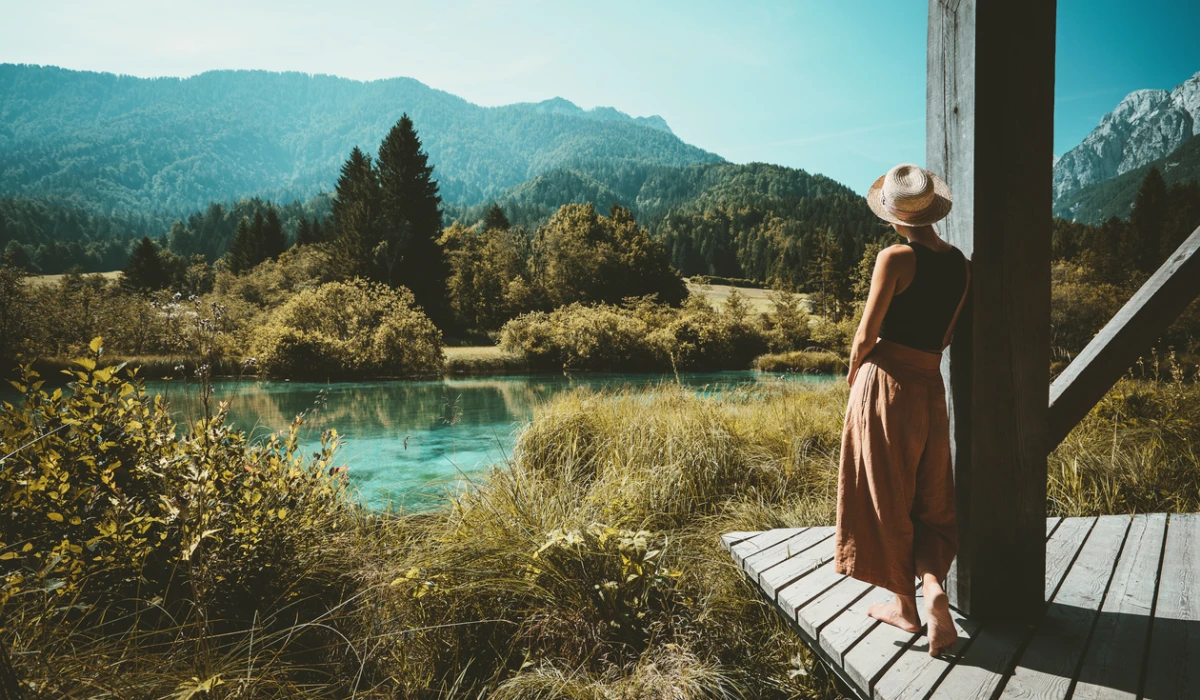
Instagram and TikTok used to be all about showing off—luxury hotels, fancy restaurants, exotic locations. Now the algorithm (and what people actually want) has shifted toward transformation and authenticity.
What's trending in 2026:
- Sunrise meditation videos
- "What I eat in a day at my wellness retreat"
- Before-and-after transformation stories (physical and mental)
- Sound bath experiences
- Digital detox journeys
- Vulnerability and real talk about mental health
It's no longer cool to brag about how much you drank on vacation. It's cool to share how you learned to breathe properly or finally got good sleep.
5. Longevity and Biohacking Went Mainstream
The obsession with living longer and better (the "healthspan" not just lifespan movement) has exploded. Biohacking, once only for Silicon Valley tech bros—has gone mainstream.
What people are chasing:
- Optimized sleep
- Better metabolic health
- Reduced inflammation
- Increased energy
- Mental clarity
- Stress resilience
- Hormonal balance
Wellness tourism offers intensive, supervised environments to learn and implement these practices. Can't figure out why you're always tired at home? Spend a week at an Ayurvedic retreat where every aspect of your routine is optimized.
Types of Wellness Tourism: Find Your Flavor
Not all wellness tourism is created equal. Here are the main categories:
1. Yoga and Meditation Retreats
What it involves: Daily yoga classes (sometimes multiple sessions), meditation practice, healthy vegetarian or vegan meals, often in beautiful natural settings.
Duration: Weekend getaways to month-long immersions
Cost range: $500 for a weekend to $5,000+ for luxury month-long retreats
Best for: Stress relief, flexibility, mindfulness practice, meeting like-minded people
Top destinations: Bali (Indonesia), Rishikesh (India), Tulum (Mexico), Costa Rica, Thailand
What to expect: Early mornings (6-7 AM yoga is common), simple accommodations (unless you go luxury), vegetarian food, silence or quiet hours, journaling and self-reflection, possible emotional releases
2. Thermal Spas and Hydrotherapy
What it involves: Natural hot springs, mineral baths, saunas, steam rooms, cold plunges, massages, and thermal therapy treatments.
Duration: Day visits to week-long stays
Cost range: $50/day for basic access to $300+/night for luxury spa resorts
Best for: Relaxation, muscle recovery, skin health, detoxification, chronic pain relief
Top destinations: Iceland (Blue Lagoon), Budapest (Hungary), Switzerland, Japan (onsen), New Zealand, Germany (Baden-Baden)
What to expect: Alternating hot and cold water therapy, mandatory nude bathing in some European spas (gender-separated), minimal talking (it's relaxation time), specific spa etiquette rules

What it involves: Supervised fasting, juice cleanses, colon hydrotherapy, nutritional reset programs, often combined with yoga and meditation.
Duration: 3 days to 3 weeks
Cost range: $1,500-$8,000+ depending on location and luxury level
Best for: Jump-starting weight loss, breaking food addictions, digestive reset, mental clarity
Top destinations: Thailand (Koh Samui has many detox centers), Costa Rica, Portugal, Austria, California
What to expect: Hunger (especially first few days), possible "detox symptoms" (headaches, fatigue), colonics or enemas (not for everyone), amazing results if you commit, strict schedules
4. Fitness and Adventure Wellness
What it involves: Hiking, cycling, surfing, or other active pursuits combined with wellness education, healthy meals, and recovery practices.
Duration: Weekend to 2-week trips
Cost range: $1,000-$6,000+ for week-long trips
Best for: Active people who want wellness without sitting still, combining adventure with health, social wellness experiences
Top destinations: Alps (hiking), Bali (surf camps), Morocco (Atlas Mountain trekking), Peru (Inca Trail with wellness focus), New Zealand
What to expect: Physical challenge, stunning nature, group bonding, sore muscles, accomplished feeling, structured days with activity + recovery
5. Spiritual and Transformative Travel
What it involves: Ayahuasca ceremonies, shamanic healing, pilgrimages, vision quests, intensive meditation retreats, energy healing.
Duration: Weekend ceremonies to month-long journeys
Cost range: $500 for weekend ceremonies to $10,000+ for extended programs
Best for: Deep personal work, spiritual seeking, breakthrough experiences, healing trauma
Top destinations: Peru (ayahuasca), India (Vipassana meditation), Sedona (energy vortexes), Mount Shasta, Glastonbury
What to expect: Intensity, potential emotional and psychological breakthroughs, possible discomfort (spiritual work isn't always pleasant), integration challenges after
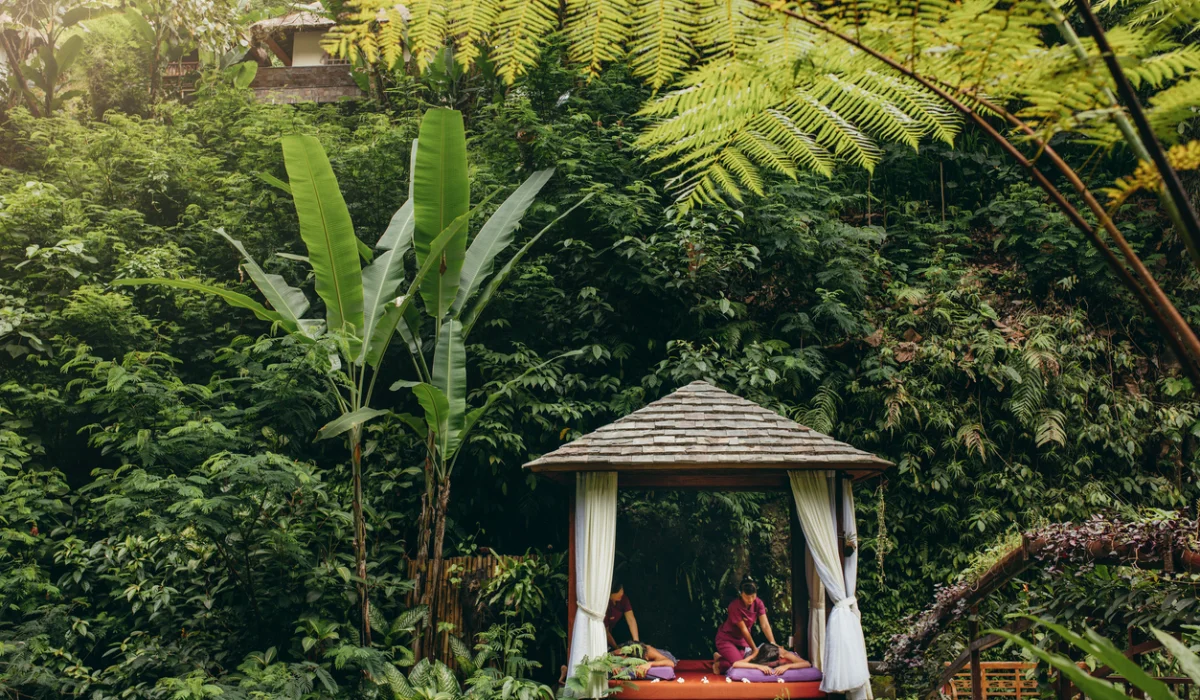
What it involves: Combining medical procedures (plastic surgery, dental work, chronic disease treatment) with recovery in wellness-focused environments.
Duration: 1-4 weeks typically
Cost range: Highly variable depending on procedures
Best for: Accessing affordable medical care, recovering in beautiful settings, combining necessary procedures with wellness practices
Top destinations: Thailand, Costa Rica, Mexico, Turkey, South Korea
What to expect: Pre-procedure consultations, the procedure itself, structured recovery with spa treatments and gentle wellness practices, follow-up care
7. Ayurveda and Traditional Medicine Retreats
What it involves: Ancient healing systems like Ayurveda (India), Traditional Chinese Medicine, or indigenous healing practices. Personalized treatments based on your constitution.
Duration: 1-4 weeks (Ayurveda panchakarma cleanses are typically 21 days)
Cost range: $2,000-$10,000+ for multi-week programs
Best for: Chronic health issues, holistic healing, preventive medicine, deep cleansing
Top destinations: Kerala (India) for Ayurveda, China for TCM, Thailand for Thai traditional medicine
What to expect: Detailed health consultations, personalized treatment plans, herbal medicines, special diets, oil treatments, possibly intense cleansing experiences
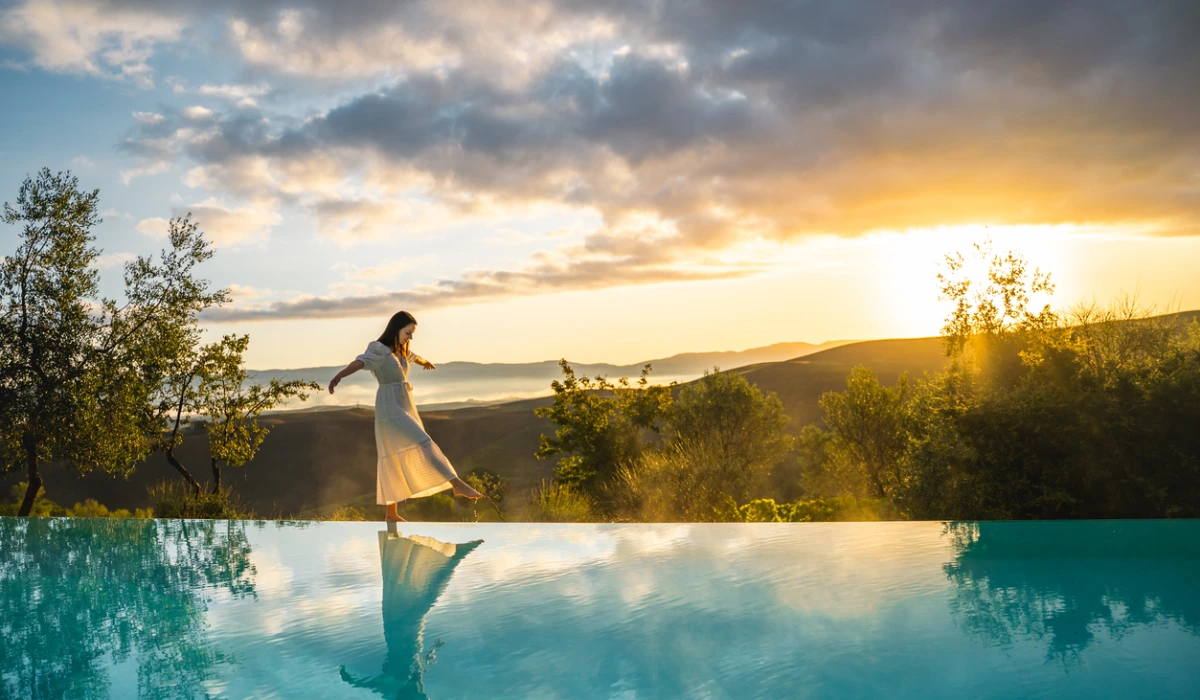
Top Wellness Tourism Destinations in 2026
Where is everyone going for their wellness fix?
1. Bali, Indonesia: The Wellness Mecca
Why it's #1: Perfect combination of affordability, spiritual culture, stunning nature, established wellness infrastructure, and international community.
What's there: Hundreds of yoga studios, world-class teachers, Ubud's healing energy, beach towns for surf wellness, traditional Balinese healing, and an amazing healthy food scene.
Signature experiences: Yoga teacher training, silent retreats at meditation centers, cacao ceremonies, sound healing, Balinese water purification rituals.
2. Rishikesh, India: Yoga Capital of the World
Why it's special: Birthplace of yoga, spiritual energy on the banks of the Ganges, authentic teachers, ashram experiences, incredibly affordable.
What's there: Hundreds of ashrams and yoga schools, meditation caves, Beatles Ashram, evening Ganga Aarti ceremonies, Ayurvedic treatments.
Signature experiences: Yoga teacher training, Vipassana silent retreats, living in ashrams, spiritual seeking.
3. Costa Rica: Pura Vida Wellness
Why it thrives: Stunning biodiversity, beach and jungle settings, warm people, established eco-wellness resorts, adventure + wellness combination.
What's there: Surf + yoga retreats, rainforest wellness centers, thermal springs, adventure activities, farm-to-table food culture.
Signature experiences: Digital detoxes in the jungle, surf therapy, waterfall yoga, sloth sightings during meditation.
4. Thailand: Tropical Wellness Paradise
Why people love it: Affordable, established wellness industry, beautiful beaches and mountains, traditional Thai healing, wellness infrastructure.
What's there: Chiang Mai for meditation retreats, Koh Samui for detox centers, Phuket for luxury wellness resorts, Bangkok for medical wellness.
Signature experiences: Thai massage schools, Vipassana meditation, detox programs, Muay Thai training + wellness.
5. Switzerland: Alpine Wellness Excellence
Why it's premium: Cutting-edge medical wellness, stunning Alpine settings, exceptional service, privacy, luxury everything.
What's there: Medical spas, longevity clinics, thermal baths, mountain air therapy, precision wellness programs.
Signature experiences: Cellular regeneration programs, altitude training, cryotherapy, advanced diagnostics.
6. Sedona, Arizona, USA: Vortex Energy Healing
Why it's unique: Reported energy vortexes, red rock landscapes, Native American spirituality, established healing community.
What's there: Energy healers, crystal shops, vortex tours, spa resorts, hiking + wellness, spiritual seekers from around the world.
Signature experiences: Vortex meditations, sound healing, psychic readings, red rock hikes, stargazing.

How to Choose Your Wellness Tourism Experience
Feeling overwhelmed by options? Here's how to decide:
1. Know Your Wellness Goals
-
Stress relief: Thermal spas, meditation retreats, nature immersion
-
Physical fitness: Active wellness, adventure + yoga, fitness retreats Weight
-
loss/detox: Cleanse programs, Ayurveda, fitness boot camps Spiritual
-
Growth: Spiritual retreats, meditation, transformative travel Medical
-
Needs: Medical wellness tourism, recovery-focused programs Just starting
-
Out: Yoga retreats, spa weekends, gentle wellness introductions
2. Assess Your Comfort Level
-
Beginner: Start with a weekend yoga retreat or spa weekend near home
-
Intermediate: Week-long retreat in established wellness destination (Bali, Costa Rica)
-
Advanced: Intensive meditation retreats, transformative programs, challenging detoxes
3. Consider Your Budget
-
Budget-friendly ($500-1,500): Thailand, Bali, India, Mexico, domestic
-
retreats Mid-range ($1,500-4,000): Costa Rica, Portugal, Bali luxury,domestic luxury
-
High-end ($4,000-10,000+): Switzerland, Maldives, exclusive programs, medical wellness
4. Think About Timing
-
Weekend: Domestic spa breaks, meditation introductions
-
One week: Most standard retreats, detox programs
-
Two weeks+: Ayurveda panchakarma, intensive trainings, deep transformations
5. Solo vs. Group
-
Solo travel: More flexibility, deeper personal work, choose your own journey Group
-
retreats: Built-in community, social aspect, shared experiences
-
Private retreats: Personalized programs, complete customization, privacy

Is Wellness Tourism Worth It?
Yes, wellness tourism is worth it IF:
- You're genuinely committed to the experience (not just Instagram content)
- You choose reputable, ethical programs that align with your values
- You go in with realistic expectations (it's work, not magic)
- You have the financial means without going into debt
- You're prepared to integrate practices into your daily life afterward
It might not be worth it if:
- You're just looking for relaxation (a regular vacation is fine!)
- You can't afford it comfortably (wellness at home is valid)
- You're not ready for introspection and potential discomfort
- You're seeking quick fixes without lifestyle changes
- You're doing it because it's trendy, not because you need it
Wellness tourism can be genuinely transformative. The boom isn't just hype, people are experiencing real benefits. But it's not a magic bullet, and it's not the only path to wellness.
FAQs
Q1: Is wellness tourism worth the money?
Wellness tourism costs vary from $500 retreats to $10,000+ luxury programs. It can be worth it for stress relief, better sleep, and healthier habits,but you can also practice wellness at home. Ideal if you need a reset and can afford it comfortably.
Q2: What's the difference between wellness tourism and regular vacation?
Regular vacations focus on rest and entertainment, while wellness tourism focuses on improving health through yoga, meditation, fitness, and healing practices. You may work harder, but return with lasting habits and real transformation.
Q3: Do I need to be fit or experienced in yoga/meditation to go on a wellness retreat?
Not at all! Most retreats welcome all levels, with beginner-friendly options and modifications. Check health requirements and start with a weekend retreat to try it out.
Q4: What should I pack for a wellness retreat?
Essentials include: comfortable, modest clothing for yoga/movement, layers for varying temperatures, reusable water bottle, journal and pen, any personal medications, toiletries (many retreats are eco-friendly so bring biodegradable products), yoga mat (if not provided), meditation cushion if you prefer your own, sunscreen, insect repellent, and an open mind. Pack light—most retreats provide what you need. Check their packing list before you go.
Q5: Are wellness retreats only for women?
No! While women make up ~62% of wellness tourists, many co-ed and men-specific retreats exist. Wellness is for everyone, and more men are embracing holistic health.
Q6: Can I do wellness tourism on a budget?
Absolutely! Budget-friendly wellness options include affordable destinations (India, Bali, Thailand, Mexico), weekend or DIY retreats, off-season rates, group discounts, and work-exchange programs. Costs range from $500 to $15,000+.
Q7: What's the difference between Ayurveda retreats and regular wellness retreats?
Ayurveda retreats follow the ancient Indian healing system that treats each person based on their unique constitution (dosha). They include personalized consultations, specific dietary recommendations, herbal treatments, oil therapies, and often intensive cleansing programs (panchakarma). Regular wellness retreats may incorporate various practices (yoga, meditation, spa treatments) but aren't necessarily based on one healing system. Ayurveda is more medical and personalized; general wellness retreats are more lifestyle and practice-focused.
Q8: Can wellness tourism help with serious mental health issues?
Wellness tourism can complement but not replace professional mental health care. Choose retreats with licensed therapists, consult your doctor, and maintain your regular treatment for serious conditions.
Q9: What happens after the retreat? How do I maintain the benefits?
Post-retreat integration is key. Maintain benefits by starting small daily, joining online communities, finding local classes, creating a home wellness space, and using retreat follow-ups. Transformation takes time.
Q10: Is wellness tourism environmentally sustainable?
Wellness tourism’s impact varies. Choose eco-friendly retreats, offset travel emissions, support local conservation, and favor nearby destinations to enjoy wellness sustainably.
Q11: Can I bring my kids to wellness retreats?
Some retreats are family-friendly, offering kids’ yoga, mindfulness, nature activities, and childcare, while others are adults-only. Look for “family wellness” programs or holiday-specific family weeks.

Join the discussion