



-
Japan: A Full Meal Before the Day Begins
-
Turkey: Breakfast as a Ceremony
-
Vietnam: Soup for Breakfast
-
The Philippines: Yesterday's Dinner, Gloriously Fried
-
India: A Thousand Breakfasts in One Country
-
Mexico: Breakfast in Salsa
-
Morocco: Mint Tea and the Art of the Morning Table
-
Greece: Simple, Slow, and by the Sea
-
England: The Full English and Its Unshakeable Logic
-
Brazil: Cake for Breakfast, and Proud of It
-
What Breakfast Teaches You
-
FAQs
I grew up thinking breakfast meant toast or eggs. Maybe a bowl of cereal on a rushed morning. Something quick, something familiar, something that didn't require much thought before the first coffee.
Then I started traveling. And breakfast became the most interesting meal of the day.
It turns out that what a culture puts on the table at 7am tells you almost everything about who they are. Their climate. Their history. Their relationship with time, with family, with food itself.
Here is what I found when I let the world feed me in the morning.
Japan: A Full Meal Before the Day Begins
Japan: A Full Meal Before the Day Begins
My first morning in Tokyo, I came down to the hotel breakfast expecting something light. What I found stopped me in the doorway.
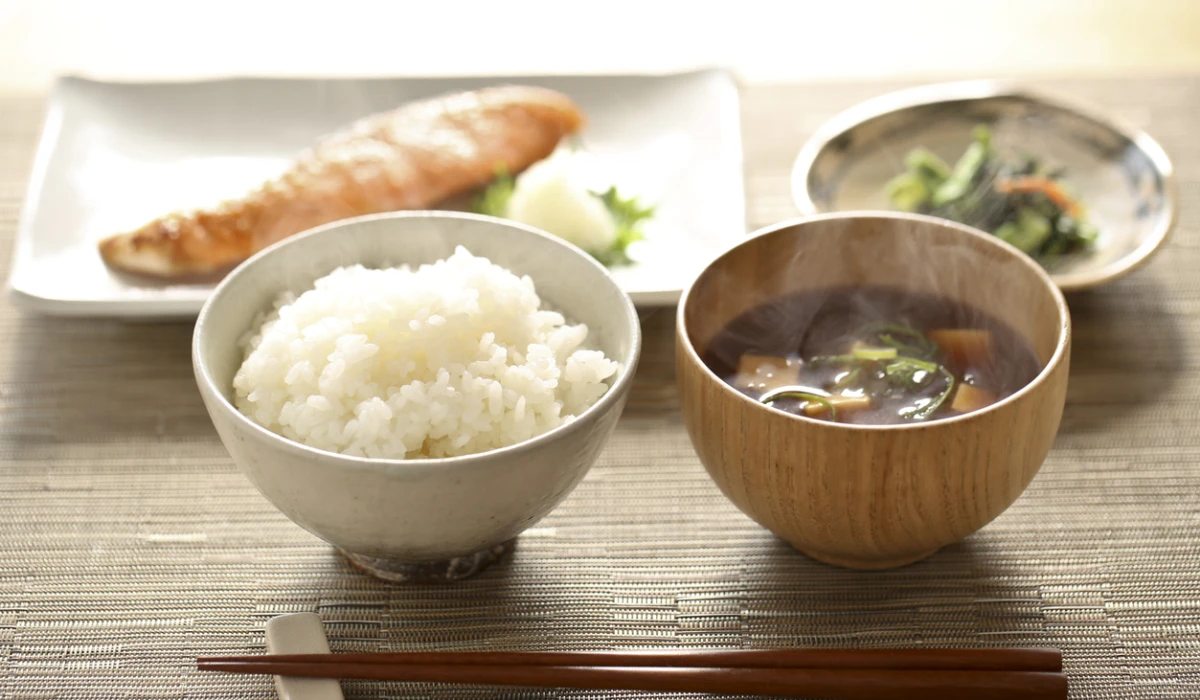
Grilled fish. A bowl of steaming miso soup. Cold rice. Pickled vegetables in small ceramic dishes. Tofu. A soft-boiled egg.
It was 7am and this was a complete, balanced meal. No sugar. No bread. Nothing processed.
In Japan, the traditional breakfast — called ichiju sansai, meaning "one soup, three sides" — is built around balance and nutrition. Every element serves a purpose. The miso soup warms the stomach. The rice provides steady energy. The pickles aid digestion.
I ate slowly that morning. I felt full but not heavy. I didn't need to eat again until 2pm. It completely changed how I thought about the first meal of the day.
Turkey: Breakfast as a Ceremony
Turkey: Breakfast as a Ceremony
In Istanbul, breakfast isn't a meal. It's an event.
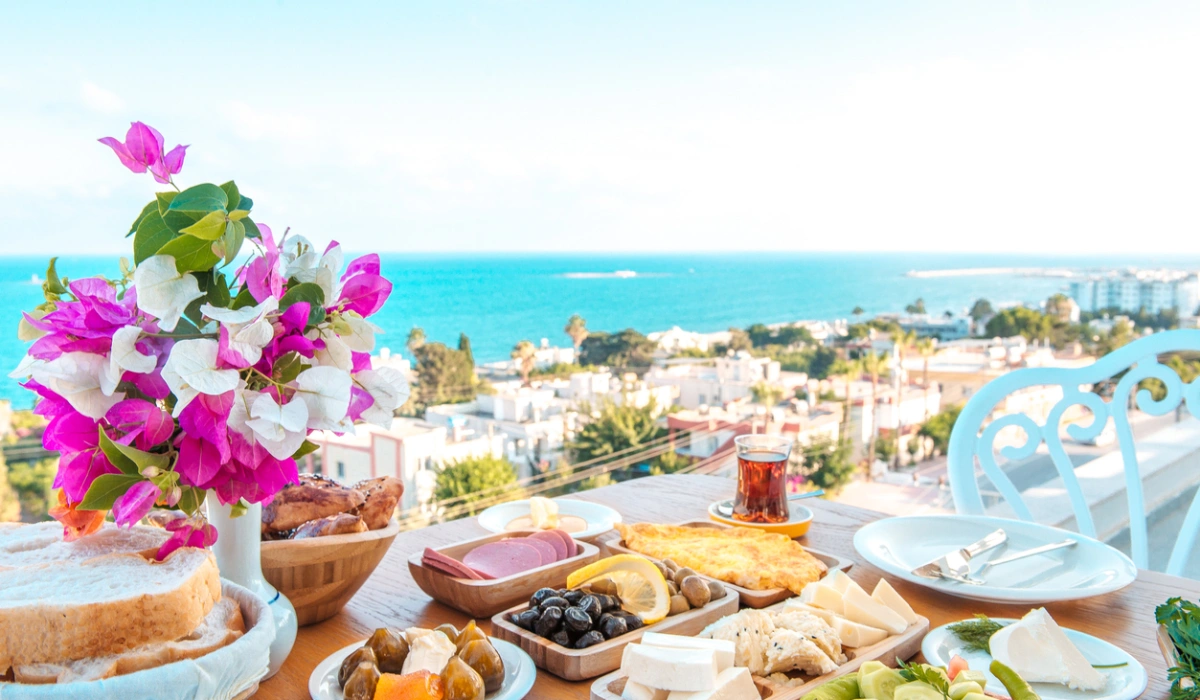
I sat down at a small neighborhood restaurant on my first morning and watched the table fill up piece by piece. Sliced tomatoes. Cucumbers. White cheese. A runny egg cooked in butter. Black and green olives. Honey next to a dish of thick clotted cream. Fresh bread, still warm. A small pot of tea.
Nothing was rushed. The waiter kept refilling the tea without being asked.
The Turkish breakfast — called kahvaltı, which literally translates as "before coffee" — is designed for lingering. Families spend hours at the table on weekends. Conversation is part of the meal.
I had a meeting at 10am that morning. I nearly missed it because I didn't want to leave the table. Turkey taught me that breakfast can be an act of hospitality. A way of saying: sit down, slow down, the day can wait a little longer.
Vietnam: Soup for Breakfast
Vietnam: Soup for Breakfast
Nothing prepares you for your first bowl of pho at 6:30 in the morning.
In Hanoi, I followed a local colleague to a tiny street-side restaurant with plastic stools and no menu. A bowl arrived within minutes. Beef broth, rice noodles, thin slices of meat, fresh herbs, a squeeze of lime, a few chillies.
I hesitated. Soup felt like lunch, or dinner. Not breakfast.
But one sip changed my mind. The broth was rich and clear and deeply savory. It warmed everything from the inside. I understood immediately why the Vietnamese have been eating this for breakfast for generations.
Pho originated in the north of Vietnam in the early 20th century. It was street food for workers — cheap, filling, and fast to eat. The idea of a "breakfast food" is largely a Western invention. In Vietnam, good food is good food, regardless of the hour.
I've thought about that bowl almost every morning since.
The Philippines: Yesterday's Dinner, Gloriously Fried
The Philippines: Yesterday's Dinner, Gloriously Fried
In Manila, I stayed with a local family for a few days. On my first morning, the smell woke me up before my alarm did.
Garlic. Frying rice.
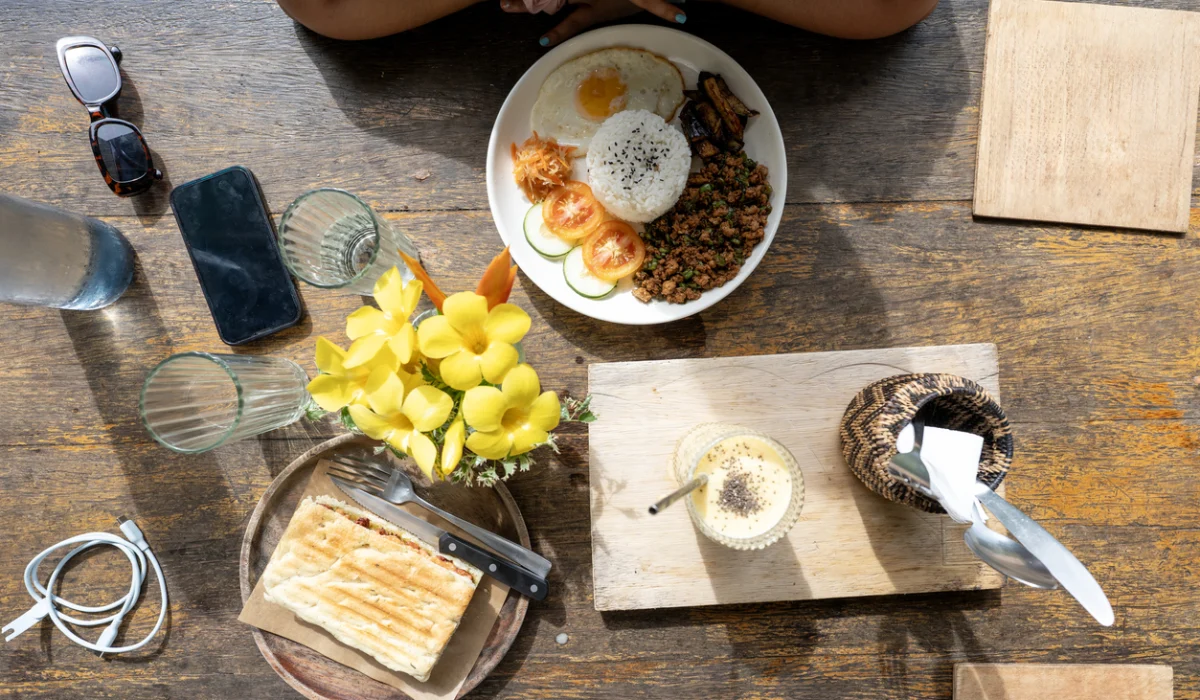
Breakfast in the Philippines often means sinangag — garlic fried rice made from leftover rice from the night before, tossed in a hot pan with plenty of crushed garlic until it's golden and fragrant. Served alongside it: a fried egg, and whatever meat was left from dinner. Sometimes longanisa sausage. Sometimes leftover adobo chicken.
The word for this breakfast combination is silog. There are dozens of variations: tapsilog (cured beef), bangsilog (milkfish), tocilog (sweet cured pork).
Nothing is wasted. Everything is delicious.
My host watched me eat with satisfaction. "You look surprised," she said. I told her it was the best fried rice I'd ever had. She laughed. "It's yesterday's rice. That's the secret.
India: A Thousand Breakfasts in One Country
India: A Thousand Breakfasts in One Country
India defeated every expectation I had — because I quickly realized there is no single Indian breakfast. There are dozens, and they change completely depending on which state you wake up in.
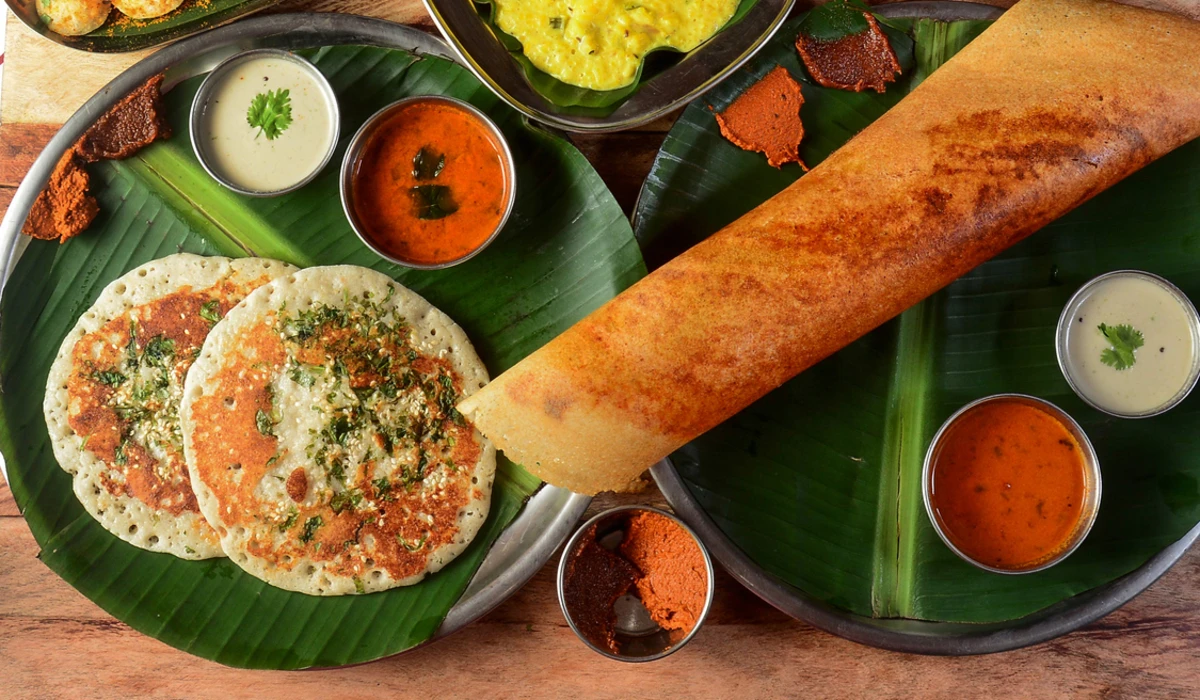
In Chennai, my first morning began with idli — soft, steamed rice cakes served with sambar, a tangy lentil soup, and coconut chutney on the side. The combination was light, warm, and deeply satisfying. I ate it with my fingers, the way everyone around me did, and felt instantly at ease.
In Mumbai the next week, breakfast was entirely different. A street vendor handed me a vada pav — a spiced potato fritter stuffed inside a soft bread roll with chutneys. It cost almost nothing. It tasted extraordinary.
In the north, in Amritsar, a friend took me for amritsari kulcha — a flaky, stuffed flatbread cooked in a clay oven, served with chickpea curry and a knob of butter melting on top.
Three cities. Three completely different breakfasts. Same country.
India teaches you that a nation of 1.4 billion people cannot be summarized by a single dish. Every region has its own morning ritual, its own flavors, its own logic. The only common thread is this: breakfast is taken seriously.
Mexico: Breakfast in Salsa
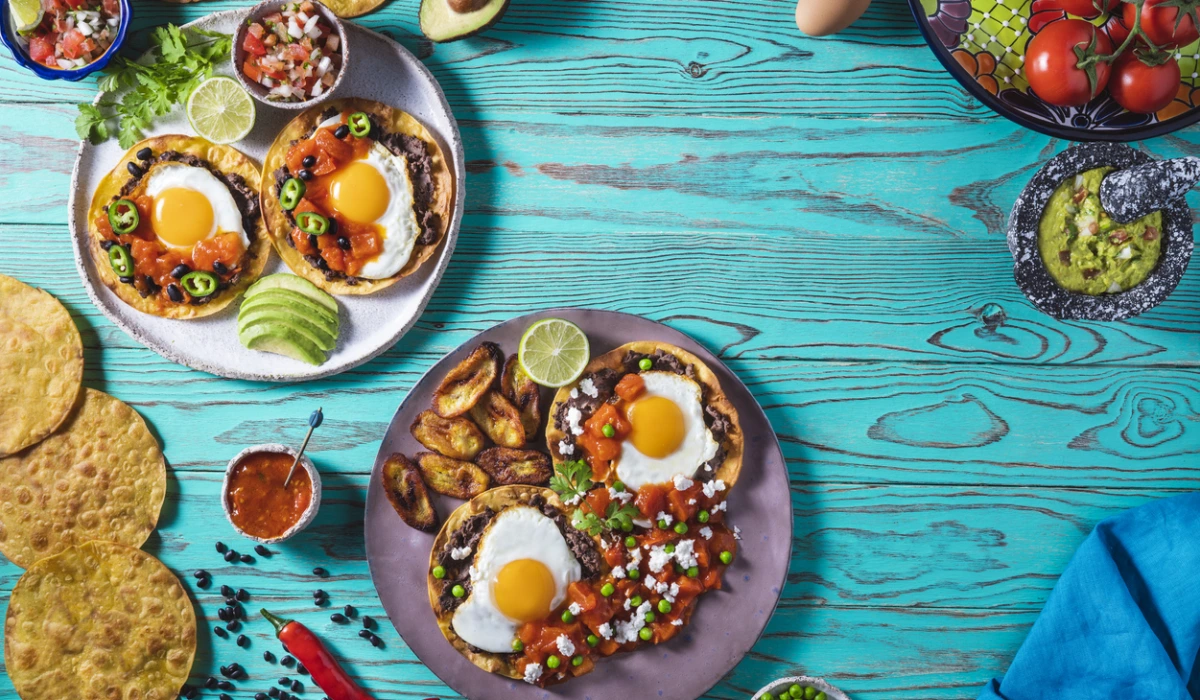
My first morning in Mexico City, my host made chilaquiles.
She fried tortilla strips until they were half-crisp, then poured a ladle of hot salsa verde over them and let everything soften just slightly. On top: a fried egg, crumbled white cheese, a spoonful of crema, and sliced onion.
It was 8am. It tasted like the most satisfying thing I'd ever eaten.
Chilaquiles are the ultimate leftover breakfast — stale tortillas transformed into something magnificent. They exist across Mexico in countless variations: red salsa or green, with chicken or without, topped differently in every region and every household.
My host told me her grandmother made them every Sunday morning without fail. The recipe lived in her hands, not in any book.
Food like this carries memory. Every bite of chilaquiles in Mexico City tasted like it belonged to someone's history. I was just lucky enough to be invited in.
Morocco: Mint Tea and the Art of the Morning Table
Morocco: Mint Tea and the Art of the Morning Table
In Marrakech, breakfast arrived before I was fully awake — and by the time I finished, I didn't want to be anywhere else.
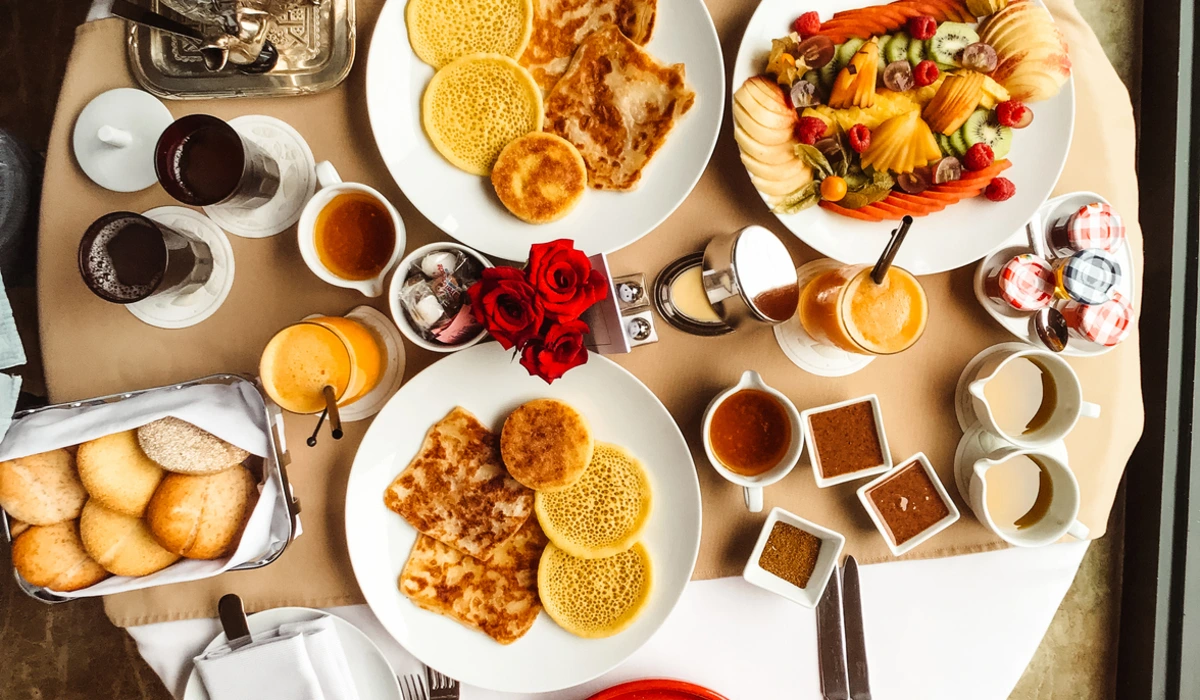
The table at my riad was laid with msemen — a flaky, square-shaped flatbread pan-fried until golden — alongside baghrir, a spongy semolina pancake riddled with tiny holes that soaked up butter and honey like a dream. Fresh bread. Amlou, a rich dipping paste made from argan oil, almonds, and honey. Soft white cheese. A bowl of olives. And then the tea arrived.
Moroccan mint tea is poured from a height — the higher the pour, the better the froth — into small painted glasses. It is sweet, fresh, and warming all at once. Refusing a second glass is practically an insult.
Moroccan breakfast is generous in a way that feels personal. Riad hosts make it feel like they prepared everything just for you, even when they do it every morning. The bread is always fresh. The honey is always local. The tea is always hot.
I sat on the rooftop terrace that morning watching the medina slowly come to life below. Calls to prayer fading. Smoke rising from bread ovens. Cats crossing rooftops.
Some breakfasts feed you. This one held you still for a moment.
Greece: Simple, Slow, and by the Sea
Greece: Simple, Slow, and by the Sea
My first breakfast in Greece was on a small island in the Aegean. I sat outside at a café with a plastic tablecloth and a view of the harbor.
What arrived was modest and perfect. Thick Greek yogurt topped with a generous drizzle of local honey and a handful of walnuts. Fresh bread with butter. A small dish of olives. Strong coffee in a tiny cup.
That was it. And it was exactly right.
Greek breakfast is not about abundance. It is about quality. The yogurt was tangy and dense — nothing like the watery versions sold in supermarkets back home. The honey tasted of thyme and wildflowers. The olives were slightly bitter and deeply savory.
In Athens, I found that many Greeks barely eat in the morning at all — a coffee and maybe a koulouri, a sesame-crusted bread ring sold by street vendors, is enough to get through to a late lunch. The real meal of the Greek day comes in the early afternoon.
But in the islands, in the villages, in the family-run guesthouses, breakfast is laid out with care. Honey from the local beekeeper. Cheese made that week. Eggs from the garden out back.
It reminded me that the best breakfasts in the world are rarely the most complicated ones.
England: The Full English and Its Unshakeable Logic
England: The Full English and Its Unshakeable Logic
I should mention the Full English. Not because it's surprising — most people know it — but because it deserves defending.
Bacon. Fried eggs. Sausages. Baked beans. Grilled tomato. Mushrooms. Black pudding. Toast. Tea.
On paper it sounds excessive. On a cold, grey morning in Manchester or Edinburgh, it makes complete sense. The Full English is caloric armor against the weather. It was built for a country that needed fuel before a long day of physical work.
Eaten properly — at a greasy spoon café, at a table with a paper newspaper, with strong tea in a heavy mug — it is one of the great breakfast experiences in the world.
Never apologize for the Full English. It knows exactly what it is.
Brazil: Cake for Breakfast, and Proud of It
Brazil: Cake for Breakfast, and Proud of It
In São Paulo, my colleague offered me a slice of cake with my coffee at 8am. I assumed it was a birthday.
It wasn't.
In Brazil, bolo — simple, lightly sweet cake — is a completely normal breakfast food. So are pão de queijo (warm, chewy cheese bread), cold cuts, ham, sliced cheese, and fresh fruit juice.
Brazilian breakfast is relaxed and varied. There is no single defining dish. The table has a little of everything, and you graze.
The cake, I came to understand, is not dessert eaten at the wrong time. It is just breakfast. The Brazilians see no reason to be anxious about it.
There is a lesson in there somewhere.
What Breakfast Teaches You
What Breakfast Teaches You
After eating breakfast in a dozen countries, I've come to believe that the morning meal is the most honest thing a culture shows you.
It's the meal before the performance begins. Before anyone is trying to impress. It's what people eat when they're hungry, half-awake, and just being themselves.
Soup in Hanoi. Mint tea and msemen in Marrakech. Fried rice in Manila. Idli and sambar in Chennai.
None of it is strange. All of it makes sense once you understand the place it comes from.
The world is most itself in the morning. You just have to show up hungry.
FAQs
Q1. What country has the healthiest breakfast in the world?
Japan consistently ranks among the healthiest. The traditional Japanese breakfast is low in sugar, high in protein and fermented foods, and built around balance rather than convenience. Greece also deserves mention — yogurt, honey, olives, and fresh bread is a nutritionally strong start with minimal processing. South Indian breakfasts built around idli, sambar, and chutneys are similarly light, fermented, and gut-friendly.
Q2. Which country eats the biggest breakfast?
England's Full English gives every other country a run for its money in sheer volume. But Turkey's traditional breakfast spread — with its many small dishes covering the entire table — takes longer to eat and arguably involves more variety. In the Philippines, a full silog plate with rice, meat, and eggs is surprisingly filling for what looks like a modest meal.
Q3. Do some cultures skip breakfast entirely?
Yes. In some parts of southern Europe, particularly Spain and parts of Italy, a light coffee and a small pastry is considered a perfectly adequate morning routine. Many people eat their first real meal at lunch. Intermittent fasting has also brought intentional breakfast-skipping into mainstream culture globally. The idea that breakfast is the most important meal of the day is, in many ways, a 20th-century marketing invention.
Q4. What is the most common breakfast eaten worldwide?
Rice-based breakfasts are arguably the most common globally when you factor in East Asia, Southeast Asia, and parts of Africa and the Middle East together. More people on earth wake up to some form of rice in the morning than to bread or cereal — which surprises most Western travelers.
Q5. What is the strangest breakfast food in the world?
"Strange" is always relative to where you grew up. But some that consistently surprise Western travelers include: century eggs in China (preserved eggs with a dark, gelatinous texture), natto in Japan (fermented soybeans with a powerful smell and sticky texture), and surströmming-based breakfasts in parts of Sweden (fermented herring with a famously intense odor). All of them taste better than they sound — or at least, that's what the locals will tell you.

Join the discussion