



-
Quick Overview: The Vibe Difference
-
Ease of Travel (First-Timer Friendliness)
-
Cost Comparison: Where Does Your Money Go Further?
-
Safety & Comfort Level
-
Culture & Local Experience
-
Nature & Scenery
-
Cities: Chaos Comes in Different Flavors
-
Food Experience
-
Itinerary Examples
-
Pros & Cons Summary
-
So… Which Should You Visit First?
-
FAQs
You've finally decided: Southeast Asia is happening. The temples, the street food, the insane value for money, you've seen enough Instagram reels and YouTube vlogs to know this part of the world is going to blow your mind. Now comes the first real question: do you start with Thailand or Vietnam?
These two countries top almost every "best first Southeast Asia trip" list, and for good reason. They're both accessible, relatively affordable, and packed with enough variety to fill several trips. But they are not the same experience. Not even close.
I'll walk you through both, cost, ease, food, culture, safety, cities, nature, and give you a straight answer at the end based on your travel personality.
Quick Overview: The Vibe Difference
Thailand: The Polished Classic
A well-oiled tourism machine built for first-time travelers. Think stunning beaches, iconic temples, vibrant nightlife, and strong English availability. Everything feels smooth, accessible, and traveler-friendly, the result of decades of experience hosting tourists.
Vietnam: The Raw Immersion
Dramatic landscapes, deep cultural identity, and a beautifully chaotic rhythm that somehow works. It requires more effort and adaptability, but rewards you with depth, authenticity, and a stronger sense of discovery.
The Simple Way to Think About It
Thailand is the friend who picks you up from the airport, has your hotel already sorted, and knows all the best spots in advance. Vietnam is the trip where you figure things out as you go, a little messy, sometimes challenging, but filled with stories you’ll never forget.
Ease of Travel (First-Timer Friendliness)
Visas & Entry
Both countries have made things easier in recent years, but Thailand still wins on simplicity. Most nationalities get a 60-day visa exemption stamped right at the airport, no forms, no waiting, no stress. Vietnam now offers 45-day visa-free entry for many countries, with e-visas available online for those who need them.
Getting Around
This is where it gets interesting. Thailand has a genuinely good infrastructure: BTS Skytrain in Bangkok, overnight sleeper trains between cities, reliable minivans, and domestic flights that cost almost nothing if booked ahead. Vietnam's transportation is more of a patchwork, buses, motorbike taxis, the legendary "Open Bus" tourist route, and distances are long. The country stretches over 1,600 kilometers north to south, which means getting from Hanoi to Ho Chi Minh City is a commitment.
Language & Tourist Infrastructure
- English menus, English signs, English-speaking tuk-tuk drivers, Thailand has it
- Vietnam's English penetration is more concentrated in tourist hubs (Hanoi Old Quarter, Hội An, Da Nang)
- Google Maps works brilliantly in both countries
- Grab (Southeast Asia's Uber) is available in both, absolute lifesaver
- Thailand's tourist infrastructure has simply had more decades to mature
Cost Comparison: Where Does Your Money Go Further?
Both Thailand and Vietnam are very affordable compared to Western destinations. In most cases, Vietnam comes out slightly cheaper, especially for daily living costs, but the difference isn’t dramatic.
Daily Budget Estimates
Thailand
- Budget traveler: $30–60/day (hostels, street food, local transport, a few paid activities)
- Mid-range traveler: $80–130/day (private hotels, restaurants, tours)
Vietnam
- Budget traveler: $25–45/day (hostels or budget hotels, street food, local transport)
- Mid-range traveler: $60–100/day (comfortable hotels, dining out, guided tours)
Where You’ll Notice the Difference
- Food: Street food is cheap in both countries, but Vietnam is slightly more affordable overall. A bowl of pho in Hanoi can be around $1.50–$2, while pad Thai or similar dishes in Thailand usually range from $2–$4.
- Accommodation: Thailand can get more expensive in popular island destinations like Phuket or Koh Samui, especially in high season. Vietnam generally offers slightly better value for similar hotel standards in places like Da Nang or Hội An.
- Activities: Tours, cooking classes, and day trips are fairly similar in price across both countries, usually ranging from $20–$60 depending on the experience.
Travel tip: Vietnam gives slightly more value, especially for budget travelers. But the difference isn't dramatic enough to make it the sole deciding factor. Go for experience, not just savings.
Safety & Comfort Level
Let's be real: both countries are genuinely safe for tourists. Violent crime against visitors is rare in both. The concerns are more about petty theft, scams, and motorbike bag snatching in busy areas.
Common Scams to Know
-
Thailand: Tuk-tuk drivers offering "cheap tours" that end at gem or tailor shops (classic Bangkok scam); overpriced taxis at the airport; "temple is closed today" hustles near major attractions
-
Vietnam: Xe om (motorbike taxi) overcharging; fake travel agencies selling duplicate tickets; aggressive vendors near tourist sites; shoe shiners who shine your shoes without asking then demand payment
-
Both countries: Always negotiate or confirm prices before getting in any vehicle or agreeing to a service
-
Use Grab for transport in cities whenever possible, fixed prices, no negotiation needed
Culture & Local Experience
Thailand: Land of Smiles (For Real, Though)
Thailand's nickname isn't just tourism marketing, locals genuinely are warm, patient with tourists, and accustomed to showing people a good time. Buddhist culture is visible everywhere: golden temples, saffron-robed monks collecting alms at dawn, flower garlands at spirit houses. It's beautiful, and it's accessible. You can visit Wat Pho, learn about Buddhist practices, and feel like you've genuinely engaged with Thai culture without having to dig hard.
Vietnam: Layers Upon Layers
Vietnam's cultural experience is different. There's the weight of history, war museums that will shake you, French colonial architecture that tells a story of occupation and resilience, a people who've been through extraordinary circumstances and come out fiercely proud of their identity. Interacting with locals here often feels more unfiltered. You're not always in a tourism-smoothed bubble. That's challenging sometimes, and deeply rewarding.
Nature & Scenery
This one's genuinely hard to call because both countries are jaw-dropping in completely different ways.
-
Thailand: Turquoise Andaman Sea, limestone karsts, white-sand beaches at Koh Lanta, jungle trekking in Chiang Mai, elephant sanctuaries, Erawan waterfalls, its lush and coastal-gorgeous
-
Vietnam: Ha Long Bay's otherworldly seascape, Sapa's rice terraces carved into mountains, the Mekong Delta, marble mountains near Da Nang, Phong Nha's cave systems, more topographically dramatic and varied
-
Thailand's nature is more accessible and easier to enjoy on a short trip
-
Vietnam's nature rewards those willing to go slightly off-beaten-path
-
Vietnam has more dramatic landscape diversity. Thailand has more postcard-perfect beach moments. Pick what you prefer the most.
Cities: Chaos Comes in Different Flavors
Bangkok is one of the world's great cities, enormous, overwhelming, absurdly fun. Sky-high malls next to floating markets. Chiang Mai is Bangkok's cooler, calmer northern cousin, temples, night markets, mountains on the doorstep, a great base for trekking.
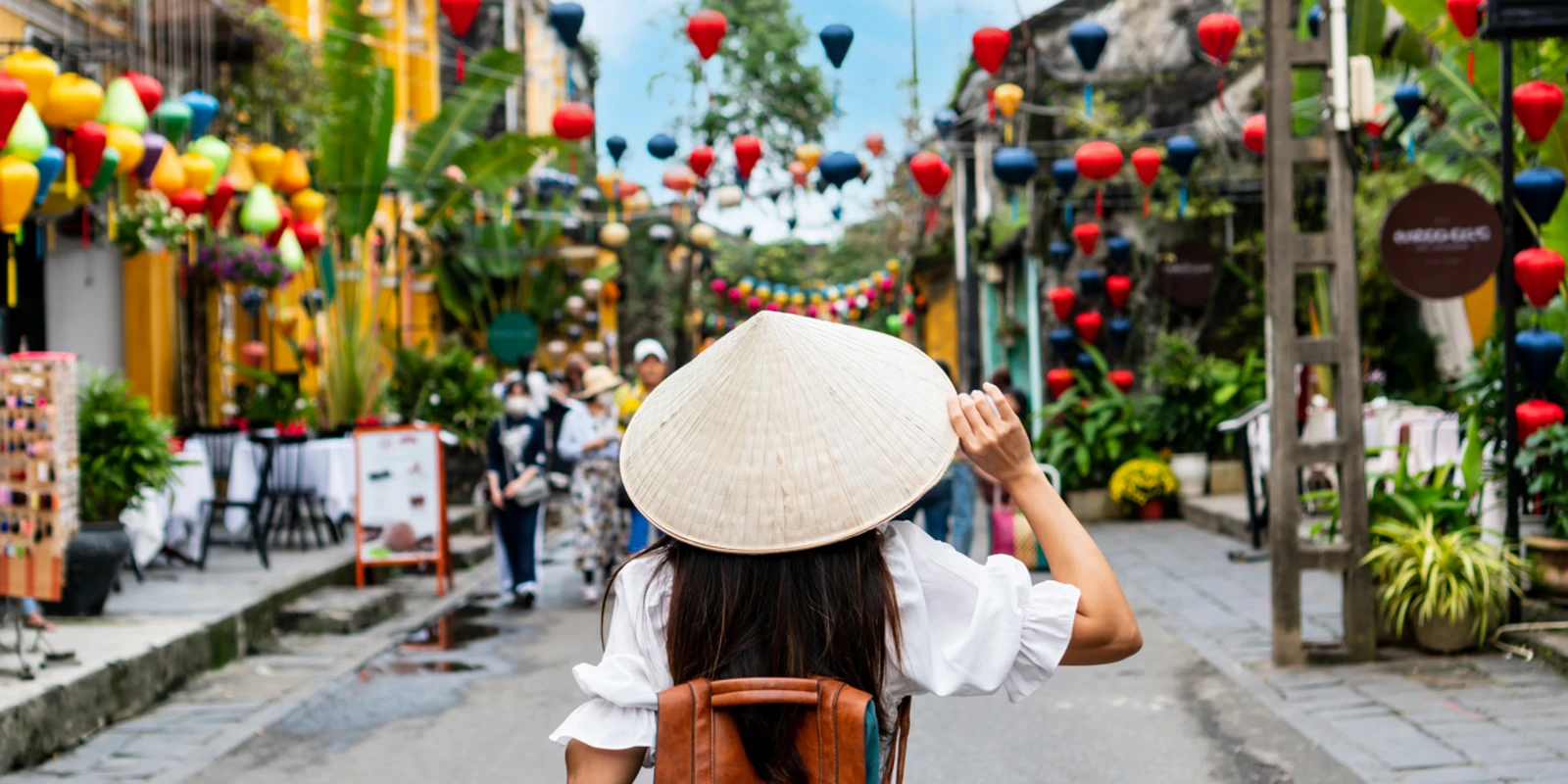
Hanoi is history and soul packed into narrow Old Quarter streets, with a French-inflected café culture and a pace that feels more manageable than you'd expect. Ho Chi Minh City (Saigon) is pure kinetic energy, motorbike symphonies, neon lights, a city moving at full speed 24/7. It's one of the most electric cities in Asia. Hoi An is the romantic wildcard: lantern-lit streets, tailor shops, great food, best cycling town in the region.
Food Experience
You cannot lose on food in either country. But they're stylistically very different cuisines.
Thai food for beginners
Pad Thai, green curry, mango sticky rice, tom yum, familiar flavors that most Westerners have already encountered. Spicy but manageable if you specify "mai pet" (not spicy)
Bangkok’s street food scene is considered one of the best in the world, offering incredible variety, energy, and consistency.
Vietnamese food for beginners
Pho, banh mi, fresh spring rolls, bun bo Hue, and com tam are everyday staples. The cuisine is lighter, fresher, and heavily focused on herbs, making it very easy on the palate for first-time visitors.
Vietnam stands out for its regional diversity, Hanoi, Hoi An, and Ho Chi Minh City each have completely different flavors and signature dishes, making it especially exciting for food lovers.
Dietary options
Both countries are very vegetarian- and vegan-friendly, especially in tourist areas and near temples.
Final takeaway
Vietnam wins on culinary discovery and variety, every region introduces something new and unexpected. Thailand, on the other hand, wins on comfort, familiarity, and consistently satisfying flavors.
Itinerary Examples
Thailand: Classic 10-Day Beginner Route
-
Bangkok (3 nights): City immersion, temples, street food, nightlife
-
Chiang Mai (3 nights): Culture, temples, nature, relaxed northern vibe
-
Phuket / Krabi (4 nights): Beaches, islands, relaxation, island hopping
Why it works: This route is easy, well-connected, and beginner-friendly. Short flights between destinations make travel simple. It offers a balanced mix of city life, culture, and beaches — almost like experiencing three different trips in one.
Vietnam: Essential 12–14 Day Beginner Route
-
Hanoi (2 nights): Culture, old quarter, street life
-
Ha Long Bay (2 nights): Scenic cruise, limestone landscapes
-
Da Nang / Hoi An (3–4 nights): Beaches, lantern town, relaxed atmosphere
-
Ho Chi Minh City (3 nights): Modern energy, history, nightlife
Why it works: Vietnam requires more travel time due to longer distances between regions. While flights are available, overland travel offers more scenic experiences but takes longer. A minimum of 12 days is recommended, with 14 days ideal for a comfortable pace and deeper experience.
Pros & Cons Summary
1.Thailand
|
Pros |
Cons |
|
Easiest entry point to SE Asia |
Very touristy in peak spots |
|
Incredible beach scenes |
Beach areas can be pricey |
|
English spoken widely |
Can feel less "authentic" |
|
Efficient internal transport |
Heavily visited; crowds at top sights |
|
World-famous food culture |
2.Vietnam
|
Pros |
Cons |
|
Spectacular landscape variety |
Long distances, time-consuming travel |
|
Slightly cheaper overall |
More aggressive vendors in some areas |
|
Rich, layered cultural depth |
English less consistent outside hubs |
|
Incredible food journey |
Traffic in cities is overwhelming |
|
Less "packaged" feeling |
Needs more days to do it justice |
So… Which Should You Visit First?
Choose Thailand if:
You want the smoothest possible introduction to Southeast Asia.
- First-time visitor to the region
- Shorter trip (under 12 days)
- You want beaches + culture without stress
- You prefer relaxing as much as exploring
Thailand is the easiest entry point. Everything is well-connected, beginner-friendly, and designed for travelers. You can simply arrive and enjoy it without figuring too much out along the way.
Choose Vietnam if:
You want depth, energy, and discovery.
- You’ve traveled before
- You’re comfortable navigating new environments
- You have 12–14+ days
- You’re more interested in culture, history, and variety than just beaches
Vietnam rewards curiosity. It’s more intense, more layered, and more unpredictable, but it leaves a stronger sense of discovery and story.
Start with Thailand if you want ease, comfort, and a soft landing into Southeast Asia. Start with Vietnam if you want challenge, depth, and a more immersive experience.
And honestly? The best version is both. Thailand or Vietnam, you won’t regret either. You’ll just wish you had more time.
FAQs
Q1. Should I visit Thailand or Vietnam first as a beginner traveler?
You should start with Thailand if you want an easier, more relaxed introduction to Southeast Asia. It’s more developed for tourism, simpler to navigate, and less overwhelming for first-time visitors.
Q2. Is Thailand easier to travel to than Vietnam?
Yes, Thailand is generally easier to travel in. You’ll find better English support, simpler transport, and more organized tourist infrastructure, especially in major destinations like Bangkok and Chiang Mai.
Q3. Is Vietnam or Thailand cheaper to travel to?
Vietnam is usually slightly cheaper than Thailand for daily expenses like food and accommodation. However, both countries are very budget-friendly compared to most destinations worldwide.
Q4. Is Vietnam more authentic than Thailand?
You may find Vietnam feels more raw and immersive, with fewer “tourist-designed” experiences. Thailand, on the other hand, feels more polished and easier to access as a traveler.
Q5. Which country has better beaches: Thailand or Vietnam?
You’ll find better and more developed beach destinations in Thailand. Vietnam has beaches too, but Thailand offers more variety and island-hopping experiences.
Q6. Is Thailand too touristy compared to Vietnam?
You might find Thailand more tourist-heavy, especially in places like Phuket or Bangkok. Vietnam feels less commercial in many regions, though it is rapidly growing in tourism.
Q7. Which country has better food for beginners: Thailand or Vietnam?
You’ll find Thai food more familiar and easier for beginners due to its balance of sweet, salty, and mild spice options. Vietnamese food is lighter and fresher, with strong regional variety.
Q8. Which country gives a better first-time Southeast Asia experience?
You’ll get a smoother first-time experience in Thailand, but a more adventurous and eye-opening experience in Vietnam. Your choice depends on whether you prefer comfort or discovery.

Join the discussion