



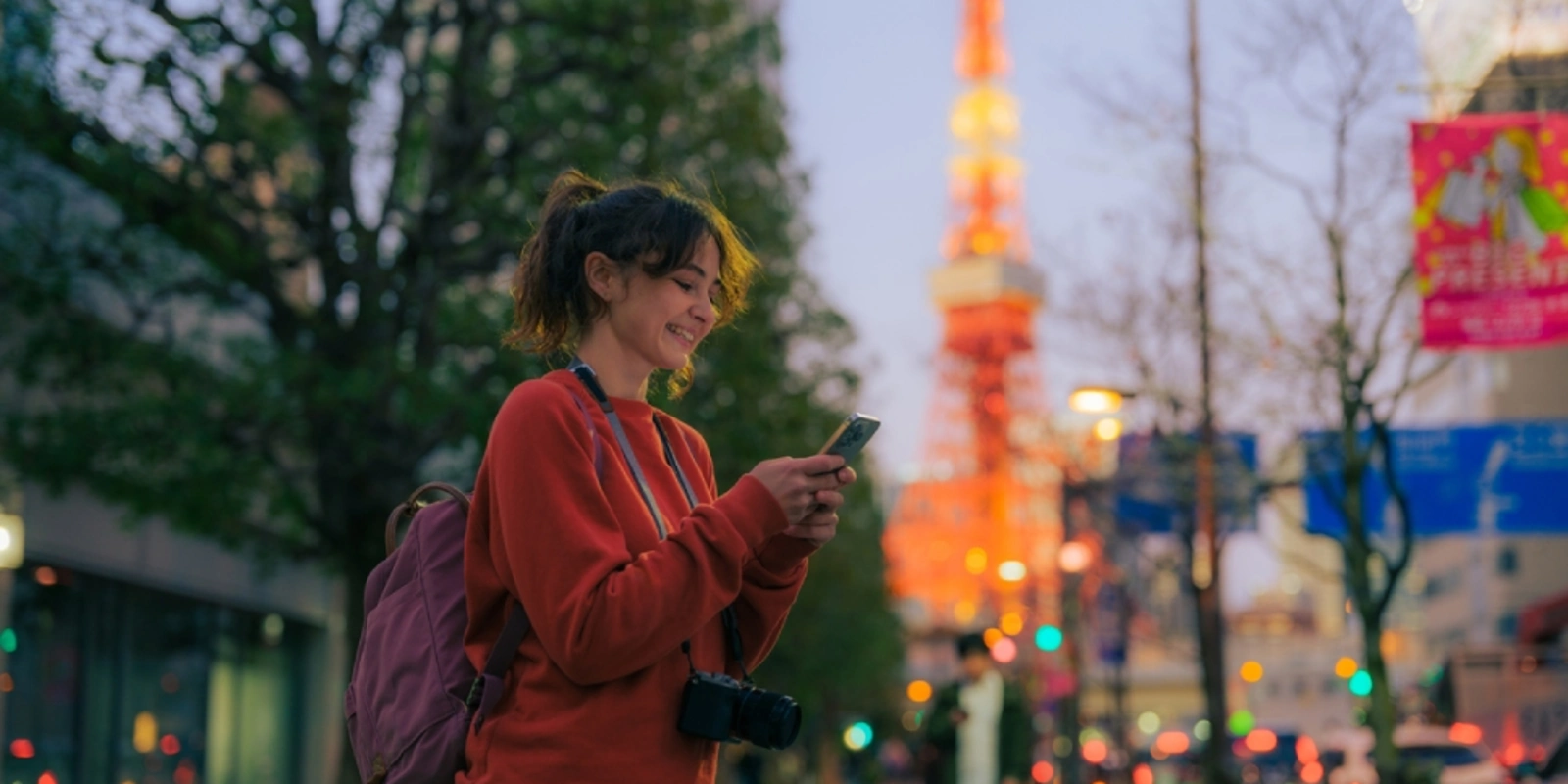
The first time I visited Tokyo, I did everything wrong.
I queued 45 minutes for a bowl of ramen that had a neon sign and an English menu outside. I took a photo at Shibuya Crossing, posted it, and thought I'd "done" Tokyo. I visited Senso-ji at 11am with approximately 4,000 other tourists and a selfie stick.
Then one evening, a local friend looked at my itinerary,and said, “You’ve seen tourist Tokyo, not real Tokyo.”
That changed everything. This is that itinerary. Two days in Tokyo, built from the ground up by people who actually live there. No Harajuku takoyaki stalls. No teamLab tickets. No robot restaurant. Just Tokyo that locals quietly enjoy while tourists are busy elsewhere.
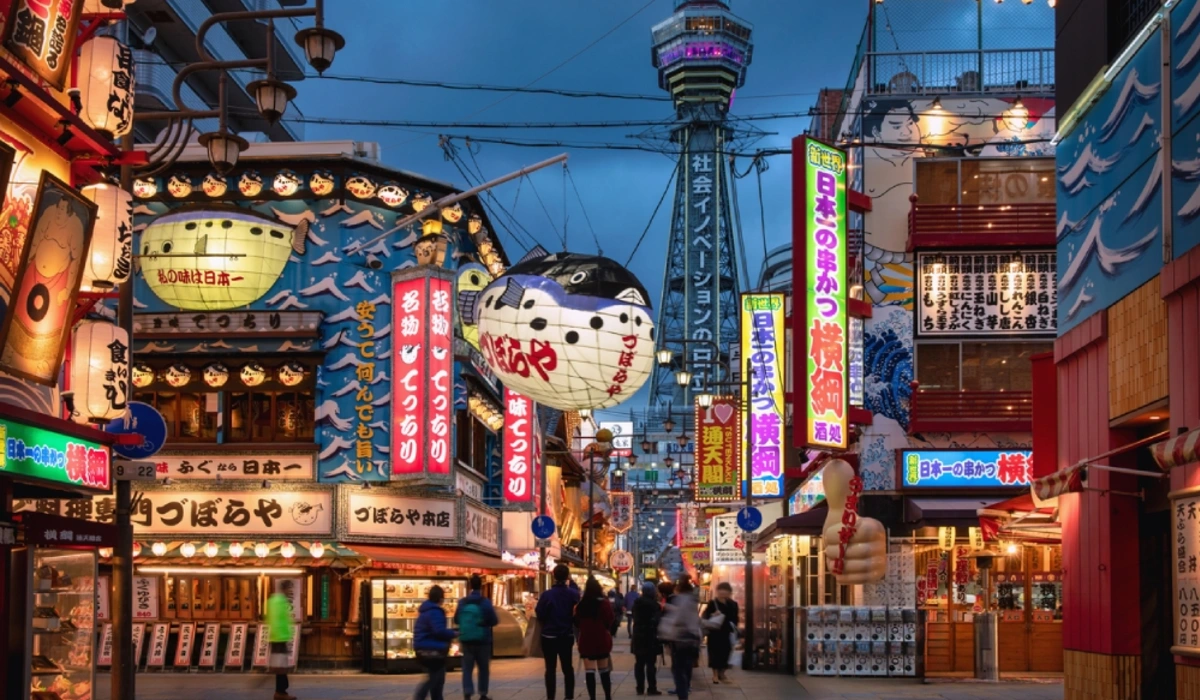
Why 48 Hours in Tokyo Is Actually Enough (If You Do It Right)
Most travel blogs will tell you Tokyo needs a week. They're wrong, or at least, they're padding their word count.
48 hours in Tokyo, used intelligently, can give you a more complete picture of the city than seven days of hitting the same tourist circuit. The secret is neighbourhood specificity. Tokyo isn't one city, it's about 50 villages that grew into each other. Pick the right two or three, and the city opens up completely.
Here's the framework:
- Day 1 → Old Tokyo (east side): slow mornings, shitamachi culture, real food
- Day 2 → New Tokyo (west side): subcultures, kissaten culture, local nightlife
Day 1: East Tokyo - The City That Time Forgot
Yanaka is everything people think Senso-ji is going to be, before the tour buses arrive. It's one of the only Tokyo neighbourhoods that survived both the 1923 earthquake and WWII bombing, which means it looks like it was frozen sometime around 1955, in the best possible way.
Get there before 9am. Here's what you'll find:
Yanaka Ginza: a shotengai (covered shopping street) waking up slowly, shopkeepers sweeping their storefronts, cats sitting in windows
Yanesen area: narrow lanes, old wooden temples, cemetery walks that feel meditative rather than morbid
Kayaba Coffee: a kissaten (old-school Japanese coffee shop) that's been open since 1938. Order the morning set: thick toast, a boiled egg, coffee. Don't rush.
What you won’t find here: giant crowds, loud souvenir shops, or people trying to sell you “hidden gems.”
- Local tip: Yanaka Cemetery at 7am on a weekday is one of the calmest places in Tokyo. Almost no tourists. Just silence, trees, and the occasional cat wandering through the paths.
Late Morning: Koenji - Tokyo’s Creative Chaos
Take the Chuo Line west to Koenji.
This is where Tokyo’s creative and alternative side lives. Koenji is vintage stores, underground music venues, secondhand bookstores, tiny bars, and people dressing entirely for themselves instead of trends.
It feels refreshingly unconcerned with being polished.
What to do:
1- Vintage shopping along Look Street, dozens of secondhand stores selling everything from old Levi’s to vintage kimono
2- Browse tiny independent shops like Hako no Mise, known for handmade wooden objects and crafts
3- Walk 10 minutes toward nearby Nishi-Ogikubo for antique furniture shops and quieter streets locals actually shop in
4- Don’t miss the covered shopping arcade north of Koenji Station. It’s slightly chaotic, completely unglamorous, and perfect because of it.
5- Pick up snacks from the local supermarket and wander aimlessly for a while. That’s basically the Koenji experience.
Lunch: Eat Somewhere Small
One of the easiest ways to eat well in Tokyo is to stop overthinking it.
In Koenji, look for small teishoku restaurants tucked into side streets north of the station. Handwritten signs, noren curtains, office workers eating lunch quietly inside, that’s usually a good sign.
A standard teishoku lunch usually includes:
- grilled fish or pork
- rice
- miso soup
- pickles
And somehow ends up being one of the best meals of your trip for around ¥850–¥1,200.
Afternoon: Shimokitazawa - The Neighbourhood That Resisted
Jump on the Keio Inokashira Line to Shimokitazawa, or “Shimokita” if you want to sound like you know what you’re doing.
Locals fought redevelopment plans here for years, and somehow the neighborhood still manages to feel independent despite becoming more popular recently.
Shimokita is cafés, bookstores, tiny theaters, live music venues, and vintage shops layered across narrow streets that still feel more local than commercial.
What to do:
1- Browse Flamingo or New York Joe Exchange for genuinely good vintage finds
2- Walk into a basement live music venue and check the evening lineup
3- Find a café with handwritten menus and stay there longer than planned
- What locals actually do here: spend entire afternoons sitting outside cafés with coffee, talking, reading, and doing absolutely nothing productive.
Honestly, it’s a great way to experience Tokyo.
Dinner: Izakaya Rules
For your first night, find a small izakaya, the kind with wooden walls, smoke drifting into the street, and salarymen already halfway through their first beer.
Not because it’s “authentic,” but because these places are where Tokyo actually relaxes.
Order this:
- Edamame and cold Sapporo to start
- Yakitori (skewers), especially negima (chicken and spring onion) and tsukune (minced chicken)
- Dashimaki tamago (rolled egg omelette)
- One karaage (fried chicken) plate to share
Budget around ¥3,000–¥4,500 per person including drinks.
And don’t over-plan the evening afterward. Some of the best Tokyo nights happen when you stop trying to optimize the city.
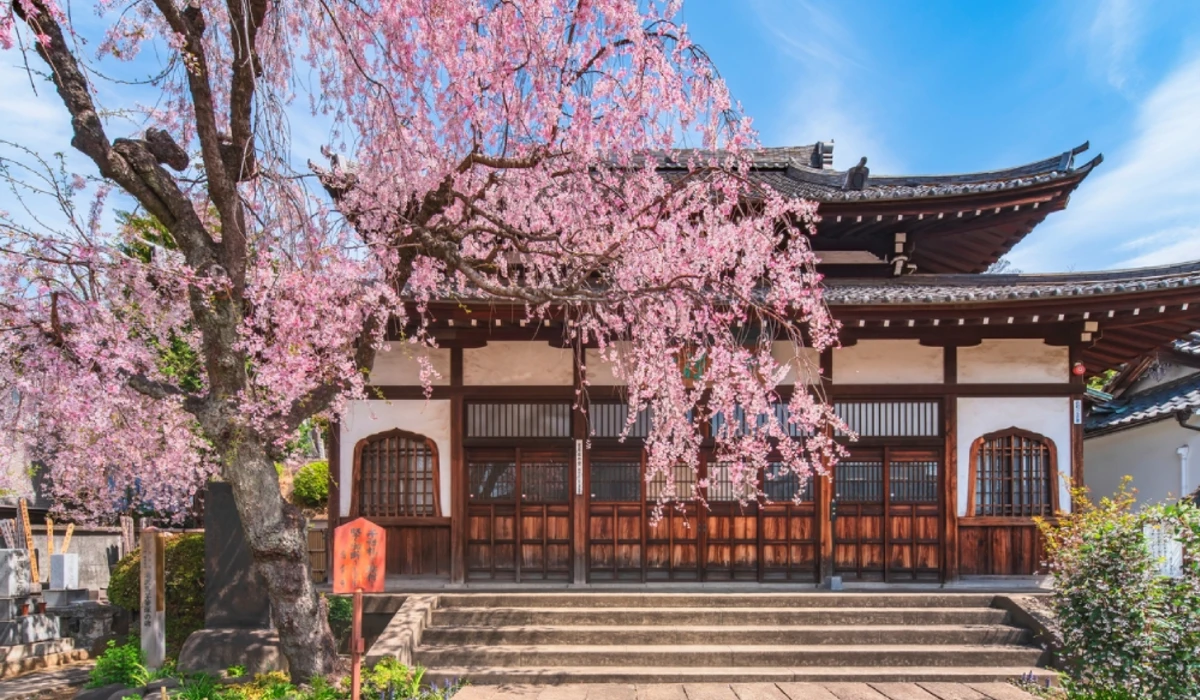
Day 2: West Tokyo - Where the City Gets Interesting
One of the best things you can do with 48 hours in Tokyo is slow down for a morning and do something older Tokyo residents have been doing for decades: spend a few hours in Kissaten.
Kissaten are traditional Japanese coffee shops, not minimalist specialty cafés with playlists and laptop crowds. These places are quieter, older, a little faded around the edges, and infinitely more atmospheric. Think jazz playing softly in the
background, coffee served in proper porcelain cups, dark wooden interiors, and regular customers who’ve probably been coming for years.
Three worth finding:
Café de l'Ambre in Ginza, open since 1948 and famous for aged coffee beans. Sit at the counter and order the “old coffee.” It’s the kind of place that completely resets your standards for coffee shops
Coffee House Heckeln tucked into the backstreets near Shibuya
Or honestly, any random kissaten you stumble into. The best ones usually aren’t planned. Look for hand-painted signs, old noren curtains, and interiors that feel untouched since the 1970s
The kissaten rule: no rushing. Sit longer than you normally would.
Mid-Morning: Nakameguro Without Cherry Blossom Crowds
Most people know Nakameguro from cherry blossom photos. During sakura season it’s beautiful, but also packed shoulder-to-shoulder.
On a random weekday outside spring, though, it feels like a completely different neighborhood.
The canal is quieter, the cafés actually have open seats, and the whole area slows down a little. Walk north along the water toward Daikanyama, one of the nicest slow walks in Tokyo.
In Daikanyama:
Tsutaya Books, yes, it’s famous now, but it’s still genuinely worth visiting for the architecture and curation alone
Log Road Daikanyama, an open-air shopping and café strip that barely feels like Tokyo
Small rotating galleries and independent boutiques tucked into side streets
This part of the city feels calmer, more residential, and much less interested in impressing anyone.
Lunch: Depachika Lunch Is Underrated
You need to eat a depachika at least once.
A depachika is the basement food hall of a Japanese department store, and somehow it turns grocery shopping into an art form. Perfectly packed sushi, grilled skewers, seasonal desserts, bento boxes lined up with impossible precision, it’s one of the best food experiences in Tokyo and barely anyone talks about it outside Japan.
Go to:
- Isetan Shinjuku
- Mitsukoshi Ginza
- Walk the entire floor before choosing anything.
Then:
- Buy a couple of prepared dishes from different counters
- Add rice and a drink
- Find a nearby bench or park and make your own lunch set
You’ll spend around ¥1,200–¥1,800 and eat absurdly well.
Afternoon: Shinjuku Without Rushing Through It
Most visitors experience Shinjuku at full speed, giant screens, crowds, neon, then straight back onto the train.
But the area gets much more interesting once you slow down and stay awhile.
Start with Golden Gai in the late afternoon before it gets busy. The area is made up of tiny bars packed into narrow alleyways, many seating fewer than ten people. Some are local, some more international now, but the atmosphere is still unlike anywhere else in the city.
Pick a place with a handwritten menu, sit at the counter, and stay for one drink longer than planned.
Then head to Omoide Yokocho, smoky yakitori stalls, cramped seating, and low lights.
Order:
Chicken skin skewers
Whatever the person next to you is having
And if you want edible souvenirs before leaving Japan, the basement food hall at Takashimaya Times Square is excellent.
Evening: A More Everyday Tokyo Night
Forget rooftop cocktail bars for one night.
Instead:
1- Stop at a convenience store around 10pm for onigiri, canned chu-hi, or something random you’ve never seen before
2- Visit a neighborhood sentō, a simple local bathhouse, not a luxury spa. Entry is usually around ¥500, and spending 30 quiet minutes soaking in hot water after a full Tokyo day feels incredible
3- Finish with late-night ramen at a small counter shop nearby
Order chashu ramen, add the soft-boiled egg, eat quietly, and head back to your hotel.
That’s a pretty good Tokyo night.
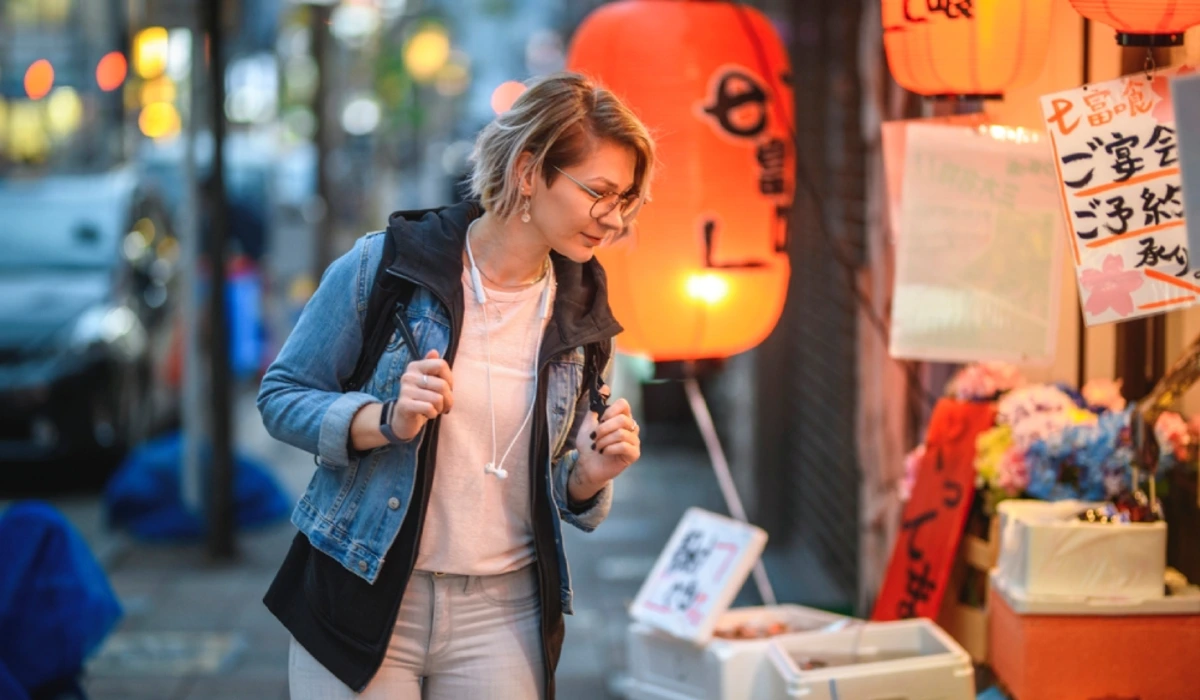
Practical Notes (The Stuff Locals Would Tell You)
- Get a Suica card at the airport. Tap in, tap out. Done
- Walk more than you think you should. The best Tokyo moments happen between destinations
- Avoid taxis unless it's raining or past midnight
Money:
- Carry cash. More than you think. Many of the best places are cash-only
- 7-Eleven ATMs accept foreign cards reliably
Language:
- Google Translate's camera function handles menus instantly
- Pointing is perfectly acceptable and not rude
- Learning some Japanese words will take you further than you'd expect
What not to do:
- Don't tip, it causes confusion and mild offense
- Don't eat while walking (except at festivals)
- Don't talk loudly on trains
The Honest Summary
Two days in Tokyo — 48 hours in Tokyo — is enough to understand why people move their entire lives here. It's not the efficiency or the food or the safety, though all of those are real. It's the feeling that the city is serious about the small things: the coffee, the bowl of noodles, the 70-year-old jazz playing in a room the size of a wardrobe. The tourist version of Tokyo is fine. The local version is something else entirely.
FAQs
Yes, if you plan by neighbourhood rather than landmark. Two focused days covering 2–3 areas gives you a more authentic Tokyo experience than a week of hitting the standard tourist circuit.
Q2: What is the best area to stay for 2 days in Tokyo?
Shinjuku or Shibuya for transport convenience, but consider Shimokitazawa or Nakameguro if you want a more local feel from the moment you step outside your hotel.
Q3: How much money do I need for 48 hours in Tokyo?
Budget around ¥15,000–¥25,000 (~$100–$165 USD) for two days covering food, transport, and light shopping, excluding accommodation. Tokyo is significantly cheaper than most people expect.
Q4: What should I eat in Tokyo in 2 days?
Prioritize a kissaten breakfast, a teishoku lunch set, izakaya dinner on night one, depachika lunch and Omoide Yokocho on night two. Finish with late-night ramen. Skip anywhere with an English menu outside.
Q5: Is Tokyo easy to navigate without speaking Japanese?
Very. A Suica card handles all transport, Google Translate's camera reads menus instantly, and most train stations have English signage. Knowing sumimasen (excuse me) and arigatou gozaimasu (thank you) covers 90% of interactions.
Q6: What are the most underrated neighbourhoods in Tokyo?
Yanaka, Koenji, and Shimokitazawa are the three locals consistently recommended. They're off the standard tourist map, easy to reach by train, and give you a completely different side of the city.
Q7: What is a kissaten and should I visit one?
A kissaten is a traditional Japanese coffee shop — dim lighting, jazz, proper cups, no wifi culture. They've been a Tokyo institution since the 1950s. Yes, absolutely visit one.
Join the discussion