



Here is a fact to start with, because it reframes everything that follows.
Muslim rule in Spain lasted nearly eight centuries , from 711 to 1492. That is longer than the entire stretch of time between Columbus sailing in 1492 and today. In other words, the Moors were in Spain longer than "modern history" has even existed since.
We tend to file this era away as a footnote. It was not a footnote. It was most of the story. And you can read the whole of it in two cities: Cordoba, where it rose, and Granada, where it fell.
Let's decode Moorish Spain ,clearly, and without the myths.
So who were the Moors, exactly?
"Moor" is a loose, old European label rather than a single people. Think of it less like one nation and more like an umbrella term:
-
Arabs from the expanding Umayyad Caliphate, who brought the language, religion, and administration.
-
Berbers (Amazigh) from North Africa, who made up the bulk of the armies and settlers.
-
Muladíes — local Iberians who converted to Islam, who by around 1100 were the majority of the population.
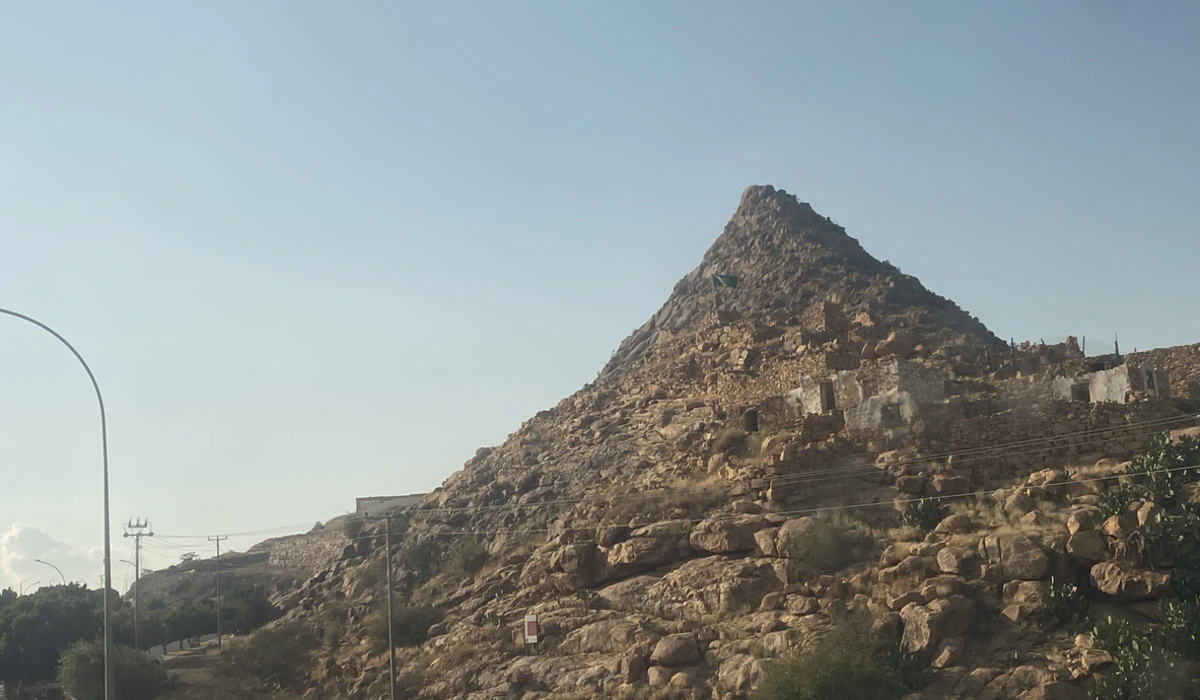
In 711, a mostly Berber army under a commander named Tariq crossed the strait and landed at the rock we still call Gibraltar , Jabal Tariq, "Tariq's mountain." Within a few years they controlled most of the peninsula. They called their new land Al-Andalus, and it would remain a center of Muslim civilization for the next 781 years.
How long did they actually stay?
The easiest way to hold 800 years in your head is five moments:
-
711 — The arrival. Tariq's army lands; Al-Andalus is born.
-
929 — The peak. Abd al-Rahman III declares the Caliphate of Cordoba, and the city becomes one of the largest and most learned in the world.
-
1085–1236 — The turning tide. Christian kingdoms in the north push south in the long process later called the Reconquista; Cordoba falls in 1236.
-
1238 — The last stand begins. The Nasrid dynasty founds the Emirate of Granada, the final Muslim kingdom, and builds the Alhambra.
-
1492 — The end. Granada surrenders to the Catholic Monarchs, Ferdinand and Isabella. The same year, they fund Columbus and expel Spain's Jews.
That is the arc: arrival, golden age, slow retreat, and a final, glittering sunset in Granada.
Why do Cordoba and Granada matter most?
Because between them, they hold the beginning and the end. Think of Cordoba as the sunrise of Al-Andalus and Granada as the sunset — and everything about them reflects that.
|
Cordoba |
Granada |
|
|
Its era |
The peak (8th–10th c.) |
The twilight (13th–15th c.) |
|
The mood |
Confident golden age |
Beautiful last stand |
|
The monument |
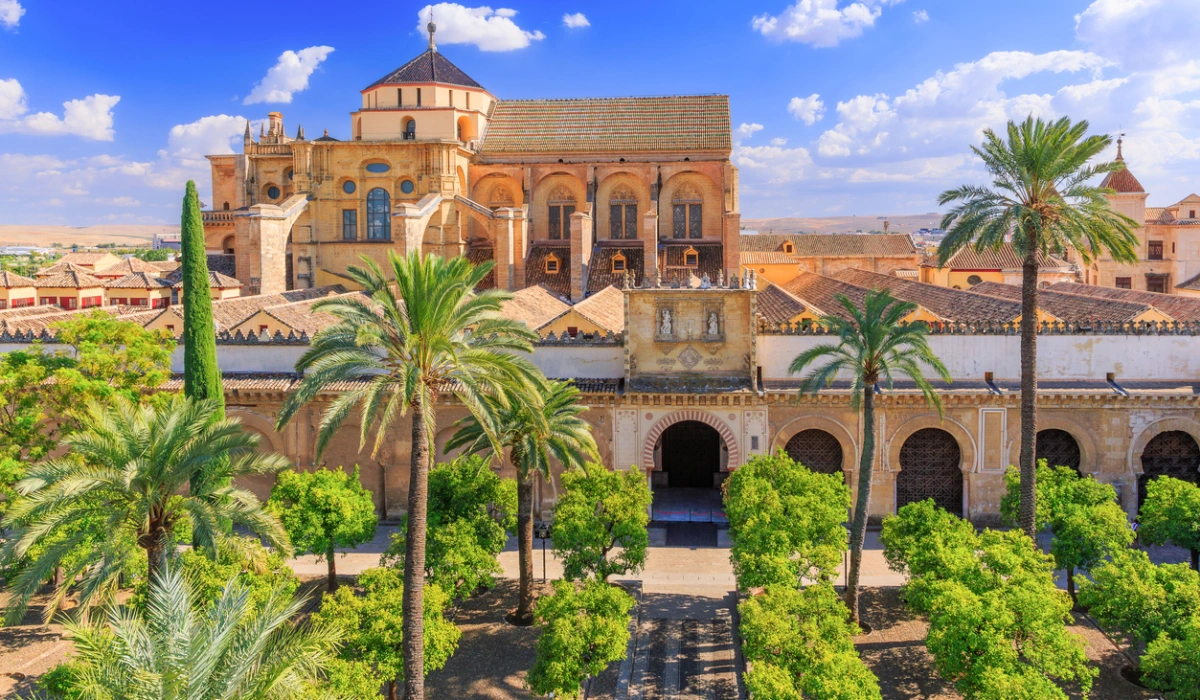
The Great Mosque (Mezquita) |
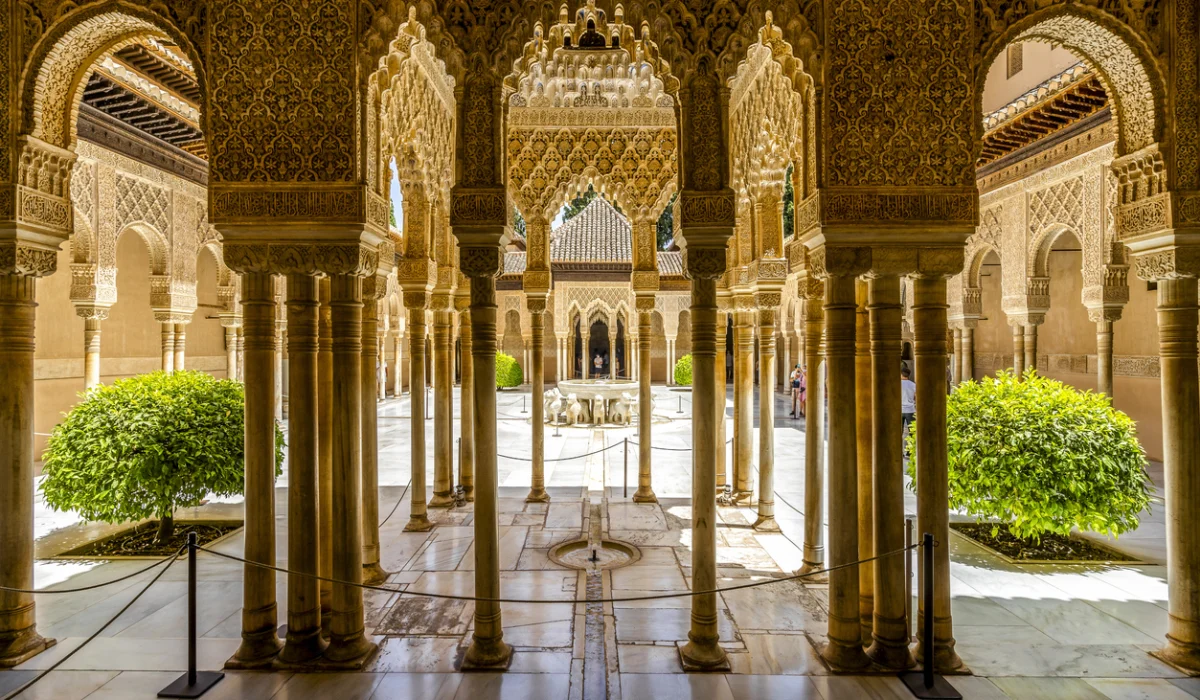
The Alhambra palace-fortress |
|
The vibe |
A world capital of learning |
An exquisite refuge |
|
What it teaches |
How high Al-Andalus rose |
How it ended, and how gorgeously |
Stand in the Mezquita's forest of red-and-white arches and you feel the confidence of a 10th-century superpower. Walk the Alhambra's courtyards two centuries later and you feel something else entirely — a civilization pouring its last genius into stone and water, as the walls closed in. Same story, two chapters.
What did the Moors actually leave behind?
The "fingerprint" is not just old buildings. It is stitched into daily Spanish life. Four places you can still see it:
-
The language. Spanish has roughly 4,000 words of Arabic origin — about 8% of its vocabulary, second only to Latin. Aceite (oil), azúcar (sugar), almohada (pillow), and dozens of place names starting with "Guad-" (from wadi, river) are all Arabic. Even ojalá — "hopefully" — comes from in sha' Allah, "God willing."
-
The architecture. Horseshoe arches, intricate geometric tilework, carved plaster, and cool interior courtyards (patios) built around fountains — a whole visual language that still defines southern Spain.
-
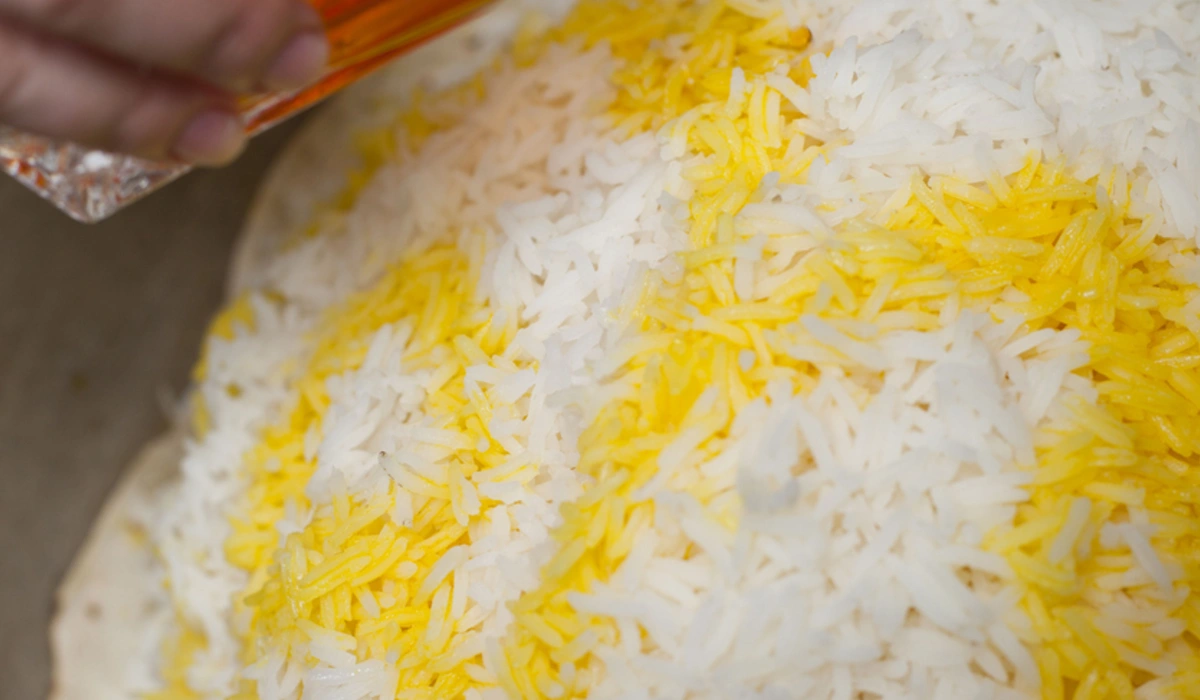
The land and food. Moorish engineers brought sophisticated irrigation (the acequias still used today) and introduced or spread citrus, rice, saffron, almonds, and sugar cane — much of what we think of as "Mediterranean" cooking.
-
The knowledge. Cordoba's libraries and translators preserved and transmitted Greek philosophy, mathematics, astronomy, and medicine into medieval Europe. A good deal of the classical world reached the Renaissance through Al-Andalus.
Was Al-Andalus really a paradise of tolerance?
This is where a careful friend slows you down, because the popular story runs to extremes in both directions.
Myth: Al-Andalus was either a perfect multicultural utopia where everyone lived in harmony — or a brutal occupation with no redeeming features.
Fact: The truth sits in between. For long stretches, Muslims, Christians, and Jews genuinely coexisted and exchanged ideas — a phenomenon historians call convivencia — and Jewish and Christian culture flourished in real ways. But it was still a medieval society with a clear hierarchy, periodic persecution, and plenty of conflict. It was more tolerant than much of medieval Europe, and far from a modern idea of equality.
Hold both truths at once and you understand the era far better than either slogan allows.
How do you see the Moorish fingerprint today?
You read the whole 800 years by visiting the bookends and a couple of chapters in between:
-
Granada — the Alhambra and the Generalife gardens, the finest surviving Moorish palace on earth.
-
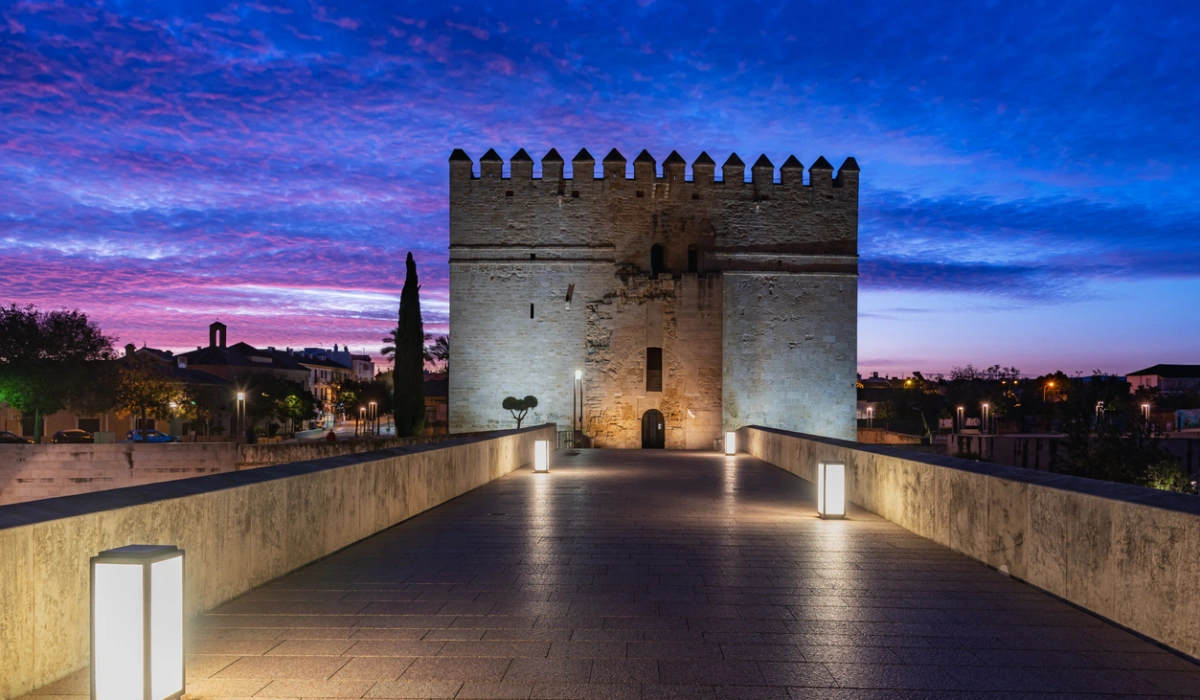
Cordoba — the Mezquita and the old Jewish quarter, the heart of the golden age.
-
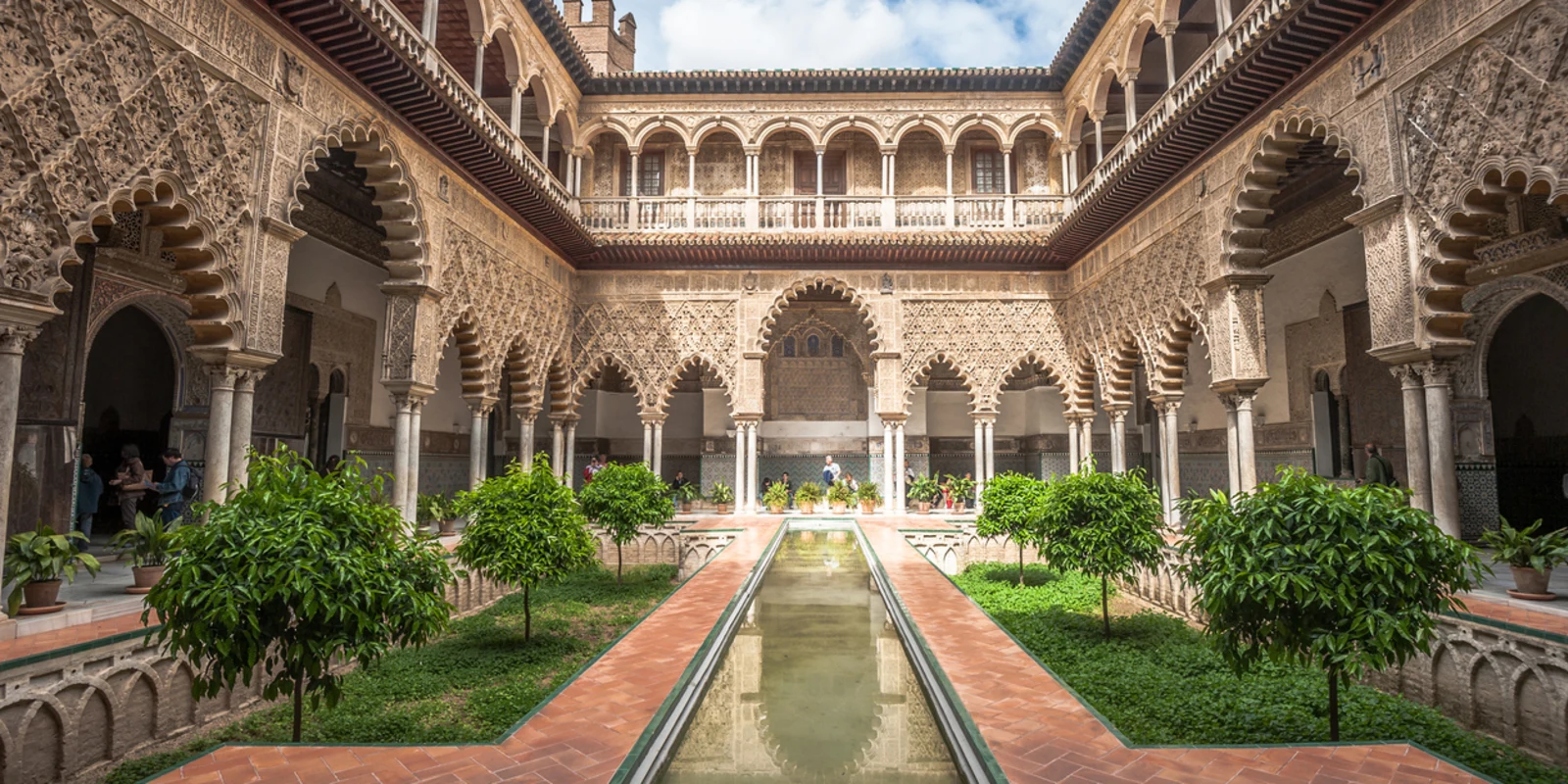
Seville — the Giralda tower and the Alcázar, where Moorish style outlived Moorish rule.
-
The little things everywhere — a fountain in a courtyard, a tiled wall, a word you didn't know was Arabic.
That is the whole idea behind the Moorish fingerprint on Spain. It is not a lost chapter you have to hunt for. It is the language people speak, the food they eat, and the two extraordinary cities — Cordoba and Granada — that between them explain nearly eight centuries in an afternoon.
FAQs
Q1::Who were the Moors in Spain? "Moors" is a broad historical term for the Muslim inhabitants of medieval Iberia — mainly Arabs and North African Berbers, plus local Iberians who converted to Islam. They ruled varying parts of the peninsula, a region they called Al-Andalus, between 711 and 1492.
Q2:How long did the Moors rule Spain? Nearly 800 years — from their arrival in 711 to the fall of Granada in 1492, about 781 years in total. That is longer than the span of time from 1492 to the present day, which is why their influence on Spain runs so deep.
Q3:What did the Moors leave behind in Spain? A vast legacy: around 4,000 Arabic-derived words in Spanish, iconic architecture like the Alhambra and the Mezquita of Cordoba, advanced irrigation and crops such as citrus and rice, and the preservation of Greek science and philosophy that later fed the European Renaissance.
Q4:Why are Cordoba and Granada so important to Moorish history? Cordoba was the capital and cultural peak of Al-Andalus during its 10th-century golden age, home to the Great Mosque. Granada was the last Muslim kingdom, falling in 1492, and home to the Alhambra. Together they mark the beginning and the end of Moorish Spain.
Q5:What is the Alhambra? The Alhambra is a palace-and-fortress complex in Granada, built mainly by the Nasrid dynasty in the 13th and 14th centuries. It is considered the finest surviving example of Moorish architecture in the world, famous for its detailed tilework, carved plaster, courtyards, and gardens.
Q6:Was Al-Andalus a tolerant society? Partly. For long periods, Muslims, Christians, and Jews coexisted and exchanged knowledge — a phenomenon known as convivencia — and it was often more tolerant than the rest of medieval Europe. But it was still a hierarchical medieval society with periods of tension and persecution, not a modern multicultural utopia.


Join the discussion