



Here is a fact that quietly rearranges a story you already know.
When the Three Wise Men brought gold, frankincense, and myrrh to Bethlehem, we tend to read it as one serious gift and two runners-up. It was not. In the ancient world, all three were roughly the same tier of precious , and frankincense could, at times, be worth its weight in gold.
That is the part most people miss. For centuries, a sticky resin scraped from a scrubby desert tree was one of the most valuable substances on earth, and it built ports, cities, and empires across half the world.
Let's decode the frankincense trade , how a tree resin shaped the ancient economy, made simple.
So what actually is frankincense?
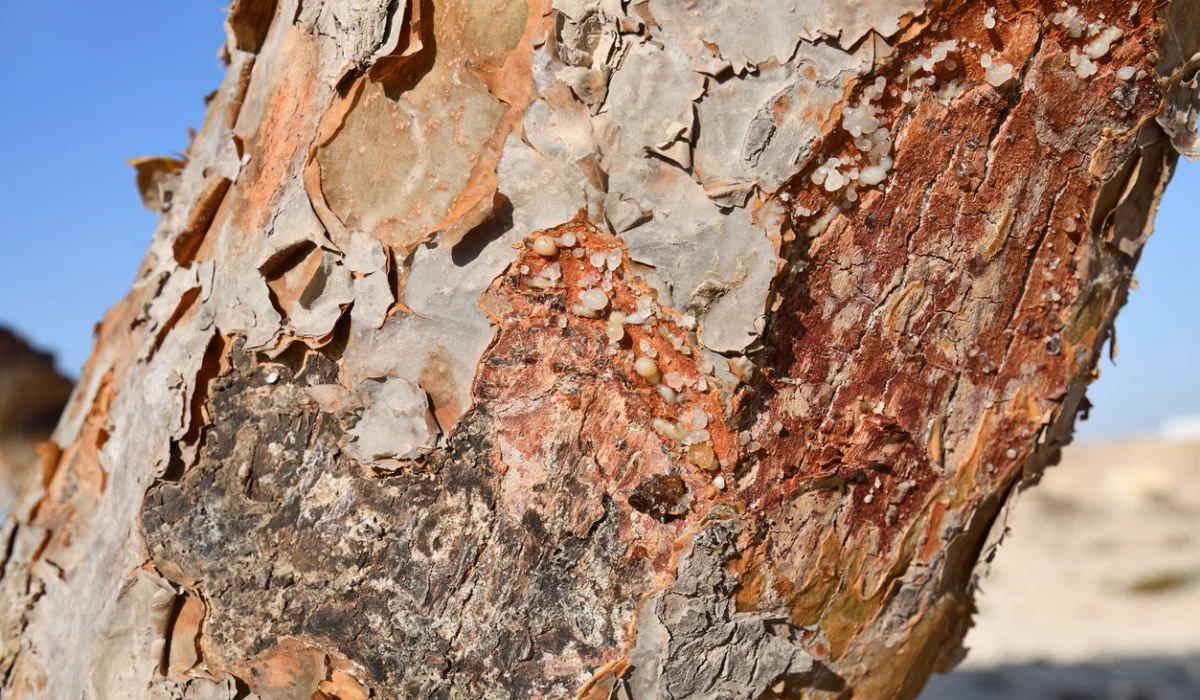
Before the empires, there is a tree. Think of frankincense less like a spice and more like tree "blood" that hardens in the air:
-
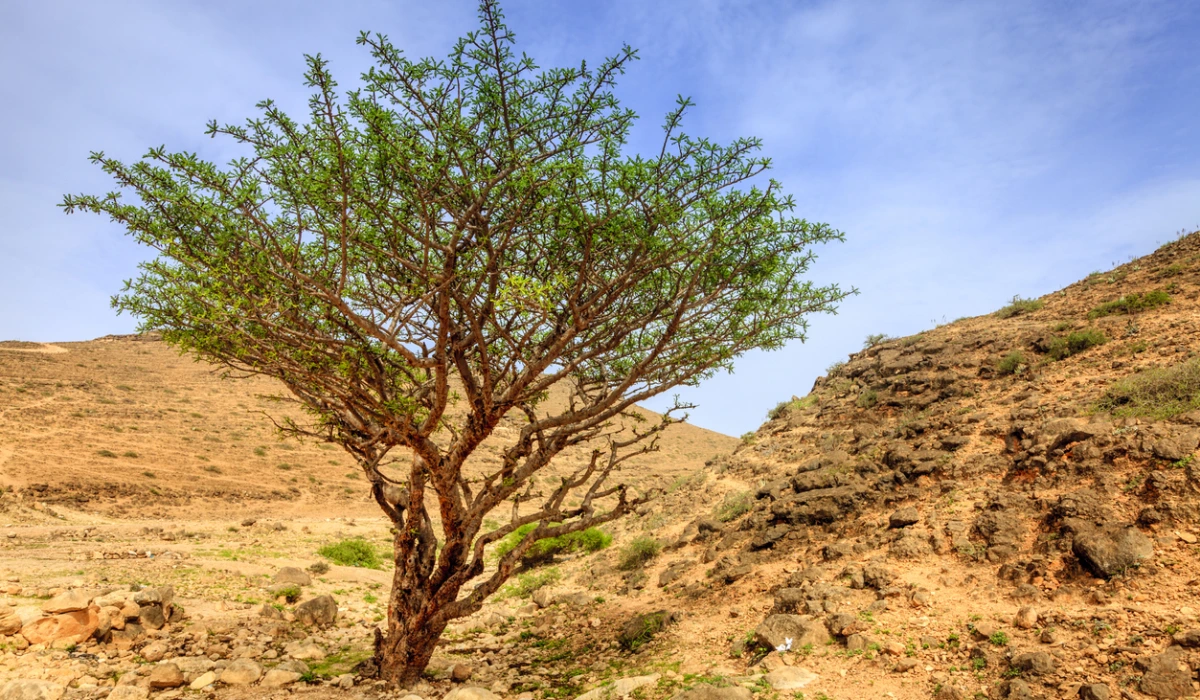
It comes from the Boswellia tree , chiefly Boswellia sacra, which grows in the harsh, dry valleys of southern Arabia and the Horn of Africa.
-
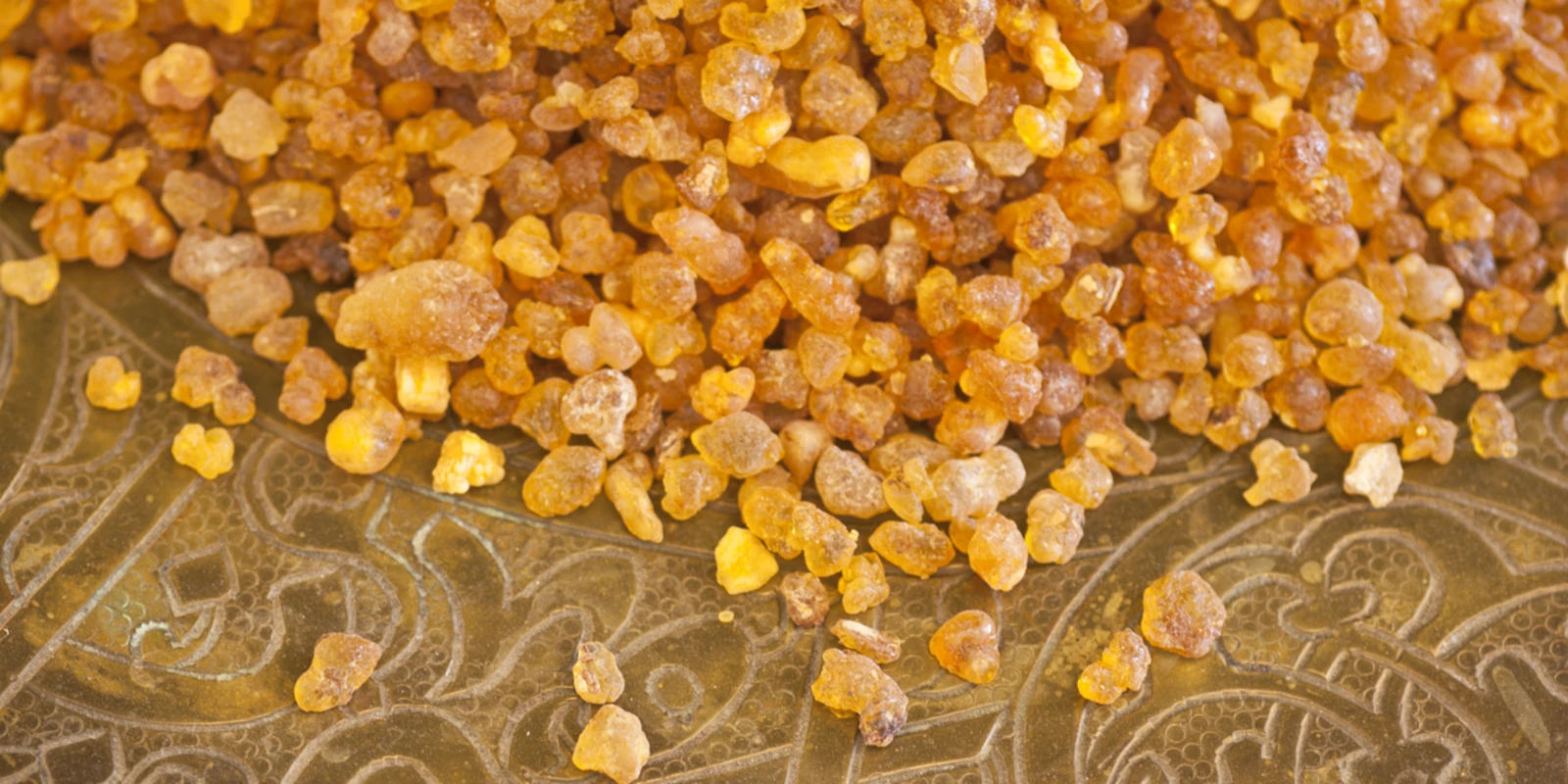
It is harvested by wounding the bark , the tree weeps a milky resin that hardens into golden "tears," which are collected, dried, and sorted by quality.
-
The best of it comes from Dhofar , the southern region of Oman, around Salalah, where the finest grade (sometimes called Hojari) has been prized for millennia.
-
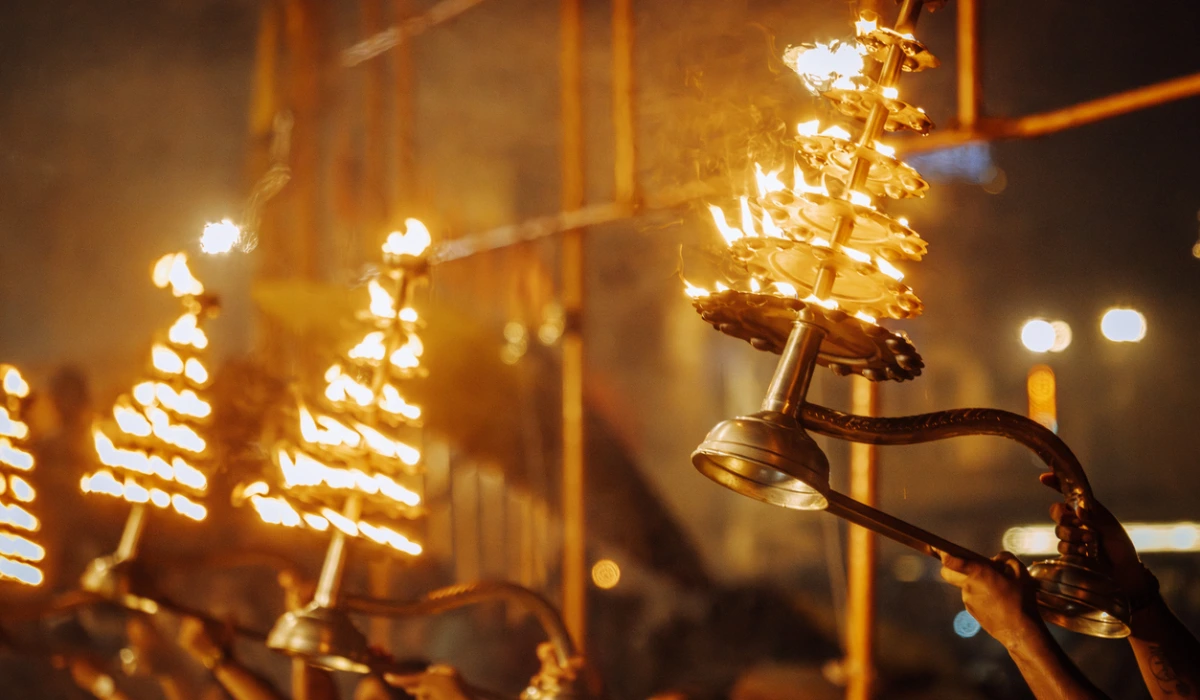
You use it by burning it , the resin releases a rich, sweet smoke, which is exactly why the ancient world wanted so much of it.
So the whole economy rests on one thing: a fragrant smoke that, for most of human history, there was no other way to produce.
Why was it worth its weight in gold?
Because nearly every major ancient civilization needed it, constantly, and it burned away each time. Demand never stopped. The buyers were:
-
The Egyptians, who used it in temple rituals and in mummification — the smoke was thought to purify and to carry prayers to the gods.
-
The Greeks and Romans, who burned it at altars, funerals, and feasts. The Emperor Nero is said to have burned an entire year's harvest at his wife's funeral, and Augustus treated the trade as important enough to control.
-
Physicians, who used it as medicine for everything from wounds to digestion.
-
The temples of three faiths, where incense became woven into worship — a role frankincense still plays today.
Here is the key: frankincense was a consumable luxury. Gold you keep; frankincense you burn. That meant the richest empires had to buy it again, and again, and again — which is what turns a product into an economy.
How did a tree resin build a trade route?
This constant demand created one of history's first great international supply chains: the Frankincense Trail. Picture a river of camel caravans and ships moving north and west out of Arabia for over a thousand years.
-
It began in the south — the groves of Dhofar (Oman) and Hadhramaut (Yemen).
-
It crossed brutal desert — Pliny recorded a route of some 65 stations covering around 3,600 km toward the Mediterranean.
-
It made middlemen rich — above all the Nabataeans, whose capital Petra grew wealthy by controlling and taxing the caravans passing through. (Yes — the same Petra. This resin helped pay for those famous carved facades.)
-
It moved by sea, too — ships carried frankincense from Omani ports as far as India and, eventually, China.
The wealth was so legendary that the Romans called the source region Arabia Felix — "Fortunate Arabia" — precisely because of the riches this rare merchandise brought.
The three gifts, decoded
Since the Magi's gifts are where most people first meet frankincense, here is what they actually were:
|
Gift |
What it was |
Why it was precious |
|
Gold |
Precious metal |
Wealth and kingship |
|
Frankincens |
Boswellia resin |
Divinity — the incense of temples and gods |
|
Myrrh |
A related resin (Commiphora) |
Anointing and embalming — often linked to death |
Read this way, the gifts are a coded message, not a shopping list: gold for a king, frankincense for a god, myrrh foreshadowing mortality. And two of the three came straight off the frankincense trade routes.
So why did the frankincense economy collapse?
If it was worth gold, why isn't it now? A few forces unwound it over centuries:
-
Religion shifted. As Christianity came to dominate Rome, incense-burning was increasingly seen as pagan, and demand fell sharply.
-
Rome declined. Economic crisis in the empire gutted the market for eastern luxuries.
-
Routes changed. Trade patterns moved, and the once-mighty incense kingdoms of southern Arabia fragmented.
-
The modern world replaced it. Much later, synthetic fragrances undercut natural resin — and in the 20th century, a different treasure took over Arabia's economy entirely: oil. Black gold supplanted white.
Myth: Frankincense is just old-fashioned incense with no real value today.
Fact: It never fully disappeared. It remains central to religious ritual, is a prized base for luxury perfume, and is now being studied by scientists for its Boswellic acids. It is no longer worth gold — but it is far from a relic.
Where can you still walk the frankincense trail?
The best place on earth to stand inside this history is Oman's Dhofar region, around Salalah — recognised by UNESCO as the Land of Frankincense:
-
Wadi Dawkah — a natural grove of Boswellia trees, still tapped as they were in antiquity.
-
Sumhuram / Khor Rori — an ancient port city linked in legend to the Queen of Sheba.
-
Al-Baleed — the ruins of a great medieval trading port, with an excellent museum.
-
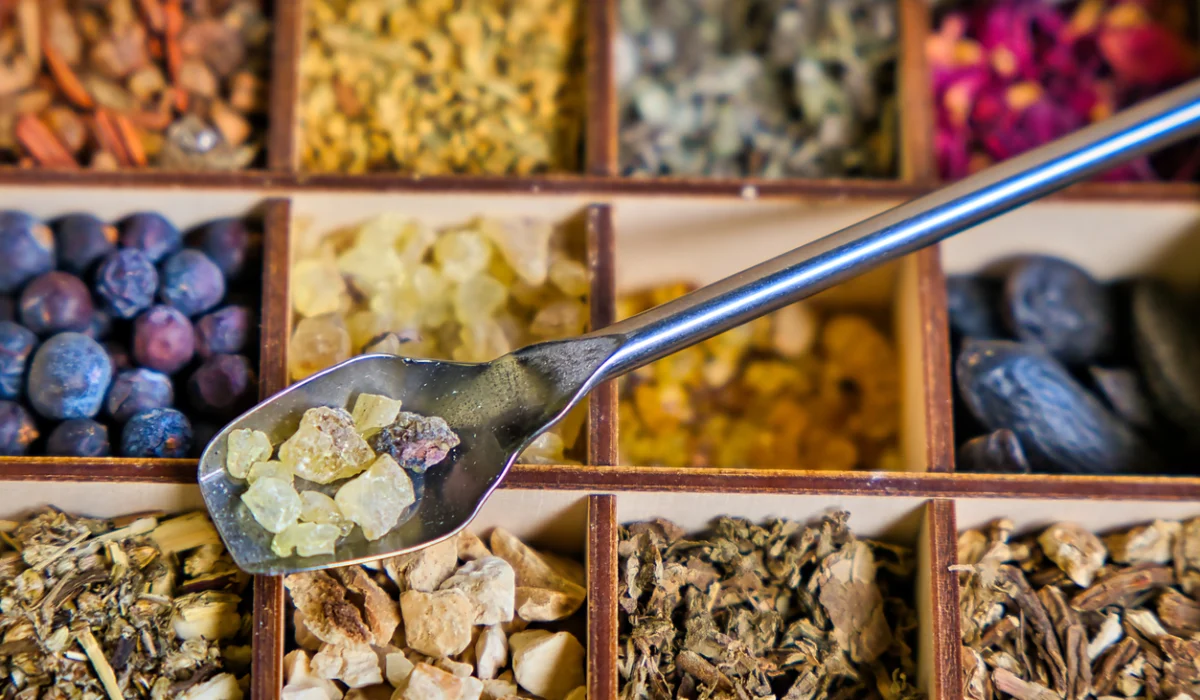
The souqs of Salalah — where you can still buy Hojari frankincense by the grade, and where it remains a symbol of Omani hospitality.
That is the whole idea behind the frankincense economy. A single fragrant resin, scraped from a desert tree, was once worth its weight in gold — and the trail it carved from Oman to Rome helped shape the ancient world. You can still smell it in the air where the whole story began.
FAQs
What is frankincense? Frankincense is an aromatic resin harvested from Boswellia trees, which grow mainly in southern Oman, Yemen, and the Horn of Africa. The bark is cut, and the tree weeps a resin that hardens into golden "tears." When burned, it releases a fragrant smoke long used in religious ritual, perfume, and medicine.
Why was frankincense so valuable? Because demand was enormous and constant, and the resin was burned rather than kept. Egyptians used it in mummification and temple rites, Greeks and Romans in worship and funerals, and physicians as medicine. As a consumable luxury that empires bought repeatedly, it became so prized it could rival the value of gold.
Was frankincense really worth its weight in gold? At times, yes. In the Greco-Roman world, top-grade frankincense could command prices comparable to gold. It was valuable enough that the Roman emperor Augustus took an interest in controlling the trade, and the region that produced it was nicknamed "Arabia Felix," or Fortunate Arabia.
What was the Frankincense Trail? The Frankincense Trail (or Incense Route) was a network of overland caravan and sea routes carrying frankincense and myrrh from southern Arabia to Egypt, the Mediterranean, and India for over a thousand years. The Nabataeans of Petra grew wealthy by controlling parts of it, and Oman's ports connected it to Asia.
Where does the best frankincense come from? The Dhofar region of southern Oman, around Salalah, has produced some of the world's most prized frankincense for millennia, including the high grade known as Hojari. The area is a UNESCO World Heritage Site called the Land of Frankincense.
Is frankincense still used today? Yes. It remains important in religious ceremonies across several faiths, is a valued ingredient in luxury perfumery, and is studied by researchers for its natural compounds. In Oman it is also still burned in homes and offered to guests as a traditional symbol of hospitality.

Join the discussion