




Q1: What are the Grand Egyptian Museum's hidden labs? They're the museum's Conservation Center , the largest in the Middle East, with around 17 specialized laboratories where over 100 experts restore and preserve artifacts, from mummies and painted wood to stone, metals, and wall paintings. It's connected to the galleries by a tunnel.
Q2: Can you visit the conservation center at the Grand Egyptian Museum? The labs are a working scientific facility, so the public can't roam them freely. However, the GEM is designed to offer behind-the-scenes glimpses of conservation in progress, and deeper access can often be arranged through a guided or tailored tour booked in advance.
Q3: When did the Grand Egyptian Museum open? The GEM was fully inaugurated on 1 November 2025 and opened to the public shortly after, following years of phased openings. It now displays the complete Tutankhamun collection together for the first time.
Q4: How were Tutankhamun's treasures restored? Conservators used non-invasive X-ray imaging, chemical analysis of ancient pigments, and meticulous hand restoration to stabilize fragile pieces like his painted chariots and funeral beds , combining modern science with traditional craftsmanship.
Q5: How long do you need at the Grand Egyptian Museum? Plan for at least 4 hours, and ideally around 6, to explore the main galleries, the Grand Staircase, Tutankhamun's collection, and Khufu's solar boat without feeling rushed. The museum is vast.
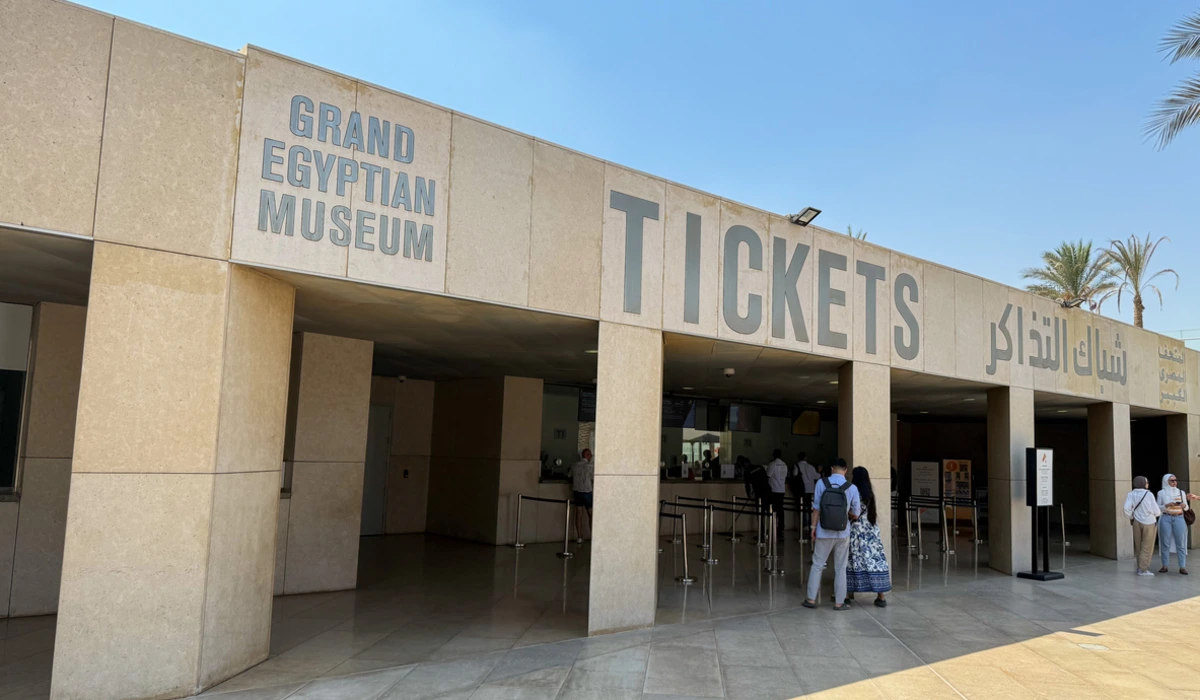
Q6: How do you get tickets to the Grand Egyptian Museum? Tickets are booked online in advance through the official system, with timed entry slots , the GEM no longer sells tickets at the door. Guided-tour tickets are also available and are the easiest route to a richer, behind-the-scenes experience.
Everyone photographs the golden mask. Almost no one sees the room that saved it.
The Grand Egyptian Museum , the largest archaeological museum on earth, a stone's throw from the Giza Pyramids , finally opened its doors in full at the end of 2025, and the crowds have been pouring through ever since. They come for Tutankhamun's complete treasure, the Grand Staircase lined with colossal pharaohs, Khufu's 4,600-year-old solar boat. And they should.
But there's another Grand Egyptian Museum most visitors never see: a vast, quiet complex behind the galleries where more than a hundred specialists spend their days coaxing 3,000-year-old objects back from the edge of collapse. This is the museum's conservation center , the hidden labs , and it's where the treasures on display were quite literally brought back to life.
Here's what goes on behind the glass.
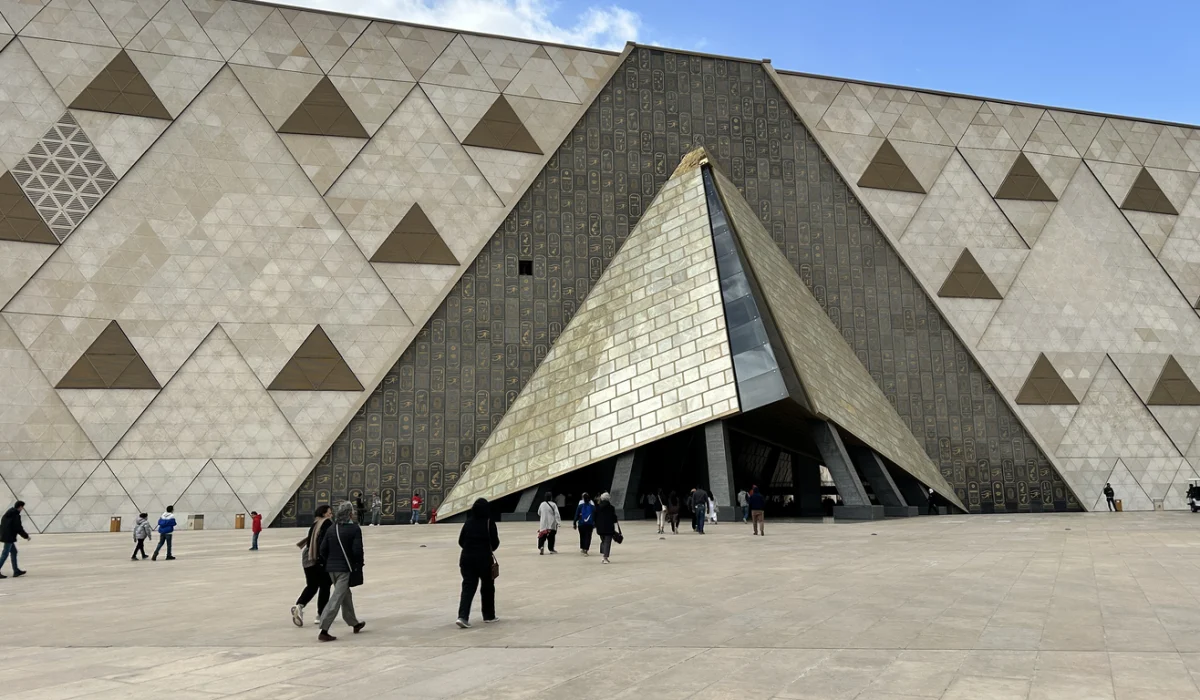
What Is the Grand Egyptian Museum, and Why Does It Matter?
Before we go backstage, it helps to know just how significant the front-of-house is. The GEM is a genuine world event:
-
It's the largest museum in the world dedicated to a single civilization, spread across roughly 500,000 square meters near the Giza plateau.
-
It holds over 100,000 artifacts spanning from prehistory to Roman Egypt, tens of thousands on display for the very first time.
-
It reunites the complete Tutankhamun collection , all 5,398 pieces , shown together for the first time since Howard Carter opened the tomb in 1922.
-
It opened fully on 1 November 2025, welcoming the public days later, after years of anticipation.
It's a spectacular front door. But every one of those restored objects passed through the same place first.
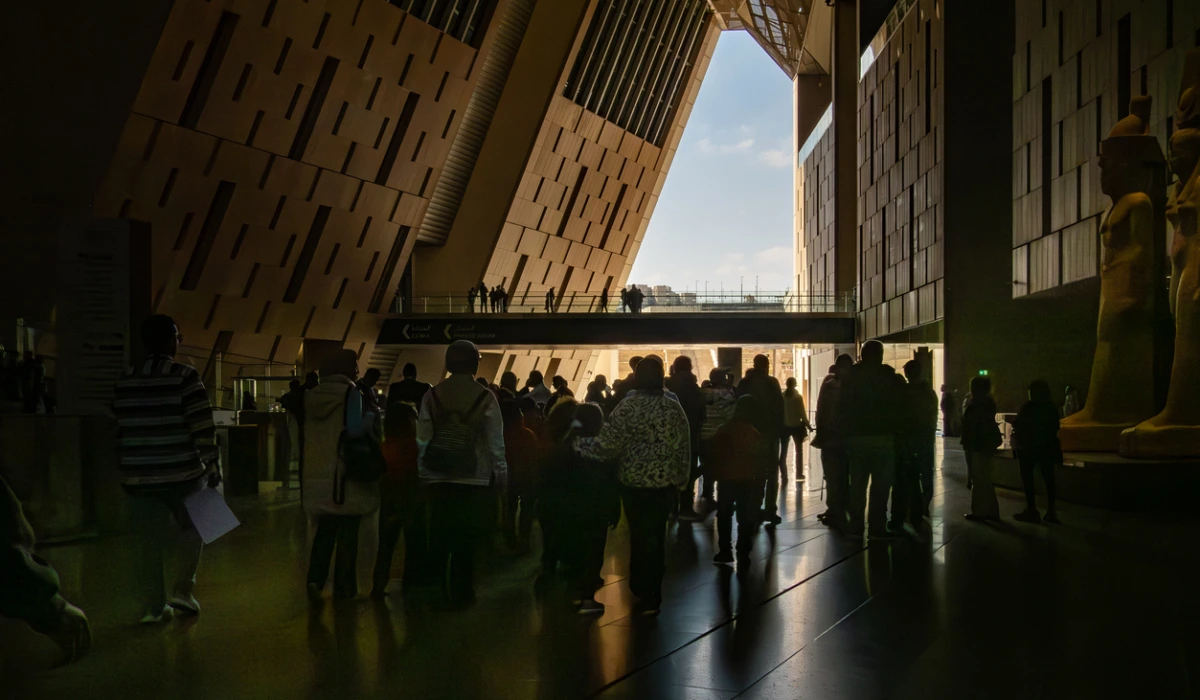
What Are the Grand Egyptian Museum's Hidden Labs?
The beating heart of the GEM isn't in the galleries at all , it's in the Grand Egyptian Museum Conservation Center, the "hidden labs" tourists rarely glimpse. A few things make it extraordinary:
-
It's the largest conservation center in the Middle East, and one of the biggest on the planet, at around 7,000 square meters.
-
It houses roughly 17 specialized laboratories, each dedicated to a different material , mummies and human remains, wood, stone, metals, wall paintings, papyri, textiles, and more.
-
Over 100 expert conservators work there, supported by international partners including Japan's JICA.
-
It's connected to the museum by a tunnel around 200 meters long, so fragile artifacts can move between storage, lab, and gallery without ever going outside.
This is where the science of saving history happens , far from the selfie sticks and the ticket queues.
How Are Ancient Egyptian Treasures Actually Restored?
This is the part that turns a museum visit into something unforgettable: understanding what it takes to make a 3,300-year-old object safe to display. The conservators' work blends old-world patience with cutting-edge technology:
-
Non-invasive imaging first. X-rays and other non-destructive methods let experts see inside an object , and plan a treatment , without ever touching the surface.
-
Pigment and chemical analysis. Scientists study the composition of ancient paints and materials to understand how they degrade and how to stabilize them.
-
Painstaking hand restoration. Tutankhamun's painted wooden chariots, his ceremonial funeral beds, and delicate gilded surfaces were carefully cleaned and rebuilt piece by piece.
-
Lighting and display science. The team even designs how each artifact is lit and shown, minimizing the slow stress that light, heat, and humidity inflict over decades.
Even the famous golden mask has its own dramatic conservation story , its braided beard was once knocked off and clumsily glued back on, before a specialist team properly restored it. The labs exist precisely so that never happens again.
Can You See the Conservation Center at the Grand Egyptian Museum?
Here's the honest answer , and the reason this counts as something tourists never see:
-
The labs are a working scientific facility, not a standard gallery. The general public doesn't wander freely through all 17 laboratories.
-
The museum was designed to offer glimpses. Part of the GEM experience is a behind-the-scenes window into the conservation process, so visitors can watch restoration work in a way no museum offered before.
-
Deeper access is best arranged in advance. Specialist and behind-the-scenes experiences tend to require planning, a guide, or a tailored tour rather than a walk-up ticket.
In other words: the front galleries are open to everyone, but the real backstage , the hidden labs , reward travelers who go a step further than the average visitor.
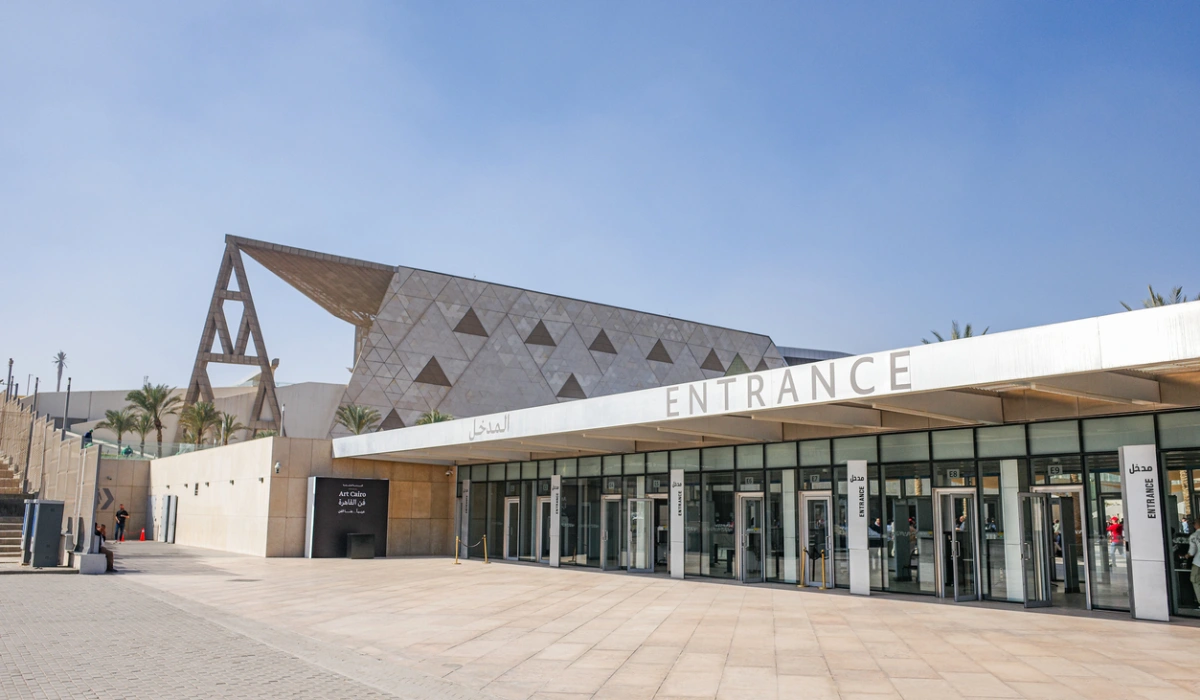
Tips for Visiting the Grand Egyptian Museum
To make the most of the GEM, front and back:
-
Book tickets online in advance. The museum uses timed entry slots and no longer sells tickets on-site.
-
Give yourself real time. Plan for at least 4 hours, ideally 6 , this place is enormous.
-
Go with a knowledgeable guide. A good Egyptologist unlocks the stories behind the objects and can help arrange behind-the-scenes and conservation-focused experiences.
-
Pair it with the Pyramids. The GEM sits about 2 km from Giza , the two together make a perfect day.
-
Check extended hours. Certain days offer later evening access, ideal for beating the midday heat and crowds.
Is the Grand Egyptian Museum Worth Visiting?
Without question , it's already one of the great museums of the world. But the difference between a good visit and an unforgettable one is knowing what lies behind the galleries.
That's the whole idea behind the Grand Egyptian Museum's hidden labs: anyone can admire the golden mask under glass. Far fewer understand the quiet, brilliant work that made it possible , the version of the museum most tourists never see.


Join the discussion