




Rice-based meals, grilled meats, and centuries-old culinary traditions might suggest that Japan and Turkey are naturally safe destinations for gluten-free travelers. However, traveling with celiac disease in both countries revealed a much more complex reality.
While both destinations offer incredible food experiences, navigating menus requires careful preparation, cultural awareness, and constant vigilance.
This article shares real insights from traveling gluten-free in Japan and Turkey, including hidden gluten sources, communication challenges, safe meal options, and what surprised me most in both countries.
Preparing for Gluten-Free Travel to Japan and Turkey
Researching gluten-free restaurants before arrival
Planning ahead is essential when traveling with celiac disease. Online communities, travel blogs, and dedicated apps like Find Me Gluten Free are invaluable tools. They provide real reviews from other gluten-free travelers who understand cross-contamination risks.
Facebook groups and destination-specific forums also help identify safe restaurants, updated menus, and newly opened gluten-free spots. Direct communication with restaurants before visiting is often the most reliable step, especially to confirm preparation methods and kitchen safety.
Packing essential gluten-free snacks
Bringing safe snacks is non-negotiable. Airports allow most solid gluten-free foods, making it easy to carry items like nuts, cheese, fruit, gluten-free bars, and sealed snacks.
Because availability varies widely abroad, I always packed extra supplies to avoid being stuck in areas with limited safe options. Backup food is especially important during long travel days or remote excursions.
Translation tools and allergy cards
Language barriers are one of the biggest challenges. Translation cards that clearly explain “celiac disease” and “strict gluten-free diet” are essential.
Apps like Google Translate help, but printed or saved allergy cards are more reliable when internet access is limited. These cards should clearly state the medical necessity of avoiding gluten and mention cross-contamination risks.
Understanding cross-contamination risks
Even naturally gluten-free foods can become unsafe due to shared cooking surfaces, frying oil, or utensils. Asking about separate preparation areas is important.
Street food carries higher risks, especially where kitchens are open or shared equipment is used. Communication about cross-contact is just as important as ingredient checks.
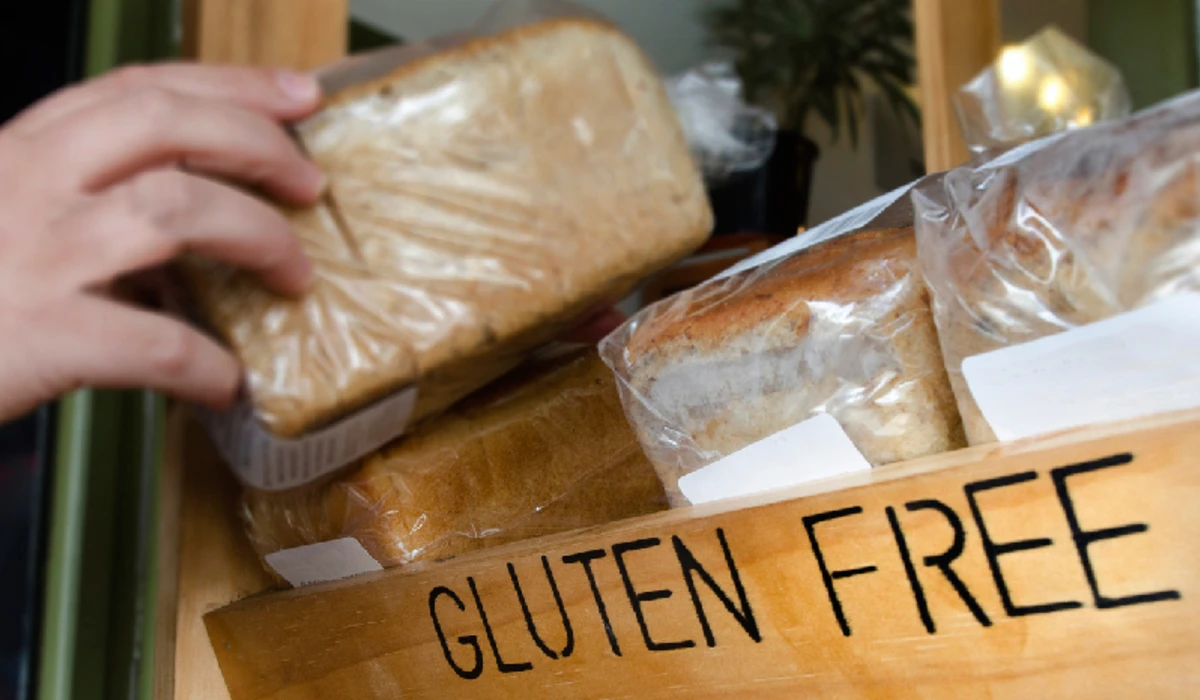
Gluten-Free Travel in Japan
Japan is often seen as a rice-based cuisine paradise, but the reality for celiac travelers is more complicated. With only a very small percentage of the population affected by celiac disease, awareness among restaurant staff is limited.
Tokyo: The most gluten-free friendly city
Tokyo offers the best options for gluten-free travelers in Japan. Dedicated restaurants, bakeries, and cafes are slowly increasing. Some well-known gluten-free-friendly places include specialty bakeries and ramen shops that use rice noodles instead of wheat.
Even so, careful verification is always needed.
Safe restaurant options
A few places in Tokyo provide relatively safe dining experiences, including:
- Gluten-free ramen restaurants using rice noodles
- Dedicated gluten-free bakeries
- Some international cafés with allergen awareness
- Select chain restaurants offering simplified allergen menus
However, cross-contamination still exists in many kitchens, so caution remains necessary.
Convenience store challenges and opportunities
Japanese convenience stores (konbini) can be helpful but require careful selection.
Potential safe items include:
- Plain rice balls (onigiri)
- Salted rice snacks
- Boiled eggs
- Some soy-based snacks made without wheat
However, soy sauce and hidden wheat ingredients are common, so reading labels carefully is essential.
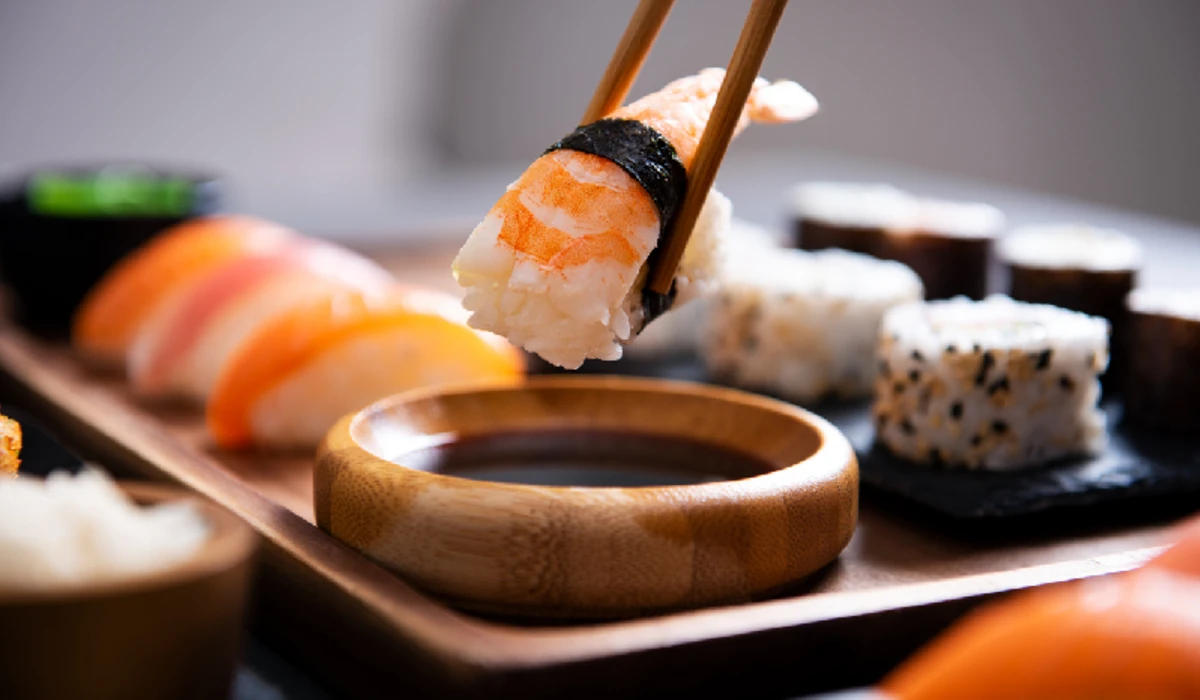
Sushi and hidden gluten
Sushi may seem safe, but gluten can appear in unexpected places:
- Soy sauce (often contains wheat)
- Sushi rice vinegar in some cases
- Imitation crab (surimi)
- Sauces and marinades
Sashimi is usually the safest option, but even then, cross-contamination must be considered.
Noodles and gluten-free alternatives
Traditional Japanese noodles often contain wheat. Safe alternatives include:
- 100% buckwheat soba (juwari soba)
- Shirataki noodles (konjac-based)
- Rice noodles (in select restaurants)
Still, not all soba is gluten-free, so verification is required.
Key takeaway from Japan
Japan requires strong preparation, translation tools, and constant awareness. While safe options exist, the lack of widespread celiac awareness makes dining challenging.
Gluten-Free Travel in Turkey
Turkey offers a different experience. While awareness of celiac disease is still developing, the cuisine itself is more naturally adaptable compared to Japan.
Naturally gluten-free dishes
Turkish cuisine includes many safe options such as:
- Grilled meats (kebabs, shish kebab)
- Rice-based dishes (when prepared without wheat additions)
- Fresh salads
- Yogurt-based dishes
Grilled meat dishes are often the safest and easiest choices.
Hidden gluten in Turkish food
Despite safe options, hidden gluten is common:
- Orzo (şehriye) mixed into rice
- Wheat flour used in sauces and thickening agents
- Bread served with kebabs for soaking juices
- Meatballs (köfte) sometimes containing breadcrumbs
Even simple dishes may contain wheat-based ingredients.
Communication challenges
Celiac awareness in Turkey is inconsistent. Some staff understand dietary needs, while others may not fully grasp gluten restrictions.
Translation cards are essential to clearly explain medical necessity and avoid misunderstandings.
Dining experience in restaurants
In major cities like Istanbul, gluten-free awareness is improving. Some restaurants now offer allergen information or even dedicated gluten-free menus, but this is not yet widespread.
Grilled meat restaurants are usually the safest choice, especially when clearly communicating dietary needs.
Key takeaway from Turkey
Turkey is generally easier for gluten-free travelers than Japan due to its meat-based cuisine, but hidden gluten still requires caution and communication.

Key Differences Between Japan and Turkey
Awareness level
- Japan: Low awareness of celiac disease
- Turkey: Moderate and improving awareness in major cities
Naturally gluten-free food availability
- Japan: Rice-based but heavily soy-sauce dependent
- Turkey: Meat and rice-based, more naturally adaptable
Risk of hidden gluten
- Japan: Soy sauce and sauces are major risks
- Turkey: Wheat in rice, sauces, and bread-based dishes
Communication barriers
Both countries require translation support, but:
- Japan relies heavily on precision and careful explanation
- Turkey often requires repetition and clarification
Traveling gluten-free in Japan and Turkey is absolutely possible, but it requires preparation and awareness.
Japan challenges travelers with hidden soy sauce, limited celiac awareness, and strict ingredient reliance. Turkey offers more naturally safe food options but still hides gluten in rice dishes, sauces, and bread accompaniments.
The biggest lesson from both destinations is that successful gluten-free travel depends less on the country itself and more on preparation, communication, and flexibility.
With the right tools—translation cards, research, and awareness—both Japan and Turkey can be enjoyable and safe destinations for travelers with celiac disease.
FAQs
1. Is it hard to eat gluten-free in Japan?
Yes, it can be challenging due to limited celiac awareness and widespread use of soy sauce and wheat-based ingredients.
2. What are safe gluten-free foods in Japan?
Rice, sashimi, plain onigiri, and some buckwheat soba (100% buckwheat) can be safe if carefully checked.
3. Is Turkey better for gluten-free travelers than Japan?
Generally yes. Turkey offers more naturally gluten-free options like grilled meats, but hidden gluten still exists in rice and sauces.
4. What hidden gluten should I watch for in Turkey?
Orzo (wheat pasta) in rice, breadcrumbs in meatballs, and flour used in sauces or soups.
5. Do I need translation cards for both countries?
Yes. Translation cards are essential to explain celiac disease clearly in both Japan and Turkey.
6. Is cross-contamination a big risk?
Yes, in both countries. Shared cooking surfaces, sauces, and frying oil can cause contamination even if ingredients seem safe.

Join the discussion