



Dubai like never before
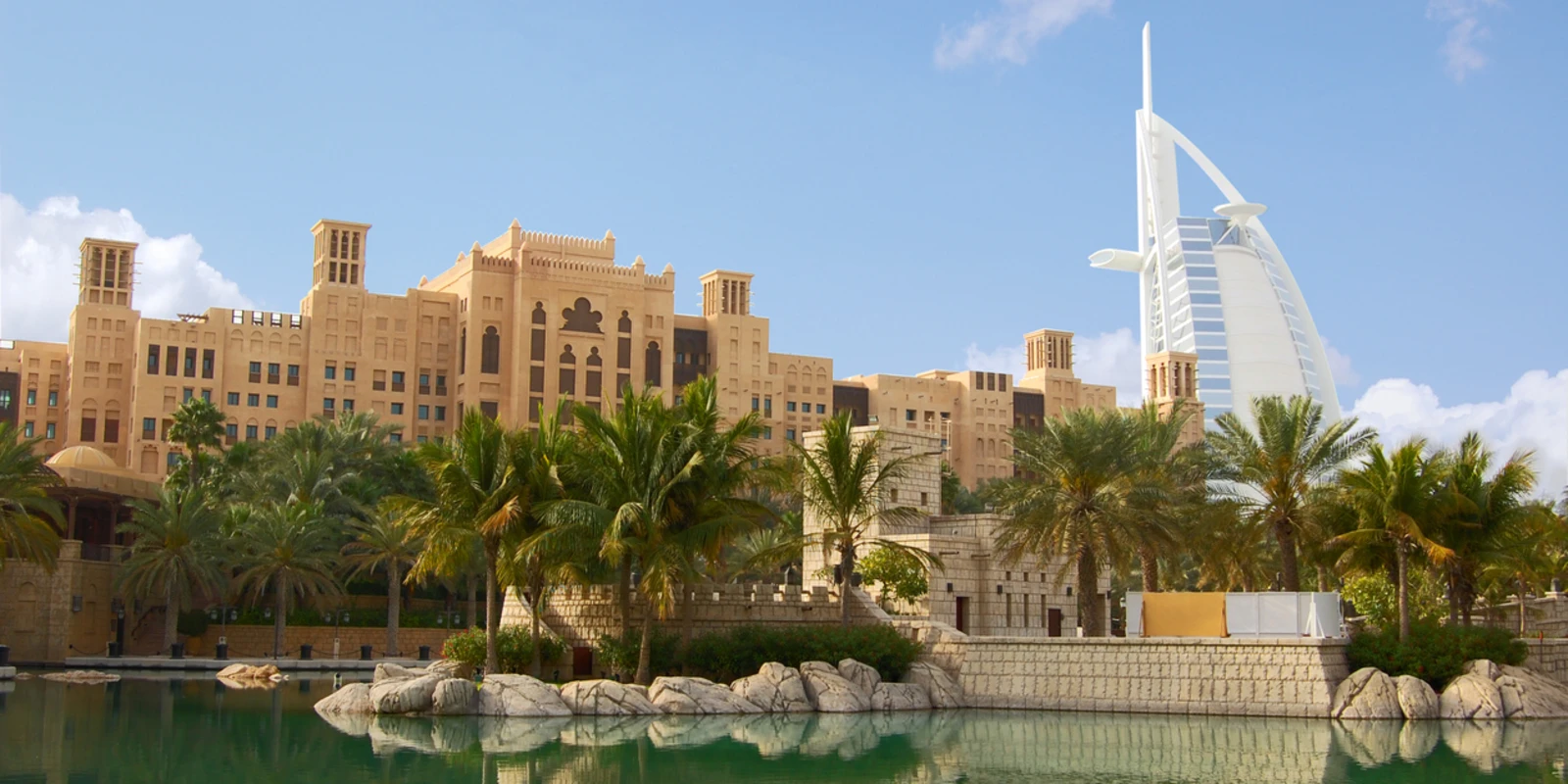
Dubai is a city that has never once been accused of subtlety. It is the tallest tower, the largest fountain, the first-ever this and the longest that. It rewards arrival. It is built, quite deliberately, to be photographed.
Which is what makes the other Dubai so easy to miss. The quiet one. The one that appears in no one's feed, because the whole point of it is that you cannot see it from the outside.
This is the story of the anonymous suite , and of quiet luxury in Dubai, which turns out to be the most expensive thing the city sells.
A city that shouts
Understand the noise first, and the silence makes sense. Most of Dubai's grand hotels are engineered as events:
-
The arrival is a performance. The Rolls-Royce fleet at the door, the gold in the lobby, the entrance staged as a moment.
-
The design serves the photograph. Pools and views composed for the image rather than the swim.
-
There is always an audience. The valet, the lobby, the other guests — a gentle, constant watching to see who has arrived.
There is real pleasure in all of it, and no shame in wanting it. But it is a performance, and after a day or two on stage, some travellers begin to want the wings instead.
The door with no name
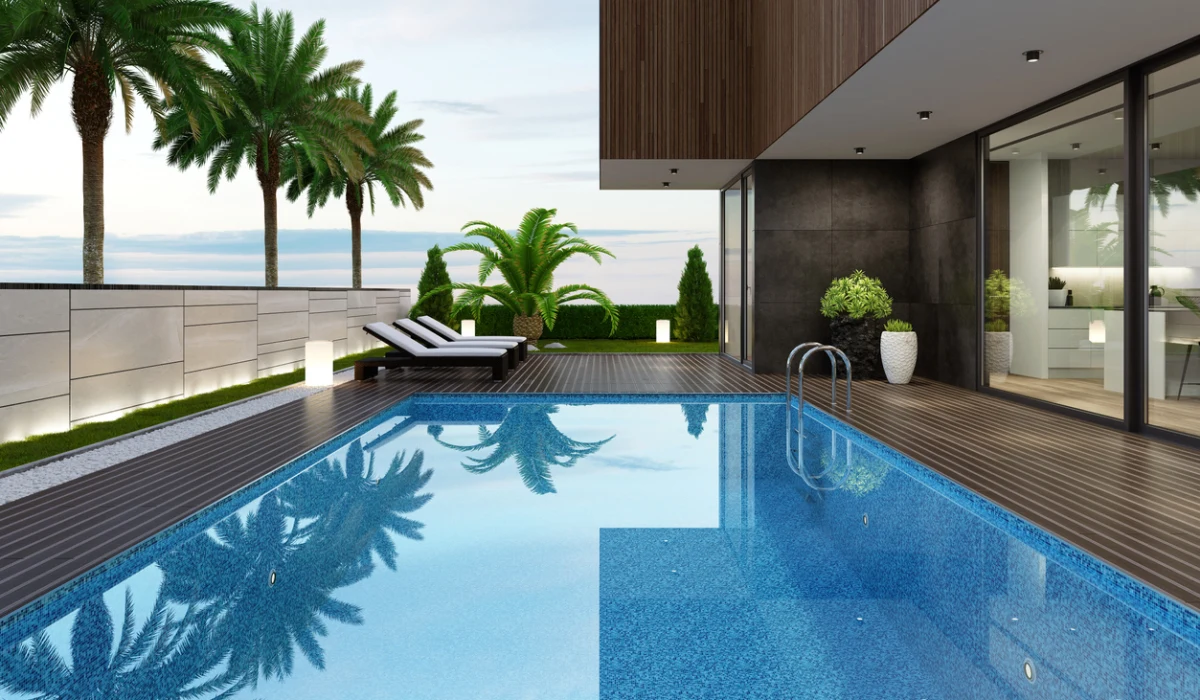
The alternative is quieter, and harder to find , which is precisely the idea. A few addresses hold this register better than the rest:
-
Bulgari, on its own island off Jumeira Bay, reached by a single bridge, the city thinning away behind you as you cross.
-
One&Only on the Palm, low against the gardens, ninety rooms where a lesser property would have built four hundred.
-
The Armani floors inside the Burj Khalifa, all clean lines and soft light, the world's loudest building made, somehow, to hold its breath.
What these share is a confidence pointed in the opposite direction from spectacle: no thumping bass, no drama in the atrium, a valet who takes the car and says almost nothing. The suite behind the unmarked door is not louder than the others in the city. It is calmer. That is the luxury.
What discretion actually buys
On paper it can look like less. In practice, it is the scarcest thing in Dubai. You are paying for:
-
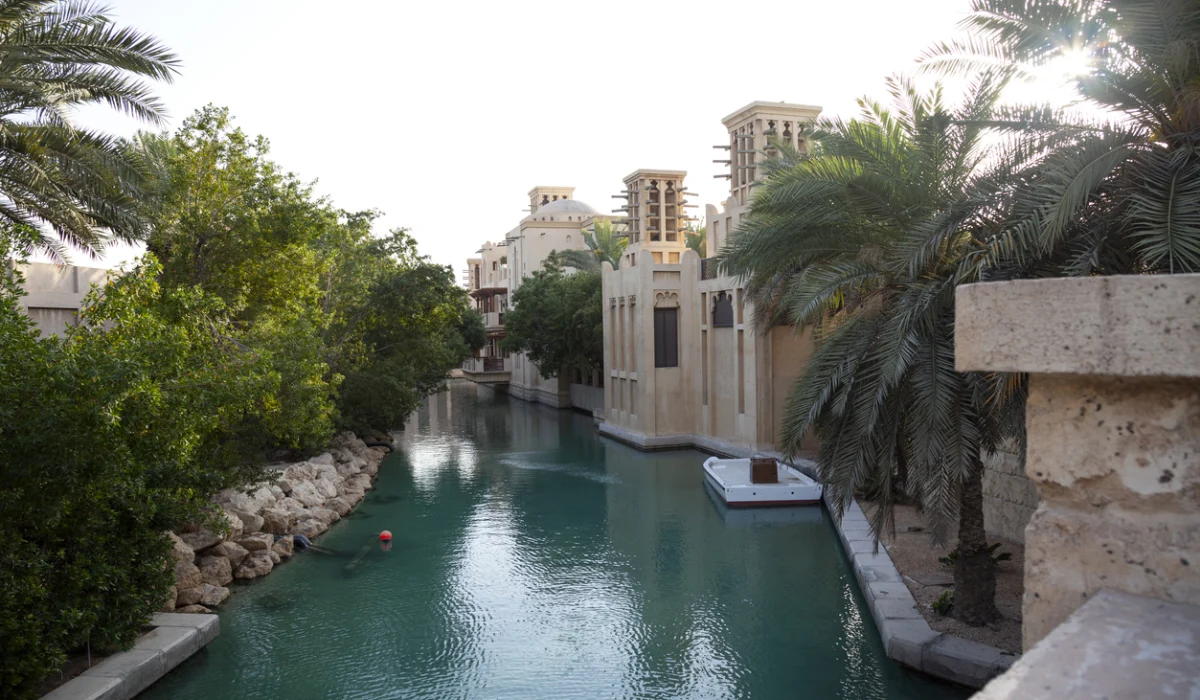
Space, and the absence of others in it : a private pool that faces the sea rather than the lobby.
-
Service that never performs : staff who learn your name and then never make a show of using it.
-
An absence of audience : a beach without a soundtrack, a lift you do not share, a dinner no one photographs.
-
The freedom not to be seen : in a city organised almost entirely around being seen.
The people who book these rooms already know this. They have had the luxury that comes with an audience, and quietly concluded that the finest version is the one no one
The address you do not mention
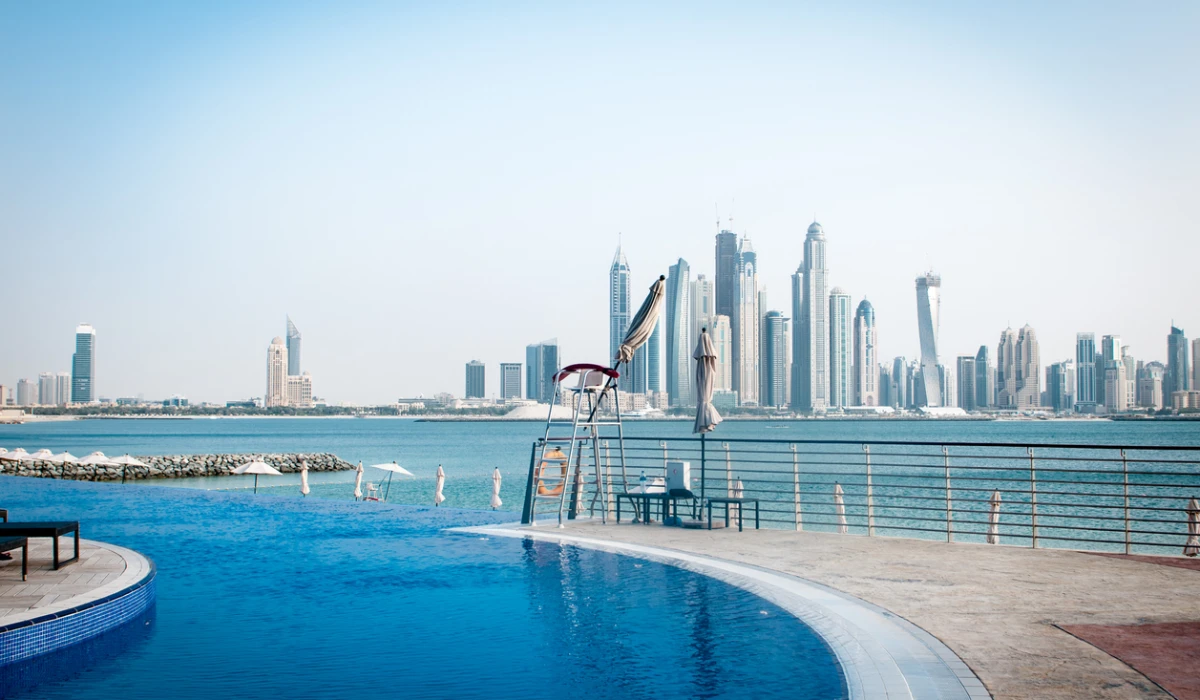
There is an etiquette to this, unspoken and consistent:
-
You do not post the room, or tag the property.
-
You are a little vague when asked where you stayed , not from secrecy, but because naming it would be beside the point.
-
The experience was arranged around your absence from the record; to broadcast it afterwards would be to misunderstand it.
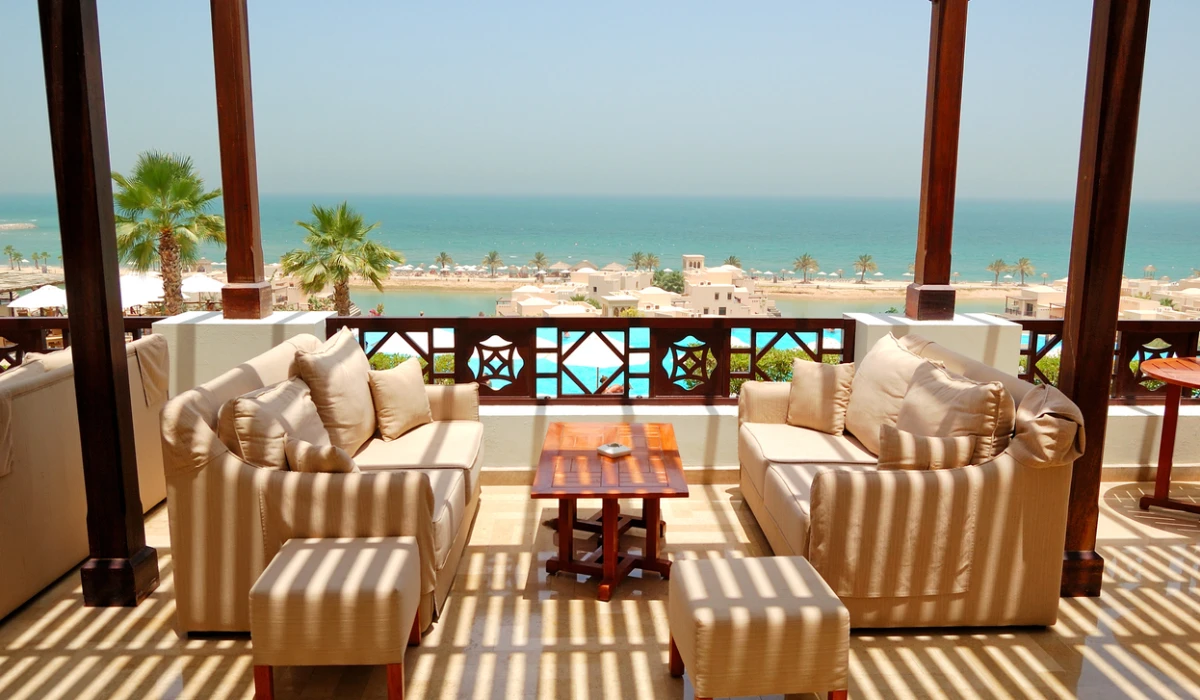
This is the quiet inversion at the heart of understated luxury in Dubai. The grand hotels sell you a story to tell. The anonymous suite sells you the opposite , a few days that belong only to you, undocumented, unshared, entirely yours.
The quiet is the point
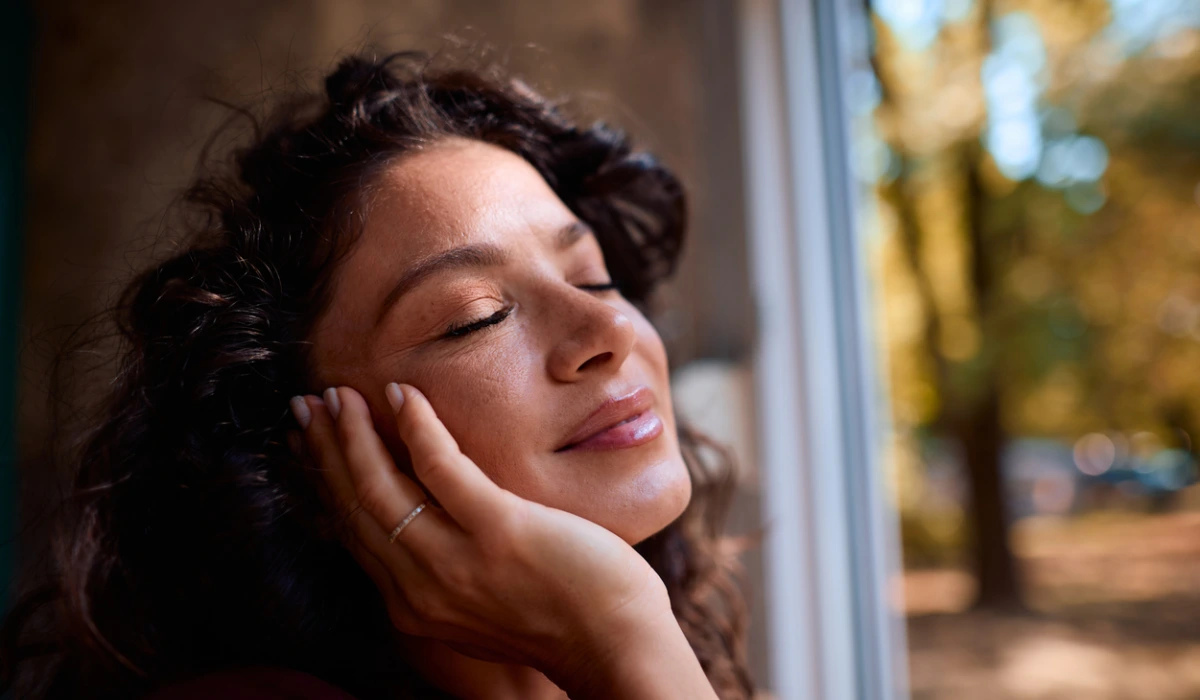
By the last morning, you notice what has happened to you:
-
Your shoulders have dropped.
-
You have stopped performing your own holiday.
-
You have spent days somewhere extraordinary without once being asked to prove it.
That is the whole idea behind the anonymous suite. Dubai will always offer the loudest luxury in the world, and it is very good at it. But the rarest thing the city has is silence , and the travellers who have learned to want it are the ones who leave the most rested, having shown no one anything at all.
FAQs
Q1: What is quiet luxury in Dubai? Quiet luxury in Dubai is understated, discreet high-end travel: intimate hotels, private suites, and personal service without spectacle or crowds. Instead of gold lobbies and photo-driven design, the focus is space, privacy, calm, and staff who are attentive but never intrusive.
Q2: Which Dubai hotels are known for understated, private luxury? Properties often associated with quiet, discreet luxury include Bulgari Resort Dubai on its private island, One&Only on Palm Jumeirah, the Armani Hotel inside the Burj Khalifa, Mandarin Oriental Jumeira, and the desert retreat Al Maha. Aman Dubai is also expected to join this tier.
Q3: Is Dubai only about flashy, over-the-top luxury? No. While Dubai is famous for dramatic, high-visibility hotels, it also has a growing collection of calm, private addresses designed for travellers who prefer discretion to display. Many visitors overbook the dramatic experiences and underbook the quiet ones.
Q4: How much does quiet luxury in Dubai cost? Discreet, private properties typically start well above standard five-star rates, often from around 1,500 USD per night and rising sharply for villas and suites with private pools. You are paying primarily for space, privacy, and seclusion rather than amenities alone.
Q5: When is the best time to visit Dubai for a quiet luxury stay? The cooler months from roughly November to March offer the most comfortable weather for enjoying private beaches, terraces, and pools. This is peak season, so booking a limited-room property well in advance is advisable.
Q6: Are these private Dubai suites suitable for families? Some are, but many of the most discreet properties are oriented toward adults seeking calm, with adults-only pools and a hushed atmosphere. Families wanting activity and energy may prefer larger resorts; a good travel planner can match the property to your needs.

Join the discussion