



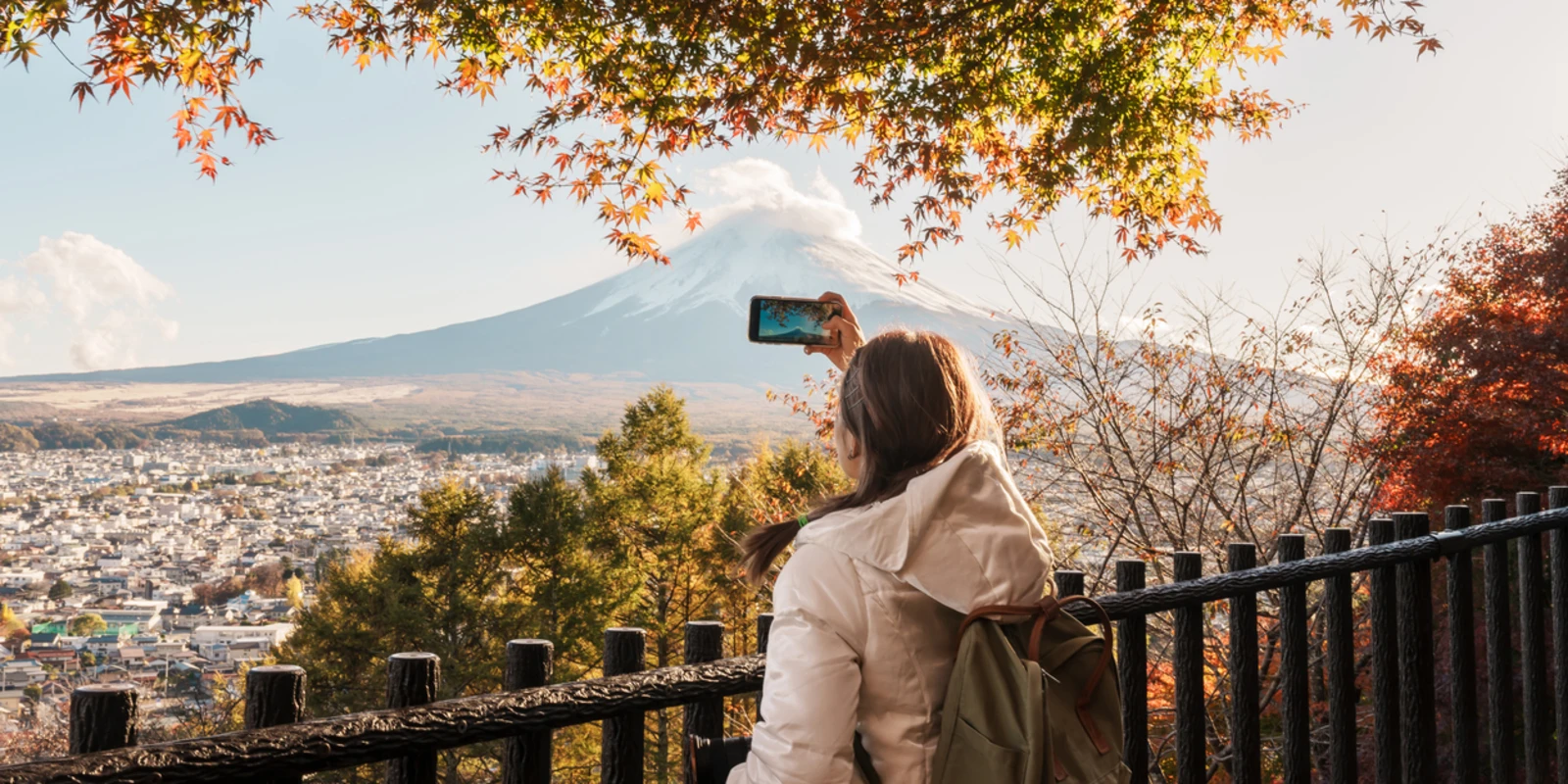
Most first-time visitors spend their whole trip in Tokyo, and I get it. The capital is electric. On a classic 3 days in Tokyo itinerary you tick off the big things to do in Tokyo Japan: the ancient Senso-ji Temple in Asakusa, the chaos of Shibuya Crossing, the calm of Meiji Jingu, the early-morning sushi near Tsukiji and Toyosu, and the view from Shibuya Sky or Tokyo Tower. It is all wonderful. But after a few trips, I learned a little secret: the real soul of Japan lives beyond the capital. So if you have a long weekend getaway, or you are turning a layover into an adventure, let me show you a different 72 hours, three cities that reveal three completely different sides of Japan.
Japan Is So Much More Than Tokyo
Here is the thing. Tokyo is really just the front door. A couple of hours west on the bullet train (the shinkansen) sits a whole other Japan: old wooden temples, lantern-lit geisha streets, the best street food on the planet, and quiet hot springs under the mountains. Think of this guide as your Japan trip planner for the parts most tourists rush past.
If you do start in Tokyo first, a quick word on where to stay in Tokyo: pick Shinjuku or Shibuya for the easiest train access, see Harajuku and Takeshita Street and maybe teamLab, then hop on the train and come with me.
Here is the 72-hour plan, beyond the capital:
Day 1: Kyoto, for temples and old-world tradition
Day 2: Osaka, for food and nightlife
Day 3: Nara or Hakone, for friendly deer or hot springs
Day 1: Kyoto, the Soul of Japan
Day one is Kyoto, the old imperial capital and, to me, the most beautiful city in the country.
Your Day 1 at a glance:
. Walk the red gates of Fushimi Inari at sunrise
. See the golden Kinkaku-ji and historic temples
. Wander the geisha streets of Gion
. Sip matcha in a traditional teahouse
Temples
I always start early at Fushimi Inari, climbing up through thousands of red torii gates before the crowds arrive. Then I visit Kinkaku-ji, the Golden Pavilion shimmering over its pond, and the wooden terrace of Kiyomizu-dera with the city spread out below. There are so many beautiful places in Kyoto that you could honestly spend a week, but even one full day leaves you breathless. In spring, cherry blossoms (sakura) line the canals and the whole city turns soft pink.
Geisha Districts
By late afternoon I head to Gion, Kyoto's famous geisha district. Strolling the lantern-lit lanes of Hanamikoji at dusk, you might glimpse a geiko or maiko slipping quietly to an appointment in a silk kimono. It feels like stepping back in time. Stay for sunset, when the old wooden machiya houses glow gold.
Traditional Culture
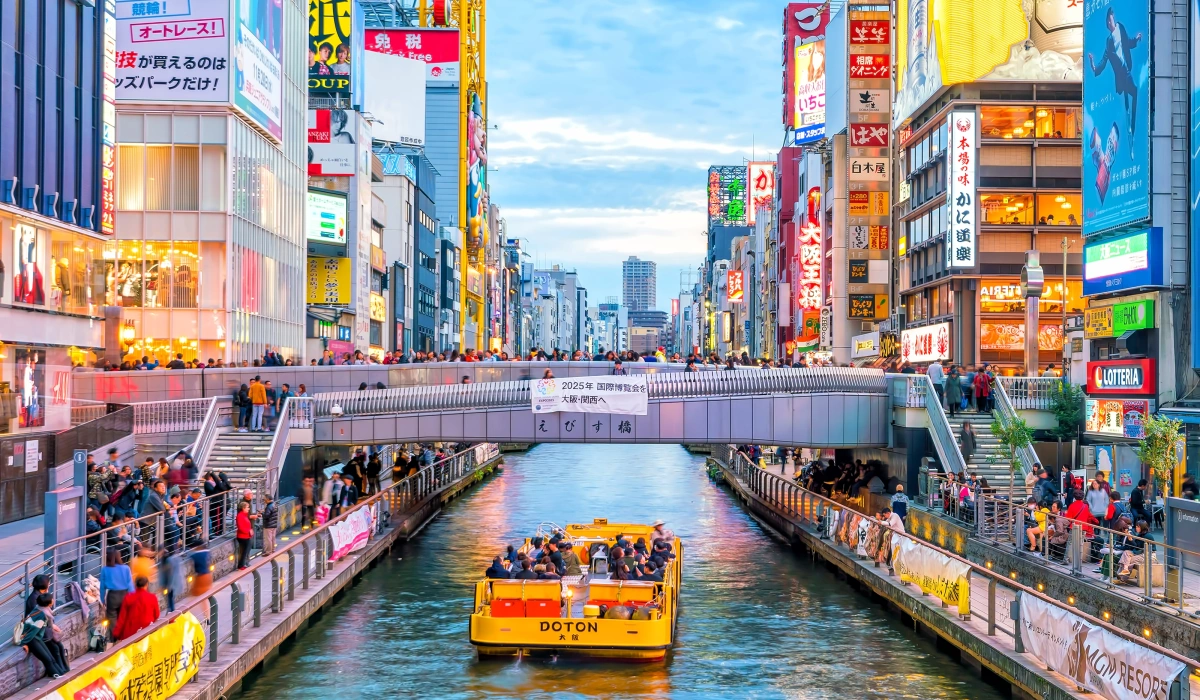
Kyoto is where I slow right down and soak up tradition. I join a matcha tea ceremony, try on a kimono, and treat myself to a careful, beautiful kaiseki dinner. If you can, spend the night in a ryokan, a traditional inn, and sleep on soft tatami mats with a hot bath before bed. It is pure magic.
Day 2: Osaka, the Kitchen of Japan
Day two is Osaka, just fifteen minutes from Kyoto by train and a total change of pace. Loud, friendly, and obsessed with food.
Your Day 2 at a glance:
. Eat your way through the neon canals of Dotonbori
. Explore local neighborhoods and Osaka Castle
. Dive into the buzzing nightlife
Food Culture
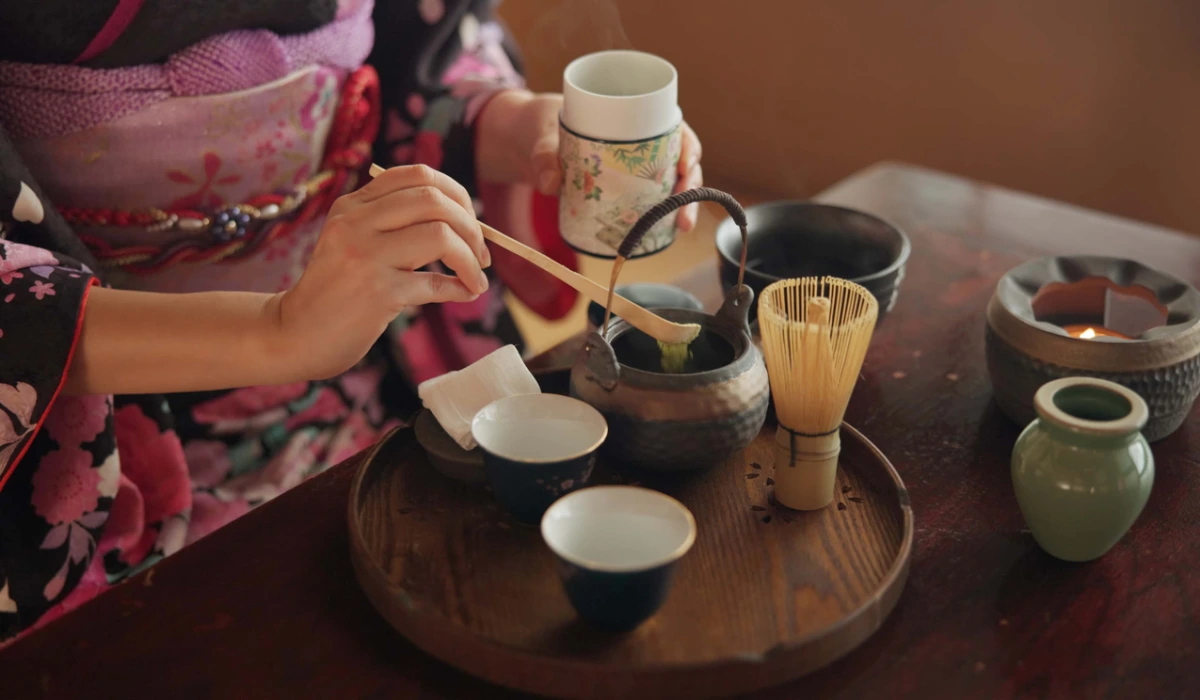
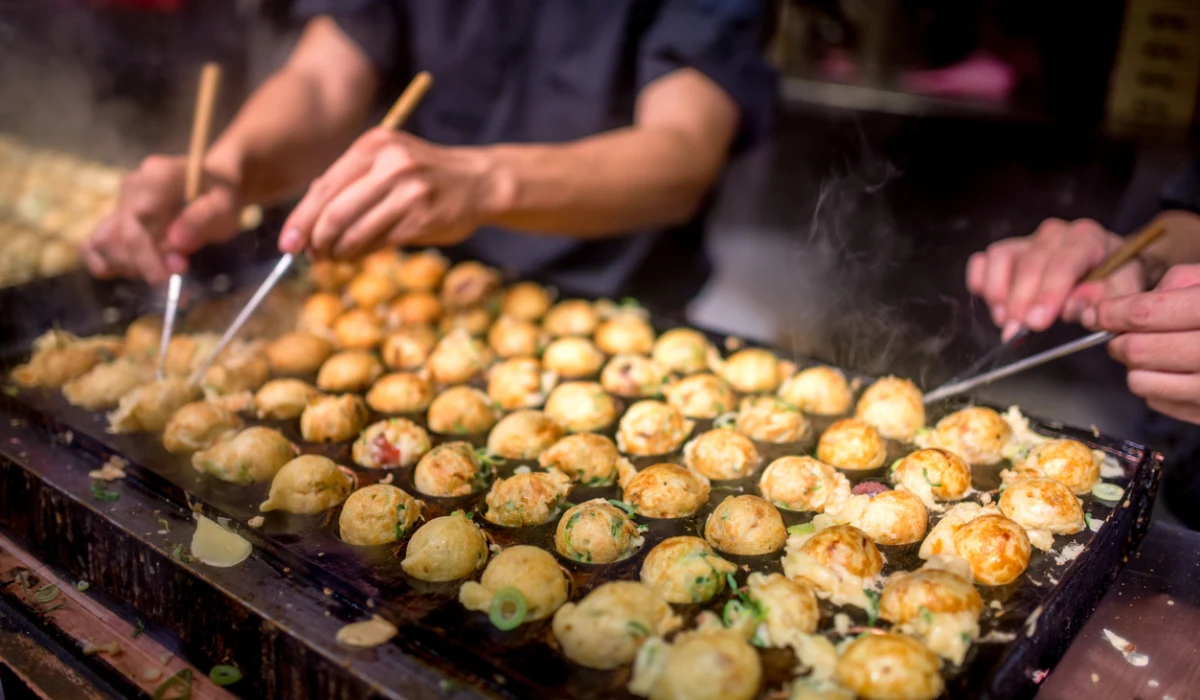
Osaka is the best food city in Japan, full stop. This is where I eat like it is my job: takoyaki (octopus balls), okonomiyaki (savory pancakes), fresh sushi, steaming bowls of ramen, and grilled skewers in a tiny izakaya. The neon-lit canals of Dotonbori are the beating heart of it all. When it comes to Japan food, it really does not get better than this.
Local Neighborhoods
Between meals, I just wander. The retro streets of Shinsekai, the trendy little shops of Amerikamura, and the grand Osaka Castle with its moat and park are all worth your time. Osaka feels real and welcoming in a way that big-ticket sights sometimes do not.
Nightlife
At night, the city truly comes alive. The lights of Dotonbori shimmer on the water, the izakayas fill up, and the whole place feels like one big party. Grab a drink, follow the crowds, and let the evening surprise you.
Day 3: Nara or Hakone, Your Choice
Your last day flexes around what you love most: friendly deer and giant Buddhas, or hot springs under the mountains.
Your Day 3 at a glance:
. Option A: Nara, for the deer park and the great Buddha
. Option B: Hakone, for hot springs and Mount Fuji views
. Either way: slow down and breathe it all in
Option A: Nara's Deer Park
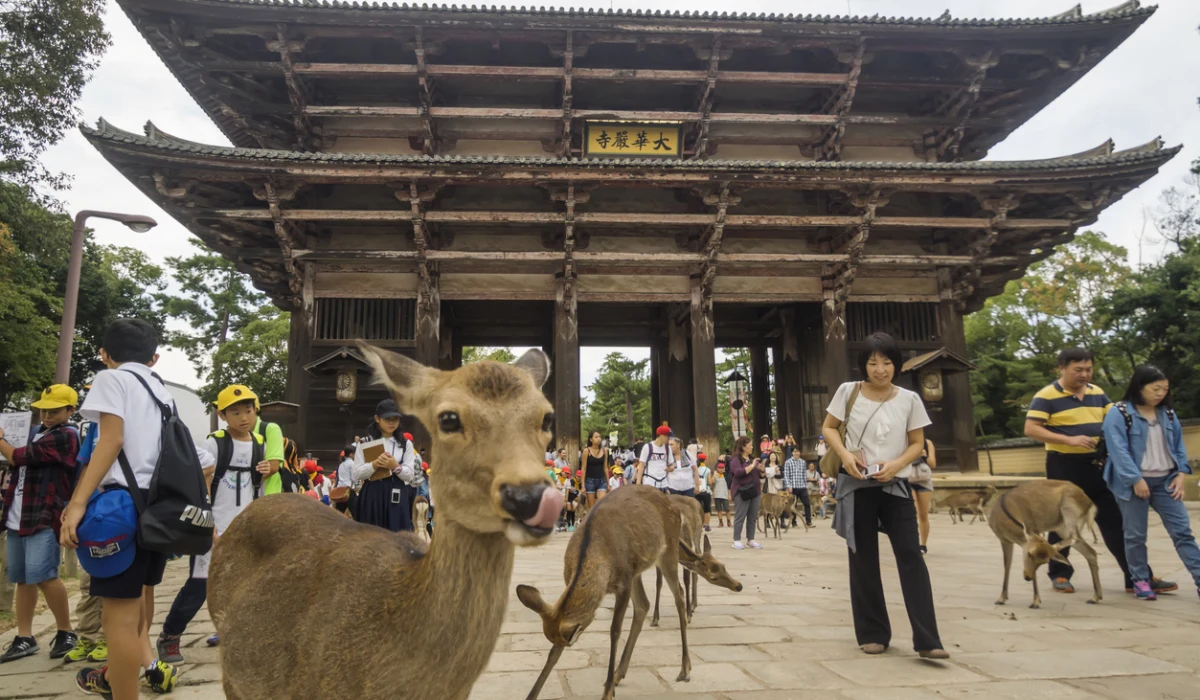
Nara is an easy forty-five minutes from Osaka or Kyoto. In Nara Park, hundreds of tame deer roam free and even bow for crackers, which is every bit as charming as it sounds. Nearby, the giant bronze Buddha inside Todai-ji temple is one of the most awe-inspiring sights in the whole country.
Option B: Hakone Hot Springs
If you would rather unwind, head to Hakone, a hot-spring town with views of Mount Fuji. A Mt Fuji day trip from here is easy: cruise Lake Ashi, ride the ropeway over the valley, and soak in an onsen with the mountain in view. It is the most peaceful way to end your trip.
Slow Travel Moments
Whichever you pick, day three is for slowing down. After two fast cities, I love just sitting with a cup of tea, watching the landscape roll past the train window, and letting Japan sink in. Those quiet moments are the ones I remember long after I fly home.
Best Time to Visit Japan
The best time to visit Japan is spring (late March to May) for the cherry blossoms, or autumn (September to November) for fiery red and gold leaves and mild, comfortable weather. Both are gorgeous in Kyoto especially, but they are also the busiest, so book early. Summer is hot and humid with lively festivals, while winter is crisp and quiet with far fewer crowds.
Know Before You Go
Getting around: The bullet train links Tokyo, Kyoto, and Osaka in just a few hours. If you are hopping between regions, check the JR Pass price against individual tickets, since a 7-day ordinary pass is around 50,000 yen (about $330) and only pays off with a lot of long-distance travel. Within a city, a Suica or Pasmo IC card makes every train tap-and-go.
. Money: Japan still loves cash (yen), though cards are more widely accepted now. Carry some yen for small shops, shrines, and street food.
. Comfort: For families, or after a long-haul layover, a private transfer from the station to your hotel saves a lot of stress with luggage.
. Etiquette: Be quiet on trains, do not tip, and carry your trash with you until you find a bin. A little politeness goes a long way here.
FAQs
Q1:What are the best things to do in Tokyo, Japan, and beyond in 3 days?
In Tokyo, do not miss Senso-ji Temple, Shibuya Crossing, Meiji Jingu, and the sunset views from Shibuya Sky. But with 72 hours you can also go beyond the capital: spend a day in Kyoto for temples and geisha districts, a day in Osaka for incredible food, and a day in Nara or Hakone for deer or hot springs. It is the perfect mix of old and new Japan in one short trip.
Q2:Is 3 days enough time in Japan?
Yes, three days is enough to see a lot if you plan well. You can either focus on Tokyo with a Mt Fuji day trip, or, as in this guide, explore Kyoto, Osaka, and Nara or Hakone. The bullet train makes city-hopping fast and easy, so you can pack a surprising amount into one long weekend.
Q3:How much is the JR Pass, and is it worth it for a short trip?
In 2026, a 7-day ordinary JR Pass price is about 50,000 yen (around $330), rising to 53,000 yen at overseas agents from October 2026. For a short Tokyo to Kyoto to Osaka trip it usually does not pay off, so compare it against individual bullet train tickets for your exact route. For travel inside one city, a Suica or Pasmo card is far cheaper.
Q4:When is the best time to visit Japan?
The best time to visit Japan is spring (late March to May) for cherry blossoms or autumn (September to November) for fall foliage and mild weather. These are the most scenic and comfortable seasons, but also the most crowded, so book your flights and hotels well in advance.
Q5:Do I need to pay an entrance fee for temples and shrines?
Many of Japan's famous shrines are free to enter. The Meiji Jingu entrance fee, for example, is free for the main shrine grounds, with only a small charge for the inner garden. Big temples like Kinkaku-ji or Kiyomizu-dera in Kyoto usually charge a small fee of a few hundred yen, so carry some coins.
Join the discussion