




-
The "Perfect Shot" Illusion: It's Not Lying, But It's Not the Full Truth
-
The Costs Nobody Puts in the Caption
-
The Effort Behind "Effortless"
-
When the Content Is Actually an Advertisement
-
Some Viral Spots Don't Survive the Visit
-
The Culture That Doesn't Make the Feed
-
The Practical Stuff Nobody Films
-
The Part That Actually Matters
-
FAQs
The "Perfect Shot" Illusion: It's Not Lying, But It's Not the Full Truth
Travel influencers make every destination look effortless, magical, and perfectly Instagram-worthy, but is it really that flawless? Behind those stunning photos and viral reels, there’s a side of travel that rarely makes it online. Crowds, long waits, unexpected costs, and the hours spent chasing the perfect shot are just a few of the realities they often leave out. In this blog, we’re uncovering the hidden truths of travel, what influencers don’t show you, and sharing tips to help you explore smarter, save time, and still capture your own unforgettable moments.
1. The "Perfect Shot" Illusion: It's Not Lying, But It's Not the Full Truth
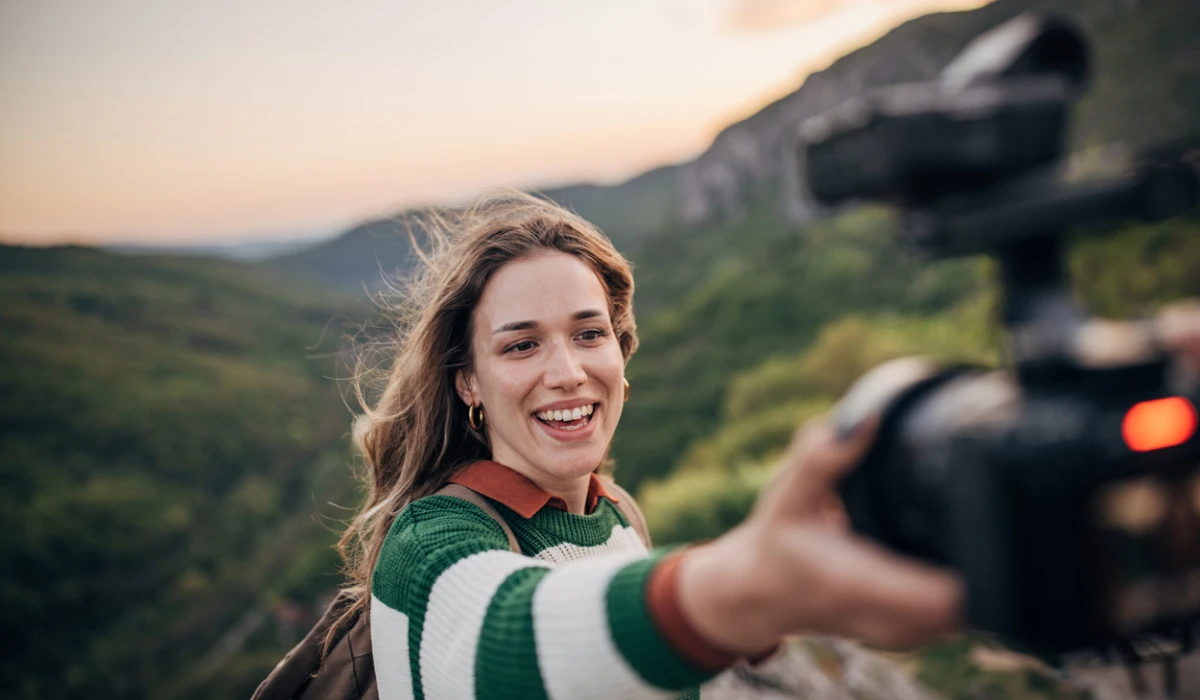
Here's the thing about travel photography: every single image is a choice. A choice of angle, of timing, of what to include and, more importantly, what to leave out.
When you see that serene shot of Egypt's Valley of the Kings with nobody around, someone woke up before 5am and waited. When the medina alleys of Fez look empty and golden, that photo was taken in a ten-minute window at dawn before the city exhaled into motion. The Bosphorus at sunset in Istanbul is genuinely that beautiful, but to get that shot with no boats, no tourists, no noise, you're shooting from one very specific angle and cropping out everything else.
This isn't dishonesty. It's craft. But consuming that craft as a travel guide is where things go sideways.
What's actually happening behind the frame:
-
The famous "empty" viewpoints — Fushimi Inari in Kyoto, the pyramids at Giza, the blue streets of Chefchaouen in Morocco, are empty for roughly 45 minutes a day at most, and only if you're there at the right time of year
-
Colors in almost every travel photo you've ever admired have been significantly enhanced in post-processing, the warm tones, the vivid blues, the golden haze
-
Wide-angle lenses compress space and eliminate context, what looks like a vast empty landscape often has a car park twenty meters to the left
-
The "casual" outfit, the "spontaneous" glance back over the shoulder, the "stumbled upon" market stall, these are usually the result of an hour of trying
We are not saying this to deflate the magic. We are saying it because when you actually stand in these places with realistic expectations, you see them clearly, and they're often even more interesting than the edited version. The pyramids with Cairo sprawling behind them is a more extraordinary sight than the pyramids suspended in a clean desert void. The real version has weight and context. It's just not as shareable.
The Costs Nobody Puts in the Caption
2. The Costs Nobody Puts in the Caption
The travel influencers show you the experience. They don't show you the budget spreadsheet that made it possible, or the fact that for them, frequently, there wasn't one.
Here's what quietly adds up:
-
Entrance fees stack fast. In Egypt, visiting the Valley of the Kings means separate fees for the general site and then again for specific tombs. In Japan, the more popular temples and gardens now have timed entry tickets that sell out weeks in advance and cost real money. Tunisia's Roman ruins at Dougga are worth every piaster, but nobody tells you that when they're posting the dramatic columns at sunset
-
Transport between places is the budget killer nobody discusses. Sri Lanka looks small on a map. Getting between Colombo, Ella, Sigiriya, and the north coast by train, tuk-tuk, and occasional bus is one of the most wonderful ways to travel, and it takes time, energy, and money that the highlight reel simply skips
-
The "aesthetic" café or restaurant near the landmark costs dramatically more than the one around the corner. The rooftop tea in Istanbul's tourist quarter, the trendy riad lunch in Marrakech, you're paying for the location, and the location was chosen because it photographs well
-
"Instagrammable" experiences, the hot air balloon over Cappadocia, the private felucca on the Nile, the elephant sanctuary in Thailand, are wonderful, but they're often presented as casual discoveries rather than premium bookings
None of this means you shouldn't spend the money. Some of those experiences are worth every penny. But walking in with a realistic budget prevents the particular misery of running out of it halfway through your trip.

The Effort Behind "Effortless"
3. The Effort Behind "Effortless"
The aesthetic of modern travel content is studied nonchalance. Everything looks stumbled upon, unhurried, and naturally lit. The reality of producing that content, or even just replicating it as a regular traveler, is quietly exhausting.
The unglamorous truth:
-
Sunrise alarm calls are a daily commitment, not an occasional romantic gesture, if you want empty shots of Angkor Wat, the Saharan dunes, or Halong Bay in Vietnam, you're setting your alarm for 4am and actually getting up
-
Queue times at popular sites in peak season are brutal and never shown, the Topkapi Palace in Istanbul in July, the Grand Palace in Bangkok, the Egyptian Museum in Cairo can mean two hours of standing before you even get inside
-
Weather doesn't cooperate on schedule, the famous balloon flights over Cappadocia get cancelled more often than they happen, the pink salt lakes of Tunisia's interior look very different under grey cloud, Thailand's beaches disappear into rain for weeks at a time
-
The "spontaneous local market" scene usually involved asking the market vendor permission, repositioning items, and shooting for twenty minutes
This isn't a complaint. It's just context. If you want those shots yourself, you can absolutely get them, but know going in that they're the product of real effort, not luck.
When the Content Is Actually an Advertisement
4. When the Content Is Actually an Advertisement
This is the part that matters most if you're using social media to plan where to go and what to do there.
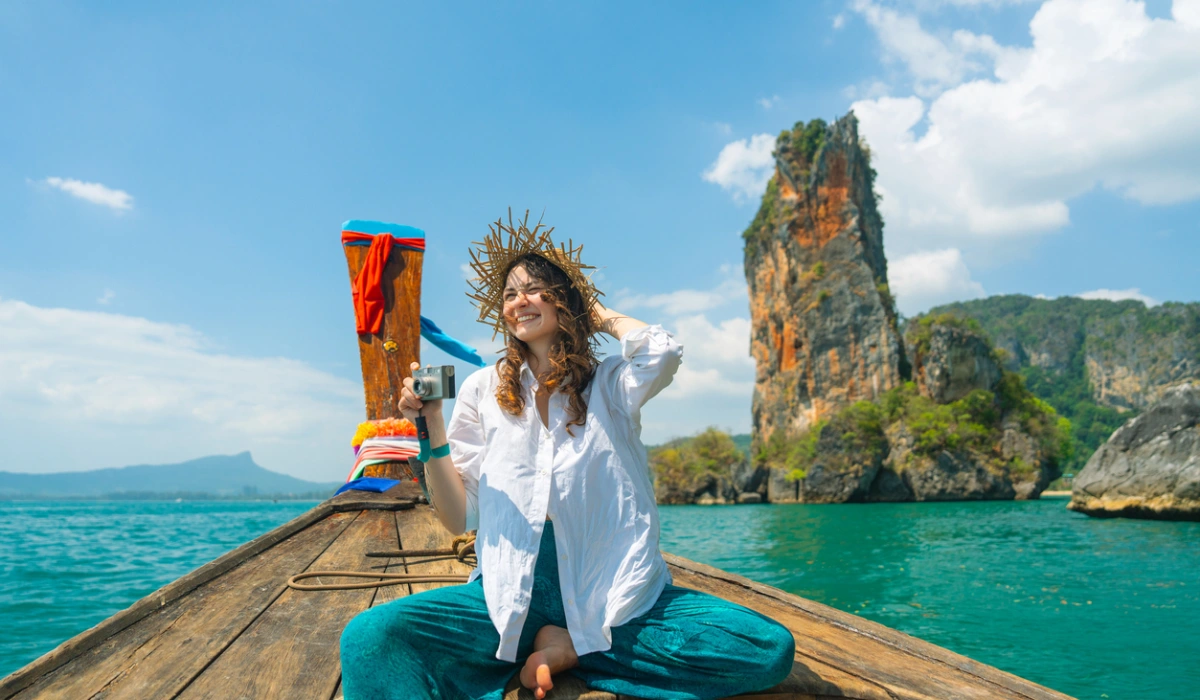
A significant proportion of travel content (particularly from accounts with large followings) is produced with the support of tourism boards, hotel groups, airlines, or tour operators. The creator is hosted, upgraded, and guided through a curated version of a destination. What they experience and what you will experience are often not the same thing.
What "hosted" actually means:
-
The riad in Fez with the perfect courtyard and the roof terrace was complimentary. The real booking experience, the price during high season, and the gap between the photos and the actual room are not part of the story
-
When tourism boards host influencers, trips are planned to be smooth and perfect, delays, crowds, or bad weather never show up online.
-
Disclosure requirements vary by country and are inconsistently applied. "Gifted," "partner," "collab," and "ad" tags are often present but buried, or absent entirely
This doesn't mean the content is fabricated. Morocco really is that beautiful. Japan really does have that quality of light. Egypt is as overwhelming and magnificent as it looks. But what you're often watching is a premium, facilitated version of a destination, and that's worth knowing before you book based on it.

Some Viral Spots Don't Survive the Visit
5. Some Viral Spots Don't Survive the Visit
There are places that have been photographed so extensively, so skillfully, and for so long that the image has completely separated from reality. The place still exists. It's just that the version of it that lives online is now more famous than the actual location.
This isn't the destination's fault. It's what happens when millions of people direct their cameras at the same spot for a decade.
-
Pamukkale in Turkey: the white travertine terraces are real and genuinely beautiful, but the freely flowing thermal pools of the old photos are heavily managed now. Visitors walk specific paths barefoot. Much of the white surface is maintained rather than naturally formed. The wild, ethereal place in the photos doesn't quite exist anymore
-
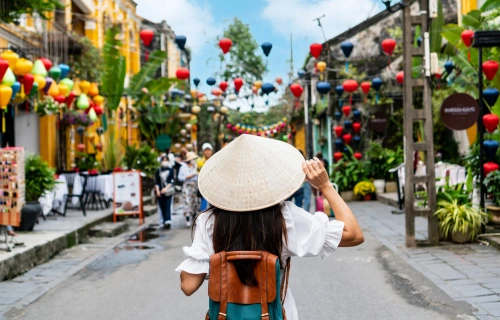
The lantern streets of Hoi An in Vietnam: genuinely gorgeous, and the atmosphere in the evenings is real, but it is also now a managed tourist experience with entrance fees, designated photo zones, and crowds that build steadily from mid-morning
Knowing this in advance doesn't ruin these places. It actually helps. You arrive ready to find your own angle, your own moment, your own version of it, rather than spending the whole visit trying to recreate an image you already saw online.
The Culture That Doesn't Make the Feed
6. The Culture That Doesn't Make the Feed
Here's what I've noticed over years of traveling: the moments that stay with you are almost never the ones that look best on camera. They're the conversations, the meals that weren't planned, the neighborhoods you wandered into because you got lost.
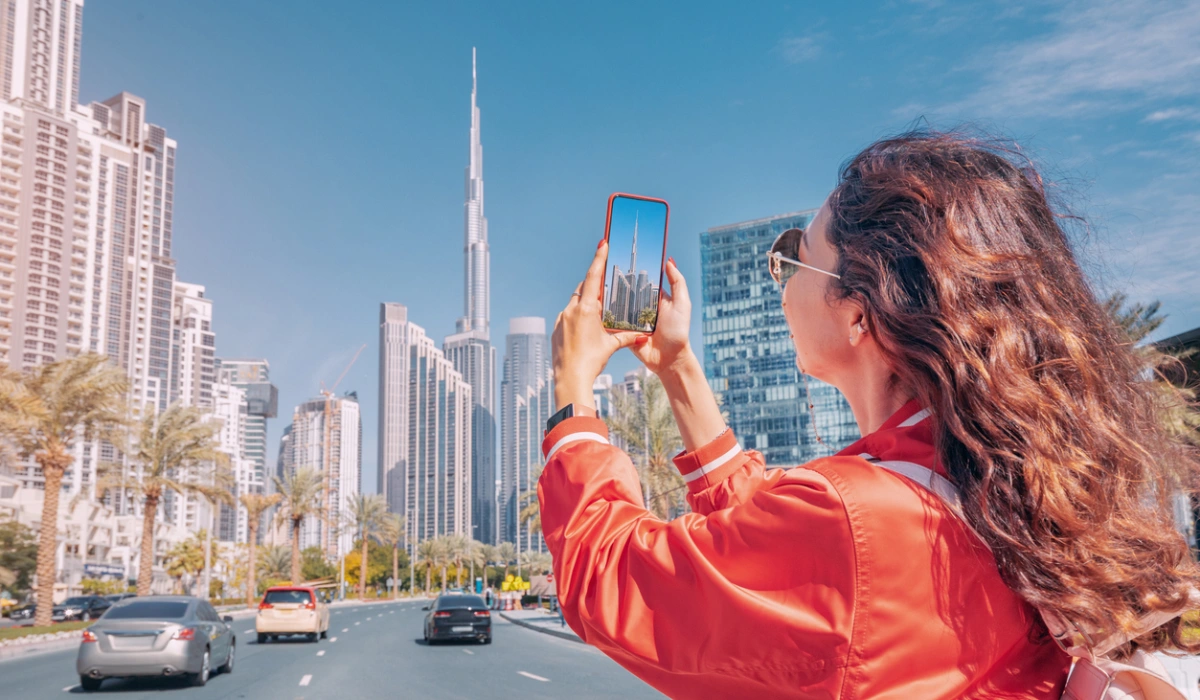
Travel content, almost by necessity, focuses on surfaces. The colors of a souk, the architecture of a medina, the silhouette of a temple at dusk. These things are beautiful. But they're the beginning of a place, not the depth of it.
What rarely gets posted:
-
The family-run restaurant in a side street in Tunis where nobody speaks your language and the food is the best you've eaten all trip
-
The ordinary neighborhood in Tokyo that doesn't have a famous landmark but where you spent an afternoon just watching the rhythm of daily life
-
The conversation with a guide at a site in Morocco or Egypt who tells you something about the history that reframes everything you thought you understood
-
The local market in Sri Lanka or Vietnam that isn't the one on the tourist map, the one where people are actually buying food for dinner
These experiences don't perform well on social media because they're hard to frame and impossible to caption. But they're the part of travel that actually changes you. Don't let the feed make you think they're less important than the sunset shot.
The Practical Stuff Nobody Films
7. The Practical Stuff Nobody Films
Heat. Distance. Hills. Rain. Construction. Night safety. These are all real factors in real travel.
-
Walking the medinas of Morocco is wonderful and genuinely disorienting, it's also kilometers of uneven stone in heat that peaks in summer at levels that require real pacing and hydration
-
Climbing Sigiriya Rock in Sri Lanka is a bucket-list experience, it's also steep, exposed, and genuinely demanding in humidity that can hit 90%
-
Japan in August is as magnificent as ever, it is also one of the most humid environments many Western travelers will ever experience, and it affects everything about how you move and feel
-
Parts of Africa's major cities, certain neighborhoods in Cairo after dark, specific market areas in large Moroccan cities, these have real safety considerations that nobody raises when they're selling you the destination
This isn't fear-mongering. Most of these places are completely manageable with straightforward preparation and awareness. But "straightforward preparation and awareness" requires deep information about the destination.
8. How to Travel With Your Eyes Open
The good news is that none of this requires much, just a slightly broader research approach than scrolling a feed.
Small habits that make a real difference:
-
Use Instagram for inspiration, not information. Let it show you where you want to go. Then go somewhere else, Google Maps reviews, recent Reddit threads, travel blogs with actual dates, to find out what it's currently like
-
Read the most recent reviews, not the most positive ones. Look for reviews from the last two or three months. They'll tell you about current construction, current pricing, current crowds, and current conditions
-
Time your visits deliberately. The first hour after a site opens and the last hour before closing are consistently the least crowded across virtually every major destination. This is reliable almost everywhere
-
Build a real budget. Whatever a destination appears to cost based on content, add 25–30% and plan from there. Factor in entrance fees, transport between sites, and at least a few meals in tourist areas because sometimes you're just tired and the place closest to you will do
-
Find one thing that isn't on the highlight reel. One meal away from the tourist district. One afternoon in a neighborhood that nobody's posting about. One conversation with someone who actually lives there. These tend to cost less and mean more
The Part That Actually Matters
Travel isn’t overrated. The magic of truly being somewhere extraordinary, the sights, sounds, and emotions, can’t be captured in staged photos or curated feeds. The best travel happens when you arrive with open eyes, realistic expectations, and a willingness to embrace the unexpected. It’s messier, louder, more complicated, and sometimes challenging, but it’s also infinitely more yours. That’s the travel worth experiencing.
FAQs
Q1. Are Travel Influencer Photos Real or Staged?
They're real places, captured in the most unrealistic conditions possible. The empty streets, the perfect light, the zero crowds, that's 5am, hundreds of rejected shots, and heavy post-processing. The location exists. The experience of standing there on a normal afternoon looks nothing like the photo. Both things are true.
Q2. What Do Travel Influencers Not Show About Popular Destinations?
Mostly the uncomfortable stuff. The crowds, the heat, the rain, the entrance fees, the delays, the site that's under renovation. The neighborhood that doesn't photograph well but has the best food you'll eat all trip. The long walks nobody films. The ordinary friction that makes travel real, and ultimately more memorable than any highlight reel.
Q3. How Much Does It Really Cost to Visit Places Travel Influencers Post About?
More than the caption suggests, and sometimes the influencer wasn't paying at all. Entrance fees stack up fast. Internal transport between destinations costs real money. Tourist-area restaurants charge several times local prices. Iconic experiences that look like casual discoveries are often premium bookings.
Q4. Is Sponsored Travel Content Reliable for Trip Planning?
For inspiration, yes. For practical planning, it has real limits. Many creators are hosted by tourism boards and travel brands, meaning their transport is arranged, their hotel is upgraded, and their itinerary is problem-free. That's not the trip you'll have. Use content to decide where to go, then use recent reviews, Reddit, and travel forums to find out what it's actually like right now.
Q5. Why Do Famous Destinations Look Different in Real Life Than on Instagram?
Because the image and the place have separated. Popular spots have been photographed so extensively that the curated version is now more famous than the actual location. The solitude, the perfect conditions, the untouched feel, these often require precise timing that's no longer replicable, or reflect a version of the place that simply doesn't exist anymore.
Q6. How Can I Plan a Trip Without Being Misled by Travel Influencer Content?
Use social media to choose your destination, then switch tools. Google Maps reviews, TripAdvisor, and Reddit communities will tell you what a place is actually like right now. Filter reviews by the most recent dates. Search for the problems deliberately,"[destination] + disappointing" will surface what the highlight reel filtered out. Build your budget from real traveler accounts, not sponsored content.
Q7. Are Viral Travel Spots Worth Visiting in Real Life?
Yes, just not as the version the feed sold you. The magic is real. The history, the beauty, the culture, all of it holds up. The crowds are also real, and so is the gap between the photo and the moment you're standing there. Arrive with honest expectations and most places will exceed them.
Join the discussion