



-
The Bánh Mì: A Sandwich That Survived History
-
The Reuben: America's Greatest Argument
-
The Choripán: Argentina's Soul Food
-
The Croque-Monsieur: French Elegance, No Apologies
-
The Smørrebrød: Denmark's Open-Faced Masterpiece
-
The Cemita: Mexico's Secret Weapon
-
What Actually Makes a Sandwich 'Interesting'?
-
FAQs
Let me tell you about the best thing I ever ate.
It wasn't at a Michelin-starred restaurant. A famous chef didn't prepare it. It was a sandwich — stuffed into my hands by a street vendor in a narrow alley in Vietnam, wrapped in a torn piece of paper, and eaten while leaning against a rusty motorbike.
That moment changed how I think about food. Because a great sandwich isn't just lunch. It's a culture, a history, a conversation between continents — all packed between two slices of bread.
So I went down the rabbit hole. I talked to food historians, tried recipes from across six continents, and embarrassed myself badly attempting to recreate a legendary New Orleans po'boy in my apartment kitchen. This is what I found.
Hold onto your napkins.
The Bánh Mì: A Sandwich That Survived History
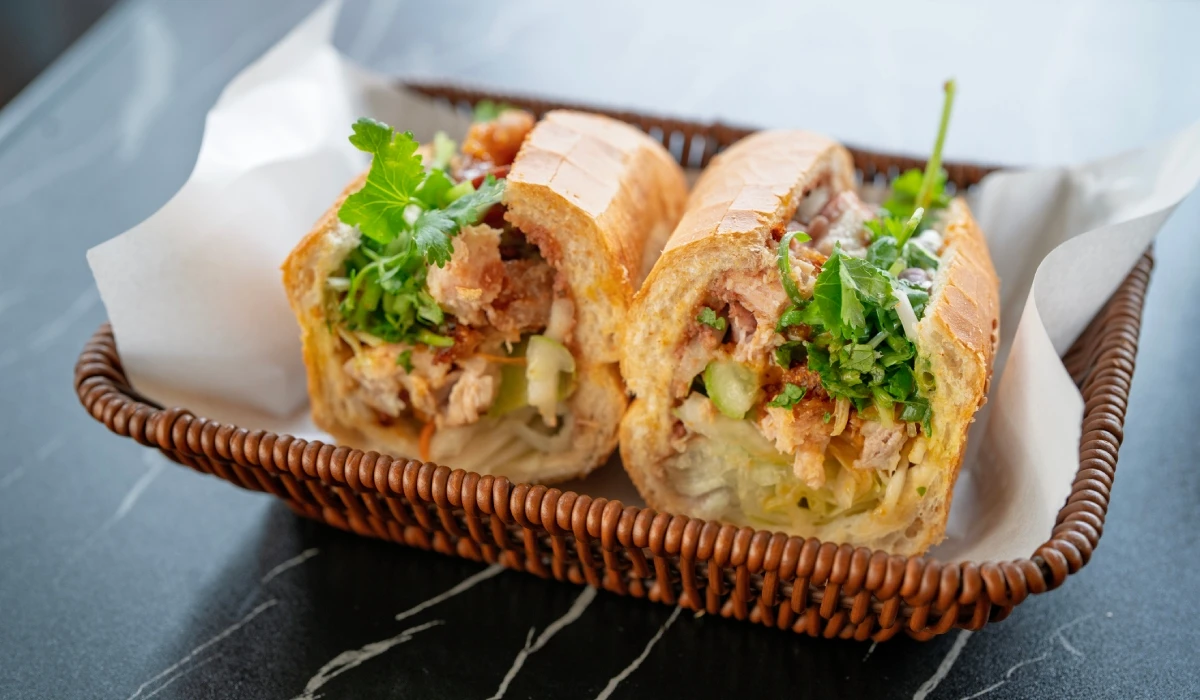
If any sandwich deserves the word 'extraordinary,' it's the Vietnamese bánh mì.
Here's the backstory: France colonised Vietnam in the mid-1800s, and with them came the baguette. But the Vietnamese didn't just copy it — they transformed it. They made the bread lighter, with a crispier crust and an airier crumb. Then they filled it with a collision of flavours that the French never imagined: pork belly, pâté, pickled daikon, fresh chilli, cilantro, and a smear of mayonnaise.
What you end up with is a sandwich that's simultaneously French and Vietnamese, colonial and rebellious, soft and crunchy, rich and fresh. It is, objectively, one of the most balanced sandwiches ever created.
The bánh mì I had in Hội An cost about 25,000 Vietnamese dong — roughly one US dollar. It tasted like it cost a hundred.
Have you ever tasted something so good it made you stop walking? That was my bánh mì moment.
The Reuben: America's Greatest Argument
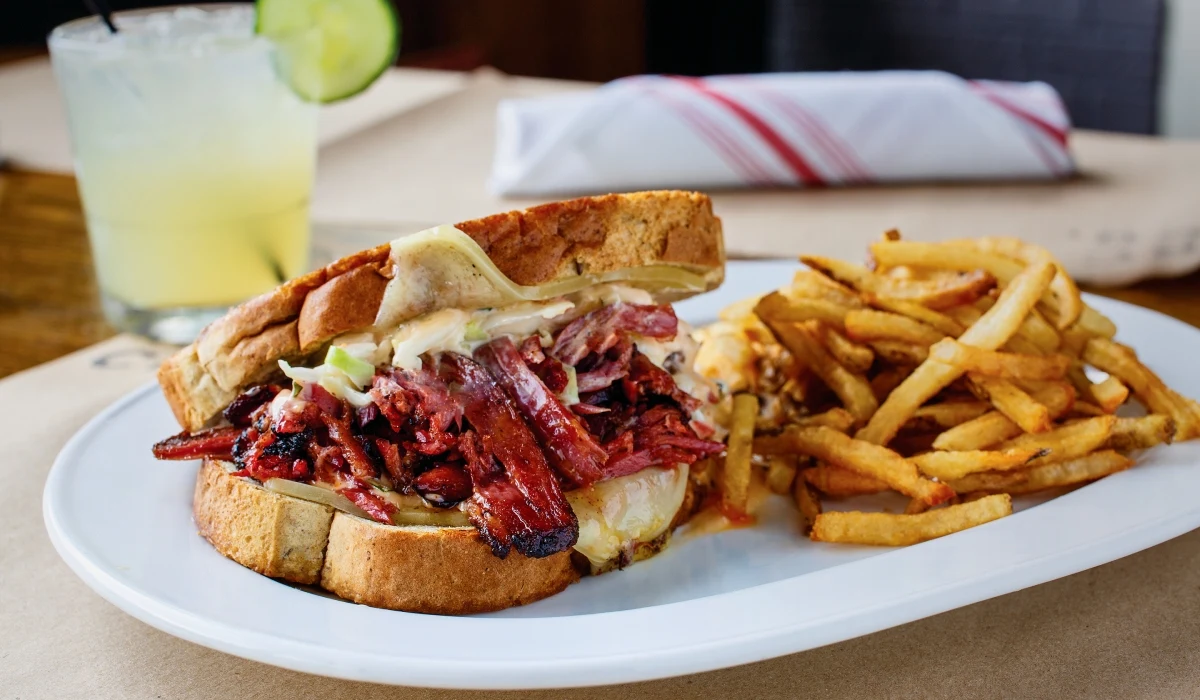
The Reuben is one of the most contested sandwiches in American culinary history — not because anyone doubts it's delicious, but because everyone argues about where it came from.
Some say it was invented in the 1920s at the Blackstone Hotel in Omaha, Nebraska. Others insist it originated at Reuben's Delicatessen in New York City. Both camps are passionate. Neither will back down.
What's not in dispute is the sandwich itself: corned beef piled high on rye bread, layered with Swiss cheese, sauerkraut, and Russian (or Thousand Island) dressing, then grilled until the bread is golden and the cheese melts into everything else.
A good Reuben is unapologetically rich. It's the kind of sandwich you eat on a cold Tuesday when you need the world to feel a little softer.
A friend of mine from Nebraska swears the Omaha story is true. Her grandmother used to make Reubens every Sunday. I'm not going to argue with someone's grandmother.
The Choripán: Argentina's Soul Food
In Argentina, the choripán is more than a sandwich. It is a social institution.
It starts with chorizo — a fat, deeply seasoned pork sausage — grilled over open flame until charred and crackling. Then it gets split and laid inside a crusty bread roll called a pan francés. The finishing touch? A generous smear of chimichurri, that bright, garlicky herb sauce that Argentina puts on absolutely everything and is completely right to do so.
You'll find choripáns at football matches, family asados, street festivals, and political rallies. It's the great equaliser. Everyone eats one. Everyone loves it.
What makes the choripán so fascinating is its simplicity. There's no elaborate technique, no rare ingredient. It's just a sausage, bread, and a sauce — and yet it tastes like belonging.
If you ever visit Buenos Aires, don't spend your first meal at a fancy steakhouse. Find a street vendor, get a choripán, and eat it standing up. That's the real Argentina.

The Croque-Monsieur: French Elegance, No Apologies
France gave the world many things — wine, cinema, existentialism — but arguably its greatest gift to sandwiches is the croque-monsieur.
The name means 'crunchy mister,' which is genuinely one of the best things ever committed to a menu. It's made with thick white bread, ham, and Gruyère cheese — then drenched in béchamel sauce and baked (or pan-fried) until it becomes a gloriously indulgent, bubbling masterpiece.
Add an egg on top, and it becomes a croque-madame. The egg, apparently, represents a hat. The French are nothing if not theatrical.
I once ordered a croque-monsieur at a small café near the Marais in Paris and ate it in about four minutes while pretending to be sophisticated. It is a sandwich that makes you feel like you have your life together, even when you absolutely do not.
The béchamel is the secret. Don't skip it. Don't substitute it. Respect the béchamel.

The Smørrebrød: Denmark's Open-Faced Masterpiece
Can something be a sandwich if it only has one piece of bread?
This is a genuine philosophical question in food circles, and Denmark's smørrebrød sits right at the centre of it.
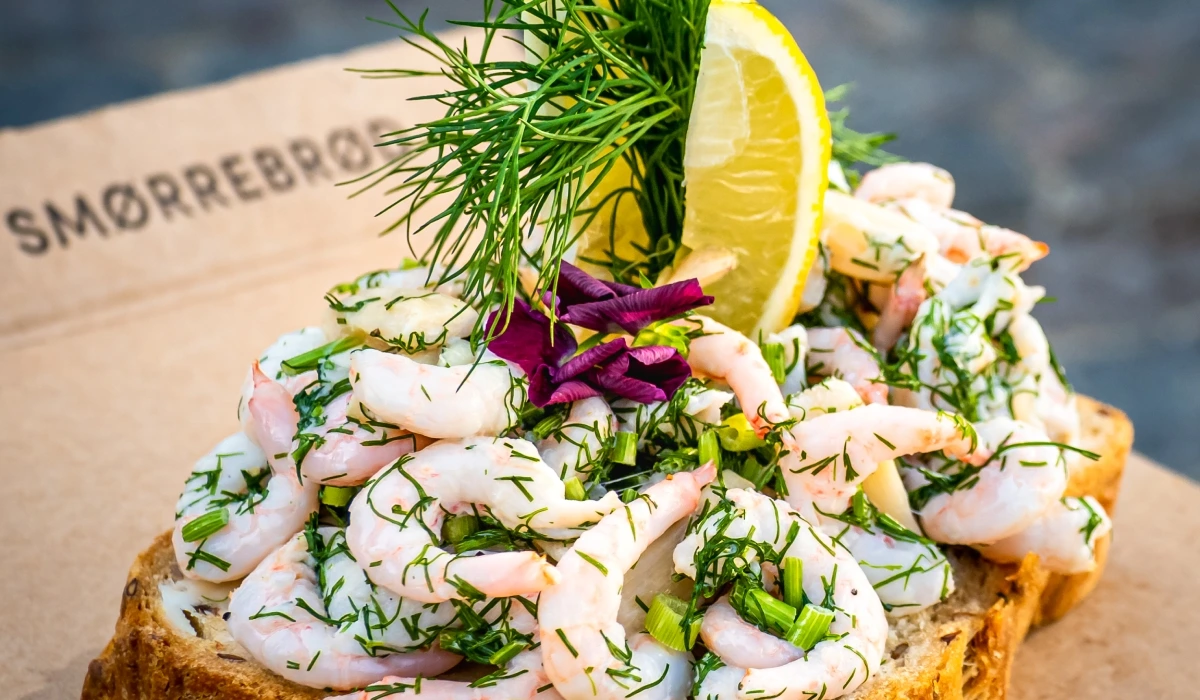
Smørrebrød — which translates roughly as 'butter bread' — is a slice of dense, dark rye bread topped with an almost comically generous arrangement of ingredients. We're talking pickled herring with red onion, roast beef with crispy onions and horseradish, or cold shrimp with mayonnaise and dill. Each one is assembled with artistic precision.
In Denmark, smørrebrød isn't fast food. It's a sit-down lunch experience. Restaurants dedicate entire menus to them. There are even smørrebrød specialists — professionals trained specifically in the art of open-faced construction.
What strikes me about smørrebrød is how it demands your full attention. There's no way to eat one while scrolling your phone. You have to sit down, use a fork, and pay respect.
Which — honestly? — is a lesson sandwiches have been quietly trying to teach us all along.
The Cemita: Mexico's Secret Weapon
Most people outside Mexico know the torta. Fewer know the cemita — its bigger, bolder cousin from Puebla, and arguably the more interesting sandwich of the two.
The cemita starts with a sesame-seed bun — soft but sturdy — and piles in: breaded meat (milanesa), Oaxacan cheese, avocado, chipotle peppers, and the secret ingredient that sets it apart from anything else on this list: papalo.
Papalo is an herb. It's pungent and slightly bitter, with a flavour that sits somewhere between cilantro and rue. It's a lot. And somehow it makes the whole sandwich sing.
The first time I encountered papalo, I didn't know what I was tasting. My friend Daniela, who grew up in Puebla, laughed at my confusion. 'Just eat,' she said. So I did. And it clicked — all that richness suddenly cut through and brightened.
The cemita is proof that sometimes the ingredient you've never heard of is exactly the one you needed.

What Actually Makes a Sandwich 'Interesting'?
After all of this — all the eating, the researching, the one genuinely disastrous attempt at homemade bánh mì where I overseasoned the pickled carrots to the point of inedibility — I've arrived at a theory.
The most interesting sandwiches in the world share three things.
First, they have a story. Every great sandwich on this list came from somewhere specific — a colonised nation reclaiming a baguette, a Nebraska hotel trying to feed poker players, a Buenos Aires street corner on a Sunday afternoon. Food without context is just calories.
Second, they balance contrast. Soft and crunchy. Rich and bright. Warm and cool. The best sandwiches are little exercises in tension — opposing forces that somehow agree.
Third, they are honest. None of these sandwiches is trying to be something they're not. The choripán doesn't pretend to be fine dining. The smørrebrød doesn't apologise for needing a fork. They know what they are, and they commit.
Isn't that a pretty good philosophy for more than just sandwiches?
I want to be clear about one thing: this list is not definitive. I haven't yet made it to a proper New Orleans muffuletta, stacked with olive salad and Italian meats. I haven't tried a South African braaibroodjie — a grilled cheese packed with tomato and onion, cooked over an open fire. I haven't eaten a proper Cubano in Tampa, where they claim (with some justification) to have invented it.
This investigation is ongoing. As all good investigations should be.
What I do know is this: sandwiches are underestimated. We treat them as an afterthought — something to grab between meetings, something to make when we can't be bothered to cook 'properly.' But the sandwiches on this list remind us that between two pieces of bread, entire histories live.
The next time someone dismisses a sandwich as 'just lunch,' tell them about the bánh mì. Tell them about chimichurri and papalo and béchamel sauce. Tell them about a woman in Omaha whose grandmother made Reubens every Sunday, and how that recipe is still being argued about a hundred years later.
Then go make yourself something delicious.
You deserve it.

FAQs
1. What actually makes a sandwich 'interesting' — isn't it all just bread and filling?
Context is everything. The bánh mì is interesting because it carries the story of a colonised nation reclaiming a foreign ingredient. The Reuben is interesting because it's been argued over for a century. The best sandwiches have history, contrast, and a clear sense of identity. It's never just bread and filling.
2. Where is the best place in the world to eat a bánh mì?
Hội An, Vietnam. Specifically Bánh Mì Phượng — a tiny shop with legendary status and queues to match. That said, the honest answer is simpler: anywhere in Vietnam, warm, wrapped in paper, eaten standing up. Circumstance is half the flavour.
3. Is a hot dog a sandwich? What about a wrap? Where does it end?
According to the Cube Rule of Food — a geometric theory that classifies food by how carbs surround filling — a hot dog is technically a taco, not a sandwich. Wraps and open-faced smørrebrød both qualify as sandwiches under most working definitions. Hot dogs remain contested. Long may they stay that way.
4. I want to try making one of these at home — which is the most beginner-friendly?
The croque-monsieur. Thick bread, ham, Gruyère, and a simple béchamel — twenty minutes, very forgiving. Grill until golden and bubbling. Add a fried egg on top and it becomes a croque-madame, which will significantly improve your Tuesday. Don't attempt homemade bánh mì first. Ask me how I know.
5. Are there any sandwiches from this list that have been recognised as culturally significant?
Yes. The bánh mì was added to the Oxford English Dictionary in 2020. The smørrebrød is part of the protected Danish culinary heritage, with dedicated restaurants and trained specialists in Copenhagen. The choripán appears regularly in Argentine political and cultural life — politicians hand them out at rallies for good reason. A sandwich can absolutely be a cultural artefact.

Join the discussion