


What Exactly Is Slow Travel?
Remember when vacation meant cramming 12 cities into 10 days, running from one Instagram spot to the next, and coming home more exhausted than when you left? Yeah, we're collectively over that.
Welcome to 2026, where the hottest travel trend isn't about going faster or seeing more, it's about slowing way down. And the numbers don't lie: travelers are now spending 40% longer in single destinations than they did just a few years ago. That's not a typo. People are literally choosing to stay put instead of constantly moving.
So what's behind this massive shift? Why are travelers suddenly trading their whirlwind tours for slow, immersive experiences? And more importantly, is slow travel right for you?
What Exactly Is Slow Travel?
Let's get clear on what we're talking about here. Slow travel isn't just "taking a longer vacation" (though that's part of it). It's a complete mindset shift about what travel should be.
Slow travel means:
- Staying in one place for weeks or even months instead of days
- Living like a local rather than checking off tourist attractions
- Renting an apartment instead of hopping between hotels
- Shopping at neighborhood markets instead of eating every meal at restaurants
- Building relationships with locals and other long-term travelers
- Having unscheduled days with zero agenda
- Deeply experiencing one culture instead of superficially sampling many
The Numbers Tell the Story: 40% Longer Stays
Here's what the data is showing us in 2026:
Average length of stay in a single destination:
- 2019: 4.2 days
- 2023: 5.8 days
- 2026: 8.1 days
That's a 40% increase from pre-pandemic levels, and the trend shows no signs of slowing (pun intended).
But it goes deeper than that:
- 28% of travelers in 2026 are booking stays of 2+ weeks in a single location
- Remote workers are averaging 37 days per destination
- "Slow-cation" packages (3-4 week rentals) are up 156% year-over-year
- Multi-city tours are down 34% compared to 2019
What we're seeing is a fundamental reshaping of travel patterns. The "30 countries by 30" mentality is fading. The new bragging right? "I spent a month in Portugal and actually understood the place."
Why Everyone's Embracing Slow Travel
So what's driving this massive shift? It's not just one thing—it's a perfect storm of factors that are all pushing in the same direction.
1. We're Exhausted from Hustle Culture
Let's be real: the past decade has been INTENSE. We're burned out from constant productivity, endless notifications, and the pressure to optimize every minute. Traditional fast-paced travel just became another thing to stress about.
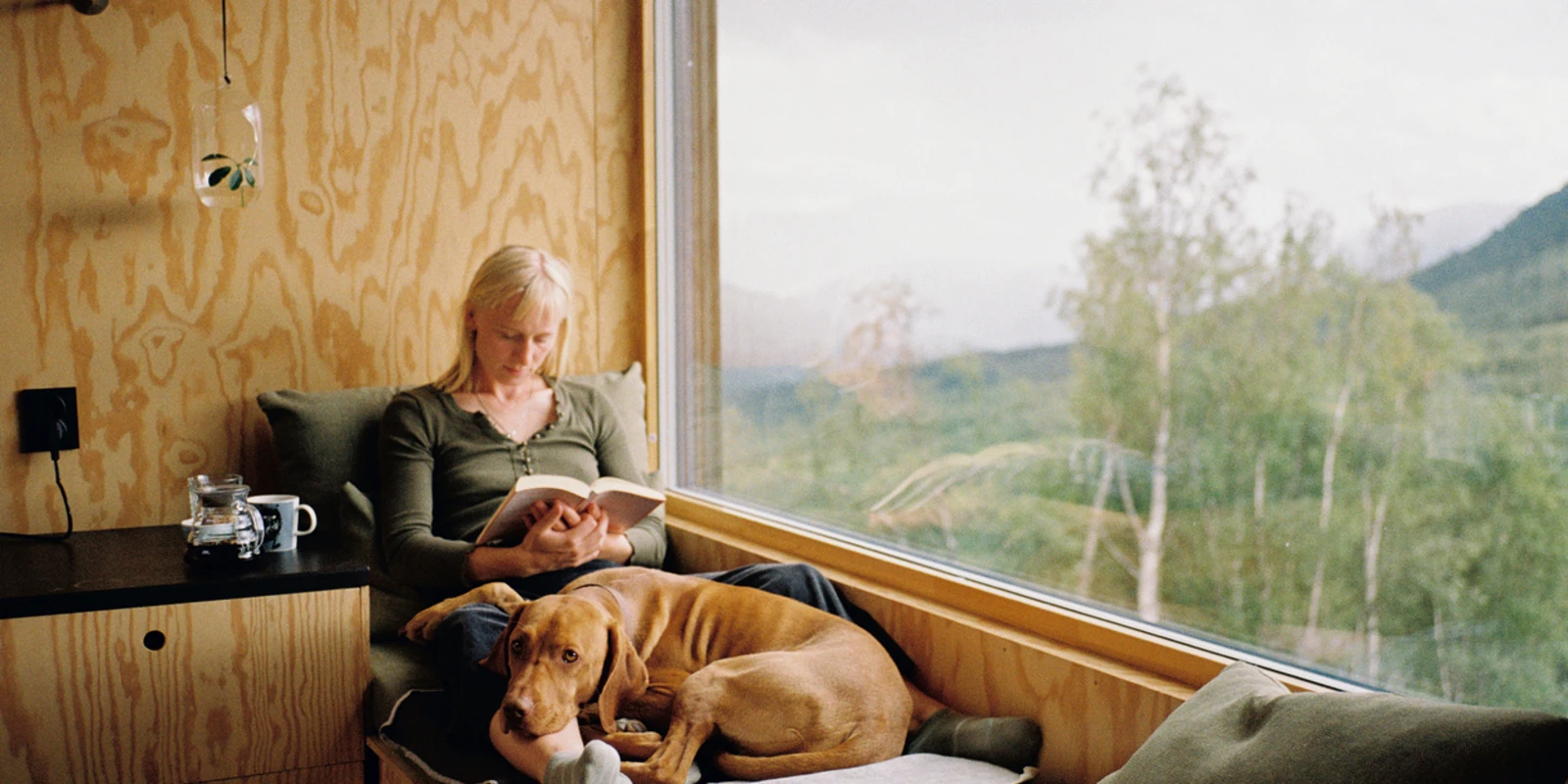
Slow travel is the antidote. It's permission to stop rushing. To have mornings where you leisurely drink coffee at the same café three days in a row. To take a day off from sightseeing because you just feel like reading in the park.
In 2026, travelers are choosing experiences that restore them rather than deplete them. And that means slowing down.
2. Remote Work Changed Everything
This is huge. The normalization of remote work has fundamentally altered what's possible for millions of people.
In 2026, approximately 43% of full-time employees worldwide have some form of remote work flexibility. That means they can work from literally anywhere with decent WiFi.
The math is simple:
-
Traditional vacation: Take 7 days off, spend 3 traveling to/from destination = 4 days actually there
-
Slow travel with remote work: Take 7 days off + work remotely for 3 weeks = 28 days in one place
You get 7x more time in the destination without using any more vacation days. No wonder people are doing this!
Even people without remote work are rethinking. Instead of three 1-week trips per year, they're taking one 3-week trip. Same amount of vacation time, totally different experience.

Here's a truth bomb: we're collectively tired of fake, curated, Instagram-perfect travel.
The iconic photo spots are overcrowded. The "must-see" attractions are overrated. And the pressure to document everything for social media has sucked the joy out of actually being present.
Slow travelers are seeking something different:
- The neighborhood bakery where no tourists go
- Conversations with locals that last hours
- Discovering a hidden viewpoint that's not in any guidebook
- Actually understanding the rhythm of a place
You can't get that in 3 days. You need time to wander, make mistakes, stumble upon unexpected experiences, and develop genuine connections.
In 2026, the most "Instagram-worthy" content ironically comes from slow travelers who aren't trying to create content—they're just sharing their authentic, deeper experiences.
4. It's Actually More Affordable
Plot twist: slow travel often costs LESS than fast-paced tourism.
Here's why:
Traditional 2-week trip to Europe:
- Flights between 4 cities: $600
- 7 hotel nights x 4 cities: $2,800
- Eating out for every meal: $1,400
- Tourist attraction tickets: $400
- Total: $5,200
Slow travel version:
- Flights to one city: $800
- Month-long apartment rental: $1,800
- Groceries + occasional meals out: $800
- Selective sightseeing: $200
- Total: $3,600
You save money on:
- Internal transportation (no constant flights/trains between cities)
- Accommodation (monthly rentals are cheaper per night)
- Food (cooking some meals yourself)
- Not feeling obligated to see every paid attraction
Plus, you get double the time in-destination. That's a 45% reduction in cost while doubling your experience. The economics make sense!
5. Environmental Consciousness
Let's talk about the elephant in the room: travel's environmental impact.
Flying is carbon-intensive. But you know what's even worse? Flying a lot. The travelers who hop between 6 countries in 2 weeks generate way more emissions than someone who flies once and stays for 2 months.
The slow travel carbon footprint:
- Fewer flights = dramatically lower emissions
- Using local public transport instead of taxis
- Supporting local businesses with a smaller environmental footprint
- Having time to make sustainable choices (reusable bottles, cloth bags, etc.)
In 2026, environmental awareness isn't just for eco-warriors—it's mainstream. And slow travel aligns perfectly with wanting to tread more lightly on the planet.

What Slow Travel Actually Looks Like in Practice
Enough theory—let's talk about what slow travel looks like in real life.
Week 1: Orientation and Adjustment
Days 1-3: Arrive, get oriented, find your neighborhood grocery store, pharmacy, good coffee spot. You're figuring out public transport, getting over jet lag, and generally settling in.
This is the phase fast travelers skip entirely—they arrive exhausted and immediately start sightseeing. You're smarter than that.
Days 4-7: Start exploring your neighborhood first. Walk different routes. Find your favorite spot. Chat with the barista or shop owner. Maybe see one or two major attractions if you feel like it, but no pressure.
Week 2: Going Deeper
Days 8-14: Now you know your way around. You have a routine. You've found your spots. This week you branch out—explore different neighborhoods, take day trips, try new restaurants.
You're also making friends: other long-term travelers, friendly locals, the guy who works at your favorite lunch spot. These connections start to make the place feel like home.
Week 3: Living Like a Local
Days 15-21: This is where the magic happens. You're no longer a tourist—you're a temporary resident. You know the bus schedule. You have opinions about which bakery has better bread. You're invited to a local's birthday party or a pickup soccer game.
The "must-see" attractions? Sure, you've probably seen some. But you've also discovered places no guidebook mentions. You understand inside jokes. You're starting to pick up the language.
Week 4+: Genuine Integration
Days 22+: If you're staying a month or longer, this is when travel transforms into something else entirely. You have a life here. Friends. Routines. Favorite spots that are truly yours, not borrowed from TripAdvisor.
You're also making deeper observations about the culture, politics, social dynamics. You understand the context. You see beyond the tourist facade to the real place underneath.

How to Start Slow Traveling (Even with a Regular Job)
"This sounds great, but I can't take months off work!" I hear you. Most people can't. But you can still embrace slow travel principles:
Option 1: Maximize Your Time Off
Instead of three 1-week trips per year, take one 3-week trip. You'll spend the same number of vacation days but have a completely different experience.
Option 2: Remote Work Negotiation
Talk to your employer about working remotely for 1-2 weeks during your vacation. Even adding 10 working days to your trip transforms it.
Option 3: Mini Slow Travel
Can't swing for 3 weeks? Try 10 days in one place. It's not a month, but it's enough to get a taste of slow travel benefits.
Option 4: Strategic Holidays
Use holidays and weekends strategically. Take 5 vacation days around a holiday weekend and you've got 9 days. That's enough for genuine immersion.
Option 5: Sabbatical or Career Break
If you've been somewhere 5+ years, investigate sabbatical options. Or simply take an intentional career break. The world will still be there when you get back—and you'll return refreshed.

Where Slow Travelers Are Heading in 2026
Some destinations are perfect for slow travel. Here's what's trending:
Top Slow Travel Destinations:
-
Portugal (especially Porto, Lisbon, and the Algarve) - Affordable, welcoming, great infrastructure
-
Mexico (Oaxaca, Merida, San Miguel de Allende) - Rich culture, excellent value, growing digital nomad scene
-
Thailand (Chiang Mai, Koh Lanta) - Classic slow travel hub, incredible food, low cost
-
Spain (Valencia, Seville, Granada) - European culture without the price tag
-
Colombia (Medellín, Cartagena) - Improving safety, amazing people, beautiful landscapes
-
Albania (Tirana, Gjirokastër) - Europe's hidden gem, incredibly affordable
-
Vietnam (Da Nang, Hoi An, Hanoi) - Diverse experiences, budget-friendly, delicious food
-
Greece (beyond the islands—Thessaloniki, Nafplio) - Off-season long stays are affordable
-
Indonesia (Ubud, Canggu) - Spiritual vibes, wellness focus, strong community
-
Georgia (Tbilisi) - Wine country, stunning mountains, unique culture
What these places have in common:
- Affordable long-term accommodation
- Strong community of long-term travelers
- Reliable infrastructure (WiFi, healthcare, transport)
- Rich culture with depth to explore
- Welcoming to foreigners
- Good food scenes
- Safe and easy to navigate
Practical Tips for Your First Slow Travel Experience
Before You Go
1. Choose your destination thoughtfully. Pick a place that excites you but also has the infrastructure to support longer stays. Your first slow travel experience shouldn't be too challenging.
2. Book flexible accommodation Look for monthly rentals on Airbnb, Booking.com, or specialized platforms. Read reviews carefully—you'll be there a while!
3. Research visa requirements Many countries allow 30-90 days visa-free. Some offer special "digital nomad" visas for even longer stays.
4. Plan less than you think. Don't over-schedule. Leave room for spontaneity. That's the whole point!
While You're There
1. Establish a routine Find your morning coffee spot, your grocery store, your evening walk route. Routines help you feel at home.
2. Learn some language You'll be there long enough to actually learn. Even basic phrases transform your experience.
3. Make local friends Join meetups, take classes, frequent the same spots. Connections make slow travel meaningful.
4. Embrace slow days Some days you'll do nothing touristy. That's not a waste—that's the point. You're living, not just visiting.
5. Go deeper, not wider Instead of day-tripping to 10 nearby cities, really get to know your base and maybe 2-3 nearby places.
The Challenges of Slow Travel (Let's Be Honest)
Slow travel isn't all sunshine and meaningful connections. Let's talk about the real challenges:
Loneliness: Especially in the first week or two, you might feel isolated. You haven't made friends yet, and you're away from your support system.
Solution: Join communities (Meetup, Facebook groups for expats/travelers), stay in accommodations with common areas, take classes or tours.
Homesickness: Being away for weeks or months is different from a week-long vacation. You'll miss people and things from home.
Solution: Regular video calls, bring some comfort items from home, remember that missing home doesn't mean you made a mistake.
Work-life boundaries: If you're working remotely, it's hard to feel like you're really "traveling" when you spend 8 hours a day on your laptop.
Solution: Treat evenings and weekends as exploration time. Take days off mid-week when tourist spots are less crowded.
Decision fatigue: Constantly being in a new place is tiring. Where do I eat? What do I do today? How does this work?
Solution: That's why slow travel works! You're not constantly new. You establish routines that reduce daily decisions.
Relationship strain: Traveling with a partner for weeks is intense. You'll get on each other's nerves.
Solution: Build in alone time. It's okay to split up for a few hours. You don't have to be together 24/7.

Is Slow Travel Right for You?
Here's how to know if you should try it:
Slow travel might be perfect if you:
- Feel exhausted by fast-paced tourism
- Want to really understand places, not just see them
- Enjoy daily routines and local life
- Are comfortable with unstructured time
- Want to learn languages or skills
- Care about sustainable, meaningful travel
- Have remote work flexibility or longer vacation time
- Get anxious about constant movement and planning
Stick with traditional travel if you:
- Genuinely love seeing as much as possible
- Have limited time off and want to maximize countries visited
- Prefer variety and constant novelty
- Get bored easily in one place
- Are traveling to see specific sights, not experience culture
- Enjoy the planning and logistics of multi-city trips
There's no wrong answer! Some trips call for slow travel, others for faster exploration. You can do both.
The Future of Travel Is Slow
Here's what I believe: the slow travel trend isn't a fad. It's a fundamental correction to decades of unsustainable, unfulfilling travel patterns.
The 40% increase in destination stays isn't just a number—it represents millions of people choosing depth over breadth, quality over quantity, and meaning over checklists.
In 2026 and beyond, I predict we'll see:
- More destinations offering special "slow traveler" rates and programs
- Infrastructure improvements to support long-term visitors
- Travel companies pivoting to immersive, extended experiences
- Governments creating specific visas for slow travelers and digital nomads
- A continued decline in rushed, multi-country tours
- Greater acceptance of career breaks and sabbaticals
- Travel content focusing on deep dives rather than superficial guides
The world is waking up to what experienced travelers have always known: the best travel experiences come from slowing down, not speeding up.
Your Invitation to Slow Down
So here's my challenge to you: try it. Just once.
Pick one place you've always wanted to go. Instead of spending 3-4 days there on a whirlwind tour, spend 2-3 weeks. Rent an apartment. Cook meals. Take walks without a destination. Sit in cafés and watch life happen. Make friends. Get lost. Find your routine.
I promise you'll come home with stories that matter. Connections that last. And an understanding that you can't get from a guidebook or a 3-day visit.
The world isn't going anywhere. But your limited time on this planet is. Why rush through it?
FAQs
Q1: How long do you need to stay somewhere for it to count as "slow travel"?
There's no official threshold, but generally slow travel means staying at least 2 weeks in one place, ideally 3-4 weeks or longer. The key is staying long enough to establish routines, make connections, and move beyond tourist experiences. Even 10 days in one place feels fundamentally different from 3 days, so start where you can.
Q2: Is slow travel more expensive than regular travel?
Actually, slow travel is often significantly cheaper! Monthly apartment rentals cost less per night than hotels, you save on transportation between cities, you can cook some meals yourself, and you're not pressured to see every paid attraction. Many slow travelers report spending 30-50% less than they would on traditional multi-city trips while staying twice as long.
Q3: Can I slow travel with kids?
Absolutely! Many families embrace slow travel and find it ideal for children. Kids have time to adjust to new environments, make friends, and truly learn about different cultures. The stability of staying in one place reduces travel stress for both kids and parents. Many families combine slow travel with worldschooling or homeschooling.
Q4: What if I get bored staying in one place for weeks?
This is a common fear that rarely materializes! When you slow down, you discover incredible depth in one location—different neighborhoods, day trips, local events, classes, and spontaneous discoveries. You're also living, not just sightseeing, which provides natural variety. That said, slow travel isn't for everyone, and that's okay!
Q5: Do I need to be a digital nomad to slow travel?
Not at all! While remote work certainly enables slow travel, anyone can do it. Retirees, people on sabbaticals, students, freelancers, or anyone with accumulated vacation time can slow travel. Even using 2-3 weeks of vacation time differently (one long trip instead of multiple short ones) embraces slow travel principles.
Q6: What are the best destinations for first-time slow travelers?
Great starter destinations include Portugal (especially Lisbon or Porto), Mexico (Oaxaca or Merida), Thailand (Chiang Mai), Spain (Valencia or Seville), and Colombia (Medellín). Look for places with good infrastructure, established expat/traveler communities, affordable cost of living, and English-friendly environments if you don't speak the local language.
Q7: How do I stay productive while slow traveling if I'm working remotely?
Set clear boundaries: designate specific work hours and spaces, choose accommodation with a proper desk, ensure reliable WiFi before booking, and treat work days as work days. Many slow travelers work regular hours Monday-Friday and explore evenings/weekends. Join coworking spaces for structure and community. The key is discipline and routine.
Q8: What visa do I need for slow travel?
It varies by country and nationality. Many countries offer 30-90 day tourist visas or visa-free entry. Some now offer special "digital nomad visas" for stays of 6 months to a year (like Portugal, Spain, Croatia, Costa Rica). Always check requirements for your specific passport and destination. For stays under 30 days, standard tourist visas usually suffice.
Q9: Can I slow travel on a budget?
Yes! Slow travel is actually ideal for budget travelers. Choose affordable destinations (Southeast Asia, Eastern Europe, Central America), book long-term rentals for better rates, cook meals, use local transportation, take advantage of free activities, and enjoy simply living in the place. Many slow travelers spend less than they would living at home.
Q10: What's the difference between slow travel and being a digital nomad?
Digital nomads work remotely while traveling, often moving every few weeks or months. Slow travel is about the pace and mindset of staying longer in fewer places. You can be both (a slow-traveling digital nomad who stays months per place), or neither (slow traveling on vacation without working). The concepts overlap but aren't identical.
Join the discussion