




-
Fes el-Bali, Morocco — The Medina That Swallows You Whole
-
Kyoto's Backstreets, Japan — The City Behind the City
-
Istanbul, Turkey — Where Two Continents Blur at the Edges
-
Havana, Cuba — Frozen in Time and All the Better For It
-
Lisbon, Portugal — The City That Was Built for Getting Lost
-
Oaxaca, Mexico — Where Every Corner Smells of Something Extraordinary
-
The Philosophy of Getting Intentionally Lost
-
How to Get Intentionally Lost — Practical Tips
-
The Best Souvenir From Getting Lost
-
FAQs
I once spent three hours lost in the medina of Fes, Morocco.
Not lost in the panicked sense. Lost in the best possible sense — turned around, unsure which alley led where, following sounds and smells rather than any coherent plan. I found a copper workshop where a man was hammering a tray with a rhythm so steady it sounded like music. I found a small square with a fountain that didn't appear on any map I owned. I ate a bowl of harira from a woman who charged me nothing because, she said through gestures, I looked confused enough to deserve it.
I eventually found my way back. But here is the thing: I did not want to.
There is a particular kind of travel that the guidebooks cannot fully capture, the GPS cannot facilitate, and the curated Instagram itinerary actively prevents. It is the travel that happens when you put the phone away, choose a direction more or less at random, and give the place permission to surprise you.
Getting intentionally lost is not recklessness. It is a philosophy. And certain places in the world reward it more generously than anywhere else.
Here are the ones worth losing yourself in.
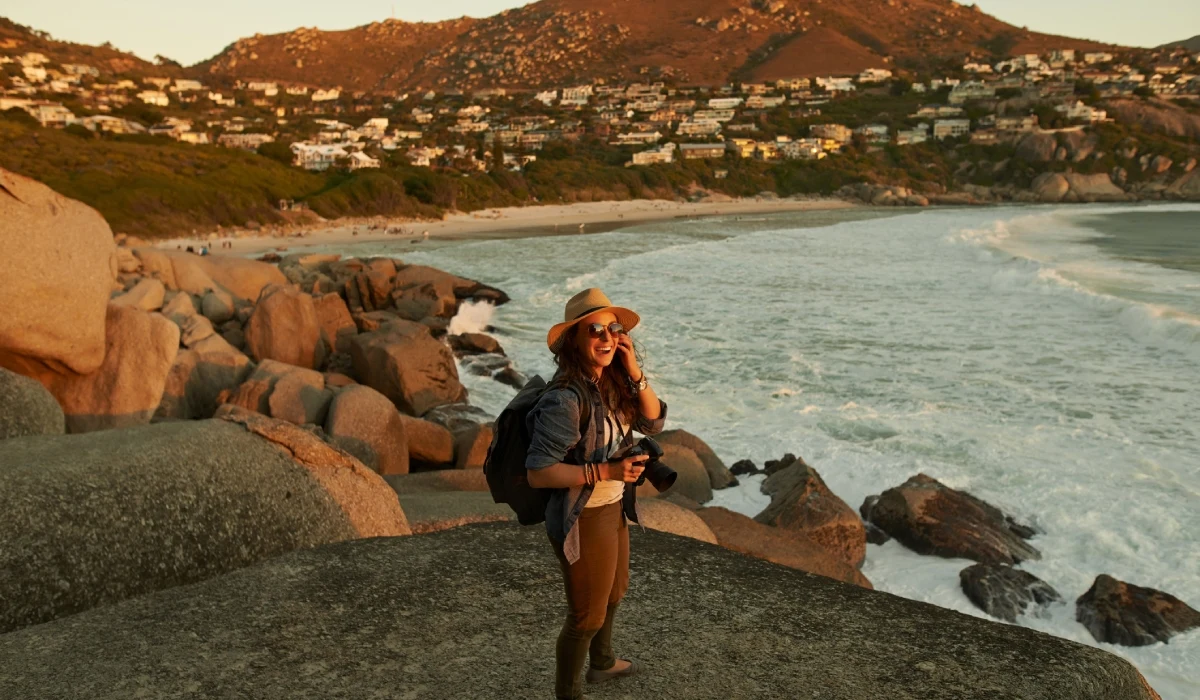
Fes el-Bali, Morocco — The Medina That Swallows You Whole
Fes el-Bali is the world's largest car-free urban area and one of the most genuinely medieval cities still in daily use. Its medina — a UNESCO World Heritage Site — contains over 9,000 streets and alleyways, many of which are narrower than your outstretched arms.
It is, by design and by nature, impossible to navigate logically. Even people who have lived here for decades take wrong turns. The streets were not built on a grid — they evolved organically over a thousand years of human habitation, following water sources, property boundaries, and decisions made by people long dead.
This is exactly what makes it extraordinary for the intentional wanderer.
Enter through Bab Bou Jeloud — the blue gate — in the morning, leave your map in your pocket, and follow your nose literally as well as figuratively. The smell of fresh bread from a communal oven. The sharp tang of the tanneries that you'll find before you see them. The sweet smoke of cedar being worked in a carpenter's workshop. These are better navigation tools than any app.
The practical rule for Fes: if you get truly, concerningly lost, look up. Find a minaret. Walk toward it. You will eventually reach a landmark and reorient. But delay this as long as you can bear, because the getting-lost part is the whole point.

Kyoto's Backstreets, Japan — The City Behind the City
Most visitors to Kyoto follow the Golden Route — Fushimi Inari, Arashiyama, Kinkaku-ji, Gion. All of these are genuinely worth seeing. None of them are where Kyoto actually lives.
The real Kyoto is in the residential backstreets of Nishiki, in the quiet lanes behind the Heian Shrine, in the narrow machiya townhouse districts of Nishijin where textile workshops have operated for centuries and the sound of looms is still audible from the street.
I spent a morning in Kyoto once doing nothing but turning left at every intersection. An arbitrary rule, completely without strategic merit, that led me to a Buddhist temple so small it had no sign, a tofu shop run by an elderly man who insisted I try four different varieties before buying, and a moss garden behind a wooden gate that I nearly walked past entirely.
Kyoto rewards slowness in a way that few cities do. It is a place where the most interesting things are deliberately unannounced — tucked behind walls, down lanes, behind noren curtains. You will not find them on a schedule. You will only find them by not looking for anything in particular.
The best time for intentional wandering in Kyoto is early morning — before 8am, when the mist is still in the valleys and the temple bells are still ringing and the tourists have not yet arrived. This version of the city belongs entirely to the people who live in it. If you show up early enough, they will briefly let you share it.
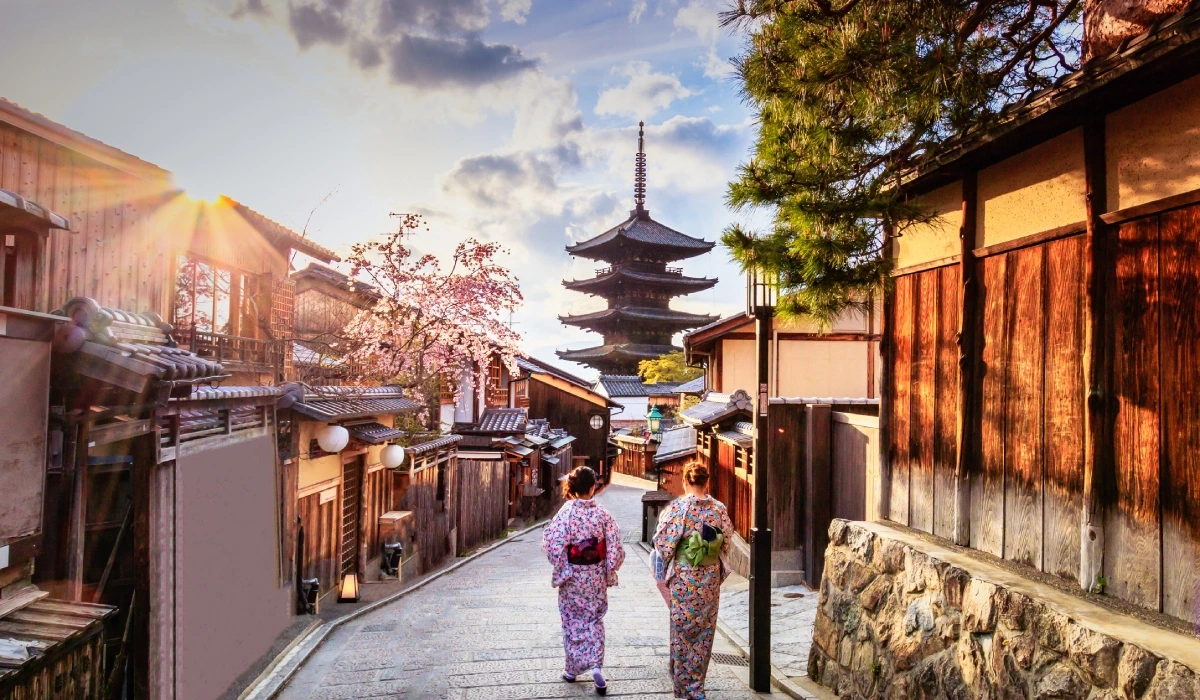
Istanbul, Turkey — Where Two Continents Blur at the Edges
Istanbul is a city that actively resists being understood quickly. It has been the capital of three empires, sits on two continents, and contains within its neighbourhoods every contradiction you can imagine — ancient and ultramodern, devout and secular, monumental and domestic, all layered on top of each other in a way that no amount of sightseeing fully resolves.
The tourist circuit — Hagia Sophia, the Blue Mosque, the Grand Bazaar, Topkapi Palace — is impressive and worth doing. But the Istanbul that will stay with you is found in Balat, the old Jewish quarter where coloured houses lean over cobbled streets. In Karaköy, where the fishing boats unload at dawn and the smell of the Bosphorus is overwhelming. In the backstreets of Kadıköy on the Asian side, where nobody is performing the city for anyone.
A friend who has lived in Istanbul for a decade told me the best thing you can do in the city is take the public ferry across the Bosphorus with no plan, get off at a stop you've never heard of, and walk until something stops you. 'Every neighbourhood in this city is a different city,' she said. 'You could spend a lifetime here and keep finding new ones.'
She is not wrong. Istanbul is one of those cities where getting lost is not a failure of navigation. It is the correct strategy.
The practical approach: take the Bosphorus ferry from Eminönü and pick a stop at random on the Asian side. Walk uphill from wherever you land. The higher you go, the more residential and the less touristed the streets become. Somewhere up there you will find a tea house with a view of the water and a table where you can sit for as long as you want.

Havana, Cuba — Frozen in Time and All the Better For It
Havana is one of the few cities on earth that feels genuinely unfinished — not in a neglected way, but in the way that a living city feels when it has been developing on its own terms, without the homogenising pressure of global investment and chain hotels.
The famous parts of Havana Vieja are extraordinary — the crumbling grandeur of the Malecón, the restored colonial plazas, the 1950s American cars that cruise past like time has decided to take the scenic route. But the city rewards wandering beyond these anchors in ways that few places in the Caribbean or Latin America can match.
I walked into Centro Habana one afternoon with no particular intention and found a neighbourhood where musicians were rehearsing in three separate open windows above the same street, creating an accidental orchestra of overlapping rhythms. I found a courtyard behind a crumbling arch where children were playing baseball with a stick and a bottle cap. I found a woman selling tamales from a basket on her arm and ate two of them leaning against a wall that was quietly magnificent despite — or because of — its disrepair.
Havana is a city that has not yet been smoothed into palatability for visitors. That roughness, that realness, is its greatest quality — and it is only accessible to people who walk into it without a predetermined path.
Wander south from the Malecón into Centro Habana or east into the residential streets beyond the tourist quarter. Say yes to any conversation. Accept any offer of coffee. The city opens entirely to people who approach it without agenda.
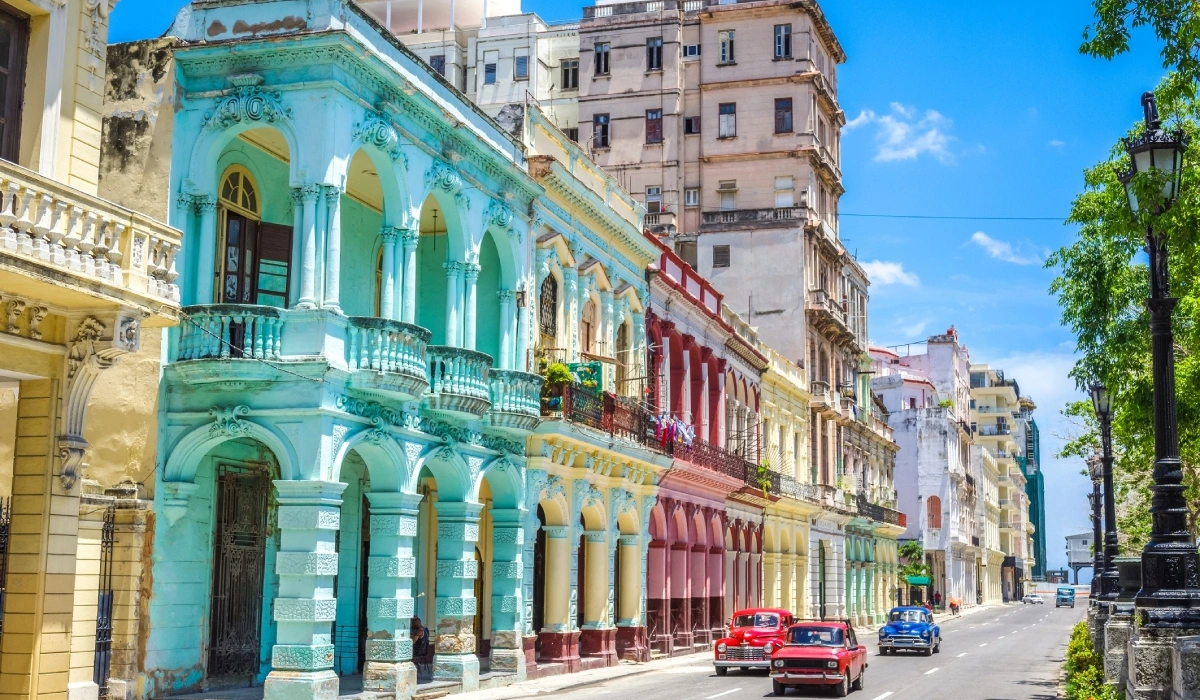
Lisbon, Portugal — The City That Was Built for Getting Lost
Lisbon is the European city most structurally designed for intentional wandering. Seven hills, a maze of narrow alleyways called becos and travessas that predate any modern planning logic, and a geography that means every uphill walk ends with a view and every downhill walk ends near the river.
The tourist version of Lisbon — Belém, Alfama, the main tram routes — is charming and legitimate. But the city has layers that only reveal themselves to people willing to climb past the obvious.
The neighbourhood of Mouraria — the old Moorish quarter below the castle — is a tangle of streets where you will hear fado music drifting from windows at unexpected hours and find tiny tasca restaurants with handwritten menus and no reservations system. Graça, just above it, is where Lisbon families actually live and where the miradouros — the hilltop viewpoints — are populated more by locals with wine than tourists with cameras.
I once spent an entire afternoon in Lisbon following painted tile facades — the azulejos that cover walls across the city — with no other agenda than to see where the most beautiful ones led. They led me into three neighbourhoods I had not visited, a pastry shop that may have produced the best pastel de nata I have ever eaten, and a bar the size of a bathroom where a man was playing guitar to four people who were clearly regulars and clearly not expecting anyone else. He played one more song when I sat down. I stayed for three.
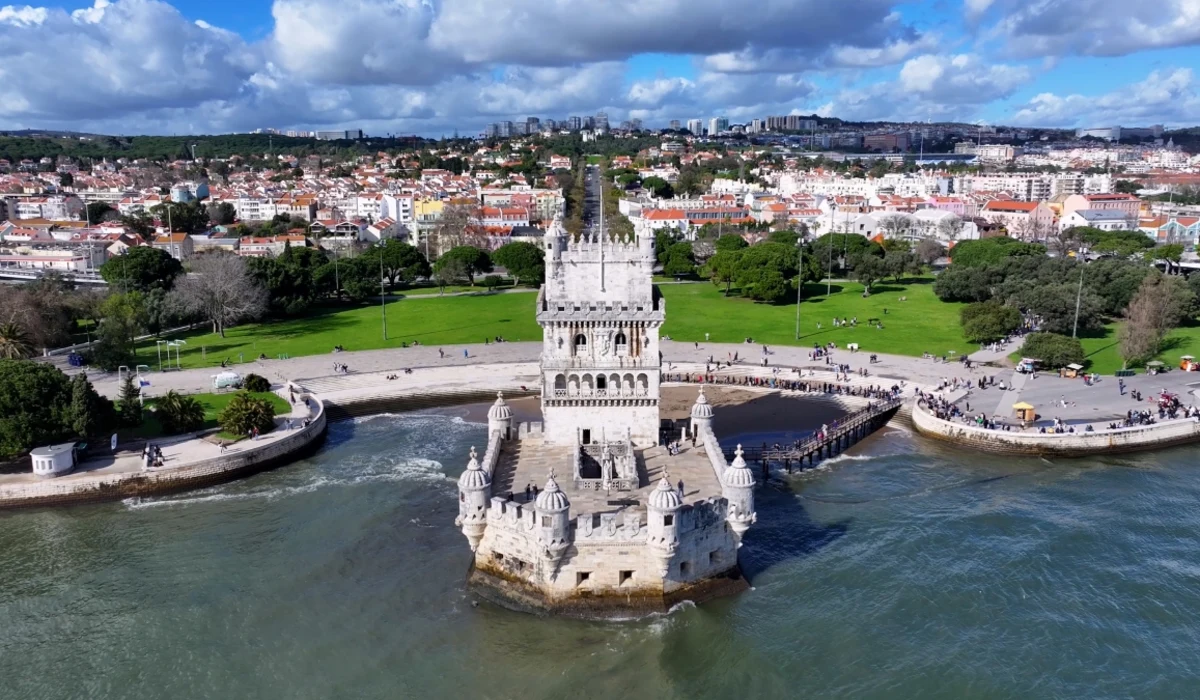
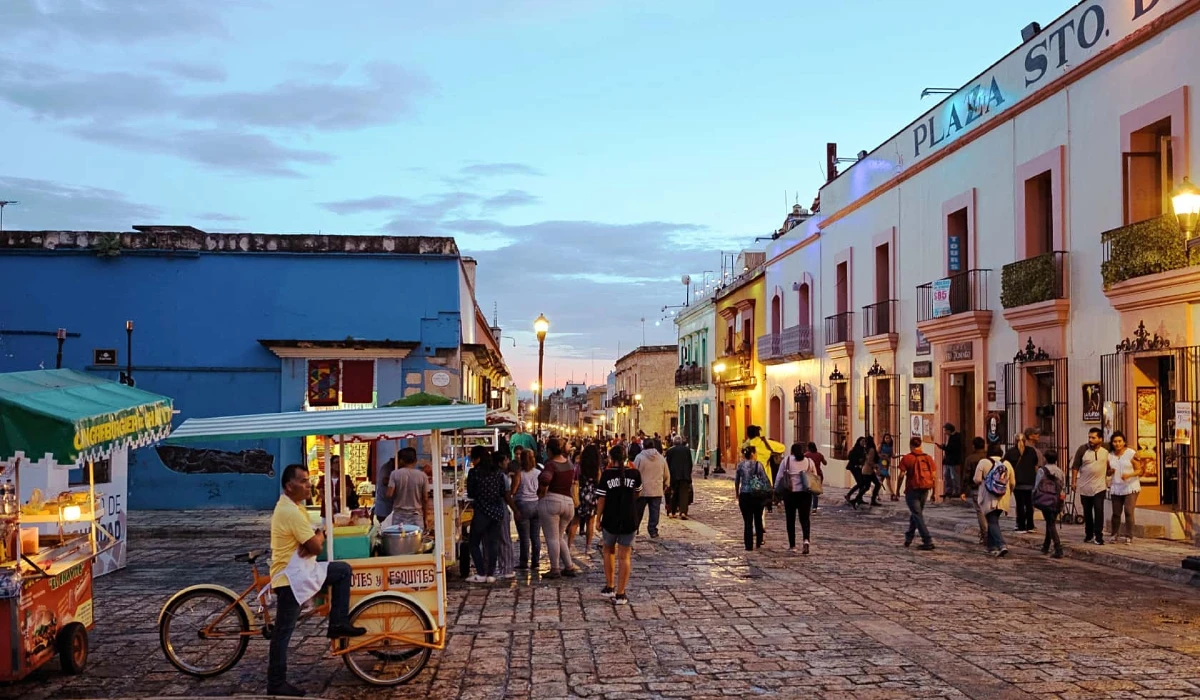
Oaxaca, Mexico — Where Every Corner Smells of Something Extraordinary
Oaxaca is one of those cities that food lovers discover and then immediately plan to return to. The cuisine — mole negro, tlayudas, memelas, chapulines, mezcal from small-batch producers you will never find outside the state — is genuinely one of the most complex and rewarding in the world.
But the best of Oaxacan food is not in the restaurants. It is in the markets — Mercado Benito Juárez and Mercado 20 de Noviembre in the city, and the village markets that operate on rotating weekly schedules in the surrounding valleys.
The village markets are where intentional wandering reaches its logical peak. They are not tourist attractions. They are working markets where local farmers, producers, and artisans sell to local buyers, and where the food available changes entirely depending on what is in season and what has been grown in the specific microclimate of that particular valley.
I spent a morning at the Tlacolula market — a Sunday market 30 kilometres from Oaxaca city — eating my way through stalls with no plan and no budget discipline whatsoever. Barbacoa tacos from a woman who had been at the same spot since before dawn. A chilli paste that made my eyes water and that I bought two jars of immediately. A mezcal tasting at a stall where the producer had driven down from the hills that morning and was clearly proud of every bottle.
Oaxaca rewards wandering because it is a city — and a region — where the extraordinary is genuinely ordinary. You do not need a reservation or a recommendation. You just need to keep moving and keep saying yes.
The Philosophy of Getting Intentionally Lost
What all of these places share is a quality that the French have a word for: dépaysement. It translates roughly as the disorientation of being in a foreign place — but with the positive connotation. The particular feeling of being somewhere that operates by different rules than the ones you're used to.
Getting intentionally lost accelerates dépaysement. When you stop trying to orientate yourself and start letting the place disorient you, something opens up — a receptiveness to what is actually there rather than what you came expecting to find.
The wanderer who follows their nose through Fes and ends up at a copper workshop did not plan to find a copper workshop. The traveller who turns left at every junction in Kyoto did not plan to find an unsigned temple. The person who takes the ferry to a random Asian-side neighbourhood in Istanbul did not plan to find the tea house with the view. These things only happen to people who gave up having a plan.
This is not a travel style for everyone. It requires comfort with uncertainty, a genuine willingness to be confused, and the self-possession to sit with not knowing where you are for a while without reaching immediately for your phone.
But for the unconventional traveller — the one who has been to the obvious places and found them slightly less than expected, the one who keeps returning from trips feeling they missed something — it is the approach that consistently produces the stories worth telling.
How to Get Intentionally Lost — Practical Tips
1- Leave your phone in your pocket. Not at the hotel — you need it for safety — but in your pocket. Use it when genuinely needed, not as a reflex. The habit of checking where you are every few minutes is the single biggest barrier to the kind of wandering that actually finds things.
2- Give yourself time you cannot fill. Block out a half day or a full day with no booking, no reservation, no meeting point. The pressure of having somewhere to be by a certain time is incompatible with genuine wandering. If you are watching the clock you are not truly lost.
3- Follow your senses not your eyes. Follow a smell into a market. Follow a sound down an alley. Follow the direction most people are walking, because wherever locals are going in the morning is usually somewhere worth going.
4- Have a simple safety anchor. Know the name of your hotel in the local language. Know one landmark you can always find and navigate back from. Beyond those two things, be as directionless as you can manage.
5- Eat what you find, not what you planned. Some of the greatest meals in travel history happened to people who were hungry, slightly lost, and had no better option than the stall right in front of them. Do not hold out for the restaurant on the list. Eat what the neighbourhood is offering.

The Best Souvenir From Getting Lost
You cannot buy the thing you find when you get intentionally lost. It is not available in the gift shop.
It is the particular quality of attention that comes from having no agenda. The way a city looks when you stop trying to see it correctly and start simply seeing it. The conversations that happen when you are genuinely confused and someone stops to help. The food that tastes better because you did not know it was coming.
Every traveller I know who has made a habit of getting deliberately lost comes back with the same complaint: they did not stay lost long enough.
So pick one of these places. Put your phone away. Choose a direction. And resist finding your way back for as long as you can.
The best version of the place is waiting somewhere off the map.
FAQs
1. Is it safe to wander without a plan in unfamiliar cities?
With basic precautions, yes. Know the name of your hotel in the local language, keep your phone charged, and have one clear landmark you can always navigate back from. Beyond those anchors, most city centres and tourist areas in the destinations listed are safe for daytime wandering. Research the specific neighbourhoods in your destination before you go — every city has areas best avoided, and knowing which ones takes ten minutes of preparation that makes the rest of the day genuinely free.
2. What is the best city in the world for getting intentionally lost?
Fes el-Bali in Morocco is the answer most experienced wanderers give — its organic thousand-year-old street layout makes getting lost practically inevitable, and the rewards at every turn are extraordinary. Istanbul and Lisbon are close runners-up, offering the combination of layered neighbourhoods, walkable geography, and enough cultural density to fill a day of purposeless exploration. For food-focused wanderers, Oaxaca is unmatched.
3. How do you balance spontaneous wandering with making sure you see the must-see sights?
The simplest approach is to book your non-negotiable sights — the temples, the museums, the specific experiences that require advance planning — in the first day or two of a visit, then dedicate entire unbooked days to wandering. Mixing the two in the same day rarely works well; the fixed appointment creates a clock that undermines the freedom wandering requires. Do your itinerary. Then do your wandering. Keep them separate.
4. What should you do if you get genuinely, concerningly lost?
Stop, sit down somewhere safe, and reorient before doing anything else. Look for a mosque, church, or major building — these are landmarks visible from a distance in most of the cities on this list. Ask a shopkeeper rather than someone on the street — shop owners are rooted to a location and are consistently helpful with directions. Use your phone's GPS to find your anchor landmark rather than navigating turn by turn, which gets you back to where you started while still leaving room for the walk back to surprise you.
5. Are there places where intentional wandering doesn't work well?
Yes. Cities built on a strict grid — much of North America, parts of modern Asia — offer fewer rewards for aimless wandering because the streets are designed for efficiency rather than discovery. Heavily touristified areas where every business is oriented toward visitors rather than locals also resist meaningful wandering — you are walking through a performance of a place rather than the place itself. The destinations that reward getting lost tend to share one quality: they were not built with outsiders in mind.

Join the discussion