




Travel isn’t just about ticking destinations off a list—it’s about how we experience places and how those experiences change as we change. Sometimes the most profound travel lessons come not from visiting somewhere new, but from returning to a place we’ve seen before.
I learned this firsthand when I visited Luxor for the first time in my early twenties, and then returned ten years later. While the temples, tombs, and streets remained almost unchanged, my perspective, curiosity, and appreciation had transformed dramatically. The same city felt entirely different through the lens of time, experience, and personal growth.
My First Visit: Excitement and Awe
On my first trip, everything in Luxor felt monumental. The city is often described as the world’s greatest open-air museum, and stepping into it for the first time felt like walking through history itself. From the moment I arrived, I was overwhelmed by the sheer scale of the monuments, the richness of ancient culture, and the vibrant energy of modern life coexisting alongside thousands-of-years-old temples.
I spent most of my time rushing from one landmark to another, eager to see everything: the towering columns of Karnak Temple, the solemn tombs of the Valley of the Kings, and the intricately decorated Luxor Temple. I took dozens of photos, read every plaque I could find, and marveled at the hieroglyphs that told stories older than human memory.
Despite the awe-inspiring monuments, I barely noticed the smaller, subtler details: the quiet corners of a temple where the morning light struck just right, the local life along the Nile, or the aromas and rhythms of the bustling streets and markets.
First Impressions:
"This city is overwhelming but magical. Every street and monument has a story, and walking here feels like stepping into another world."
In retrospect, my first trip was very much a “checklist experience”—focused on seeing the famous sites and capturing moments for photographs rather than experiencing the city fully.
Why do first visits feel overwhelming?
Everything is new—the sounds, smells, architecture, and people combine to create a sensory overload.
Is it necessary to see every famous landmark on a first trip?
Not always. It’s tempting, but the most memorable experiences often come from unexpected discoveries, quiet moments, and local interactions.

Ten Years Later: Reflection and Depth
Returning to Luxor a decade later, my approach was very different. I had already seen the iconic temples and tombs, so I wasn’t focused on “checking off” landmarks. Instead, I wanted to absorb the atmosphere, appreciate the details, and experience the city as it lived around me.
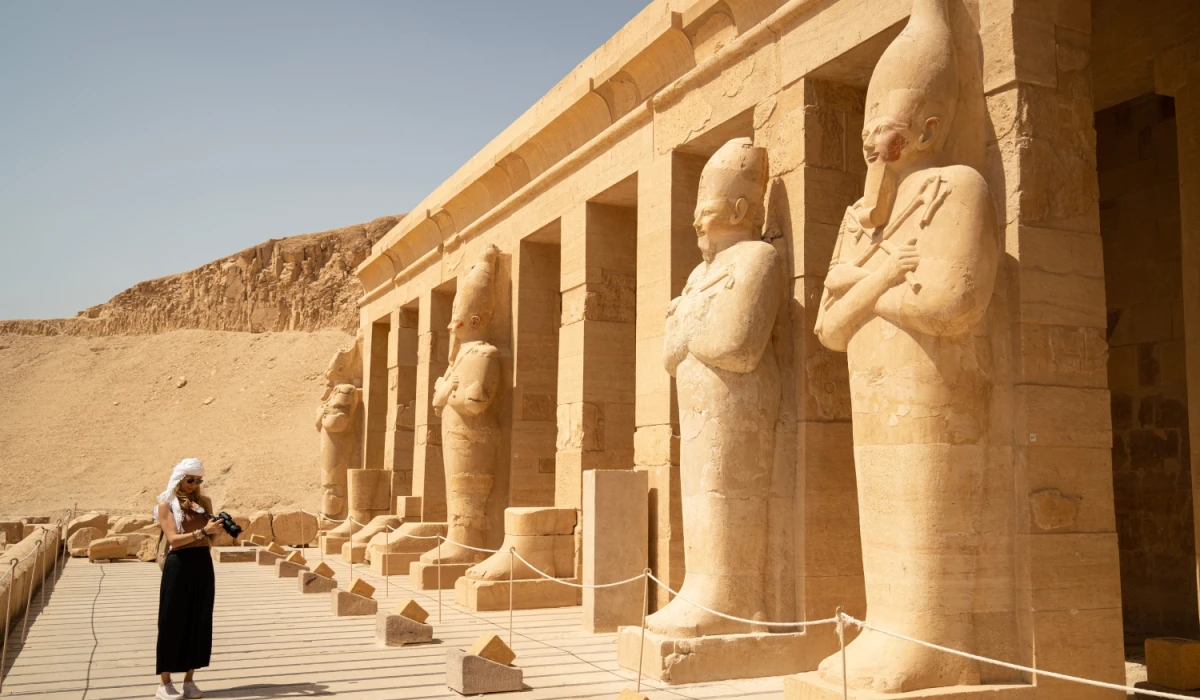
This time, I wandered slowly along the Nile, watched local boats drift by, and observed daily life on the streets. I revisited Karnak Temple, but instead of rushing through, I noticed subtle carvings and quiet courtyards that had previously gone unnoticed. The play of sunlight through the towering columns revealed shadows and details I had never appreciated before.
Even the simple act of sitting in a café, watching people pass, and hearing the chatter in Arabic gave the city a richer, more intimate character. Walking the West Bank of the Nile at sunset, with the desert mountains in the background and the warm glow reflecting off the water, I felt a profound connection to the place—something that was missing the first time.
Second Impressions:
"The city hasn’t changed much—but I have. Now it feels alive, layered, and full of details I couldn’t appreciate before."
This visit felt less like tourism and more like immersion. I wasn’t just seeing the city; I was experiencing it in a way that resonated with both history and daily life.

How Time Changes Travel Experiences
Returning to the same place years later often highlights the contrast between excitement and appreciation.
First visits are about discovery, wonder, and sensory overload. You’re absorbing everything, often superficially, because everything is new.
Second visits allow for reflection, connection, and noticing nuances that the first visit missed. You’re seeing not just the place, but also how you interact with it as a traveler who has grown.
Even familiar monuments can tell new stories. A corridor you rushed past before may now captivate your imagination, or a quiet street may reveal a piece of local culture you never noticed.
Do destinations really change over time?
Some do physically, but often the biggest change is in the traveler’s perspective and how they engage with the environment.
Why revisit a place you’ve already seen?
To discover layers you missed before, gain a new understanding, and experience the place differently with more maturity and patience.
How should you approach a second visit?
Slow down. Explore beyond the landmarks, engage with locals, and focus on the atmosphere, small details, and your personal experience.

Lessons Learned From Seeing the Same Place Twice
1- Perspective Shapes Experience: Returning to a place highlights how much our perception of travel changes with age and experience.
2- The Journey Changes the Traveler: Even unchanged streets and monuments can feel different when approached with new expectations, knowledge, or curiosity.
3- Details Matter More the Second Time: The small, quiet, overlooked moments often define the memory of the second visit.
4- Travel Is About Connection, Not Just Sightseeing: The best experiences come from interacting with the environment, history, and people, not just checking landmarks off a list.
Final Reflection
Visiting the same place ten years apart taught me that travel isn’t just about locations—it’s about growth, perspective, and presence. The same streets, temples, and neighborhoods can tell entirely different stories depending on who you are and when you visit.
Travel transforms both the destination and the traveler. Revisiting a place is a rare opportunity to measure that transformation, see the familiar through new eyes, and discover richness that was previously overlooked.
Some moments—like watching the sun set over ancient temples or sipping tea in a quiet café—remain timeless. But the meaning they hold can change entirely depending on the traveler who witnesses them.
FAQs
1. How does revisiting a destination differ from the first visit?
The first visit is often about excitement, sightseeing, and novelty. Returning allows for deeper observation, cultural immersion, and noticing details missed the first time.
2. Do places themselves really change, or is it just your perception?
Both can change. Cities and landmarks may evolve physically, but most of the noticeable difference comes from the traveler’s perspective, maturity, and experiences.
3. Is it worth revisiting a place you’ve already seen?
Yes! A second visit can reveal layers of history, culture, and personal insight that weren’t visible the first time.
4. How should I prepare for a second visit?
Research local changes, but focus less on ticking off landmarks. Take your time, explore neighborhoods, and engage with local life.
5. Can revisiting a place feel disappointing?
Sometimes expectations differ from reality. The key is to approach it with curiosity, not comparison, and focus on new experiences rather than repeating old ones.


Join the discussion