



-
Understanding Jordan Deserts: Geography and Diversity
-
Geology and Landscape Features of Jordan Deserts
-
Bedouin Culture in Jordan Deserts
-
What to Do in Jordan Deserts
-
Where to Stay in Jordan Deserts
-
Practical Information for Visiting Jordan Deserts
-
Beyond Wadi Rum: Other Jordan Deserts
-
Conservation and Responsible Tourism
-
FAQs
Jordan’s deserts are globally renowned both for their cinematic fame—from Lawrence of Arabia to The Martian—and their natural beauty. Beyond movie backdrops, they offer stunning geological formations, Bedouin culture, ancient rock art, and activities from luxury camping to rock climbing. This guide highlights Jordan’s desert landscapes, iconic filming locations, unique features, and practical tips for exploring these extraordinary terrains.
Understanding Jordan Deserts: Geography and Diversity
When travelers reference "Jordan deserts," they typically mean Wadi Rum—the spectacular valley of towering sandstone mountains and red sand that dominates Jordan's desert tourism. However, Jordan contains several distinct desert regions, each with unique characteristics:
1- Wadi Rum (Southern Desert): The famous "Valley of the Moon" with dramatic sandstone mountains, red sand, and rock formations creating Mars-like landscapes. This is where Lawrence of Arabia lived and fought, where countless films were shot, and where most desert tourism concentrates.
2- Eastern Desert (Badia): Vast basalt rock desert extending toward Iraq and Saudi Arabia, characterized by black volcanic rock, sparse vegetation, and remote Bedouin settlements. Less visited but culturally significant.
3- Wadi Araba Desert: The valley running south from the Dead Sea to the Red Sea along Jordan's western border with Israel, featuring different geological formations than Wadi Rum.
4- Dana Biosphere Reserve Edges: Where mountains transition to desert, creating unique ecosystems combining desert and mountain environments.
This guide focuses primarily on Wadi Rum, the most accessible and famous Jordan desert, while acknowledging the broader desert landscapes defining Jordan's character.
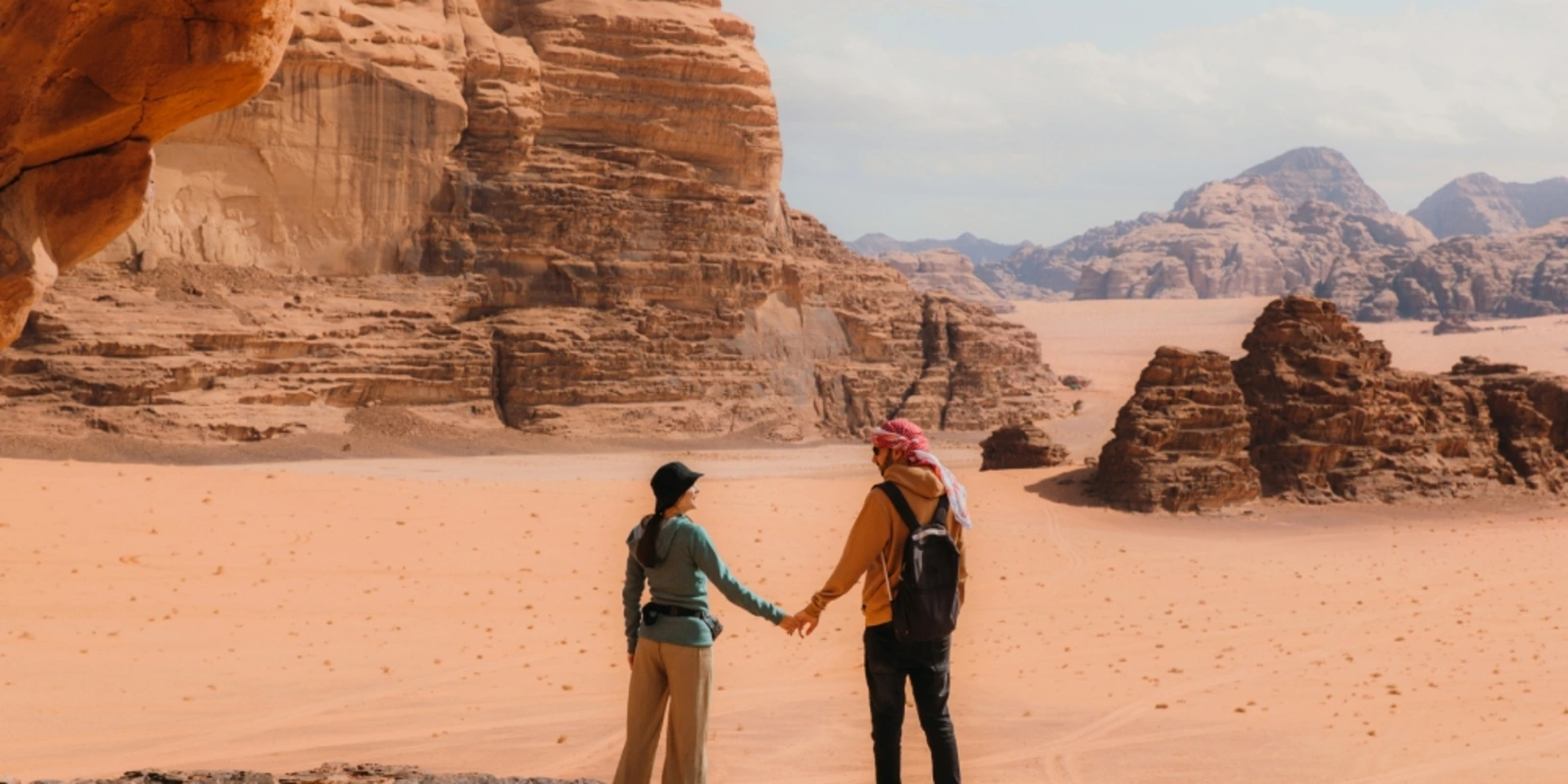
Wadi Rum spans approximately 720 square kilometers of protected desert wilderness, featuring towering sandstone and granite mountains rising dramatically from valleys filled with red and orange sand. The landscape's otherworldly appearance—ancient rock formations weathered into fantastic shapes, vast sand expanses, and color-shifting mountains that glow crimson at sunset—creates scenery so dramatic it seems designed by Hollywood set designers rather than geological forces.
Lawrence of Arabia Connection
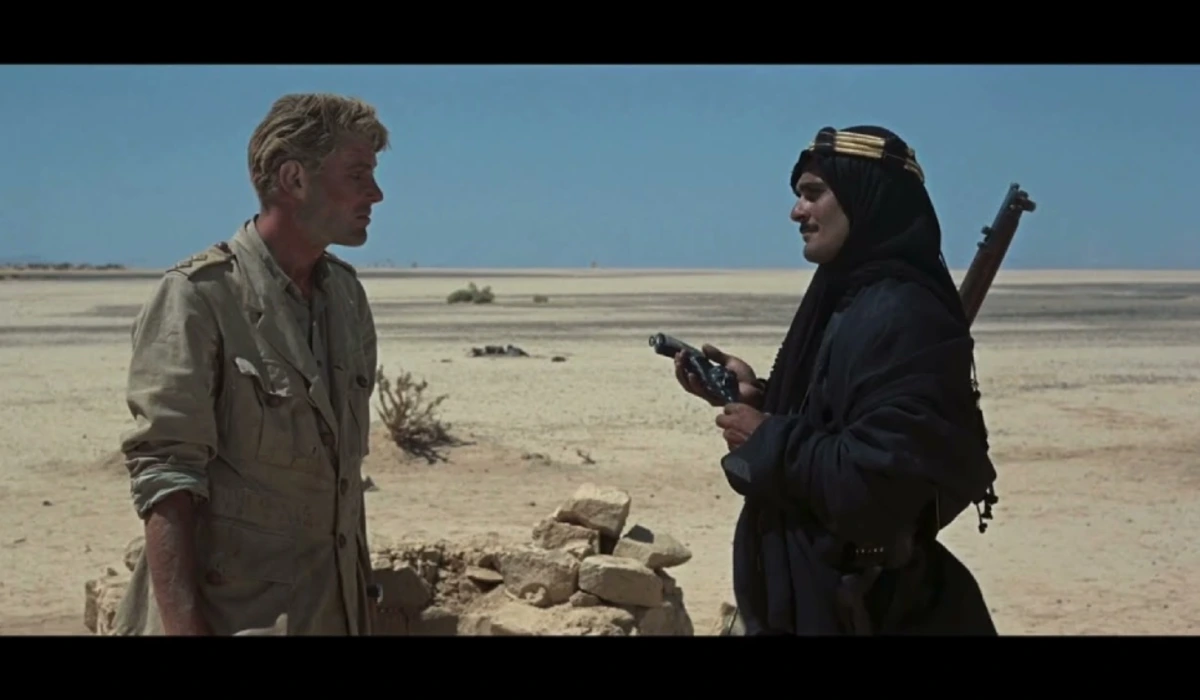
The Jordan deserts' fame began with T.E. Lawrence (Lawrence of Arabia), the British officer who united Arab tribes to fight against Ottoman forces during World War I (1916-1918). Lawrence based operations in Wadi Rum, and his book "Seven Pillars of Wisdom" poetically describes the desert landscape:
"By day the hot sun fermented us; and we were dizzied by the beating wind. At night we were stained by dew, and shamed into pettiness by the innumerable silences of stars."
When David Lean filmed "Lawrence of Arabia" (1962), he shot extensively in Wadi Rum, using the actual landscapes where historical events occurred. The film's spectacular desert cinematography—sweeping shots of Lawrence riding camels across endless sand, battles at the base of towering rock formations, and the desert's overwhelming beauty and brutality—introduced global audiences to Jordan deserts' visual power.
Key Lawrence of Arabia filming locations in Wadi Rum include:
1- The Seven Pillars of Wisdom: Massive rock formation named after Lawrence's book
2- Lawrence's Spring: Natural spring where Lawrence supposedly washed
3- Wadi Rum Village area: Where many camp and battle scenes were filmed
4- Various jebels (mountains): Used for establishing shots and dramatic scenery
The Martian and Modern Film Tourism
Over 50 years after Lawrence of Arabia, Wadi Rum starred again as Mars in Ridley Scott’s The Martian (2015). Its red sands and rugged mountains provided an ideal alien landscape for filming, with sets like habitats and rovers built on location. The movie boosted Jordan desert tourism, inspiring “Martian Tours” where visitors explore filming sites and learn about the production.
Other Films Shot in Jordan Deserts
Wadi Rum's filmography extends far beyond Lawrence and The Martian:
- Transformers: Revenge of the Fallen (2009): Battle scenes
- Prometheus (2012): Alien planet opening sequence
- Rogue One: A Star Wars Story (2016): Desert planet Jedha
- Aladdin (2019): Desert and palace exteriors
- Dune (2021): Planet Arrakis desert scenes
- Star Wars: The Rise of Skywalker (2019): Pasaana desert planet
This consistent Hollywood interest demonstrates why Jordan deserts remain unmatched for desert filming—accessibility, cooperation from Jordanian authorities, established film infrastructure, and landscapes genuinely alien enough to represent other worlds.
Geology and Landscape Features of Jordan Deserts
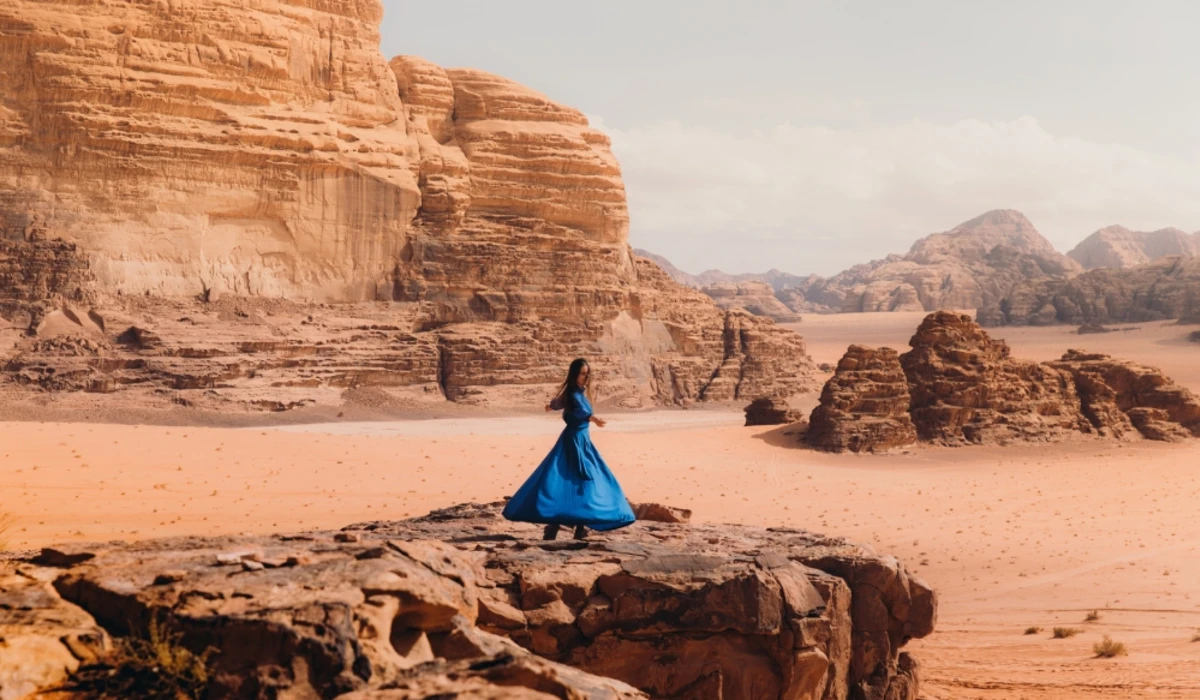
Wadi Rum's distinctive landscape formed through millions of years of geological processes. The massive sandstone and granite mountains (jebels) tower up to 1,750 meters above sea level, created by tectonic uplift and erosion. Wind and water carved these mountains into spectacular formations:
- Natural Arches: Wind erosion created numerous natural stone arches, with Burdah Rock Bridge being the highest and most famous—requiring technical climbing to reach.
- Rock Bridges: Lower natural bridges accessible by scrambling, like Um Frouth Rock Bridge and smaller formations throughout the protected area.
- Mushroom Rocks: Isolated rock pillars with wider tops than bases, created by differential erosion where harder rock layers cap softer stone underneath.
- Canyons and Siq: Narrow canyons carved through mountains, some wide enough only for single-file hiking, creating dramatic passages through solid rock.
- Sand Dunes: While less dominant than in Arabian Peninsula deserts, Wadi Rum contains impressive dune fields with red and orange sand creating stark contrast against dark rock.
Colors of the Desert
Jordan deserts display extraordinary color variations depending on time, weather, and location:
- Red and Orange: Iron oxide in sandstone creates the signature red-orange sand and rock faces, particularly vibrant during sunrise and sunset.
- Black and Brown: Volcanic basalt and darker granite create dramatic dark mountains contrasting with lighter sand.
- Yellow and White: Some sandstone areas weather to lighter colors, particularly visible in layered rock faces.
- Purple and Blue: During certain light conditions, particularly dawn and dusk, mountains take on purple and blue hues creating surreal atmosphere.
This color diversity makes Jordan deserts endlessly photogenic, with dramatic shifts throughout the day as sun angles change.
Bedouin Culture in Jordan Deserts
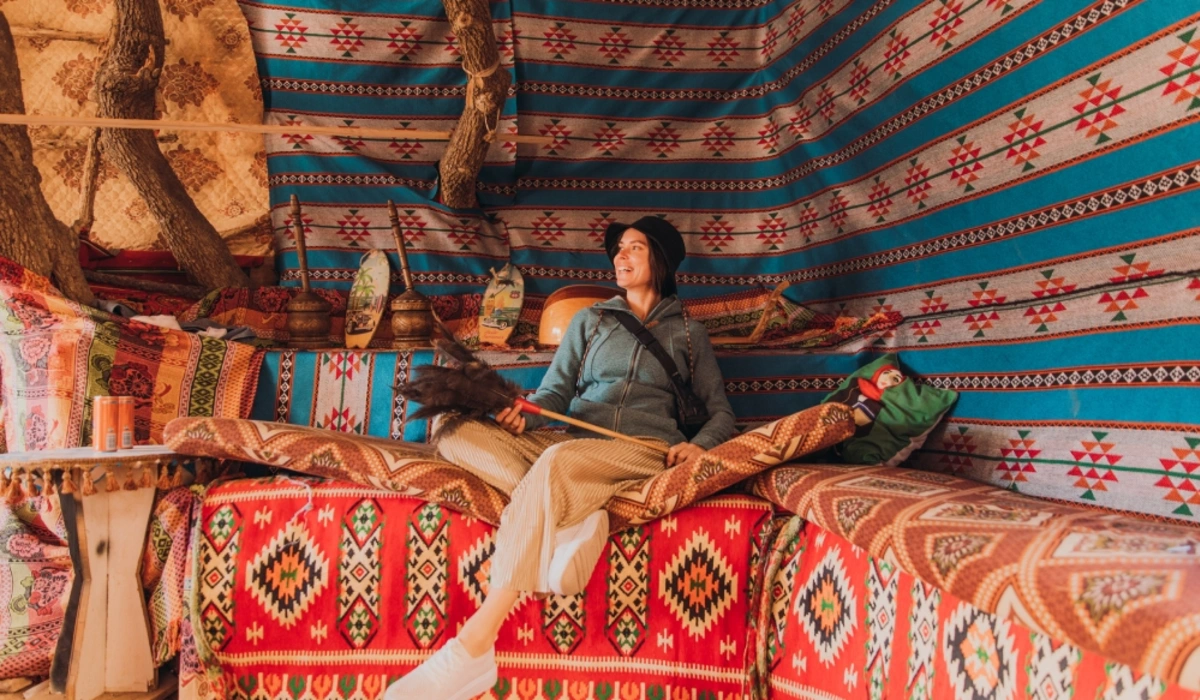
Jordan deserts aren't empty wilderness—they're home to Bedouin tribes who've inhabited these lands for centuries. The Zalabia Bedouin are Wadi Rum's primary inhabitants, maintaining traditional desert lifestyles while adapting to tourism economy.
Bedouin Hospitality
Experiencing Bedouin hospitality represents an essential part of visiting Jordan deserts. Traditional customs include:
Arabic coffee and tea: Welcoming guests with cardamom-spiced coffee and sweet mint tea Zarb (Bedouin BBQ): Traditional cooking method burying meat and vegetables in underground sand ovens Storytelling: Evening gatherings around campfires sharing stories, history, and desert lore Music: Traditional Bedouin instruments and songs echoing desert heritage
Many Bedouin families operate desert camps, offering tourists authentic cultural experiences alongside spectacular scenery.
What to Do in Jordan Deserts
The most popular way to explore Jordan deserts involves 4x4 pickup truck tours driven by Bedouin guides who navigate sand and rock with remarkable skill. Standard tours visit:
- Lawrence's Spring: Natural water source in rock face
- Khazali Canyon: Narrow canyon with ancient Thamudic rock inscriptions
- Sand Dunes: Climbing red dunes for sunset views
- Rock Bridges: Um Frouth and other accessible natural bridges
- Anfishieh Inscriptions: Ancient rock art showing camels and hunters
- Burdah Rock Bridge viewpoint: For those not climbing to the arch itself
- Tours range from 2-hour introductions to full-day explorations visiting remote areas deep in the protected zone.
2- Camel Trekking
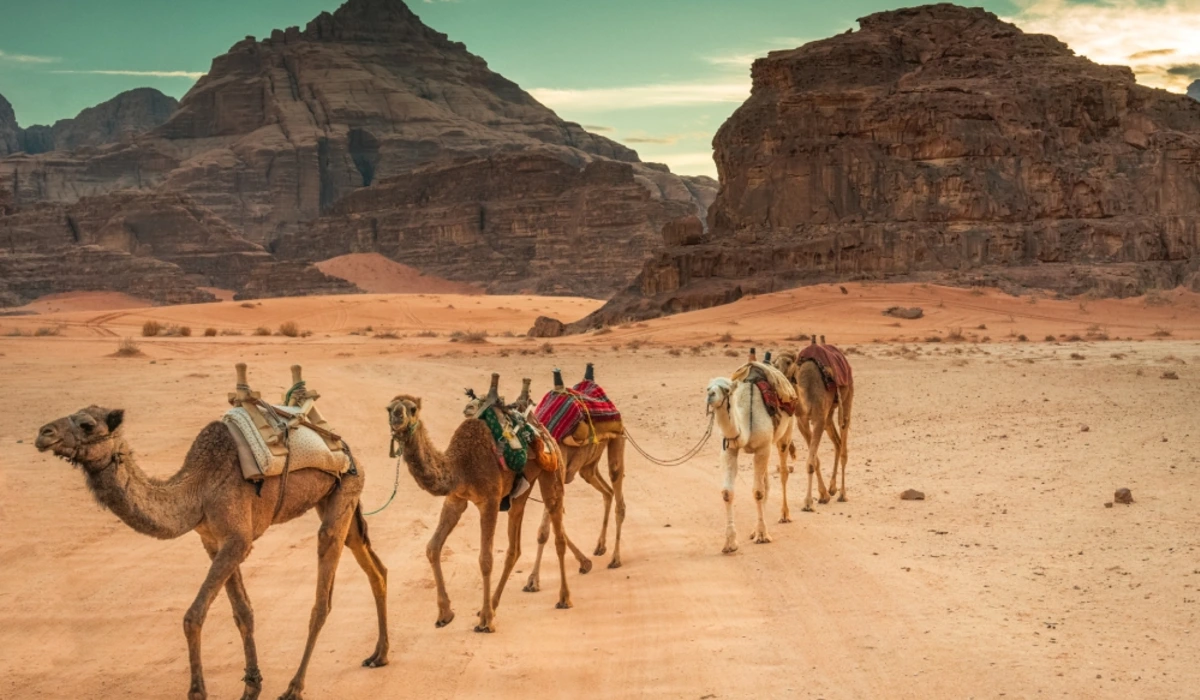
Following Lawrence of Arabia's example, camel trekking offers slower, more traditional desert exploration. Options range from one-hour sunset rides to multi-day expeditions camping at different locations. The swaying motion and leisurely pace create meditative experiences connecting you to centuries of desert travel tradition.
3- Rock Climbing and Scrambling
Jordan deserts attract serious rock climbers worldwide. Wadi Rum offers hundreds of established climbing routes on sandstone and granite faces, from beginner scrambles to technical multi-pitch climbs. The Burdah Rock Bridge climb represents a bucket-list scramble—moderately technical but achievable for fit climbers with guide support.
4- Hiking and Trekking
Numerous hiking routes traverse Jordan deserts, from short canyon walks to multi-day treks. Popular hikes include:
- Jebel Um Ad Dami: Jordan's highest peak at 1,854 meters
- Lawrence's House ruins: Trek to remains of structure Lawrence used
- Canyon explorations: Navigating narrow passages through mountains
- Sunrise summit hikes: Early morning climbs for spectacular dawn views
5- Hot Air Ballooning
Floating silently above Wadi Rum at sunrise in a hot air balloon provides extraordinary perspectives on the desert's vastness and beauty—mountains, canyons, and camps spread below in dramatic relief.
6- Stargazing
Jordan deserts' remote location, clear skies, and lack of light pollution create world-class stargazing conditions. The Milky Way appears so bright it casts shadows, planets shine brilliantly, and meteor showers provide spectacular shows. Many camps offer telescope sessions and astronomy guidance.
Where to Stay in Jordan Deserts
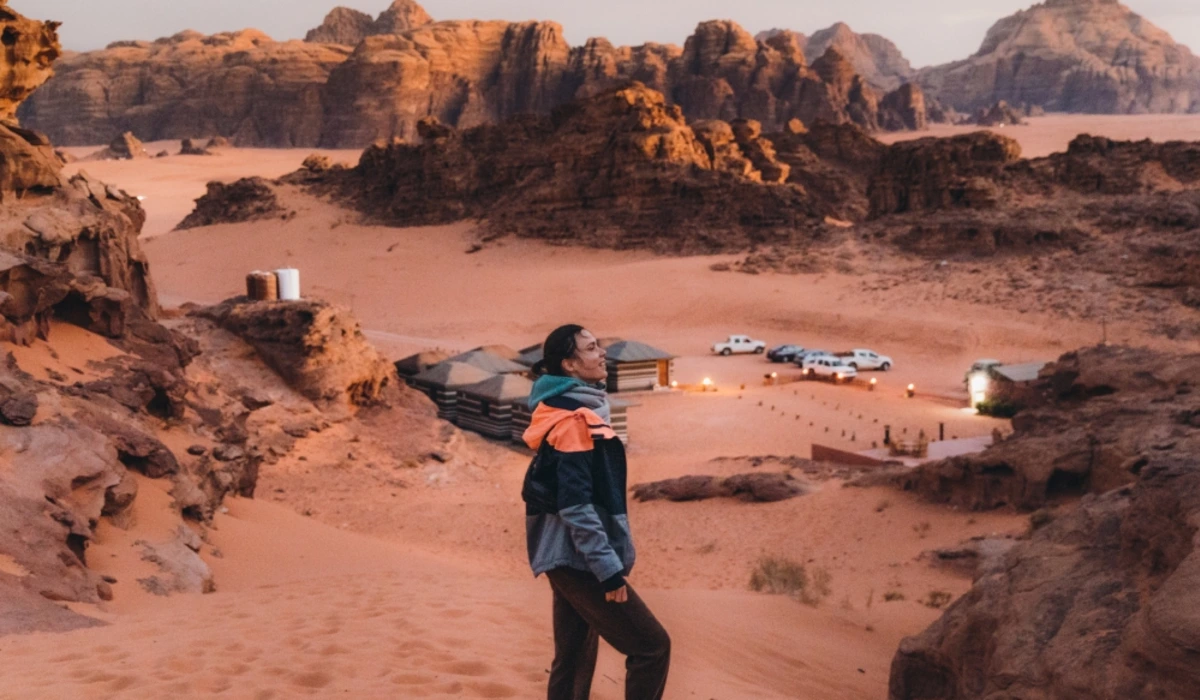
Most visitors stay in Bedouin camps ranging from basic traditional goat-hair tents to luxury "martian domes" with glass ceilings for stargazing. Camp categories include:
- Basic camps: Simple tents, shared bathrooms, traditional experiences, budget
- friendly Mid-range camps: Private tents with beds, basic en-suite bathrooms,
- comfortable Luxury camps: Elaborate dome or tent structures, full bathrooms, gourmet meals, high-end service
All camps typically include dinner (often zarb), breakfast, and desert atmosphere around evening campfires.
Wadi Rum Village
The small village at Wadi Rum's entrance offers a few basic hotels and guesthouses for those preferring solid structures, though most travelers choose desert camping for full experience.
Practical Information for Visiting Jordan Deserts
From Amman: 320 kilometers, approximately 4 hours driving via Desert Highway From Petra: 100 kilometers, approximately 1.5 hours From Aqaba: 60 kilometers, approximately 45 minutes
Most visitors arrange private drivers, join organized tours, or rent cars. Public transport exists but requires connections and careful timing.
Entry and Costs
Wadi Rum Protected Area charges entry fees:
- Included in Jordan Pass: Free entry if you purchased Jordan Pass (recommended for most visitors)
- Separate ticket: 5 Jordanian Dinars if not using Jordan Pass
Tours, camps, and activities cost separately, typically arranged directly with Bedouin operators or through agencies.
Best Time to Visit
Spring (March-May): Ideal temperatures, wildflowers occasionally bloom, comfortable hiking Fall (September-November): Excellent weather, clear skies, perfect for all activities Winter (December-February): Cold nights (sometimes freezing), pleasant days, fewer tourists Summer (June-August): Extremely hot (40°C+/104°F+), challenging conditions, lowest prices
Most visitors prefer spring or fall for optimal weather balancing warm days with comfortable nights.
What to Bring
- Sun protection: Hat, sunscreen, sunglasses essential year-round
- Warm layers: Desert nights get surprisingly cold, even in summer
- Closed-toe shoes: For hiking and scrambling
- Water bottle: Staying hydrated crucial
- Camera: Landscapes demand photography
- Cash: Many camps and operators don't accept cards
- Headlamp: Nighttime camp navigation
- Modest clothing: Respectful of Bedouin culture
How Long to Stay
Minimum: One night allows sunset tour, campfire dinner, sunrise, and morning departure Recommended: Two nights provides full day of activities plus relaxed pace Ideal: Three nights allows deep exploration, multiple activities, and full desert immersion
Beyond Wadi Rum: Other Jordan Deserts
The vast basalt desert extending east toward Iraq represents Jordan's least-visited desert region. Black volcanic rock creates stark landscapes entirely different from Wadi Rum's red sandstone. The area holds significant Bedouin culture and some desert castles (Qasr Amra, Qasr Kharana) built during early Islamic periods.
Desert Castles Route
East of Amman, several well-preserved desert castles dating to the Umayyad period (7th-8th centuries CE) sit in desert landscapes. While not wilderness experiences like Wadi Rum, they offer historical desert exploration combining archaeology with desert scenery.
Conservation and Responsible Tourism
Wadi Rum's status as a UNESCO World Heritage Site (inscribed 2011) recognizes both natural beauty and cultural significance. However, increasing tourism pressure threatens this fragile desert environment.
Responsible desert travel:
- Use designated paths to prevent erosion
- Pack out all trash—leave no trace
- Respect Bedouin culture and customs
- Support local Bedouin operators over international agencies
- Avoid disturbing wildlife (foxes, lizards, birds)
- Don't touch or damage ancient rock art
- Minimize campfire impact
- Conserve water in this water-scarce environment
FAQs
Wadi Rum is Jordan's most spectacular and accessible desert—the famous "Valley of the Moon" with red sandstone mountains where Lawrence of Arabia and The Martian were filmed. The Eastern Desert (Badia) features black basalt landscapes and desert castles but sees few tourists. Wadi Araba runs along Jordan's western border. For most travelers, Wadi Rum offers the essential Jordan desert experience.
Q2: Where exactly was The Martian filmed in Jordan deserts?
The Martian filmed throughout Wadi Rum Protected Area, using various locations for different Mars scenes. The main habitat camp was built in central Wadi Rum, rover driving scenes used the vast sand plains, and mountain backdrops appear throughout. Many tour operators offer "Martian Tours" visiting filming locations. The entire Wadi Rum landscape served as Mars, not one specific spot.
Q3: How much time should I spend in Jordan deserts like Wadi Rum?
Minimum one night allows sunset 4x4 tour, traditional zarb dinner, campfire, stargazing, and sunrise before departure. Two nights (recommended) provides full day for activities like climbing, longer treks, or camel rides plus relaxed pace. Three nights allows deep exploration, multiple activities, and true desert immersion. Most visitors spend 1-2 nights combined with Petra and Aqaba.
Q4: What is the best time of year to visit Jordan deserts?
Spring (March-May) and fall (September-November) offer ideal weather—warm days (20-30°C/68-86°F), comfortable nights, perfect for hiking and activities. Winter brings cold nights (sometimes freezing) but pleasant days and fewer crowds. Summer (June-August) is extremely hot (40°C+/104°F+) making daytime activities challenging. Book early for spring/fall peak seasons.
Q5: Is it safe to travel to Jordan deserts near borders with Iraq and Saudi Arabia?
Yes, Wadi Rum and tourist areas in Jordan deserts are very safe. Jordan maintains strong security, and Wadi Rum sees no security issues despite proximity to Saudi border (which is peaceful). The Eastern Desert toward Iraq is remote but monitored. Tourist areas have excellent safety records. Jordan overall ranks among the Middle East's safest countries for travelers.
Q6: Can I visit Lawrence of Arabia locations in Jordan deserts?
Yes, many Lawrence of Arabia filming locations and historical sites exist in Wadi Rum. Visit Seven Pillars of Wisdom rock formation (named after his book), Lawrence's Spring (natural water source he used), Lawrence's House ruins (requires hiking), and numerous spots where 1962 film was shot. Bedouin guides share Lawrence history and can show you both historical and filming locations throughout Wadi Rum.


Join the discussion