



-
Why Tourist Transportation Is a Scam (Well, Kind of)
-
Egypt: Beyond the Tour Bus
-
Dubai: Not Just Taxis
-
Turkey (Istanbul): Beyond the Tourist Trams
-
Morocco (Marrakech & Beyond): The Petit Taxi Reality
-
Greece (Athens & Islands): Ferry vs Fast Boat Truth
-
General Principles: How to Get Around Like a Local Anywhere
-
When It's Actually Worth Paying for Tourist Transport
-
FAQs
Why Tourist Transportation Is a Scam (Well, Kind of)
Tourist transport is convenient, but often overpriced. That $50 hop-on bus or $35 airport shuttle may seem easy, but locals rely on metros, buses, and local apps to get around faster and far cheaper. While visitors stick to tourist options, residents move efficiently using systems many travelers overlook.
Skip the tourist bubble and travel like a local. You’ll save money, avoid crowds, and experience the city more authentically. From metro cards to bike shares, these everyday options give you real insider access and a smarter way to explore any destination.
Why Tourist Transportation Is a Scam (Well, Kind of)
Before we dive into specific cities, let's talk about why the transportation marketed to tourists is so different from what locals use.
The tourist transportation playbook:
-
Convenience over cost: Tourist options prioritize being easy and English-friendly over being affordable. That's not inherently bad, but you pay a premium for it.
-
Commission-based recommendations: Hotels, concierges, and tourist information centers often get kickbacks from expensive shuttle services and tour companies. They're not going to tell you about the $1.50 bus.
-
Fear-based marketing: "The metro is confusing!" "Buses are dangerous!" "You'll get lost!" These are often exaggerations designed to keep you paying for guided, expensive options.
-
Captive audience pricing: Tourist areas charge whatever they can get away with because they know you don't know better alternatives.
-
Bundled inefficiency: Hop-on hop-off buses stop at every tourist sight whether you want to go there or not, wasting your time to justify the high ticket price.
The local transportation reality:
- Locals know the fastest routes
- They use the cheapest options
- They're comfortable with some complexity because they save money
- They avoid tourist areas during peak times
- They know the hacks, tricks, and workarounds
Now let's break down how locals actually get around in popular destinations, and how you can too.
Egypt: Beyond the Tour Bus
What Tourists Are Directed Towards:
Private drivers: Hotels push expensive private drivers ($50-100/day) claiming it's the "only safe way" to get around.
Tourist taxis: White taxis in tourist areas that charge 3-5x normal rates.
Tour company shuttles: Bundled into package tours at inflated prices.
Uber/InDrive to everywhere: Convenient but adds up quickly, especially with surge pricing.
How Locals Actually Get Around:
-
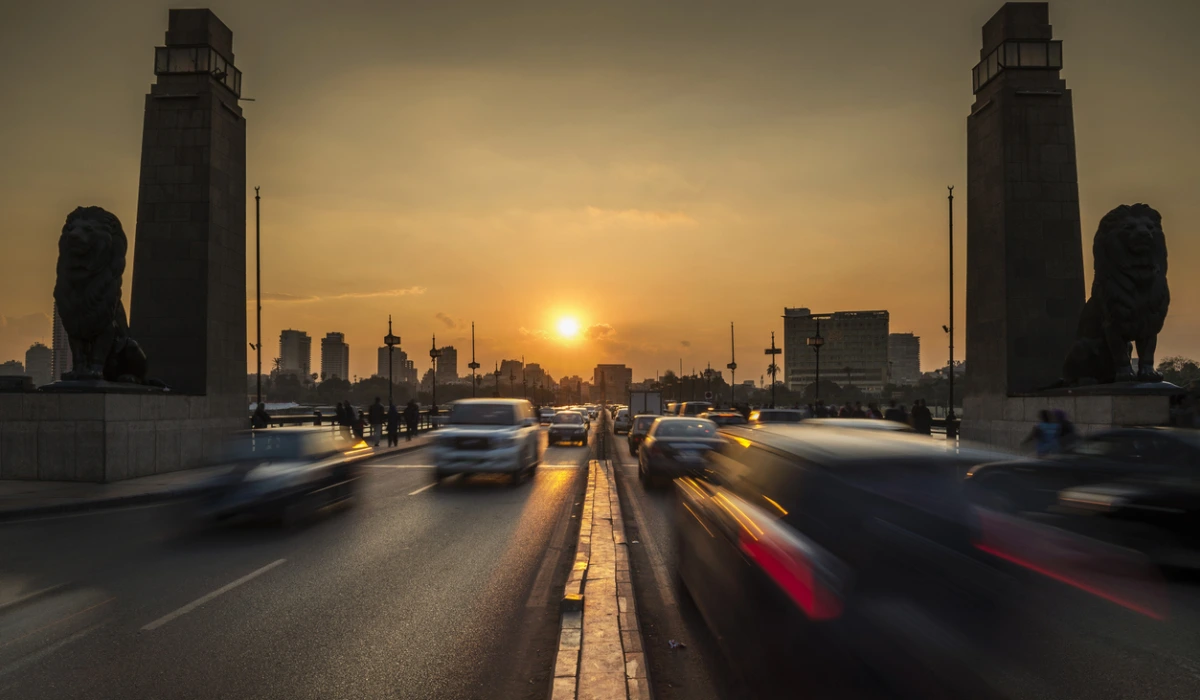
Cairo Metro: The secret weapon tourists ignore! Three lines connecting major areas for 5-7 EGP ($0.15-0.20 USD). It's air-conditioned, fast, and clean. Women-only cars available during rush hour.
-
Microbuses: Cheap minivans with set routes, 3-5 EGP per ride. They're chaotic but authentic. You'll need to know some Arabic or have your destination written down.
-
Regular taxis (orange and white): Flag them on the street, negotiate BEFORE getting in. Should cost 30-40% of what tourist taxis charge. Use the meter or agree on price first.
-
Uber/InDrive/Careem strategically: Locals use them but know when to avoid (rush hour, tourist areas). They use standard cars, not the premium options tourists book.
-
Walking + metro combos: Locals walk way more than tourists think. Many areas are actually walkable, especially along the Nile.
-
Buses: The most local option. Super cheap (2-5 EGP) but requires knowing routes. Google Maps works for bus routes in Cairo!
-
The real hack: Combine methods. Metro to the general area, microbus or walk the rest. Cost: maybe $1 total vs. $20 for a taxi.
-
Alexandria: The tram system! Tourists have no idea it exists. Locals use it constantly. 5 EGP rides through the city.
-
Luxor: Locals rent bicycles or motorbikes. Way cheaper than constant taxis. Many hotels have bikes for guests.
Pro Tips:
- Download Uber and InDrive before arrival
- Screenshot metro maps on your phone
- Learn basic Arabic numbers for negotiating
- Women traveling alone: use the metro women's cars
- The metro is genuinely safe and easy—don't let fear-mongering stop you
Dubai: Not Just Taxis
What Tourists Are Directed Towards:
Taxis everywhere: Hotels hail taxis for everything, every time.
Private car services: "VIP" airport transfers for $80 when there's a $1.50 metro.
Hop-on hop-off buses: $70-100 for routes that regular buses cover for $2.
Hotel shuttles: "Complimentary" shuttles that limit your schedule and destinations.
How Locals Actually Get Around:
-
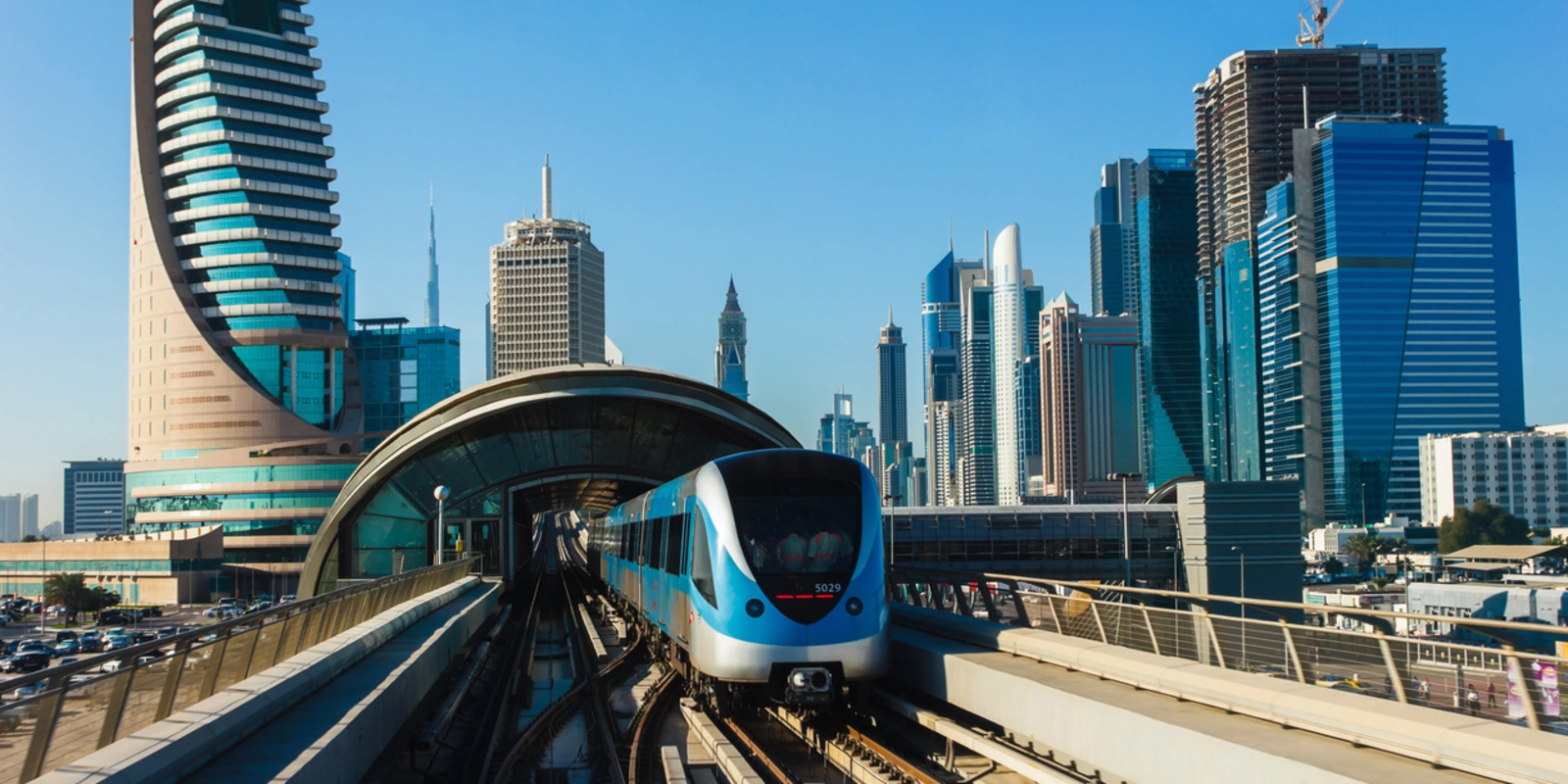
Dubai Metro: The backbone of local transportation. Clean, modern, automated trains. Red and Green lines cover major areas. 3-8.5 AED ($0.80-2.30 USD) depending on distance. Gold class available for 6-16 AED if you want more space.
-
Dubai Tram: Connects Dubai Marina, JBR, and other beach areas. Integrated with metro. 3-6.5 AED.
-
RTA Buses: Extensive network covering everywhere the metro doesn't. 3-7 AED. Google Maps shows all routes and schedules.
-
Careem over Uber: Locals prefer Careem (owned by Uber but still a separate app). Often slightly cheaper and more drivers.
-
Walking: Marina Walk, JBR beach walk, Downtown Dubai, all designed for walking. Locals walk way more than tourists realize, especially November-March.
-
Water Bus/Ferry: Dubai Ferry and water taxis across the Creek. 1-50 AED depending on route. Scenic and practical.
-
E-scooters and bikes: Careem Bike, Arnab, and Lime scooters everywhere. Pay per minute. Great for short distances.
The real hack:
- Metro to Mall of the Emirates or Dubai Mall (direct stations!)
- Metro + tram for beach areas
- Nol card means never fumbling for tickets
- Metro runs until midnight weekdays, 1 AM weekends
What locals avoid:
-
Taxis during rush hour (7-9 AM, 5-7 PM)—metro is faster
-
Tourist area taxis—they often take longer routes
-
Private car services from the airport—metro goes directly to Terminal 3
Money comparison:
- Tourist taxi from airport to Downtown: 100 AED
- Metro from airport to Downtown: 7.50 AED
- You just saved $25!
Turkey (Istanbul): Beyond the Tourist Trams
What Tourists Are Directed Towards:
Nostalgic red tram: Historic tram on İstiklal Avenue. Tourists love it, pay a premium, and wait in long lines.
Tourist taxis: Yellow taxis in Sultanahmet that "forget" to turn on meters.
Bosphorus dinner cruises: $80+ for what you can do for $3.
Airport shuttles: $20-30 when there's better options.
How Locals Actually Get Around:
-
İstanbulkart: THE essential item. Reloadable card for all public transport. Saves 50% vs single tickets. Buy at any kiosk or metro station for 70 TL, load it up.
-
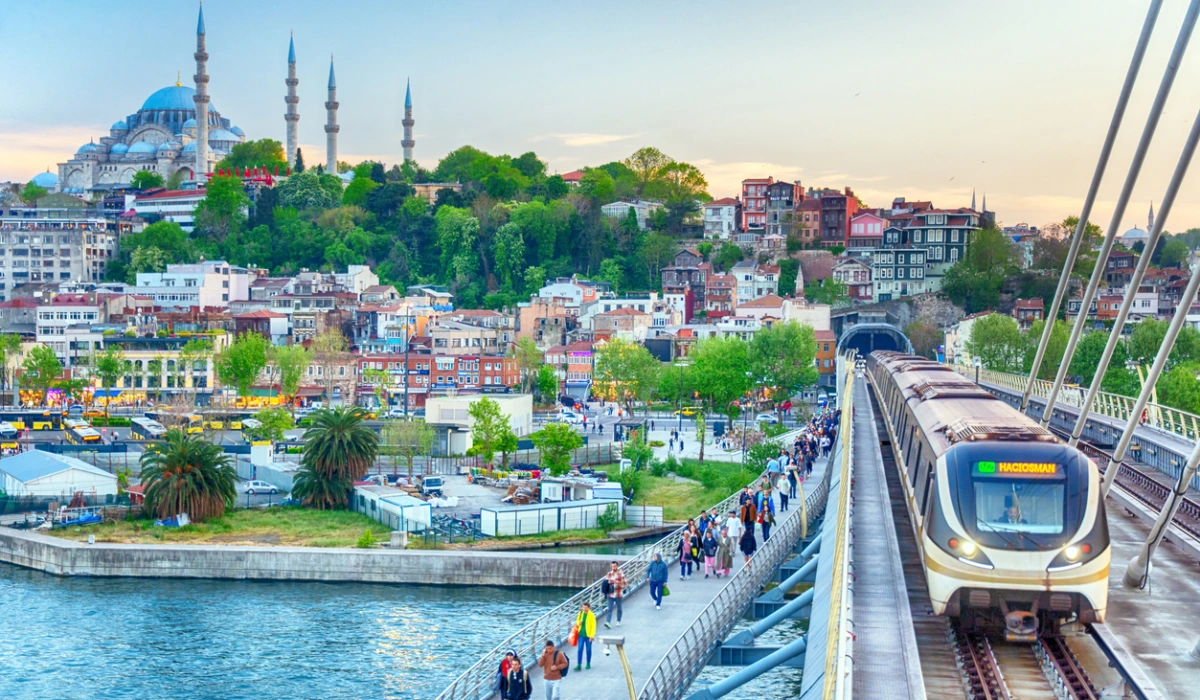
Metro: Modern, extensive system. 15 TL with İstanbulkart. Connects European and Asian sides via Marmaray tunnel (under the Bosphorus!).
-
Metrobüs: Dedicated bus lane running the length of the city. Faster than cars during traffic. Same price as metro, needs İstanbulkart.
-
Ferries: The secret to Istanbul! Şehir Hatları ferries cross between Europe and Asia for 15 TL. Scenic, fast, practical. Locals commute this way daily.
-
Walking: Locals walk SO MUCH. Galata to Karaköy, Karaköy to Eminönü, Taksim down İstiklal—all walkable.
-
Marmaray: The underwater tunnel train connecting Europe to Asia. Locals use it for commuting; tourists don't even know it exists.
The real hacks:
- Take public ferries instead of tourist Bosphorus cruises (15 TL vs 400 TL!)
- Use metro to Taksim, then walk down İstiklal instead of the crowded tram
- İstanbulkart works on EVERYTHING—metro, tram, bus, ferry, funicular
- BiTaksi or Uber for when you really need a taxi, but insist meter is on
Seasonal tip: In summer, ferries are also a way to cool off! Air-conditioned and breezy.
Money comparison:
- Tourist Bosphorus cruise: 400 TL ($12 USD)
- Public ferry same route: 15 TL ($0.45 USD)
- Savings: Enough for a nice dinner!
Morocco (Marrakech & Beyond): The Petit Taxi Reality
What Tourists Are Directed Towards:
Expensive riads arrange everything: Private drivers to/from airport, day trips, all transportation. Convenient but costly.
Tourist taxis: Hang around tourist areas, refuse meters, quote inflated prices.
Calèches: Horse-drawn carriages marketed to tourists. Overpriced and often animal welfare concerns.
How Locals Actually Get Around:
-
Petit taxis (small taxis): Beige/yellow small cars, metered, can fit 3 passengers max. By law they must use the meter within city limits. Starting fare around 7 MAD, short rides 15-25 MAD. Locals flag them constantly.
-
Grand taxis: Larger cars (usually Mercedes) for intercity travel, shared with other passengers. Wait until 6 passengers fill the car, then depart. Super cheap for longer distances.
-
Buses: CTM and other companies run between cities. Clean, air-conditioned, cheap. Marrakech to Essaouira: 80 MAD ($8 USD) vs 800 MAD for tourist shuttle.
-
Local city buses: In Marrakech, Alsa runs the bus network. 4 MAD per ride! Buses are numbered and Google Maps shows routes.
-
Walking through the medina: Locals navigate the maze on foot. Yes, it's confusing at first, but that's part of the charm. Download offline maps.
-
Motorcycles and scooters: Common in newer parts of cities. Rentals available, though traffic is chaotic.
-
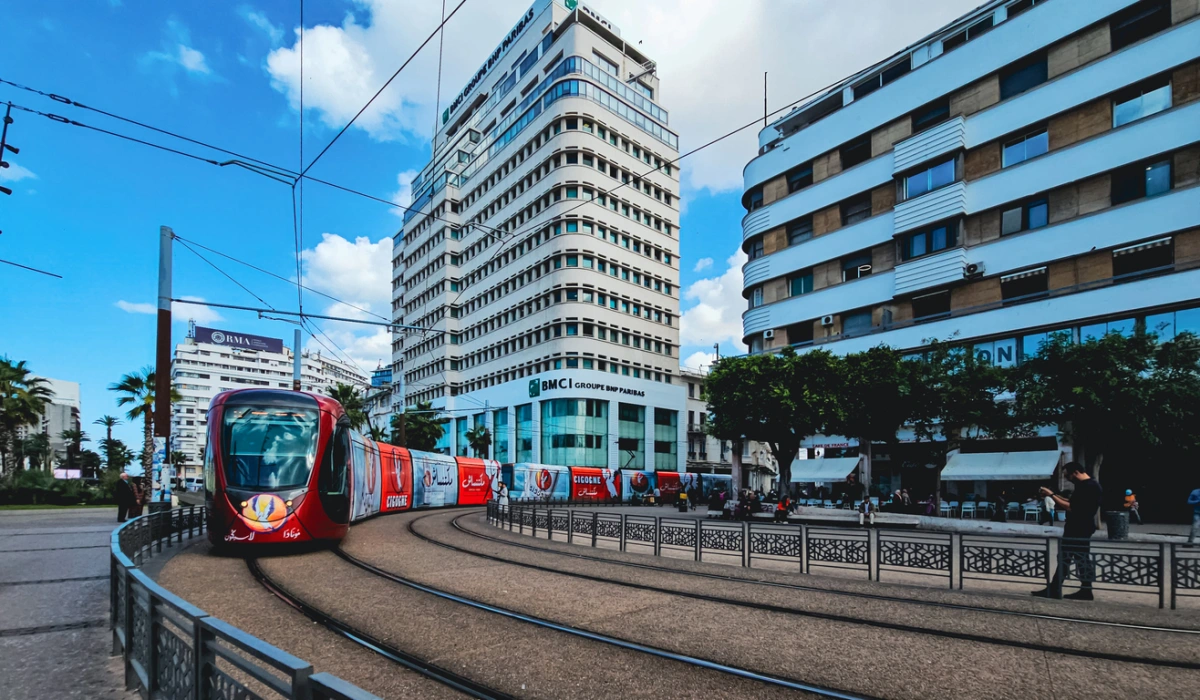
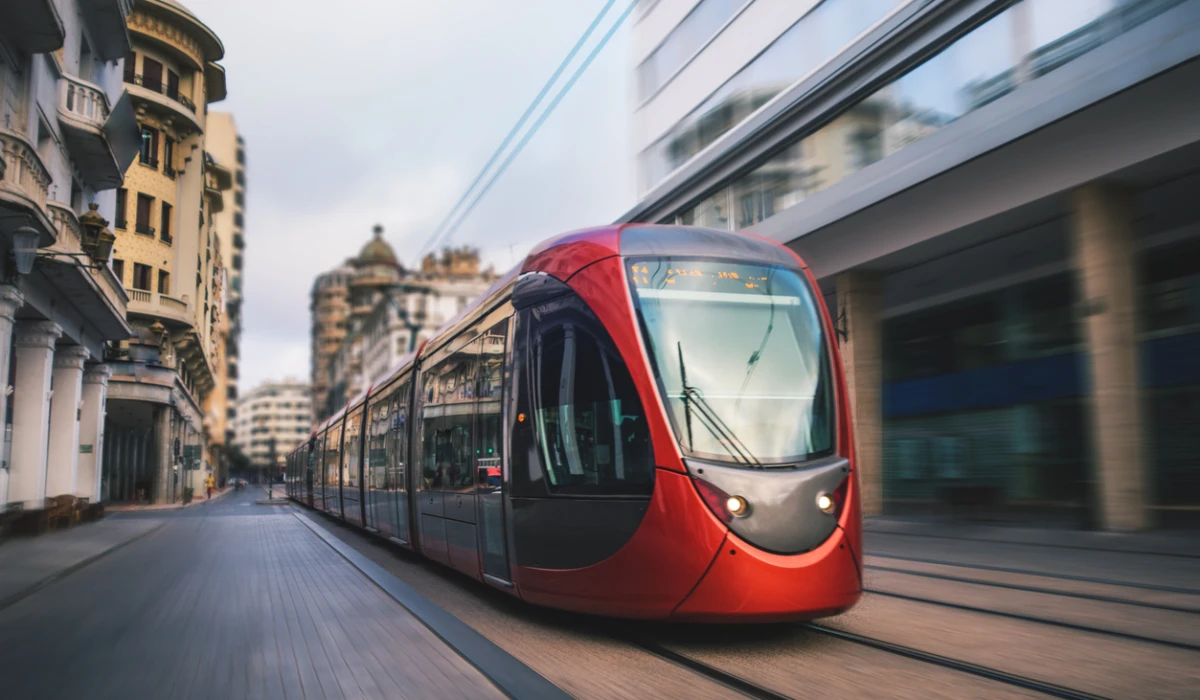
Trams (Casablanca & Rabat): Modern tram systems. 6-10 MAD. Tourists somehow never use them!
The real hacks:
- Always insist the petit taxi turns on the meter (compteur). If they refuse, get out.
- The night rate is slightly higher (legal), but double-check it's the official rate.
- Share grand taxis with other travelers to split costs
- Bus terminals are where locals go—skip expensive tourist shuttles
- Download Careem or Heetch (Morocco's ride apps) for transparent pricing
Marrakech specific:
- The medina is walkable (though confusing)
- Buses run from Jemaa el-Fnaa to new town (Gueliz)
- Train from Marrakech to Casablanca: 100 MAD vs tourist bus 200+ MAD
Greece (Athens & Islands): Ferry vs Fast Boat Truth
What Tourists Are Directed Towards:
Airport express buses that tourists overpay for: They buy tickets from drivers at inflated prices instead of at the kiosk.
Tourist taxis: Yellow taxis at airports and ports that "forget" about the official rate card.
High-speed ferries: Double the price of regular ferries, marketed as "so much faster!"
Private transfers: Hotels push expensive shuttle services.
How Locals Actually Get Around:
-
Athens Metro: Clean, efficient, cheap. 1.20 EUR for a 90-minute ticket, 4.10 EUR for 24 hours, 9 EUR for 5 days. The airport line is 9 EUR. Tourists pay way more buying individual tickets!
-
Buses and trolleys: Extensive network, same ticket as metro. Route X95 from airport to Syntagma Square: 5.50 EUR vs 38+ EUR for taxi.
-
Walking: Athens is incredibly walkable. Plaka to Monastiraki to Syntagma to Kolonaki—all on foot.
-
Regular ferries (not high-speed): Locals take the slower, cheaper blue ferries. Athens to Santorini: 35 EUR vs 70+ EUR for fast ferry. Sure, it's 5 hours vs 8 hours, but you save half the cost and see more ocean!
-
Local buses on islands: Every island has local buses. Santorini, Mykonos, Crete, all have cheap bus networks tourists ignore. 1.80-3 EUR vs 15-30 EUR for tourist shuttles.
-
Renting scooters/ATVs: Island locals rent wheels, not cars. Much cheaper, easier to park, more fun. Around 20-30 EUR/day.
-
Inter-city KTEL buses: Long-distance buses within mainland Greece. Comfortable, air-conditioned, cheap. Athens to Delphi: 16 EUR vs 80+ EUR for tourist day trip.
The real hacks:
- Buy multi-day Athens tickets—saves money if staying a few days
- Book ferry tickets in advance online (cheaper than at port)
- Regular ferries sell out last, high-speed sell out first—wait and save money
- Validate your ticket! Athens inspectors are everywhere, fines are steep
- Greeks take afternoon ferries (cheaper, less crowded than morning tourist rush)
Island transportation secrets:
- Santorini local bus from airport to Fira: 2.50 EUR vs 25 EUR taxi
- Mykonos local bus system connects all beaches: 2 EUR
- Crete has extensive KTEL bus network—rent a car only if you want to, not because you "have to"
Money comparison:
-
Tourist: Private airport transfer (50 EUR) + Fast ferry to Santorini (70 EUR) = 120 EUR
-
Local: Metro to Piraeus (9 EUR) + Regular ferry (35 EUR) = 44 EUR
-
Savings: 76 EUR for literally the same destination!
General Principles: How to Get Around Like a Local Anywhere
Now that we've covered specific cities, here are universal principles that work everywhere:
1. Download the Right Apps BEFORE You Arrive
Global essentials:
- Google Maps (works for public transport in most cities)
- Moovit (specializes in public transport routes)
- Citymapper (available in major cities worldwide)
Regional ride-hailing:
- Careem (Middle East, North Africa)
- InDrive (global, especially good in Egypt, Mexico, Central Asia)
- Bolt (Europe, Africa)
- Grab (Southeast Asia)
2. Get the Local Transport Card Immediately
Almost every major city has a rechargeable smart card that:
- Saves 30-50% vs single tickets
- Works across all public transport (metro, bus, sometimes tram/ferry)
- Saves you time queuing for tickets
Examples:
- Istanbul: İstanbulkart
- Dubai: Nol Card
- London: Oyster Card
- Paris: Navigo
- Tokyo: Suica/Pasmo
- Hong Kong: Octopus Card
First-day move: Get the card at the airport and load it with enough money for a few days.
3. Learn the Metro/Subway—It's Not That Hard
Tourists often fear the metro. Locals live on it. Here's the truth:
Why metros are tourist-friendly:
- Color-coded lines with numbers/names
- Signs in English in tourist cities
- Google Maps tells you exactly which line and direction
- Announcements often in English
- Impossible to get truly lost (worst case, you go the wrong way and turn around)
How to master it:
- Screenshot the metro map
- Learn your "home" station name
- Count stops if you can't read station names
- Watch what locals do—follow the herd
Reality check: If millions of locals use it daily, you can figure it out.
4. Walk More Than You Think You Need To
Tourists underestimate walking. Locals walk everywhere within reason.
Why walking is underrated:
- Discover things you'd miss in transport
- Often faster than waiting for buses or dealing with traffic
- Free!
- Authentic neighborhood experiences
- Better sense of the city's layout
Use Google Maps walking time estimates. If it's under 25 minutes, just walk.
5. Avoid Transport in Tourist Zones
Universal truth: Transportation in tourist areas is always expensive and often slower.
The solution: Walk or metro to one street away from the tourist zone, then get your taxi/bus/transportation from there. Prices drop significantly.
Example: Don't catch a taxi at the Eiffel Tower. Walk to the nearest metro station area and get one there.
6. Learn to Negotiate (Where Appropriate)
Cities where you negotiate: Cairo, Marrakech, many Asian and African cities with unmetered taxis.
How to negotiate like a local:
-
Ask locals what fair price is
-
Know the general range (hotel staff, not concierges, will tell you)
-
Act like you know the price and you're mildly offended by overcharging
-
Be willing to walk away
-
Have small bills ready
Phrase to learn: "How much to [destination]?" in the local language.
7. Embrace Some Discomfort for Huge Savings
Local transport trade-offs:
- Might be more crowded (rush hour metros)
- Requires some planning and navigation
- Less English signage sometimes
- Might take slightly longer
What you gain:
- 50-80% cost savings
- Authentic experience
- Satisfaction of navigating like a local
- Better stories!
When It's Actually Worth Paying for Tourist Transport
Let's be balanced here sometimes tourist options make sense:
Pay for convenience when:
-
You have very limited time: If you only have 3 days and want to see 15 sights, a hop-on hop-off bus might be worth it for efficiency.
-
Late night/early morning: Public transport might not run, or safety concerns in unfamiliar areas at 2 AM are valid.
-
Multiple people: If there are 4 of you, splitting a taxi might actually be cheaper than 4 metro tickets.
-
Lots of luggage: Dragging three suitcases through metro stairs isn't fun. Airport shuttle or taxi makes sense.
-
Special needs: If you have mobility issues, young children, or other accessibility needs, prioritize comfort.
-
Remote destinations: If public transport doesn't go there or runs once per day, private transport is necessary.
-
Time-sensitive: Important meetings, catching flights with no room for error—worth paying for reliability.
FAQs
Q1: Is public transportation safe for tourists?
Yes, in the vast majority of tourist destinations, public transportation is very safe and used by millions daily. Metro systems in cities like Dubai, Istanbul, Athens, and even Cairo are clean, monitored, and safe. Use common sense: watch your belongings during crowded rush hours, avoid empty metro cars late at night, and stay aware of your surroundings. Women-only metro cars are available in Egypt and some other countries if preferred. Public transport is often safer than wandering tourist areas late at night or taking unmarked taxis.
Q2: What if I don't speak the local language?
Most major city public transport systems are designed for international use with English signage, especially in tourist areas. Google Maps works in most cities and shows you exactly which bus/metro to take and where to get off—no language needed. Download offline maps before you go. Screenshot metro maps and key destination names. Translation apps like Google Translate work offline for basic communication. Pointing at written destinations works universally. Millions of tourists navigate cities without speaking the language daily—you can too!
Q3: How much money can I realistically save using local transportation?
Substantial amounts! Examples: Dubai airport to downtown—save $25 (metro vs taxi), Istanbul Bosphorus trip—save $12 (public ferry vs tourist cruise), Athens to Santorini—save $40 (regular ferry vs fast ferry), Cairo day of transportation—save $15-30 (metro/bus vs constant taxis). Over a week-long trip, using local transport instead of tourist options can easily save $150-300+ per person. For families, multiply those savings. That's enough for extra days of travel, better accommodations, or amazing meals.
Q4: What's the best first step when arriving in a new city?
Immediately get the local transport card! Go to the airport metro/transit station, buy the rechargeable smart card (Nol Card in Dubai, İstanbulkart in Istanbul, etc.), and load it with 2-3 days worth of funds. This one step saves you time, money, and stress throughout your trip. Second step: screenshot the metro map and add your hotel's nearest station to your phone's maps. Third: use your first metro/bus ride to get from airport to hotel—you'll arrive confident instead of stressed.
Q5: When should I actually take taxis or private transport?
Smart times to use taxis/private transport: late night (after midnight when metros close), very early morning (pre-6 AM), with heavy luggage (3+ bags), when traveling with 3+ people (cost often comparable to multiple metro tickets), to remote areas without public transport access, when you're sick or exhausted, or when time is critical (catching flights, important meetings). The key is making it an intentional choice for specific situations rather than defaulting to it because you didn't research alternatives.
Q6: Are metro systems really easy to navigate or is this downplaying the difficulty?
Honest answer: They're genuinely easier than tourists fear! Modern metros are designed for international use with color-coded lines, numbered/named stations, and clear signage. Google Maps and Citymapper apps tell you exactly which line, which direction, and how many stops—follow their instructions and you literally cannot get lost. Yes, you might take the wrong direction once (just get off and cross to the other platform). Yes, rush hour is crowded (avoid 7-9 AM and 5-7 PM if possible). But if locals including children, elderly, and non-English speakers navigate these systems daily, tourists absolutely can. The difficulty is 90% psychological fear, 10% actual challenge.
Q7: What should I do if a taxi driver refuses to use the meter?
Politely but firmly insist: "Please use the meter" or "Compteur, s'il vous plaît" (French), "Taksimetre lütfen" (Turkish), "Addaad, min fadlak" (Arabic). If they refuse, say thank you and get out—there will be another taxi in minutes in any major city. This is especially important in Morocco, Turkey, and Egypt. Alternative: use ride-hailing apps (Uber, Careem, Bolt, InDrive) which show prices upfront and eliminate negotiation. Many locals now prefer apps for this exact reason. If you must negotiate, ask locals beforehand what the approximate fare should be so you're negotiating from knowledge.
Q8: How do I know which buses to take without speaking the language?
Google Maps is your best friend! Input your destination, select "public transport" option, and it will show you exactly which bus number, where to catch it, and where to get off. Citymapper and Moovit apps work the same way. Show bus drivers your destination on your phone if unsure. Watch which stops locals get off at. Count the stops Google Maps tells you. Many buses have digital displays showing upcoming stops. In tourist areas, bus stops often have route maps in English. Pro tip: Take a photo of the bus route map at your first stop for reference throughout your trip.
Q9: What if I get lost using public transportation?
Getting temporarily lost is not a crisis—it's part of the adventure! Here's how to handle it: If on metro, simply get off at the next station and check Google Maps to reorient. Every metro station has maps showing where you are. If on a bus going the wrong direction, get off at the next stop, cross the street, and catch the same bus number going back. Ask locals for help—showing your destination on your phone works universally. Worst case: use a ride-hailing app to get back to somewhere familiar. Remember: locals get lost sometimes too. You're not the first person this has happened to and you won't be the last!
Q10: Are local transport options accessible for people with disabilities?
Accessibility varies significantly by city and specific needs. Modern metro systems (Dubai, newer European cities) generally have elevators and accessible facilities. Older systems may have extensive stairs and limited accessibility. Buses often have low floors or ramps in developed countries but not always elsewhere. Research specific city accessibility before relying on public transport. Many cities offer accessible taxi services or paratransit options specifically for travelers with disabilities. Hotel concierges can arrange appropriate transportation. While local transport is often accessible in modern cities, private transportation might be more practical depending on specific mobility needs.
Q10: Can I trust transportation advice from hotel staff?
It depends who you ask! Front desk staff and concierges often receive commissions from taxi companies and tour operators, so they may push expensive options. However, housekeeping staff, restaurant workers, and other non-commission employees are usually happy to share how they actually get around. Try asking: "How do you get to [destination] when you're not working?" or "What do locals use to get around?" You'll get more honest answers. Also check if your hotel has genuine local staff vs international hospitality workers—locals know the real transportation hacks.
Q11: What's the deal with ride-hailing apps—are they considered tourist or local transport?
Ride-hailing apps like Uber, Careem, Bolt, and InDrive are used by both locals and tourists, making them a middle ground. Locals use them strategically (avoiding rush hour, splitting rides, when public transport doesn't serve their route) rather than defaulting to them for everything. They're usually more expensive than public transport but cheaper and more transparent than tourist taxis. Use them when: public transport doesn't go there, you're traveling at odd hours, you're in a group, or you want door-to-door convenience. Avoid them when: a metro/bus goes the same route, it's rush hour traffic, or you're trying to save maximum money. They're a tool, not a crutch.
Q12: Is it worth buying multi-day transport passes?
A: Do the math for your specific situation! Multi-day passes (24-hour, 48-hour, weekly) are worth it if you'll take 4+ public transport trips per day. They're great for packed sightseeing itineraries using metro/bus frequently. Not worth it if you're doing mostly walking, staying in one neighborhood, or taking taxis/ride-shares. Examples where they're worth it: Athens 5-day pass for 9 EUR (vs 1.20 EUR per ride—pays off at 8 rides), London Oyster Card daily cap (unlimited rides after hitting the cap). Calculate: (daily pass price) ÷ (single ride price) = number of rides needed to break even. If you'll exceed that, buy the pass!


Join the discussion