




-
Why Tourist "Local Experiences" Aren't Actually Local
-
Hidden Gems Travel Strategy 1: Follow the Residential Patterns
-
Hidden Gems Travel Strategy 2: Eat Where Locals Eat (For Real)
-
Hidden Gems Travel Strategy 3: Use Local Apps and Platforms
-
Hidden Gems Travel Strategy 4: Learn Minimal Local Language
-
Hidden Gems Travel Strategy 5: Timing and Rhythm
-
Hidden Gems Travel Strategy 6: Public Spaces and Community Centers
-
The Ethics of Hidden Gems Travel
-
FAQs
Travel companies market "authentic local experiences" and "eat like a local" packages, but these represent tourism's sanitized version of local life, carefully packaged for Instagram appeal. Real hidden gems travel requires venturing beyond commercial offerings to discover where actual residents live, eat, and socialize.
This guide reveals how to find genuine local travel experiences in cities worldwide—from Tokyo to Barcelona. The difference is profound: marketed experiences cost money and follow scripts, while real local life requires courage, curiosity, and cultural sensitivity but offers genuine human connection.
Why Tourist "Local Experiences" Aren't Actually Local
Before exploring hidden gems travel strategies, understanding what you're avoiding helps sharpen your instincts.
Red Flags of Fake Local Experiences
Marketed as "Local" or "Authentic": Ironically, when businesses advertise local travel experiences heavily, they're often targeting tourists specifically. Real local spots don't need to advertise authenticity to their actual clientele—locals already know about them.
English Menus Without Request: In non-English speaking countries, restaurants displaying English menus prominently cater primarily to tourists. Authentic local spots may have English available if requested, but their default language serves their primary customers—locals.
Perfect Instagram Setups: That "authentic street food stall" with perfect lighting, clean surfaces, and a photogenic vendor who poses on cue? Likely staged for tourism. Real street food vendors are busy cooking, not posing.
Tourist District Locations: Anything marketed as "local experience" within main tourist zones serves tourists. Hidden gems travel requires physical distance from tourist centers.
Fixed Prices and Set Menus: Local markets and eateries serving actual residents often have flexible pricing, daily specials based on available ingredients, and negotiable terms. Tourist-oriented versions standardize everything for efficiency.
Tour Groups Present: If organized tour groups visit regularly, it's part of the tourism circuit, regardless of marketing claims about authenticity.
Hidden Gems Travel Strategy 1: Follow the Residential Patterns
The foundation of finding non touristy things to do starts with identifying where locals actually live versus where they work in tourism.
Reading Urban Geography
Public Housing and Apartment Complexes: In cities worldwide, from Singapore to Stockholm, genuine local neighborhoods feature residential buildings where people live year-round. Tourist districts feature hotels, hostels, and short-term rentals.
Schools and Playgrounds: Active schools, kindergartens, and playgrounds indicate residential neighborhoods. Parents picking up children, school buses, and playground activity during afternoons signal real family communities engaged in local travel experiences within their own city.
Laundromats and Dry Cleaners: These mundane businesses serve residents, not tourists. Their presence indicates people live nearby, not just visit.
Grocery Stores vs. Souvenir Shops: A neighborhood dominated by grocery stores, pharmacies, and hardware stores serves residents. One filled with souvenir shops, currency exchanges, and tour operators serves tourists.
Public Transportation Hubs: Real local neighborhoods connect to public transit networks used by commuters. Follow subway lines to their endpoints or bus routes away from city centers to discover hidden gems travel destinations.
Global Examples of Real vs. Tourist Neighborhoods
- Barcelona: Skip Las Ramblas and Gothic Quarter (tourist zones). Explore Gràcia, Sants, or Poblenou where Barcelona residents actually live, shop, and socialize.
- Bangkok: Avoid Khao San Road and Sukhumvit tourist strips. Head to neighborhoods like Ari, Ekkamai, or Phra Khanong where young Thais hang out in coffee shops and local restaurants.
- New York City: Beyond Times Square and Fifth Avenue, explore Astoria (Queens), Sunset Park (Brooklyn), or Jackson Heights (Queens) for authentic local travel experiences with immigrant communities.
- Tokyo: Tourist-heavy Shibuya and Harajuku contrast sharply with residential neighborhoods like Nakameguro, Shimokitazawa, or Kichijoji where Tokyo residents enjoy non touristy things to do.
- Mexico City: Skip Zona Rosa tourist area. Discover Condesa, Roma Norte, Coyoacán, or San Ángel where chilangos (Mexico City residents) live and socialize.

Hidden Gems Travel Strategy 2: Eat Where Locals Eat (For Real)
Food offers the most accessible entry point to authentic local travel experiences, but distinguishing tourist restaurants from genuine local spots requires specific observation skills.
Finding Authentic Local Restaurants
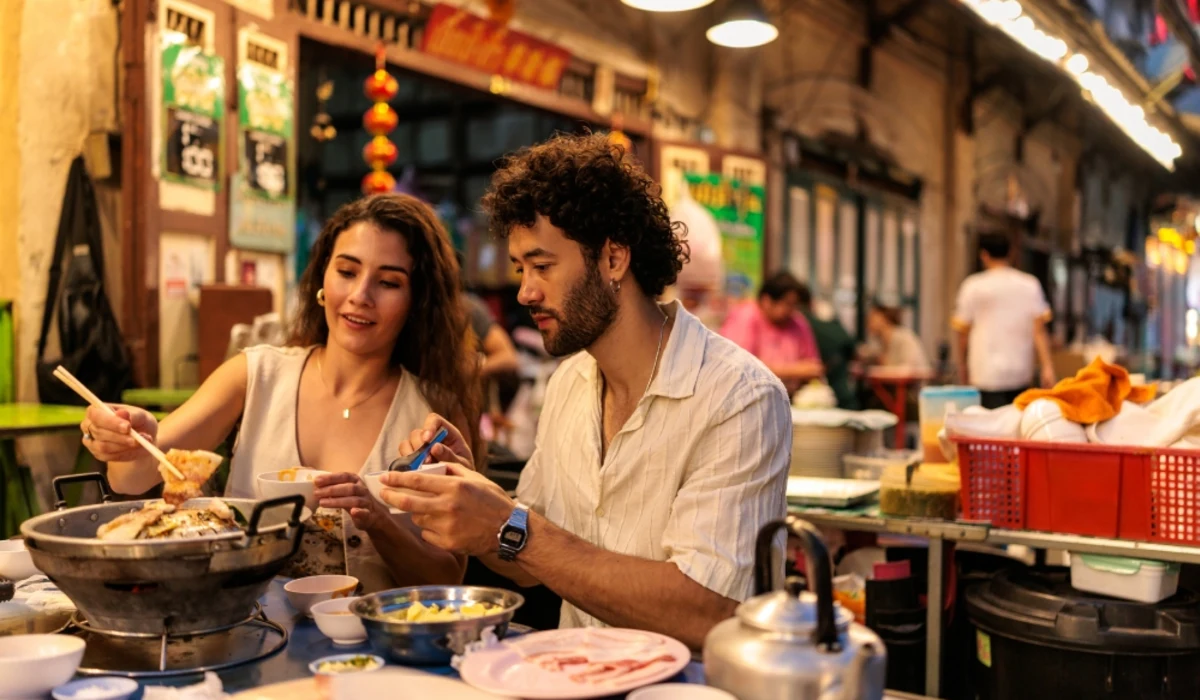
No English Signs or Menus: In non-English speaking countries, restaurants without English signage primarily serve locals. Yes, this requires language skills or translation apps, but it's your best indicator of authenticity in hidden gems travel.
1- Locals Eating There: Observe the clientele. If you're the only non-local present, you've found an authentic spot. If half the customers are tourists, you haven't.
2- Limited Menu Options: Restaurants with three main dishes that change daily serve what's fresh and available—local dining patterns. Tourist restaurants offer extensive menus with everything available always.
3- Plastic Stools and Fluorescent Lighting: The world's best local food often comes from holes-in-the-wall with terrible ambiance by Western standards. Instagram-perfect rustic charm usually targets tourists.
4- No Photos on Menus: Picture menus help tourists order; locals don't need visual aids.
5- Cash Only: Many authentic local spots don't accept cards because their regular customers pay cash.
Timing Matters
Eat When Locals Eat: In Spain, lunch at 2:30 PM and dinner at 10 PM. In Vietnam, breakfast at 6:30 AM. Arriving at local mealtimes rather than tourist schedules puts you among actual residents.
- Weekend Mornings: Neighborhood breakfast spots on Saturday and Sunday mornings serve local families, not tourists on organized tours.
- After Work Hours: The 6-8 PM window in most cities captures workers grabbing dinner before heading home—genuine local dining culture.
Global Food Hidden Gems Travel Examples
- Paris: Skip Champs-Élysées tourist traps. Head to 13th arrondissement (Chinatown) or 19th arrondissement for non touristy things to do including authentic neighborhood bistros and markets.
- Istanbul: Beyond Sultanahmet tourist restaurants, explore Kadıköy (Asian side) where Istanbul residents eat kebabs, drink tea, and shop in local markets.
- Seoul: Venture past Myeongdong tourist shopping area to neighborhoods like Mangwon-dong or Yeonnam-dong for authentic Korean dining among Seoul residents.
- Mumbai: Skip Colaba tourist restaurants. Discover Bandra, Matunga, or Mohammed Ali Road for authentic local travel experiences with Mumbai's diverse food culture.
Hidden Gems Travel Strategy 3: Use Local Apps and Platforms
Americans use Yelp; real locals worldwide use different platforms for discovering non touristy things to do.
Country-Specific Apps Locals Actually Use
Japan: Tabelog (not TripAdvisor) for restaurant recommendations locals trust China:
Dianping (Chinese Yelp equivalent) for authentic reviews South Korea: Naver Map and KakaoMap for local recommendations Russia: 2GIS and Yandex Maps for
finding local spots India: Zomato started as local app before becoming tourist-
focused Thailand: Wongnai for Thai restaurant reviews in Thai language Indonesia:
GoFood and GrabFood show where locals order Vietnam: Foody.vn for Vietnamese restaurant reviews
Instagram Strategy: Search hashtags in local languages (#ร้านอาหาร in Thai means "restaurant," #美食 in Chinese means "delicious food"). Follow local influencers, not tourist accounts.
Google Maps Trick: Reviews in local languages indicate local customers. If all reviews are in English, it's tourist-oriented.

Hidden Gems Travel Strategy 4: Learn Minimal Local Language
Nothing signals "tourist experience" faster than complete language dependency. Even basic local language skills open hidden gems travel opportunities.
Essential Phrases for Local Travel Experiences
- "Where do you recommend?" (in local language): Asking locals directly in their language yields better recommendations than English guidebooks.
- "Is this popular with tourists or locals?": This direct question often gets honest answers, especially when asked in local language.
- Market and Food Vocabulary: Learning ingredients, cooking methods, and food items in local language allows authentic market exploration and restaurant ordering.
- Transportation Terms: Knowing how to ask directions, read bus/train routes, and discuss locations enables independent exploration of non touristy neighborhoods.
Language Opens Doors
In Seoul, speaking basic Korean transformed my experience from tourist zones to genuine local cafes in Yeonnam-dong. In Mexico City, Spanish fluency revealed neighborhood taquerías invisible to English-only tourists. In Bangkok, speaking Thai brought invitations to family dinners and local festivals—local travel experiences impossible without language connection.
Even 50-100 words and basic grammar dramatically expands hidden gems travel possibilities. Locals appreciate effort and often become guides when visitors attempt their language.

Hidden Gems Travel Strategy 5: Timing and Rhythm
Tourists and locals operate on different schedules. Adjusting your rhythm reveals non touristy things to do.
Early Morning Exploration
- 6:00-8:00 AM: Markets open for local shoppers, breakfast spots serve neighborhood regulars, parks fill with morning exercisers. Tourists still sleep.
- Local Morning Rituals: In Hanoi, locals drink coffee at street-side cafés at 6:30 AM. In Mumbai, morning chai stalls buzz with commuters. In Paris, bakeries serve neighborhood residents fresh croissants at 7 AM.
Weekday vs. Weekend Patterns
- Weekdays: Business lunch spots serve local workers. Evening neighborhoods show authentic commuter culture. Tourist attractions are quieter while local life thrives elsewhere.
- Weekends: Families visit parks, markets, and neighborhood restaurants. Suburban areas come alive while tourist zones remain busy but unchanged.
- Local Holidays: Authentic celebrations happen during national holidays when residents have time off and tourists haven't scheduled trips around these dates.
Hidden Gems Travel Strategy 6: Public Spaces and Community Centers
Commercialized local travel experiences happen in restaurants and shops. Real local life unfolds in public spaces.
Where Locals Actually Gather
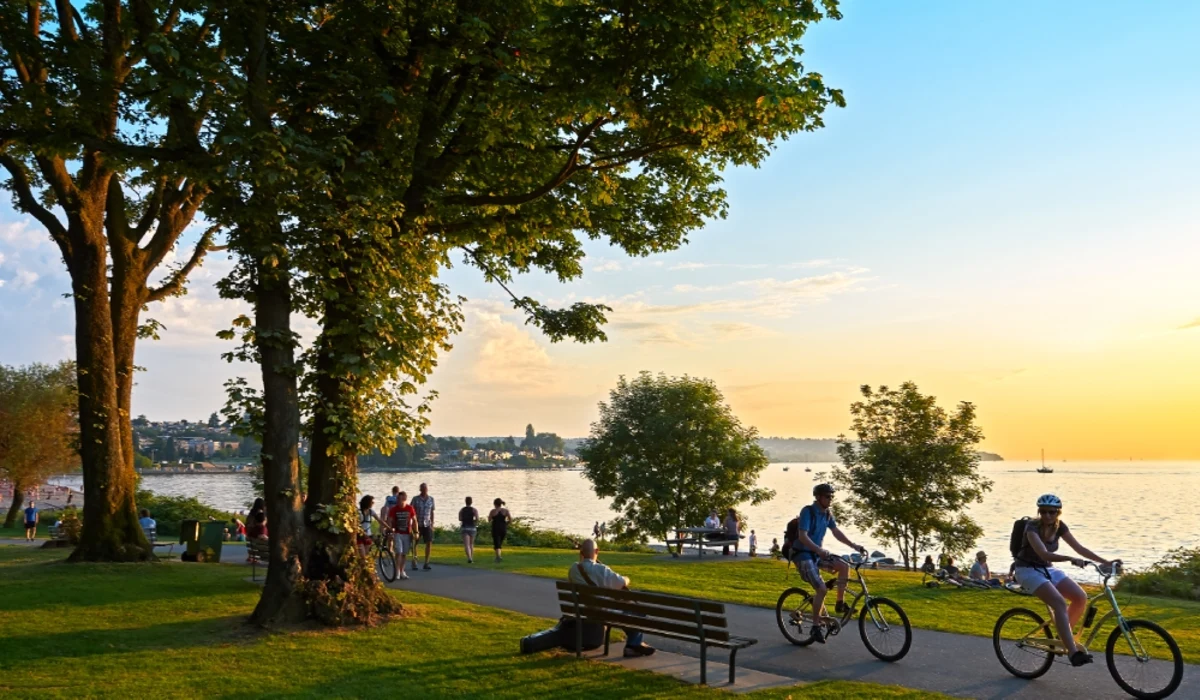
- Public Parks: Not tourist-landmark parks, but neighborhood parks where residents exercise, play with children, and socialize. In Seoul, neighborhood parks around 6 PM fill with locals playing badminton, exercising, and hanging out.
- Community Centers and Libraries: Free public spaces where residents gather for classes, meetings, and events. Check community bulletin boards for non touristy things to do.
- Sports Facilities: Public basketball courts, soccer fields, swimming pools, and ping-pong tables attract local players, not tourists.
- Markets (Non-Tourist): Wet markets, farmers markets, and neighborhood markets serving actual residents, not craft/souvenir markets designed for tourists.
- Religious Spaces During Non-Service Times: Temples, churches, mosques, and shrines during quiet hours when locals come for personal prayer, not organized tour groups.
- University Campuses: Student cafeterias, libraries, and campus areas reveal local youth culture, affordable food, and authentic social spaces.
Global Public Space Examples
- Singapore: HDB void decks (ground floors of public housing) where residents gather, eat, and socialize—invisible to tourists.
- Copenhagen: Public libraries and community centers offering free activities, classes, and social spaces.
- Buenos Aires: Neighborhood plazas where porteños drink mate, play chess, and socialize on weekend afternoons.
- Cairo: Local coffee shops (ahwas) in residential neighborhoods where Egyptian men smoke shisha and play backgammon—vastly different from tourist-oriented cafés.
The Ethics of Hidden Gems Travel
Seeking authentic local travel experiences requires respecting that you're entering spaces not designed for tourism.
Respectful Exploration Guidelines
Don't Instagram Everything: Residential neighborhoods, local markets, and community spaces aren't theme parks. Excessive photography can feel invasive.
Support Local Economies: If you eat at local restaurants, shop at neighborhood stores, pay fair prices. Hidden gems travel shouldn't mean cheap tourism.
Respect Privacy and Space: You're a guest in someone's neighborhood. Don't treat it as a spectacle or photo opportunity.
Learn and Adapt: Follow local customs, dress codes, and behavioral norms. What's acceptable in tourist zones may not be appropriate in residential areas.
Don't "Discover" Places to Death: Sharing genuine local spots on social media can destroy them through overtourism. Consider keeping some discoveries private.
Acknowledge Your Impact: Your presence changes the dynamic of any space. Be mindful that what starts as hidden gems travel can become commercial tourism if too many people follow.
Real hidden gems travel isn't found on maps or booking platforms. It's discovered in neighborhood markets at dawn, residential parks at sunset, and local restaurants where you're the only foreigner. Stop consuming curated "authentic" tours—participate in daily life instead. The discomfort is the point. The connection is worth it.
FAQs
1: How do I find hidden gems travel destinations that aren't overrun by tourists?
Look for neighborhoods with schools, laundromats, and grocery stores—not hotels. Use public transit to endpoint stations, check local apps (Tabelog in Japan, Dianping in China) instead of TripAdvisor, and visit residential markets at 6-8 AM when locals shop.
2: What are the best non touristy things to do in a new city?
Eat at restaurants with no English signage, shop at wet markets, visit neighborhood parks during local mealtimes, attend community events, and take public transit to residential areas. Join pickup sports, morning tai chi, or evening neighborhood walks—participate in daily life, not curated attractions.
3: How can I tell if a "local travel experience" tour is actually authentic?
If it's marketed as "authentic," it's for tourists. Red flags: operates in tourist districts, English primary language, on booking platforms, Instagram-perfect setups. Real experiences come from independent discovery using local apps and resident recommendations—not booking sites.
4: What local apps should I use instead of tourist platforms to find authentic experiences?
Use apps locals use: Tabelog (Japan), Dianping (China), Naver/Kakao (Korea), Wongnai (Thailand), Foody.vn (Vietnam), Zomato (India), 2GIS (Russia). Search Instagram in local languages. Check Google Maps—all English reviews mean tourist-oriented.
5: How do I meet real locals in Barcelona, Tokyo, or Mexico City without tourist tours?
Barcelona: Explore Gràcia/Poblenou, vermuterías, Collserola hikes. Tokyo: Nakameguro/Kichijoji neighborhoods, izakaya counters, Meetup Japan. Mexico City: Condesa/Roma cafés, UNAM events, Coyoacán taquerías. Learn basic phrases, use local apps, join community activities.
6: What's the difference between hidden gems travel and regular tourism?
Regular tourism: guidebooks, English-menu restaurants, "local experience" tours. Hidden gems travel: local apps, no-English eateries, residential neighborhoods via public transit. You're succeeding when you're the only non-local and nobody's selling you anything.
Join the discussion