




Why Hidden Gems Are the Future of Travel
Look, I love the Pyramids and Petra as much as the next person. They're iconic for a reason. But here's a secret: some of the most incredible experiences in Egypt, Jordan, Turkey, Morocco, and Greece are hiding in places most tourists never visit.
While everyone's fighting for elbow room at the same famous spots, there's a whole world of hidden gems just waiting to be discovered, places so beautiful, so authentic, and so uncrowded that you'll feel like you've stumbled upon a secret that the rest of the world hasn't figured out yet.
Ready to go beyond the bucket list? Let me introduce you to the Middle East and Mediterranean's best-kept secrets. Trust me, your future self will thank you for reading this.
Why Hidden Gems Are the Future of Travel
Before we dive into these incredible destinations, let's talk about why exploring hidden gems matters more than ever in 2026.
The reality of overtourism:
-
Major sites are packed with tour groups from dawn to dusk
-
You spend more time in lines than actually experiencing places
-
Authenticity gets buried under tourist infrastructure
-
Local cultures get commodified and diluted
-
You come home with the same photos as everyone else
The hidden gems advantage:
-
Genuine local experiences without the performance
-
Better value for money (lower prices, more bang for your buck)
-
Sustainable tourism that actually benefits local communities
-
Unique stories and experiences you can't Google
-
That incredible feeling of discovery
So yeah, you should still see the Pyramids and walk through Petra. But make time for these hidden treasures too. That's where the magic really happens.
Egypt's Hidden Gems: Beyond the Pyramids
1. Siwa Oasis: The Desert Paradise Near Libya
Picture this: a remote oasis surrounded by endless golden dunes, crystal-clear salt lakes that look like mirrors to the sky, mud-brick villages where time moves differently, and ruins dating back to when Alexander the Great sought prophecy from the Oracle.
Why Siwa is extraordinary:
Location: Near Egypt's western border with Libya, about 560 km from Cairo. Yes, it's remote,that's the point.
What makes it special:
-
Cleopatra's Bath (also called Spring of Juba): A natural stone pool fed by freshwater springs where, according to legend, Cleopatra herself once bathed. The water is crystal clear and perfect year-round. Swimming here at sunset is genuinely magical.
-
Oracle Temple of Amun: This is where Alexander the Great came in 331 BC to be declared the son of Zeus-Amun. The partially ruined temple sits on a hill overlooking the oasis, and walking the same paths as Alexander is spine-tingling.
-
Salt Lakes: These vast, shallow lakes have such high salt content you float effortlessly like in the Dead Sea. The water shimmers in shades of turquoise and emerald, surrounded by white salt formations. It's otherworldly.
-
Berber Culture: Siwa has its own distinct culture and language (Siwi, a Berber dialect). The people are incredibly welcoming, and you'll experience a side of Egypt that feels worlds away from Cairo or Luxor.
-
Mountain of the Dead: Ancient tombs carved into a hillside, painted with scenes of daily life and the afterlife. You can explore them with minimal crowds—sometimes you'll be completely alone.
Practical info:
-
Best time: October-April (summer is brutally hot)
-
How to get there: Bus from Cairo (10-12 hours) or Alexandria (8 hours), or private tour
-
Stay: Eco-lodges and traditional guesthouses (try Taziry Ecolodge or Adrère Amellal for luxury)
-
Don't miss: Fatnas Island at sunset, hot springs, Shali Fortress ruins
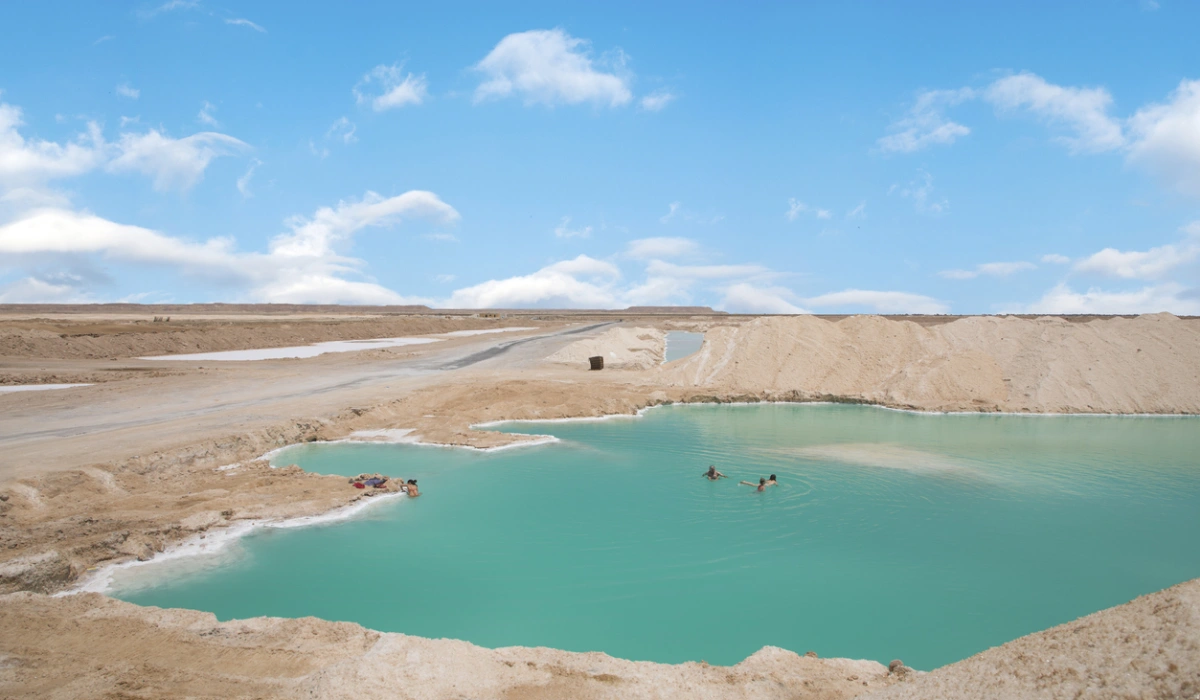
Only 90 minutes from Cairo but feels like a different planet. Fayoum is Egypt's best-kept day trip secret.
What makes it special:
-
Wadi El-Rayan Waterfalls: Egypt's only waterfalls! Yes, in the desert. Two man-made lakes connected by spectacular waterfalls. People actually swim here, and the scenery is stunning.
-
Valley of the Whales (Wadi Al-Hitan): A UNESCO World Heritage site where you can see fossilized whale skeletons from when this desert was underwater 40 million years ago. It's surreal and educational.
-
Magic Lake (Lake Qarun): The name isn't hype—this massive saltwater lake changes colors throughout the day from deep blue to turquoise to silvery pink at sunset.
-
Tunis Village: An artisan community known for pottery and crafts. You can take workshops, buy authentic handmade goods, and eat amazing traditional food.
-
Wadi El-Hitan Protected Area: Desert landscapes that look like Mars, perfect for photography and adventure.
Practical info:
-
Best as a day trip from Cairo or overnight
-
Rent a car or book a tour (public transport is challenging)
-
Entry fees are minimal
-
Bring snacks and water,restaurants are limited
Why it's better than you'd expect: It combines archaeology, natural beauty, and adventure all in one accessible package. Plus, you'll barely see any tourists.
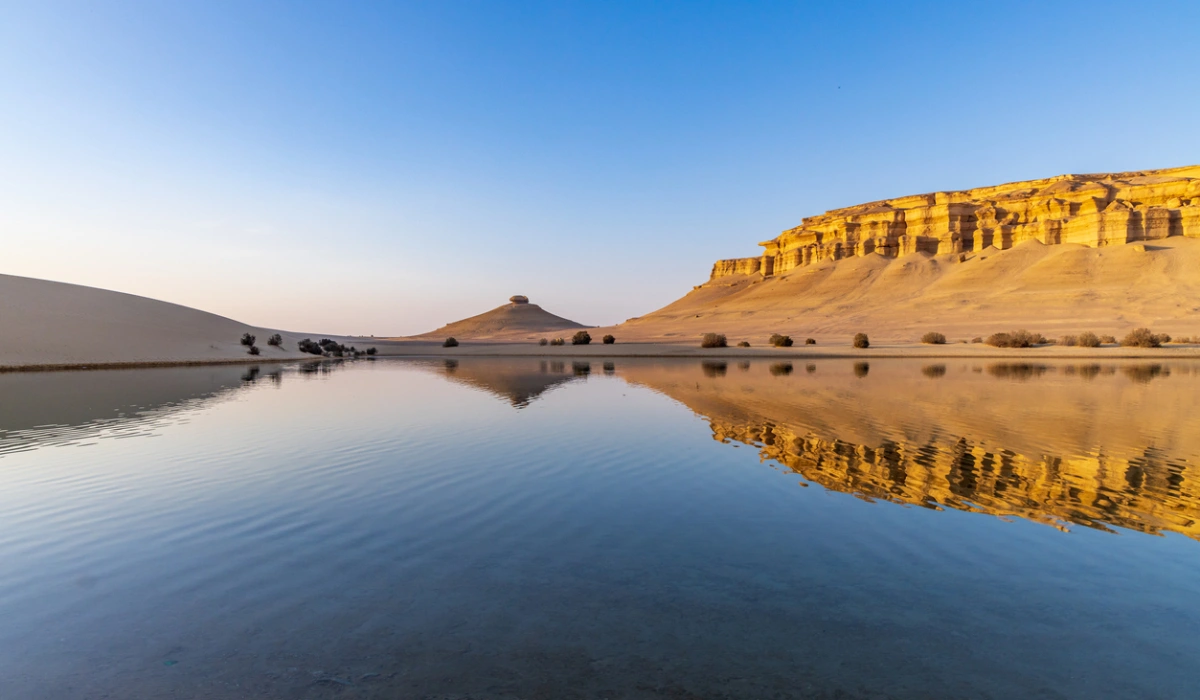
If Sharm El-Sheikh is the loud, flashy resort town, Dahab is its cool, laid-back older sibling who practices yoga and doesn't care about your Instagram.
Why Dahab is special:
The vibe: This former Bedouin fishing village turned bohemian beach town has a completely different energy than other Red Sea resorts. Think reggae bars, barefoot cafés, dive shops run by locals who actually care, and an international community of long-term travelers.
World-class diving:
-
The Blue Hole: One of the world's most famous dive sites—a 100-meter-deep underwater sinkhole. It's challenging and should only be attempted by experienced divers, but snorkeling around the edges is safe and spectacular.
-
Canyon: An underwater canyon with light rays streaming through—absolutely magical
-
Eel Garden: Exactly what it sounds like
-
Abu Helal: Pristine coral reefs teeming with life
Beyond diving:
-
Windsurfing and kitesurfing: Consistent winds make Dahab a world-class spot
-
Yoga retreats: Multiple yoga studios and regular retreats
-
Bedouin experiences: Desert safaris, camel treks, stargazing
-
Hiking: Mount Sinai is nearby for sunrise hikes
Practical info:
-
Fly to Sharm El-Sheikh, then 1.5-hour drive to Dahab
-
Accommodation ranges from budget hostels to boutique hotels
-
Cash is king (many places don't take cards)
-
Stay in Assalah area for the authentic vibe
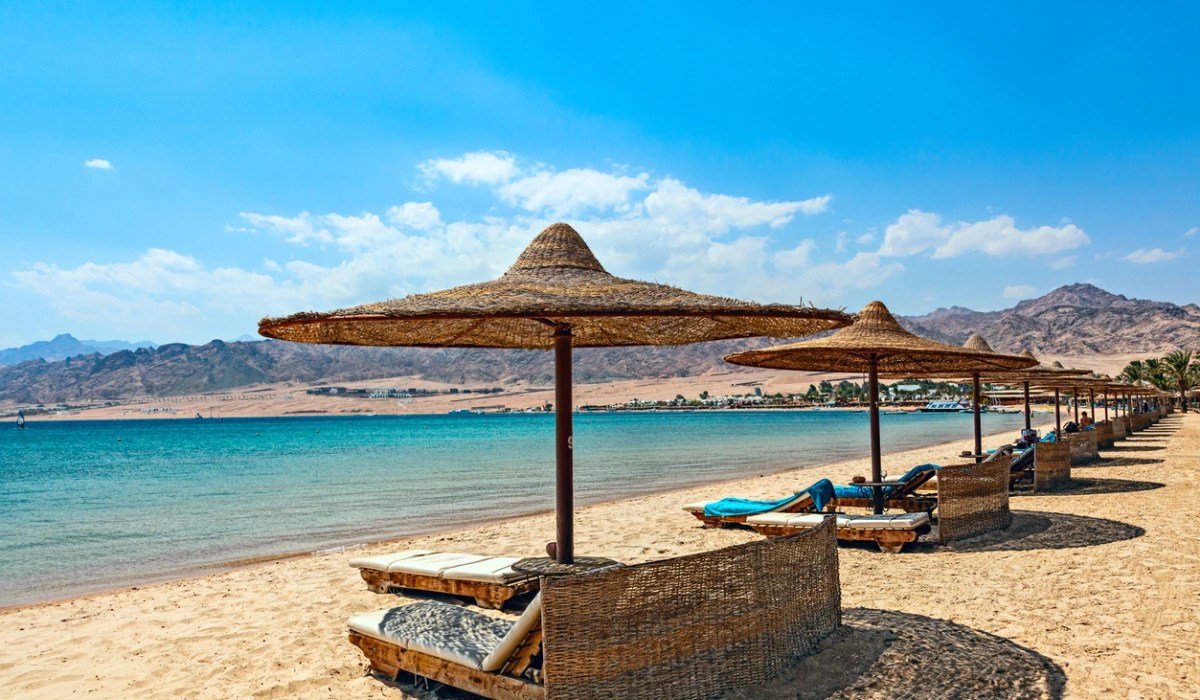
Jordan's Hidden Gems: Beyond Petra
1. Dana Biosphere Reserve: Jordan's Wild Side
While everyone flocks to Petra (which, yes, is amazing), Jordan's largest nature reserve remains blissfully quiet.
Why Dana is extraordinary:
The landscape: Four different climate zones ranging from Mediterranean in the highlands to arid desert in the lowlands, all in one reserve. You'll see dramatic canyons, sandstone cliffs, wadis, and diverse wildlife.
What to do:
-
Hiking: Trails range from easy walks to challenging multi-day treks through stunning canyons
-
Wildlife watching: Ibex, caracals, sand cats, eagles, and over 200 bird species
-
Rummana Mountain Trail: A relatively easy trail with spectacular views
-
Dana to Feynan Trek: Full-day hike descending from 1,500m to Feynan Ecolodge
-
Village exploration: Dana village itself is a beautiful Ottoman-era stone village
Practical info:
-
3-4 hours from Amman, 2 hours from Petra
-
Best time: March-May, September-November
-
Book accommodation in advance (limited options)
-
Hire local guides to support the community
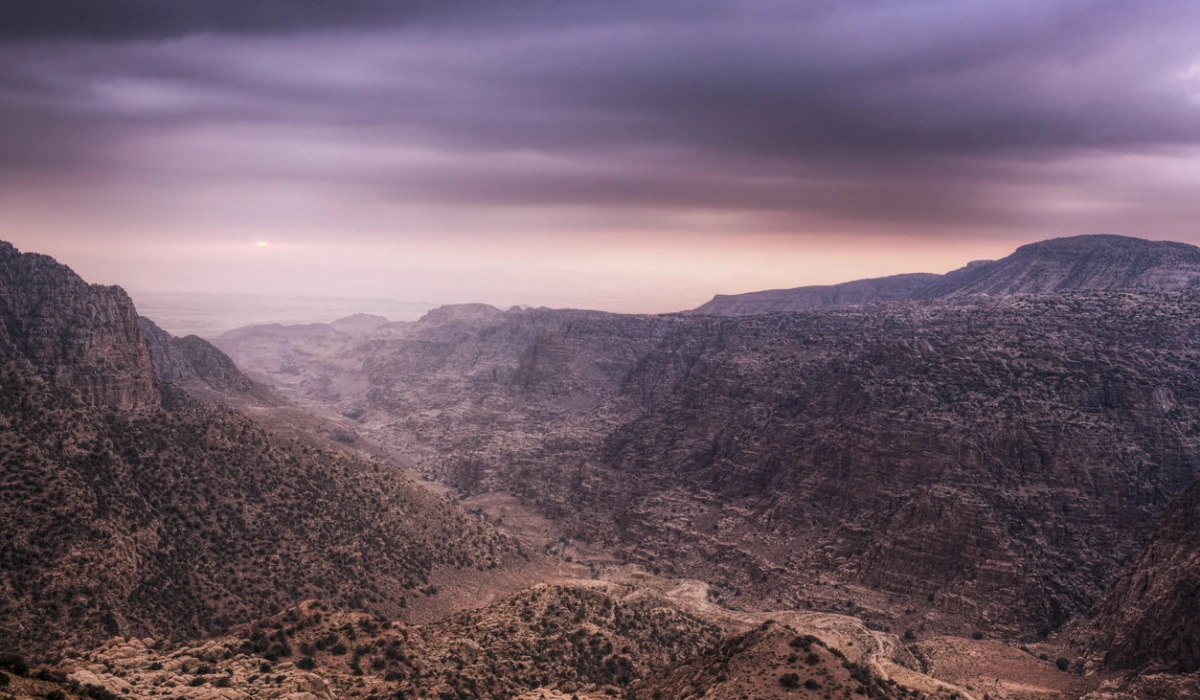
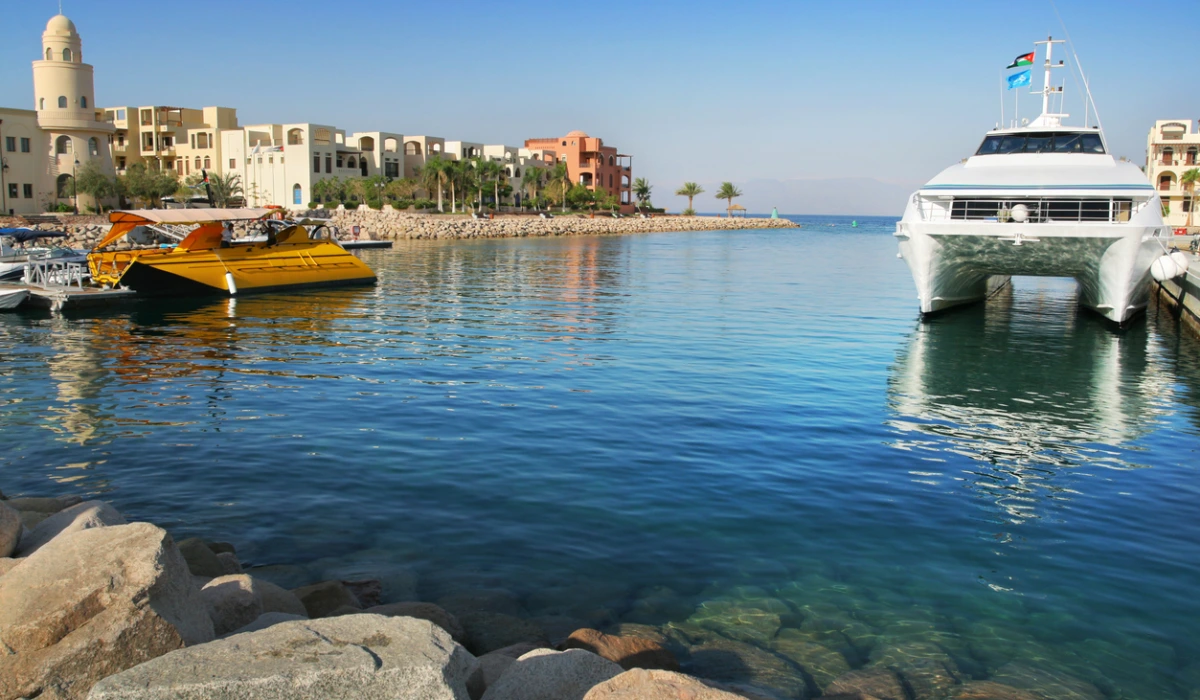
Jordan's only coastal city is criminally underrated. Everyone treats it as a quick stop between Petra and the border, but it deserves way more attention.
Why Aqaba rocks:
The diving: World-class Red Sea diving at a fraction of Sharm El-Sheikh prices. The coral reefs are pristine, visibility is excellent, and you might spot turtles, rays, and reef sharks.
Famous sites:
-
Cedar Pride wreck: Deliberately sunk ship, now a thriving reef
-
Japanese Garden: Coral formations resembling a garden
-
Seven Sisters: A series of coral pinnacles
The combination factor: From Aqaba, you can easily combine:
-
Wadi Rum (45 minutes) for desert camping
-
Petra (2 hours) for ancient wonders
-
The Dead Sea (2.5 hours) for floating
-
Israel/Egypt borders for multi-country trips
Practical info:
-
Great year-round destination (winter is perfect)
-
Range of accommodation from budget to luxury
-
Good restaurants along the waterfront
-
Safe and easy to navigate
Turkey's Hidden Gems: Beyond Istanbul
Kaş and Butterfly Valley: The Real Mediterranean
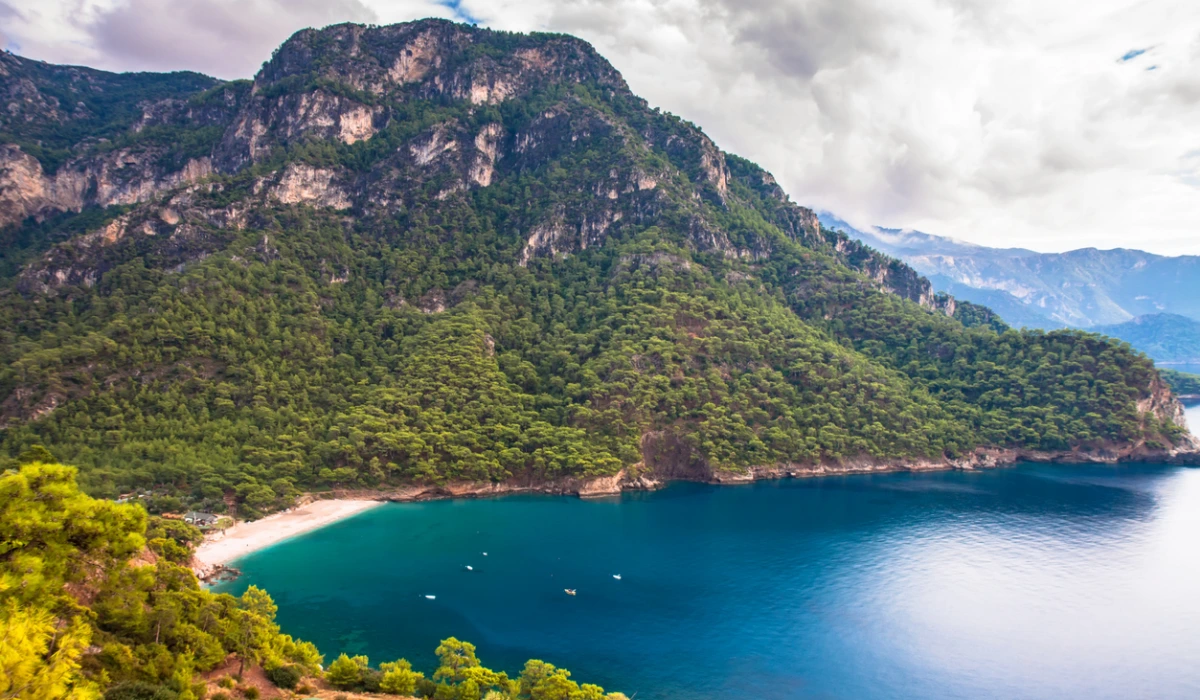
Turkey's southwest coast is famous, but most tourists stick to Antalya and Fethiye. Those who venture to Kaş discover something special.
Why Kaş is magical:
The town: A charming, whitewashed town built on hills overlooking a perfect blue bay. It's small enough to feel intimate but large enough to have great restaurants, bars, and services. The vibe is relaxed, welcoming, and authentically Turkish.
Activities:
-
Sea kayaking: Paddle to Kekova's sunken city ruins—ancient Lycian settlements now underwater
-
Lycian Way hiking: Ancient coastal trail with spectacular views
-
Diving: Clear waters with interesting underwater topography
-
Beach hopping: Kaputaş Beach is one of Turkey's most beautiful
-
Ancient ruins: Lycian tombs, amphitheaters, and settlements dot the area
Butterfly Valley: A hidden beach only accessible by boat (or very challenging hike), tucked into a steep canyon. Named for the countless butterflies that breed here in summer. It's paradise on Earth.
What to do in Butterfly Valley:
-
Camp on the beach (basic facilities available)
-
Hike to the waterfall (challenging but worth it)
-
Simply exist in this secluded paradise
-
Snorkel in crystal-clear water
Practical info:
-
Fly to Dalaman airport, then 2-hour drive to Kaş
-
Best time: May-June or September-October (July-August is crowded)
-
Boat tours to Butterfly Valley from nearby towns
-
Kaş has excellent boutique hotels and pensions
Dubai’s Hidden Gem: Al Fahidi Historical Neighborhood
1. Step Back in Time in Old Dubai
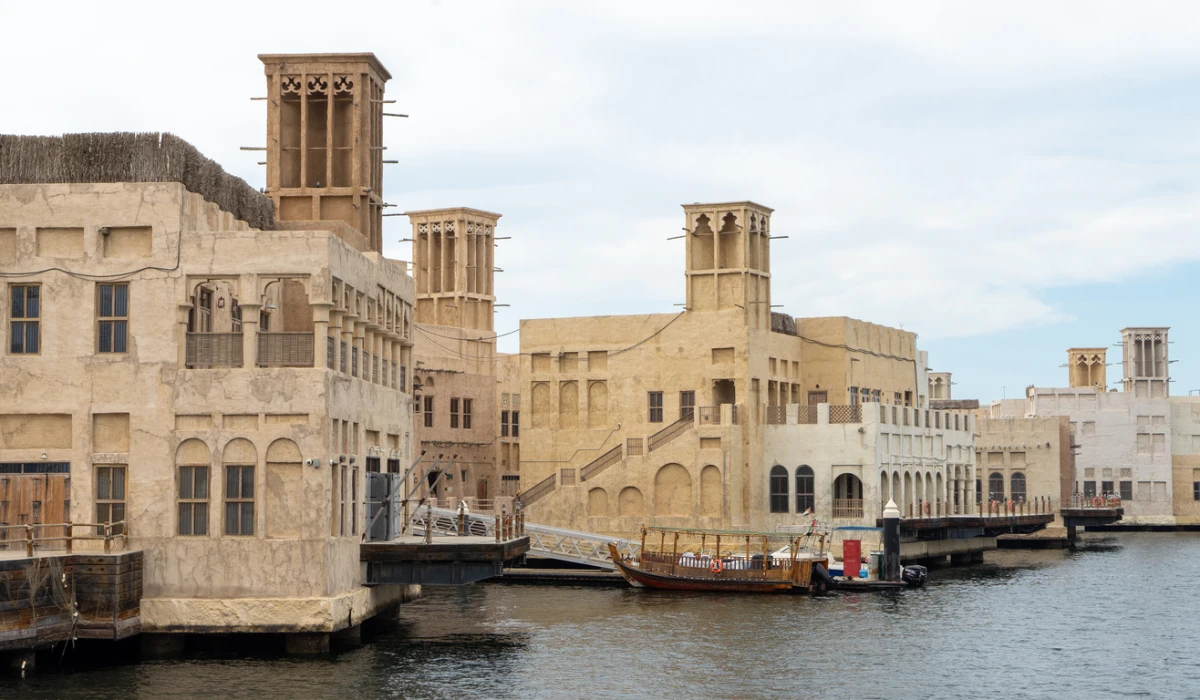
While most visitors head straight to skyscrapers and mega-malls, Al Fahidi Historical Neighborhood offers a completely different side of Dubai — quiet lanes, wind towers, and authentic heritage charm.
Why Al Fahidi is special:
- The architecture: Traditional wind-tower houses (barjeel) built from coral stone and gypsum showcase how Emiratis lived before air conditioning. The narrow alleys create natural shade and a peaceful atmosphere.
- The cultural vibe: Art galleries, museums, and cultural centers are tucked inside restored homes, blending history with creativity. It feels worlds away from Downtown Dubai.
What to do:
-
Get lost in the alleyways: Wander through sand-colored lanes and discover hidden courtyards.
-
Dubai Museum (Al Fahidi Fort): Learn about Dubai before oil and skyscrapers.
Coffee Museum: Discover Arabic coffee traditions from around the world. -
Sheikh Mohammed Centre for Cultural Understanding: Enjoy a traditional Emirati meal and ask cultural questions openly.
-
Abra ride across Dubai Creek: Cross the water for just a few dirhams and explore the Gold & Spice Souks.
-
Art galleries & concept cafés: Perfect for a relaxed afternoon.
Practical info:
-
Located in Bur Dubai, near Dubai Creek
-
Easily accessible by metro (Al Fahidi Station)
-
Budget 3–4 hours minimum
-
Best visited in winter or late afternoon in summer
-
Entry to the neighborhood is free
If you want to see the desert beyond tourist safari camps, Al Marmoom offers wide open landscapes, wildlife, and tranquility just outside the city.
Why Al Marmoom is magical:
- The dunes & nature: Vast golden dunes, native plants, and wildlife like Arabian oryx and gazelles. It’s quieter and more natural than standard safari zones.
- The silence: No skyscrapers, no traffic, just wind, sand, and endless horizons.
The Experience:
-
Sunrise desert drive: Soft golden light over untouched dunes.
-
Cycling track: Al Qudra cycling path runs through the desert.
-
Al Qudra Lakes: Spot flamingos and migratory birds.
-
Stargazing: Minimal light pollution makes it perfect for night sky lovers.
-
Luxury desert camps: Eco-friendly stays with traditional Bedouin-style experiences.
Practical info:
-
45–60 minutes from Downtown Dubai
-
2–3 days ideal if staying overnight
-
Best time: November–March
-
Bring sunscreen & layers (desert nights get cool)
-
4x4 recommended for deeper exploration
Morocco's Hidden Gem: Chefchaouen
1. The Blue Pearl of Morocco
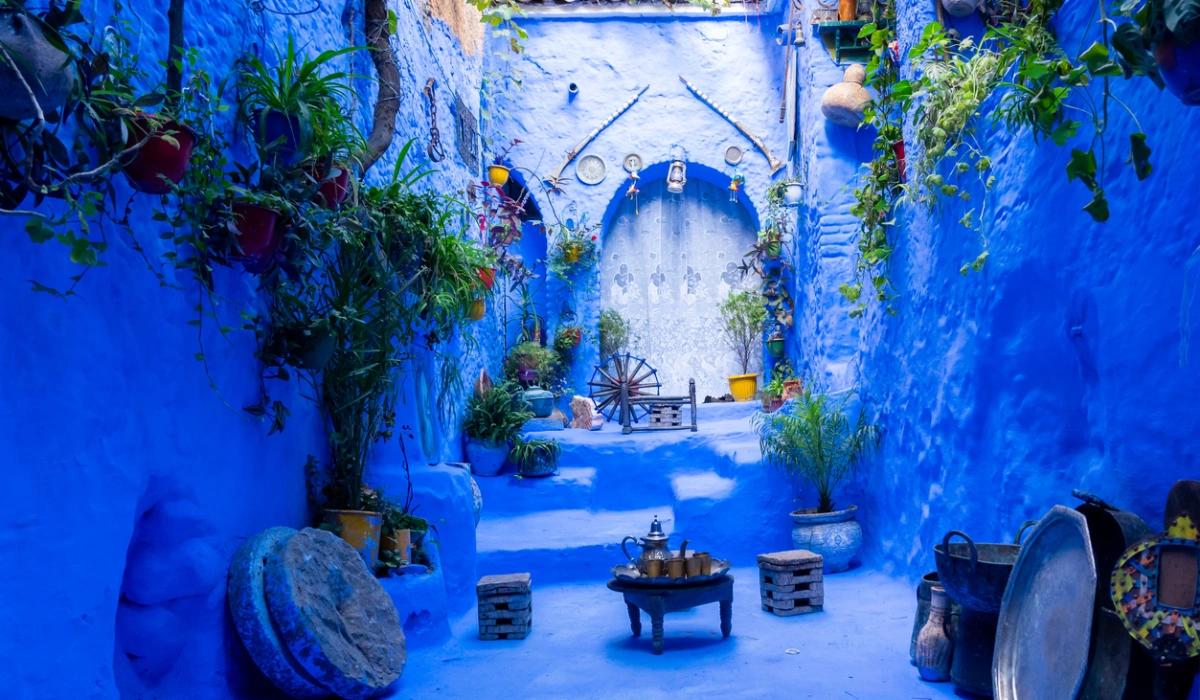
You've probably seen photos, the entire city painted in shades of blue, from powder blue to deep indigo. What photos can't capture is the vibe, the artisan culture, and the mountain setting.
Why Chefchaouen is special:
The blue: Yes, it's really that blue. The medina (old town) is a maze of blue-washed buildings, creating a dreamy, otherworldly atmosphere. Why blue? Theories include Jewish refugees who brought the tradition, keeping mosquitoes away, or simply keeping houses cool.
What to do:
-
Get lost in the medina: Seriously, just wander. Every corner is photogenic, and getting lost is part of the charm
-
Plaza Uta el-Hammam: Central square, perfect for people-watching over mint tea
-
Artisan workshops: Watch weavers, leather workers, and craftspeople at work
-
Ras el-Ma: A small waterfall where locals do laundry, with cafés overlooking it
-
Spanish Mosque hike: 30-minute uphill walk for panoramic city views, especially stunning at sunset
-
Shop for handicrafts: Wool garments, woven blankets, leather goods—all handmade locally
Practical info:
-
3-4 hours from Fes, 4 hours from Tangier
-
Budget 2-3 days minimum
-
Riads (traditional guesthouses) are the way to stay
-
Bring cash (many places don't accept cards)
Gateway to the Sahara, want to experience the real Sahara without traveling deep into Africa? Merzouga is your answer.
Why Merzouga is magical:
The dunes: Erg Chebbi dunes reach up to 150 meters high—massive waves of golden sand that change color throughout the day from gold to orange to deep red.
The experience:
-
Camel treks: Ride into the desert at sunset, spend the night in a luxury camp
-
Sandboarding: Surf down massive dunes
-
4x4 adventures: Explore different parts of the desert
-
Meet nomads: Genuine encounters with desert-dwelling families
-
Star-filled skies: Zero light pollution = the most stars you've ever seen
-
Sunrise over dunes: Worth waking up at 5 AM, trust me
Practical info:
-
8-9 hours from Marrakech or Fes (long drive but worth it)
-
2-3 days recommended
-
Best time: October-April (summer is too hot)
-
Book camps in advance, especially peak season
-
Bring layers (desert nights are cold)

Greece's Hidden Gems: Beyond the Islands
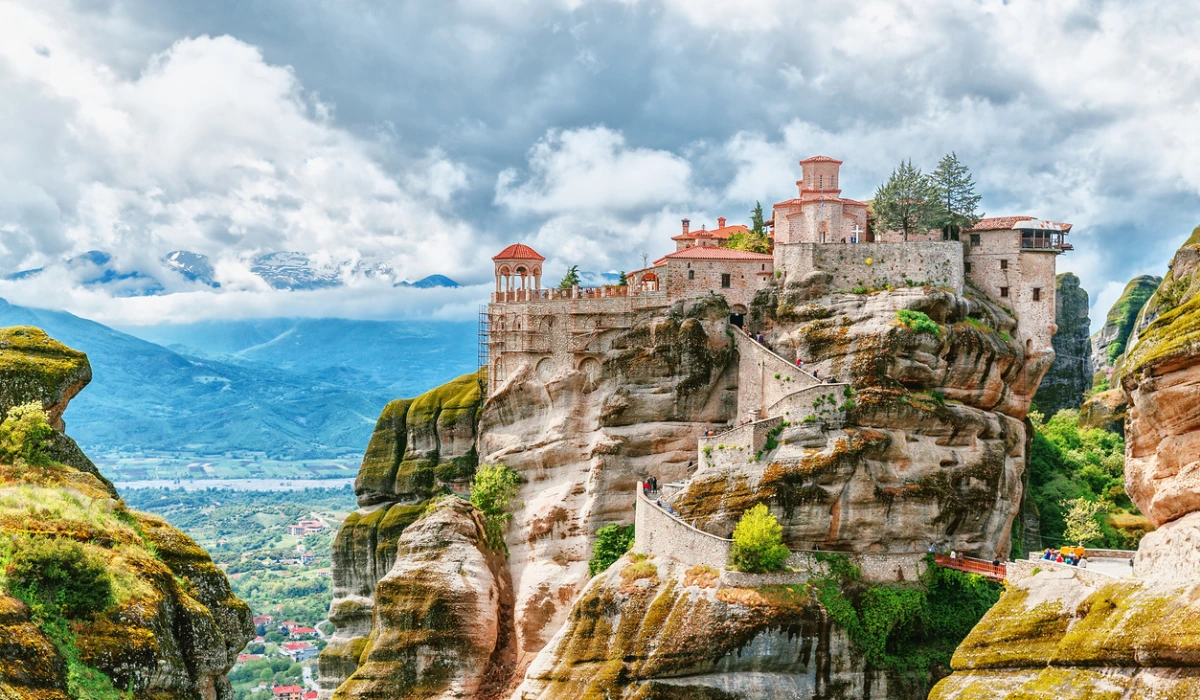
1. Meteora: Monasteries in the Sky
This might be Greece's most spectacular sight that doesn't involve islands or beaches.
Why Meteora is jaw-dropping:
- The setting: Massive rock pillars (some over 400m tall) rising from the plains, with medieval monasteries perched impossibly on top. It looks like something from a fantasy movie—but it's real and you can visit.
- The monasteries: Six monasteries are still active (down from 24 historically), dating back to the 14th-16th centuries. Monks originally accessed them via removable ladders and nets hauled by rope. Now there are stairs (thankfully).
Which to visit:
-
Great Meteoron: The largest and most impressive
-
Varlaam: Second-largest, beautiful frescoes
-
Holy Trinity: Most dramatic setting, featured in James Bond film
-
Roussanou: Accessible and beautiful gardens
Beyond monasteries:
-
Rock climbing: Meteora is a world-class climbing destination
-
Hiking: Trails between monasteries offer incredible views
-
Sunrise/sunset photography: The lighting is unreal
-
Kalambaka town: The base, with good restaurants and hotels
Practical info:
-
4-5 hours from Athens, or take a scenic train
-
Stay in Kalambaka or Kastraki villages
-
Each monastery charges small entry fee
-
Modest dress required (covered shoulders/knees; skirts provided for women)
-
Best time: April-June, September-October
Ask most people about Greece and they'll talk about islands. Ask Greeks where to escape, and many will say Zagori.
Why Zagori is special:
- The villages: 46 traditional stone villages scattered across mountain valleys and gorges. Many date back to the 14th-16th centuries, with distinctive grey stone architecture and slate roofs.
- Vikos Gorge: One of the world's deepest gorges (in proportion to width). The hiking here is world-class, with trails ranging from easy to challenging.
What to do:
-
Village hopping: Each village has its own character
-
Hike Vikos Gorge: The classic route takes 6-8 hours
-
Cross arched stone bridges: Dozens of beautiful Ottoman-era bridges
-
Visit monasteries: Clinging to cliffsides
-
Simply relax: Slow down and enjoy mountain village life
-
Try local food: Pies, grilled meats, local cheeses, mountain greens
Practical info:
-
5-6 hours from Athens, 1 hour from Ioannina
-
Best time: May-June for wildflowers, September-October for hiking
-
Rent a car (essential for exploring)
-
Book guesthouses in advance (limited options)

FAQs
How to choose which hidden gems to visit:
Limited time (1 week): Pick one country and go deep. Example: Egypt with Siwa + Fayoum, or Jordan with Dana + Aqaba + Wadi Rum.
Medium time (2 weeks): Combine famous spots with hidden gems. Example: Egypt's highlights (Cairo, Luxor) + Siwa + Dahab. Or Jordan's classic route (Petra, Wadi Rum, Dead Sea) + Dana + extended Aqaba time.
Extended trip (3+ weeks): Multi-country adventure! Combine Egypt's hidden gems with Jordan's, add a dash of Turkey or Morocco. The world is your oyster.
Based on interests:
-
Nature lovers: Dana, Zagori, Butterfly Valley, Fayoum
-
Beach/diving: Dahab, Aqaba, Kaş
-
Culture/history: Siwa, Chefchaouen, Meteora
-
Adventure: Merzouga, Dana, Vikos Gorge
-
Photography: Chefchaouen, Meteora, Siwa, Merzouga
The world’s most famous destinations earn their reputation, and yes, you should see them. But the real magic often lies beyond the crowds. Instead of waiting in line at the Pyramids, imagine floating in Siwa’s salt lakes, watching the sunset from a monastery in Meteora, diving the Blue Hole in Dahab, or sipping tea in a blue-painted alley in Chefchaouen. These places aren’t just alternatives; they’re unforgettable experiences filled with authenticity and genuine connection.
Iconic landmarks will always be there, busy and buzzing. Hidden gems, however, offer something rare: the thrill of discovery. They’re where stories begin with “You’ve probably never heard of this place…” If you’re ready for quieter moments, deeper cultural encounters, and adventures off the beaten path, now is the perfect time to explore them.
FAQS
Q1: Are hidden gems in the Middle East safe for tourists?
Yes, they’re generally safe and often feel more secure than big cities. Follow normal safety precautions, respect local customs, and check travel advisories.
Q2: How do I get to these hidden gem destinations?
Access varies, some are easy day trips, others require longer travel. Options include buses, private transfers, rental cars, or guided tours.
Q3: Can I visit hidden gems independently or do I need a tour?
Both work. Well-developed spots are easy solo; remote areas are easier with a tour for logistics and local insight.
Q4: What's the best time to visit these hidden gems?
Spring and fall are ideal for most. Desert areas are best October–April. Coastal destinations often work year-round.
Q5: Are hidden gems more expensive than popular tourist destinations?
Usually yes. Accommodation, food, and activities are often more affordable than major tourist hubs.
Q6: How long should I spend at each hidden gem?
Plan 2–3 days minimum per destination (some deserve longer), with shorter stays possible for nearby spots.
Q7: What should I pack for hidden gem destinations?
Comfortable shoes, modest clothing, layers, sun protection, reusable water bottle, and cash. Add activity-specific gear if needed.
Q8: Can I combine multiple hidden gems in one trip?
Absolutely. Combine nearby destinations within the same country or region for a richer itinerary.
Q9: Are these destinations suitable for families with children?
Most are! Fayoum, Chefchaouen, Meteora, and Aqaba are particularly family-friendly with easy activities and good infrastructure. Dahab works well for older kids who enjoy water sports. Siwa and Merzouga are amazing for children (desert adventures!). Dana and Zagori involve more hiking, better for active families with older children. Always research specific accommodations for family suitability.
Join the discussion