




Forget planning your trip around monuments and museums. Let's talk about the REAL reason to travel: the food.
I'm talking about road trips designed entirely around where you're going to eat. Where the GPS coordinates aren't for famous landmarks, they're for the best street vendor in Cairo, the legendary baklava shop in Gaziantep, the hidden tagine spot locals don't tell tourists about, and the seafood taverna on a Greek island that doesn't even have a sign.
Welcome to the ultimate food lover's road trip through Egypt, Turkey, Morocco, Greece, and Dubai, five destinations where the cuisine isn't just delicious, it's literally life-changing. These are places where food is culture, where every meal tells a story, and where you'll need to buy bigger pants halfway through your trip.
Why Food Road Trips Are the Best Road Trips
Before we dive into the deliciousness, let me tell you why planning a trip around food is actually brilliant:
1. You experience authentic culture: Food is the most honest expression of a culture. Sit at a family-run restaurant in Morocco or a street stall in Cairo, and you're experiencing something real and unfiltered.
2. You meet amazing people: Food brings people together. Vendors, chefs, fellow diners,you'll have conversations and make connections you'd never have at a monument.
3. You go where tourists don't: The best food is rarely near the main attractions. Following your stomach leads you to real neighborhoods and authentic experiences.
4. It's immersive: You're not just looking at a culture; you're literally consuming it. That's about as immersive as travel gets.
5. Every meal is an adventure: When food is the focus, even "just lunch" becomes an exciting discovery mission.
Egypt: The Comfort Food
Egyptian food doesn't get the hype it deserves. While everyone raves about Lebanese or Turkish cuisine, Egypt quietly serves some of the most satisfying, soul-warming food in the region. This is comfort food elevated to an art form.
The Must-Try Dishes
1. Koshari: The National Treasure
If Egypt has a national dish, this is it. And it's a carb-lover's fever dream in the best possible way.
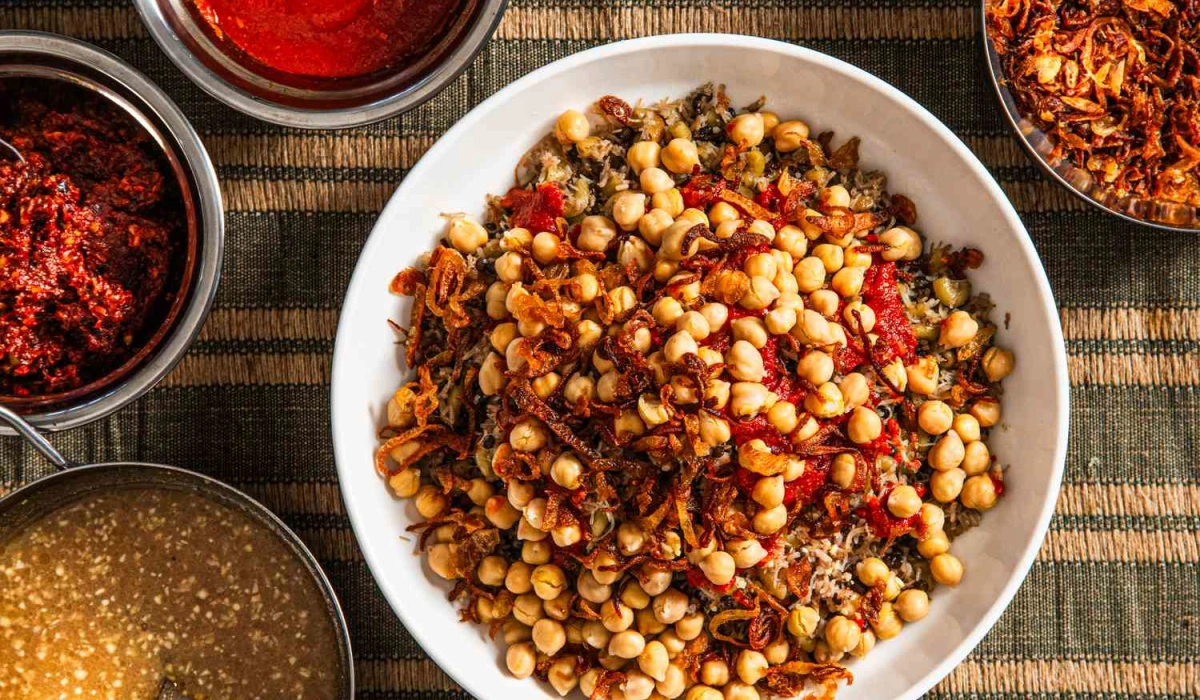
What it is: Layers of rice, brown lentils, macaroni pasta, and chickpeas, topped with crispy fried onions and tangy tomato sauce, with a side of spicy vinegar sauce and garlic sauce. It sounds chaotic. It is chaotic. And it's absolutely delicious.
Why it's special: Koshari represents Egypt perfectly—it's a mix of influences (Italian pasta, Indian lentils, Egyptian execution), it's affordable for everyone (costs pennies from street vendors), and it's endlessly satisfying. It's also accidentally vegan, which makes it perfect for everyone.
Where to get it: Abou Tarek in Cairo is legendary (they have multiple floors dedicated to koshari!), but honestly, any street vendor with a crowd of locals is going to serve excellent koshari. Follow the crowds.
Walk through any Egyptian street before 10 AM and you'll smell it, slow-cooked fava beans that have been simmering overnight.
What it is: Fava beans cooked until creamy, mashed, seasoned with cumin, garlic, and lemon, drizzled with olive oil, and served with fresh baladi bread (Egyptian flatbread).
The ritual: Egyptians eat ful for breakfast with various add-ons: hard-boiled eggs, tomatoes, onions, fresh herbs. You scoop it up with bread, never with utensils.
Why it's legendary: This is peasant food that's been sustaining Egyptians for thousands of years, literally, they found fava beans in pharaonic tombs. It's cheap, protein-rich, and keeps you full until dinner.
Where to get it: Gad restaurants are reliable, but the best ful comes from street carts in neighborhoods. Look for places packed with locals at 7 AM.

Egyptian grills are serious business. Skewers of minced lamb (kofta) or chunks of meat (kebab) are grilled over charcoal until charred and juicy.
What makes it special: The seasoning is simple—cumin, coriander, parsley—letting the quality meat shine. It's served with tahini, fresh vegetables, and bread. The char from the charcoal adds a smokiness that electric grills can't match.
Where to get it: Abu Shakra in Cairo has been grilling perfection for decades. El Refai is another institution. For upscale, Kazouza in Zamalek does incredible things with traditional grilling.

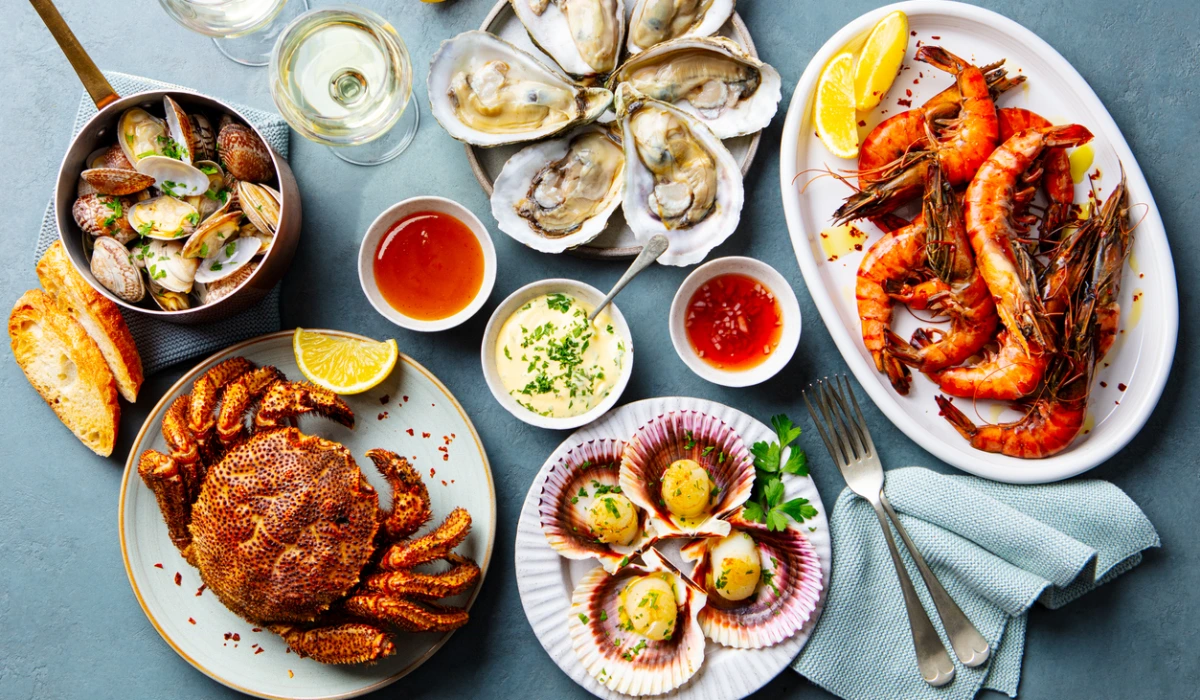
Egypt's Mediterranean coast means incredible seafood, and Alexandria is the place to get it.
What to order: Grilled red mullet, calamari, shrimp, hamour (grouper), and whatever else was caught that morning. Often you'll choose your fish from the display and they'll grill it simply, olive oil, lemon, salt.
Where to go: Fish Market Restaurant in Alexandria lets you buy fish from the market downstairs, then they cook it upstairs. Qadoura is a classic. Greek Club (yes, in Alexandria) has excellent seafood with history.
Turkey: Where Ottoman Empires Built Culinary Empires
Turkish cuisine is one of the world's great food traditions, refined over centuries in Ottoman palace kitchens and perfected in village hearths. This is food that takes itself seriously, and for good reason.
The Must-Try Dishes
1. Meze: The Art of Small Plates
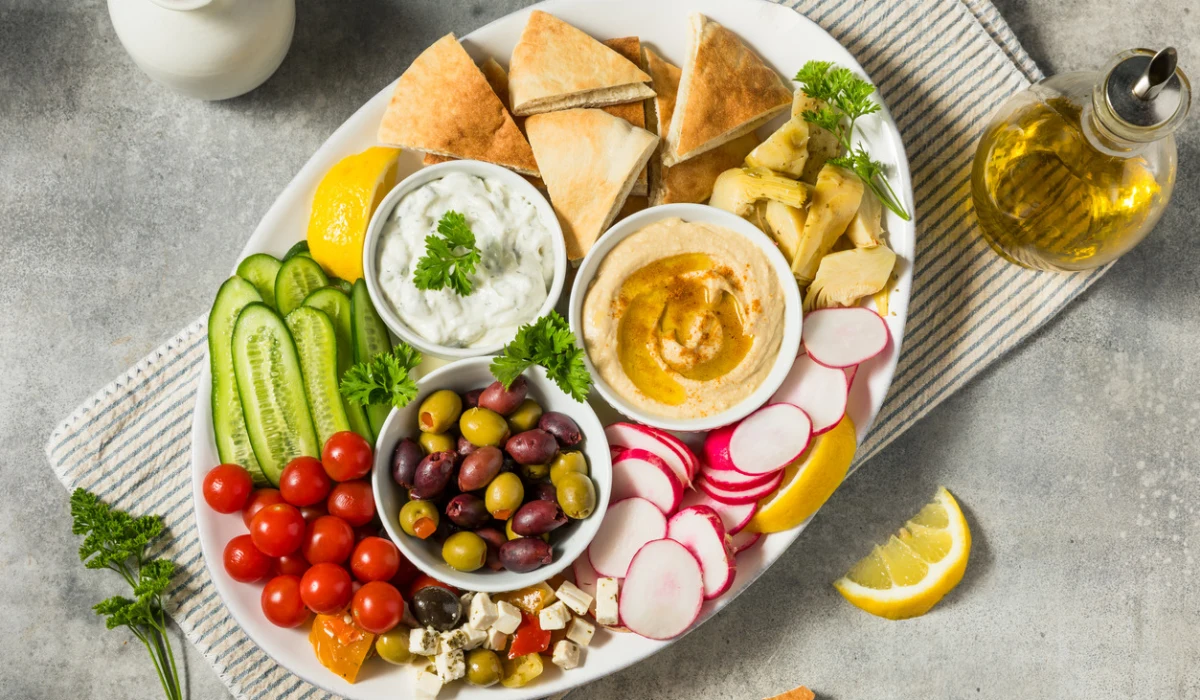
Turkish meals don't start with bread and butter, they start with 10-15 small plates of pure deliciousness.
What you'll get: Hummus (yes, Turkey claims it too), baba ghanoush (smoky eggplant), haydari (thick yogurt with herbs and garlic), ezme (spicy tomato-pepper salad), stuffed grape leaves, white bean salad, fried eggplant, börek (pastry with cheese or meat).
The ritual: You graze slowly, drink raki (anise spirit), and talk for hours before the main course even arrives. This is civilized dining.
Western understanding of kebabs begins and ends with döner spinning on a spit. Turkey has so much more to offer.
-
Adana kebab: Spicy minced lamb hand-pressed onto wide skewers, grilled over charcoal. The char, the spice, the juiciness—it's perfection.
-
Urfa kebab: Like Adana but milder, for those who can't handle heat.
-
İskender kebab: Sliced döner meat over pide bread, covered in tomato sauce, topped with yogurt and browned butter. It's rich, messy, and glorious.
-
Şiş kebab: Chunks of marinated lamb on skewers, grilled simply.
Where to eat kebabs: Gaziantep is Turkey's kebab capital. In Istanbul, Hamdi Restaurant near Eminönü has killer kebabs with Golden Horn views.

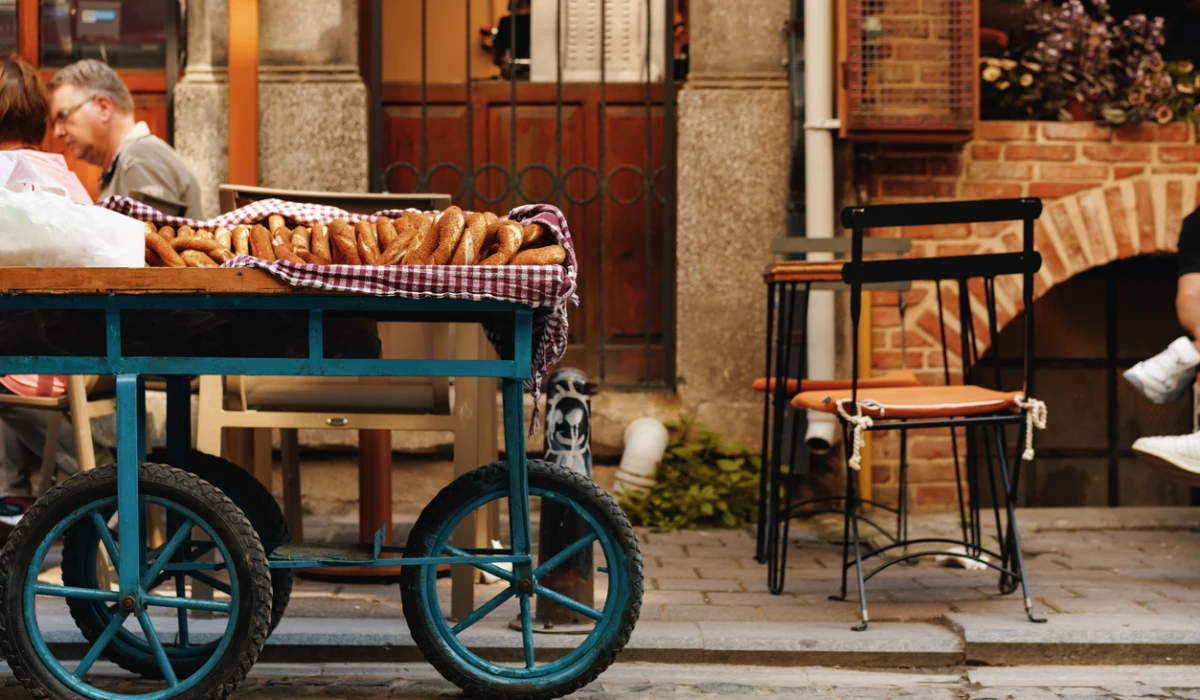
- Simit: Sesame-crusted bread rings sold everywhere. It's Turkey's answer to bagels, except better. Eat one warm with white cheese and tea for breakfast.
- Balık ekmek: Fish sandwiches sold from boats bobbing in the water at Eminönü. Grilled mackerel in bread with onions and lemon. Simple, fresh, unforgettable.
- Midye dolma: Stuffed mussels sold by street vendors. Locals eat them by the dozen, squeezing lemon on each one. Cheap, delicious, addictive.
- Kokoreç: Grilled lamb intestines. Sounds scary, tastes amazing. Don't think, just try it.
Morocco: A Sensory Explosion on Every Plate
Moroccan food is bold, complex, and totally unique. Sweet meets savory in ways that shouldn't work but absolutely do. This is cuisine that engages all your senses.
The Must-Try Dishes
1. Tagines: Slow-Cooked Magic
Named after the conical clay pot they're cooked in, tagines are Morocco's signature dish.
Classic combinations:
-
Lamb with prunes and almonds: Sweet, rich, tender lamb with caramelized prunes and crunchy almonds
-
Chicken with preserved lemons and olives: Bright, briny, complex
-
Kefta tagine: Meatballs in spicy tomato sauce with eggs
-
Vegetable tagine: Carrots, potatoes, zucchini in a spiced sauce
What makes them special: Hours of slow cooking make the meat fall-off-the-bone tender. The spices (cumin, coriander, ginger, saffron, cinnamon) layer flavors complexity. The preserved lemons add a unique tang impossible to replicate.
Where to eat them: In Marrakech, try Le Jardin's rooftop or Nomad. But honestly? The best tagines often come from riads (traditional guesthouses) where they're cooking family recipes.

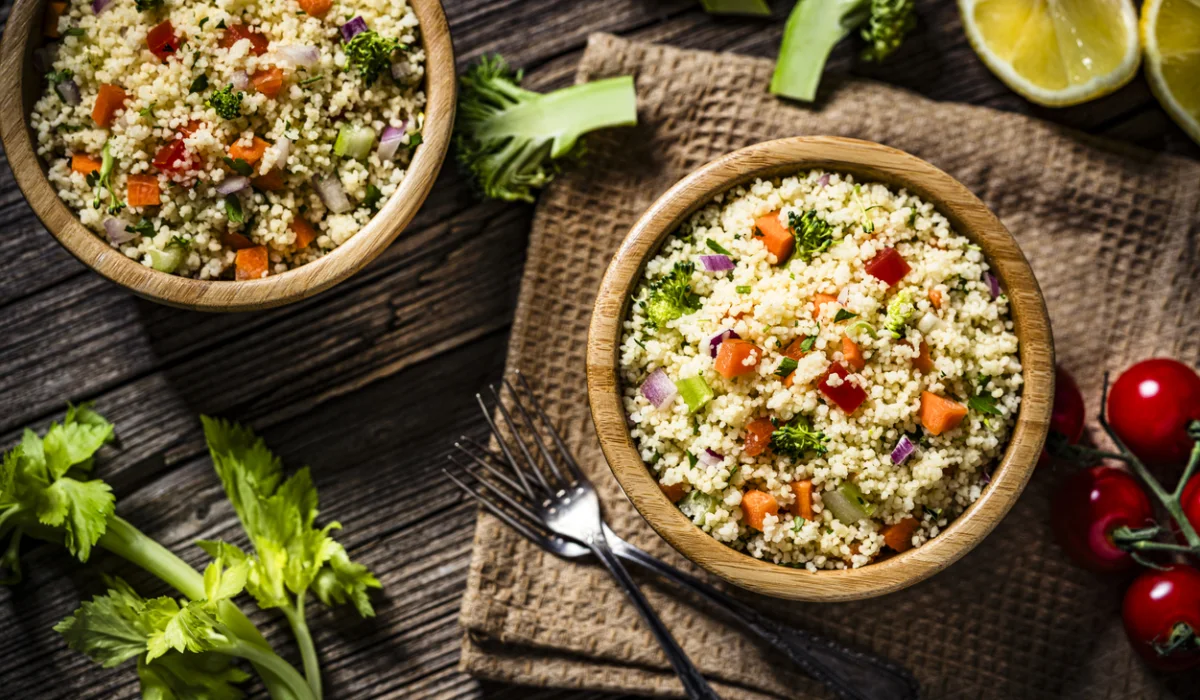
Couscous in Morocco isn't the instant box version—it's steamed to fluffy perfection, traditionally served on Fridays.
What you'll get: A mountain of couscous topped with vegetables (carrots, zucchini, turnips, chickpeas) and meat (lamb, chicken, or merguez), with a rich broth poured over it.
The ritual: Traditionally eaten communally from one large plate, using your hands (right hand only). It's a social experience.
3. Pastilla: Sweet-Savory Mind-Bender
This is Morocco's most controversial dish for Western palates, and the one that will make you rethink everything.
What it is: Layers of thin warqa pastry filled with spiced pigeon or chicken, almonds, eggs, and cinnamon, topped with powdered sugar and cinnamon. It's baked until crispy.
Why it's incredible: The combination of savory spiced meat with sweet cinnamon and sugar sounds wrong. It's not. It's genius. The textures—crispy pastry, tender meat, crunchy almonds, work perfectly together.
Where to try it: Upscale restaurants serve the best pastilla. La Mamounia in Marrakech has a legendary version.
- Harira: Thick lentil and chickpea soup with tomatoes, herbs, and sometimes lamb. It breaks Ramadan fasts but is delicious year-round. Street vendors sell it with dates and sweet pastries.
- Msemen: Flaky, buttery flatbread folded into squares and cooked on griddles. Eat it for breakfast with honey and butter or filled with savory fillings.
- Snail soup: Yes, really. Spiced broth with snails, served in bowls on the street. Marrakesh specialty. Don't knock it till you've tried it.
- Brochettes: Grilled meat skewers (lamb, beef, chicken, kefta). Simple, smoky, perfect with fresh bread.
- Sardine sandwiches: Fried sardines in crusty bread with tomatoes and peppers. Cheap, filling, delicious.

Greece: The Mediterranean Diet, Perfected
Greek cuisine celebrates simplicity and freshness. The ingredients are so good they need minimal interference. Olive oil, lemon, oregano, and high-quality produce—that's the foundation of something magnificent.
The Must-Try Dishes
1. Moussaka and Pastitsio: Oven-Baked Comfort
Moussaka: Layers of fried eggplant and spiced meat sauce topped with creamy béchamel, baked until golden. It's rich, comforting, and found in every taverna.
Pastitsio: Basically Greek lasagna—pasta tubes with meat sauce and béchamel, baked until bubbly. It's pasta meets comfort food meets Greek perfection.
Where they shine: Homestyle tavernas and family-run restaurants. These dishes are best when someone's grandmother is in the kitchen.

2. Souvlaki and Gyros: Street Food Royalty
Souvlaki: Skewered and grilled meat (pork, chicken, lamb) served in pita with tomatoes, onions, fries (yes, fries IN the pita), and tzatziki.
Gyros: Rotisserie-cooked meat (usually pork or chicken) shaved off and served in pita with the same delicious toppings.
What makes Greek versions special: The meat quality is high, the tzatziki is homemade and thick, and the fries are crispy. It's simple and done perfectly.
Where to get them: Avoid tourist traps near monuments. Go where locals line up. In Athens, Kostas or Bairaktaris are reliable.
3. Greek Salad: The Real Deal
Forget everything you think you know about Greek salad. The authentic version has NO lettuce.
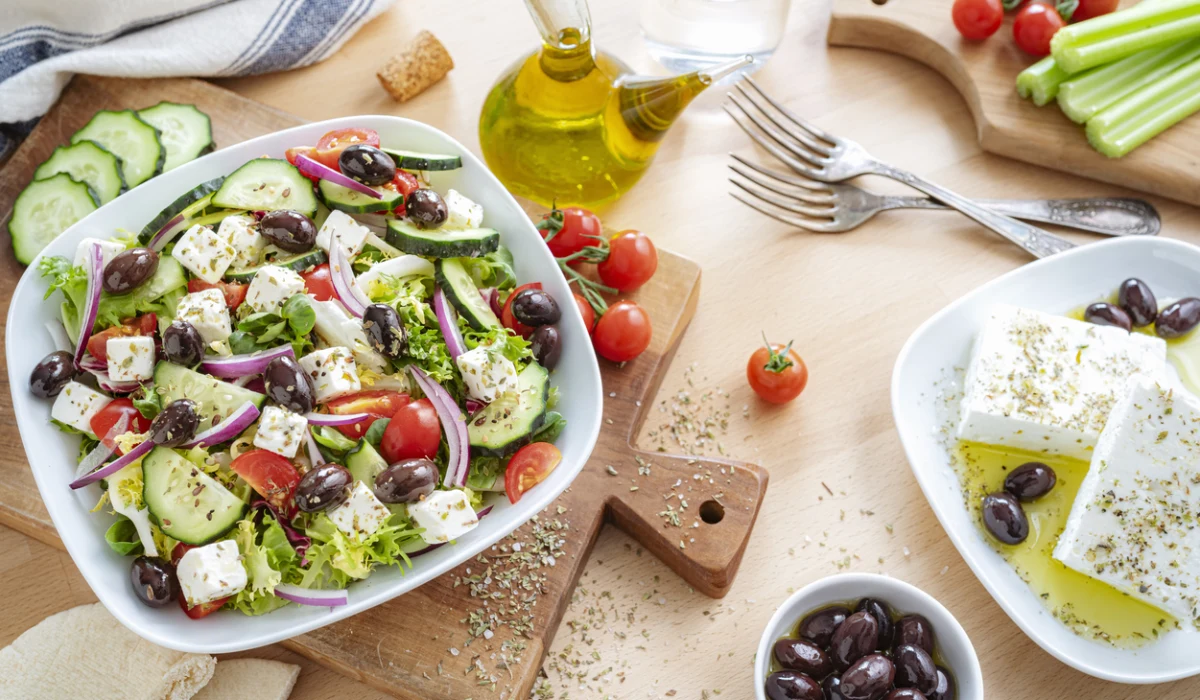
What's in it: Ripe tomatoes, cucumbers, Kalamata olives, red onions, green bell peppers, thick slabs of feta, olive oil, oregano. That's it.
Why it's perfect: The tomatoes are sun-ripened and actually taste like tomatoes. The feta is creamy and salty. The olive oil is liquid gold. Simple ingredients at peak quality.
Greek islands = incredible seafood. The equation is simple.
What to order:
-
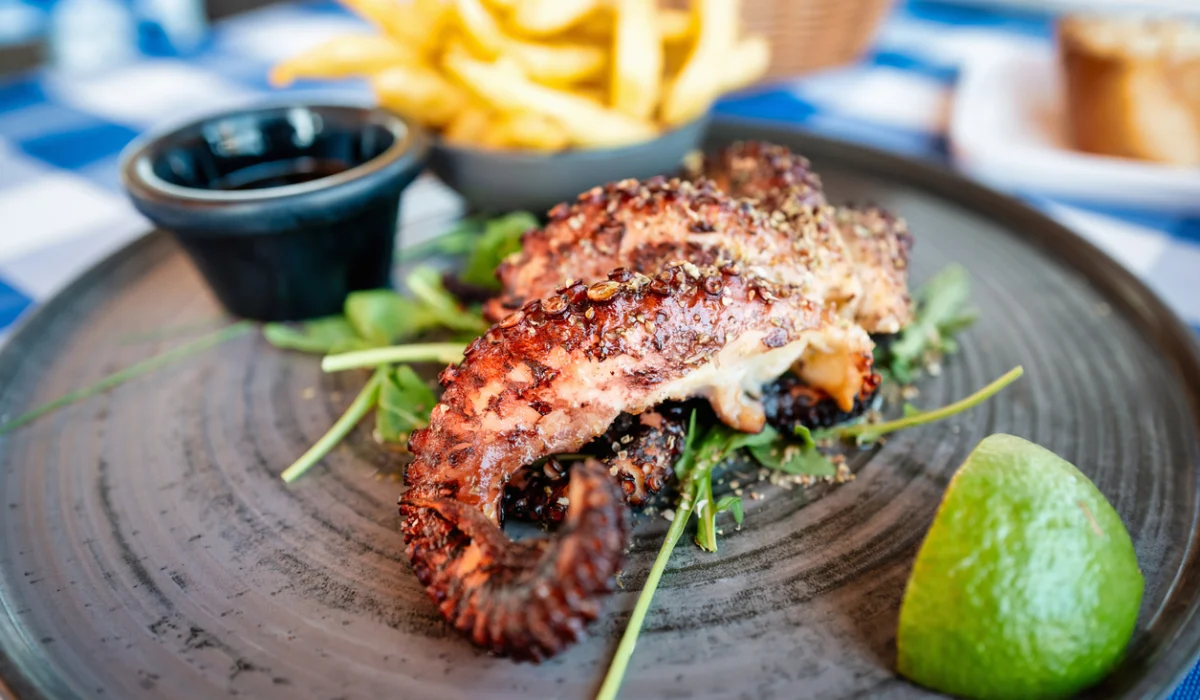
Grilled octopus: Tender, charred, served with olive oil and lemon
-
Fried calamari: Crispy, served with lemon wedges
-
Whole fish: Displayed on ice, priced by the kilo, grilled simply
-
Saganaki: Fried cheese (usually kasseri). Crispy outside, gooey inside, squeezed with lemon
Where to eat it: Any taverna with tables by the water on the islands. In Athens, To Kati Allo specializes in seafood.
Dubai: Where the World Comes to Eat
Dubai isn't a traditional food destination like the others, it's better described as where the world's food comes together. With 200+ nationalities living here, you'll find authentic cuisine from everywhere, plus fusion creations you won't find anywhere else.
The Must-Try Experiences
1. Emirati Cuisine: The Local Flavor
Most people visit Dubai and never try actual Emirati food. That's a mistake.
- Al Harees: Slow-cooked wheat and meat, cooked for hours until it becomes a porridge-like consistency. It's traditional, comforting, and perfect during Ramadan.
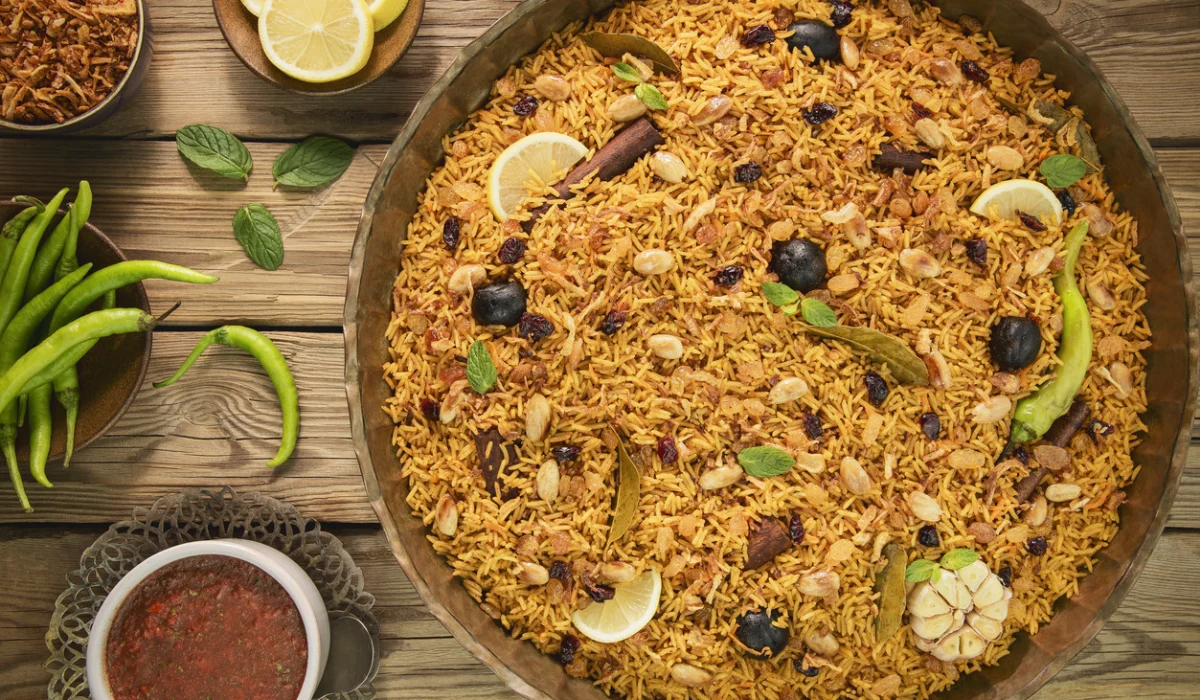
- Al Machboos: Spiced rice with meat (chicken, lamb, or fish), similar to biryani but with a distinct Gulf flavor profile. The rice is flavored with loomi (dried lime), saffron, and cardamom.
- Luqaimat: Emirati donuts—crispy fried dough balls drizzled with date syrup. Sweet, crunchy, addictive.
- Camel dishes: Yes, really. Camel burger, camel biryani, grilled camel. It's lean, flavorful, and surprisingly delicious.
2. International Food Hall
Dubai's superpower is bringing authentic international cuisine from everywhere.
What you can find:
-
Authentic Indian: From street food to fine dining (Tresind, Carnival by Tresind)
-
Japanese perfection: Zuma, Nobu, countless ramen shops
-
Lebanese excellence: Al Hallab, Zaroob for street food
-
Persian cuisine: Shabestan at Radisson Blu
-
Filipino favorites: Aling Nena for home-style cooking
-
Pakistani street food: Ravi Restaurant (legendary late-night spot)
-
Ethiopian: Lalibela serves traditional injera and stews
- Shawarma: Dubai does shawarma RIGHT. Try Al Mallah in Satwa (open 24/7) or Aroos Damascus.
- Manousheh: Lebanese flatbread with zaatar or cheese, from Zaroob or Man'oushe Street.
- Karak chai: Sweet, spiced tea found at every corner. Ayyam Al Mazi serves it perfectly.
- Al Rigga area: Dubai's little India, with incredible South Indian food. Saravana Bhavan for dosas.
- Satwa: The old Dubai food neighborhood. Ravi Restaurant, Karachi Darbar, numerous Pakistani and Indian joints.

The Food Lover's Mindset
-
Be adventurous: Try the weird stuff. Snail soup, kokoreç, camel burger—you're here for experiences.
-
Respect local customs: Eating with your right hand in Morocco, sharing meze in Turkey, accepting endless tea—go with it.
-
Ask questions: Vendors and restaurant staff love talking about their food. Ask how it's made, what to order, what locals eat.
-
Don't fear street food: The busy vendors with locals in line? That's where the magic is. Trust your instincts and your stomach.
-
Embrace the social aspect: Food in these cultures is communal. Share dishes, make friends, eat slowly.
Look, you can travel for the monuments and beaches, and they're great. But food? Food is how you really understand a place. It's history you can taste, culture you can smell, community you can participate in.
These five destinations, Egypt, Turkey, Morocco, Greece, and Dubai—offer some of the world's most delicious, diverse, and meaningful food experiences. From $1 street food that'll blow your mind to Michelin-starred meals that redefine cuisine, from ancient recipes passed down for millennia to modern fusion creating something entirely new.
Your stomach has limited capacity, but your appetite for adventure doesn't. So plan that food road trip. Book those tickets. Pack the stretchy pants.
FAQs
Q1: How much should I budget per day for food in these destinations?
Budget varies widely: Egypt ($10-25/day eating well, $40+ for upscale), Turkey ($15-30/day, $50+ upscale), Morocco ($12-25/day, $40+ upscale), Greece ($20-35/day, $60+ upscale), Dubai ($25-50/day budget eats, $100+ for nicer restaurants). Street food and local restaurants are incredibly affordable; Western-style restaurants and hotel dining cost significantly more. Mix cheap local spots with occasional splurge meals.
Q2: Is street food safe to eat in these countries?
Generally yes, if you're smart about it! Look for busy vendors with high turnover (food is fresh), watch food being prepared (should be cooked thoroughly), avoid raw ingredients in hot weather, choose places packed with locals, and trust your instincts. Start slowly if you have a sensitive stomach. Street food from busy vendors is often safer than touristy restaurants because turnover is higher.
Q3: What food should I absolutely NOT miss in each country?
Egypt: Koshari and ful medames. Turkey: İskender kebab and proper Turkish breakfast. Morocco: Tagine and mint tea ritual. Greece: Grilled octopus and authentic Greek salad. Dubai: Emirati machboos and late-night shawarma. These are the non-negotiable, quintessential experiences that define each cuisine.
Q4: Can I find vegetarian/vegan options easily?
Egypt is surprisingly vegan-friendly (koshari, ful, falafel, vegetable dishes). Turkey and Greece offer lots of meze and vegetable dishes but use dairy heavily. Morocco has vegetable tagines but meat is central to the cuisine. Dubai has the most options with dedicated vegetarian/vegan restaurants. Always ask about ingredients—many "vegetable" dishes use meat stock or butter.
Q5: What's the best way to find authentic local restaurants?
Ask locals (hotel staff, taxi drivers, shop owners), take a guided food tour on day one, use apps like Google Maps but read Arabic/Turkish/Greek language reviews (locals write in native languages), wander residential neighborhoods during meal times and follow your nose, join food-focused Facebook groups for each city, and avoid anywhere that looks "too touristy" or has touts outside.
Q6: What food souvenirs should I bring home?
Egypt: spices from Khan el-Khalili, hibiscus tea. Turkey: Turkish delight, spices, olive oil, baklava (eat fresh, don't travel with it). Morocco: argan oil, spices, preserved lemons, rose water. Greece: olive oil, honey, dried oregano, ouzo. Dubai: dates, Arabic coffee, spice blends. Buy from markets not airport shops for better quality and prices.
Q7: Can I take a cooking class to learn these cuisines?
Absolutely, and highly recommended! Each destination offers cooking classes: Cairo has Egyptian cooking workshops, Istanbul has many Turkish cooking schools, Marrakech is famous for tagine cooking classes, Athens offers Greek cooking experiences, and Dubai has international cooking schools. Book in advance, choose classes that include market visits, and you'll leave with recipes and skills to recreate dishes at home.

Join the discussion