




Across every culture and continent, certain foods appear only at life's most significant moments—weddings that unite families, funerals that honor the departed, and celebrations that mark religious holidays and personal milestones. These ceremonial foods carry profound meanings far beyond nutrition, serving as vessels for cultural values, spiritual beliefs, and community bonds that have endured for centuries.
From Japanese mochi at New Year celebrations to Mexican pan de muerto during Day of the Dead, from Italian wedding cookies to Ghanaian funeral feasts, foods for weddings, funerals and celebrations tell the story of what societies hold sacred. Understanding these cultural celebration foods offers travelers and food enthusiasts alike a window into the human experience—how different cultures mark joy, process grief, and come together in shared meaning through the universal language of food.
This exploration of celebration foods reveals both the remarkable diversity of human tradition and the common threads connecting us all: the use of food to honor, remember, celebrate, and unite.
Foods at Weddings: Celebrating New Unions Worldwide
Wedding traditions showcase some of the most elaborate ceremonial foods, each dish carrying symbolic wishes for the couple's future prosperity, fertility, and happiness.
Mediterranean and Middle Eastern Wedding Foods
Italy celebrates marriages with confetti—not paper, but sugar-coated almonds in groups of five representing health, wealth, happiness, fertility, and longevity. These foods at weddings are distributed to guests in decorative boxes, with the bitter almond coating symbolizing life's challenges sweetened by marriage. Italian wedding cakes, elaborate multi-tiered creations, often incorporate symbolic ingredients like almonds and honey.

Greece features koufeta (similar to Italian confetti), wedding bread stamped with symbolic patterns, and baklava—layers of phyllo, nuts, and honey representing the sweetness of married life. Greek wedding receptions include communal lamb roasts symbolizing abundance and celebration foods served family-style to emphasize community.
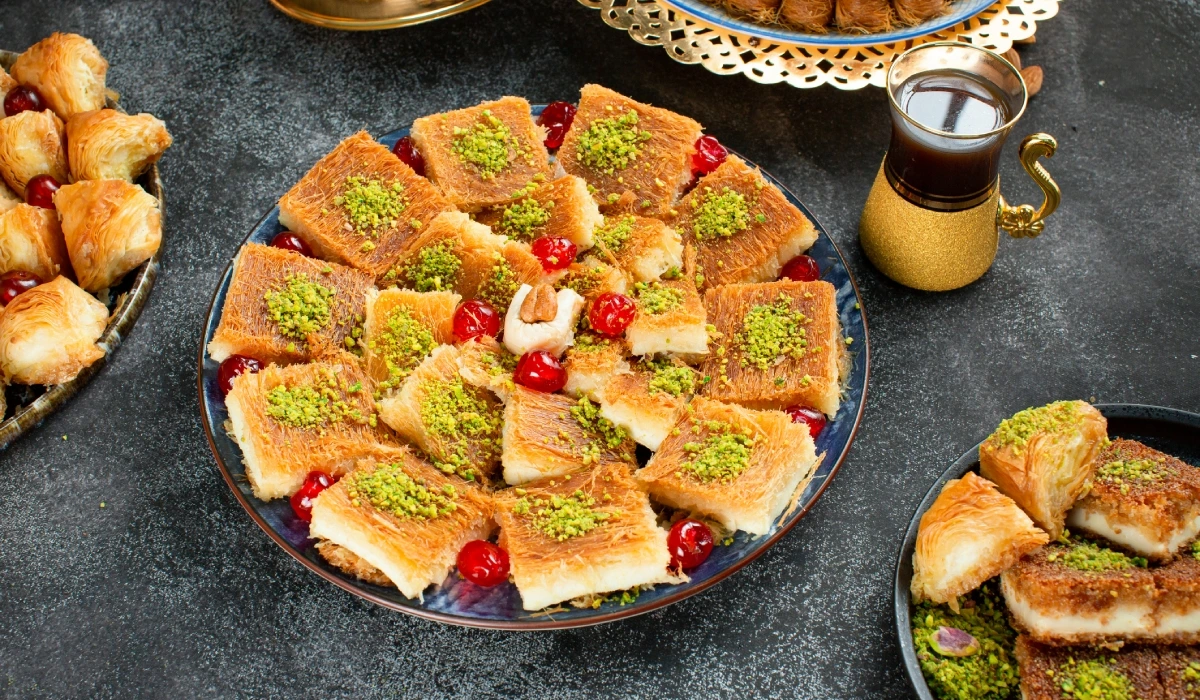
Egypt serves fattah as the centerpiece of wedding feasts—a layered dish of bread, rice, and meat representing the building of a strong marital foundation. Egyptian wedding celebration foods also include konafa (shredded phyllo with sweet cheese) and basbousa (semolina cake), both soaked in honey syrup symbolizing sweet married life.
Asian Wedding Traditions
China incorporates ceremonial foods rich in symbolic meaning throughout wedding celebrations. Whole fish represents abundance, lotus seeds in sweet soup symbolize fertility and many children, and longan (dragon eye fruit) represents a good relationship between newlyweds. The traditional Chinese wedding banquet serves 8-10 courses (8 being lucky), with each dish carrying auspicious meanings.
Japan celebrates with sekihan (red rice with adzuki beans), traditionally served at weddings and celebrations. The red color symbolizes happiness and the beans represent good fortune. Modern Japanese weddings often include elaborate multi-course meals blending Western and traditional Japanese elements.
India features elaborate wedding feasts varying by region but universally abundant. Ladoo (sweet balls made from gram flour, coconut, or semolina) are essential foods at weddings, distributed to guests as blessings. North Indian weddings serve biryani (layered rice and meat), while South Indian celebrations feature payasam (sweet rice pudding). The foods at festivals and weddings often overlap, with both occasions demanding generous hospitality.

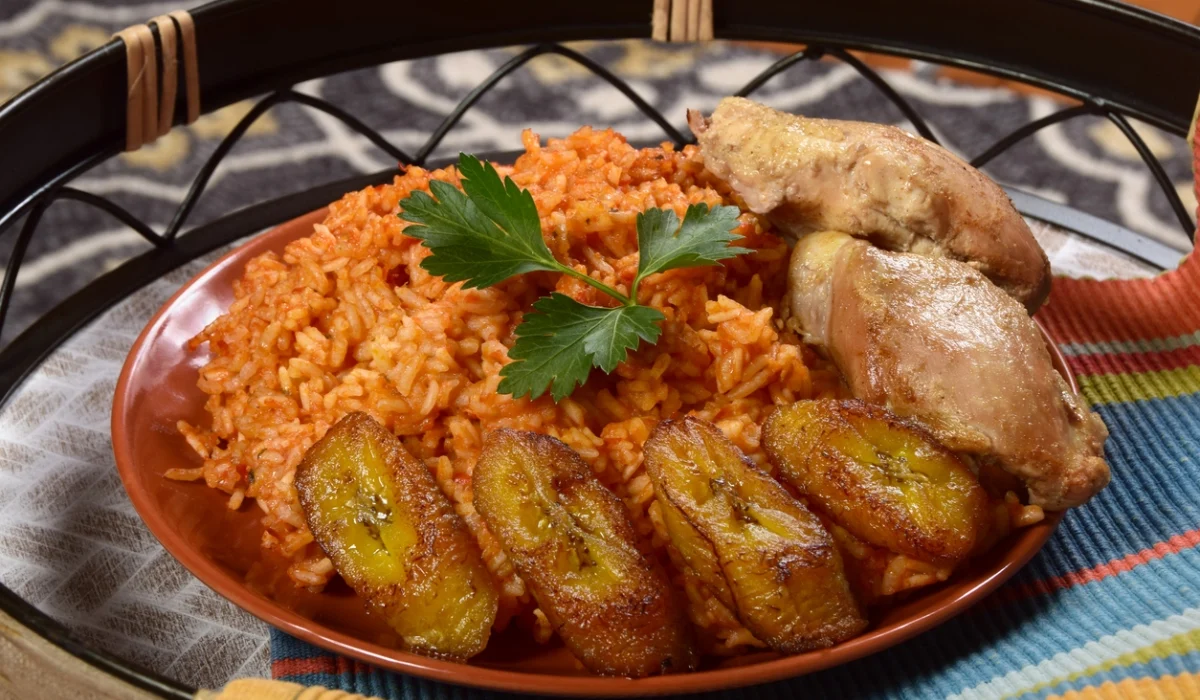
Ghana and other West African nations feature jollof rice—a spiced rice dish that becomes centerpiece celebration foods at weddings. The dish's bright red color (from tomatoes and peppers) symbolizes passion and vitality. Kelewele (spiced fried plantains) and chinchinga (skewered grilled meat) appear as finger foods for wedding receptions.
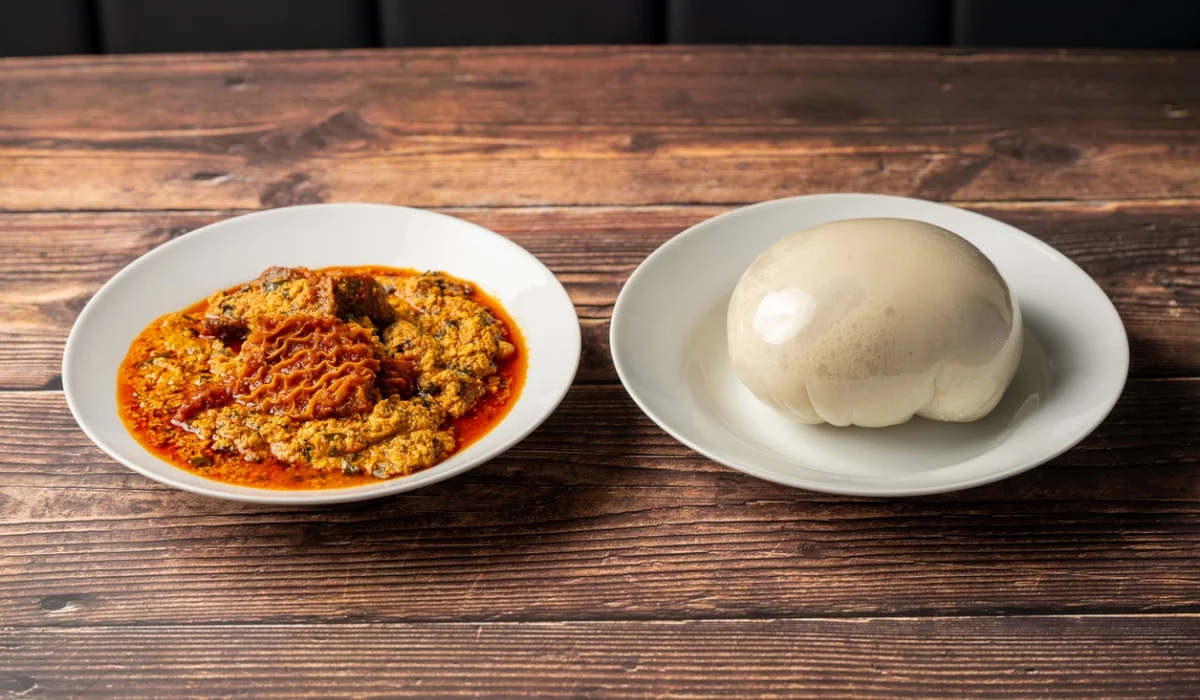
Nigeria serves pounded yam with rich soups, jollof rice (each region claiming the best version), and small chops—an assortment of finger foods including puff-puff (fried dough), samosas, and spring rolls essential to Nigerian celebration foods.
Mexico features mole (complex sauce requiring 20+ ingredients) at important weddings, symbolizing the effort required for marriage. Tamales wrapped in corn husks represent gifts and blessings. Arroz con leche (rice pudding) and tres leches cake provide sweet endings to celebration feasts.
Brazil serves brigadeiros (chocolate truffles) and beijinhos (coconut truffles) as essential foods at weddings. These small, sweet finger foods are distributed generously, with guests often taking extras home as reminders of the celebration.

Finger Foods for Funeral: Honoring the Departed
Funeral foods often contrast sharply with wedding celebrations, typically emphasizing simplicity, community support, and symbolic meanings about life, death, and the afterlife.
Western Funeral Traditions
United States funeral receptions feature comfort foods that nourish grieving families and visitors. Casseroles (tuna, chicken, green bean) become staples because they're easy to prepare, transport, and reheat. Deviled eggs, sandwich platters, and potato salad serve as practical finger foods for funeral gatherings that allow mourners to eat while socializing.
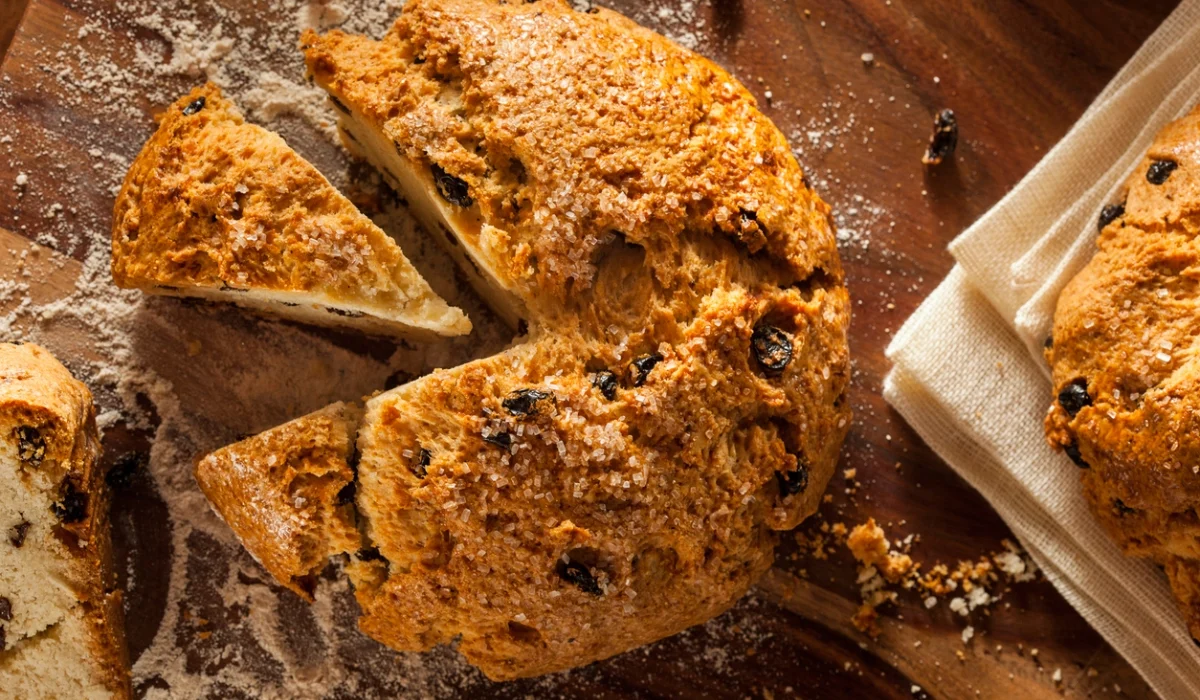
Irish wakes traditionally include ham (representing sustenance and abundance even in grief), soda bread, whiskey, and tea—simple ceremonial foods reflecting Irish hospitality extended even during mourning.
China observes strict funeral food customs with symbolic meanings. White foods (tofu, rice, certain vegetables) symbolize mourning and purity. Families avoid red foods associated with celebration. Vegetarian dishes often predominate, respecting Buddhist traditions. After burials, families may serve longevity noodles symbolizing the continuation of family lineage.
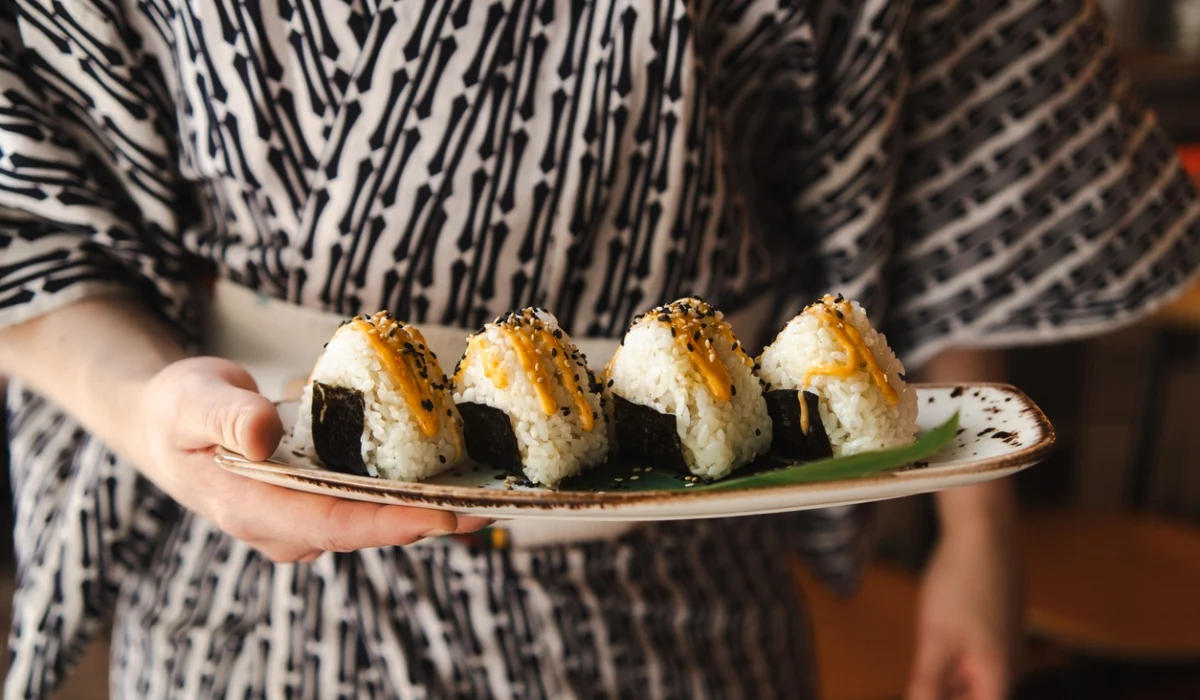
Japan serves shojin ryori (Buddhist vegetarian cuisine) at funeral receptions, honoring the deceased with pure, simple foods. Onigiri (rice balls) with simple fillings provide easy-to-eat finger foods for funeral attendees. The emphasis on simple, unadorned foods reflects the solemnity of the occasion.
Egypt distributes aish baladi (Egyptian bread) to the poor in massive quantities—sometimes thousands of loaves—during the three-day mourning period. This ancient tradition connects modern Egypt to pharaonic tomb provisions. Rahma (plain rice and lentils) feeds mourners, with its simplicity reminding attendees of life's transience.
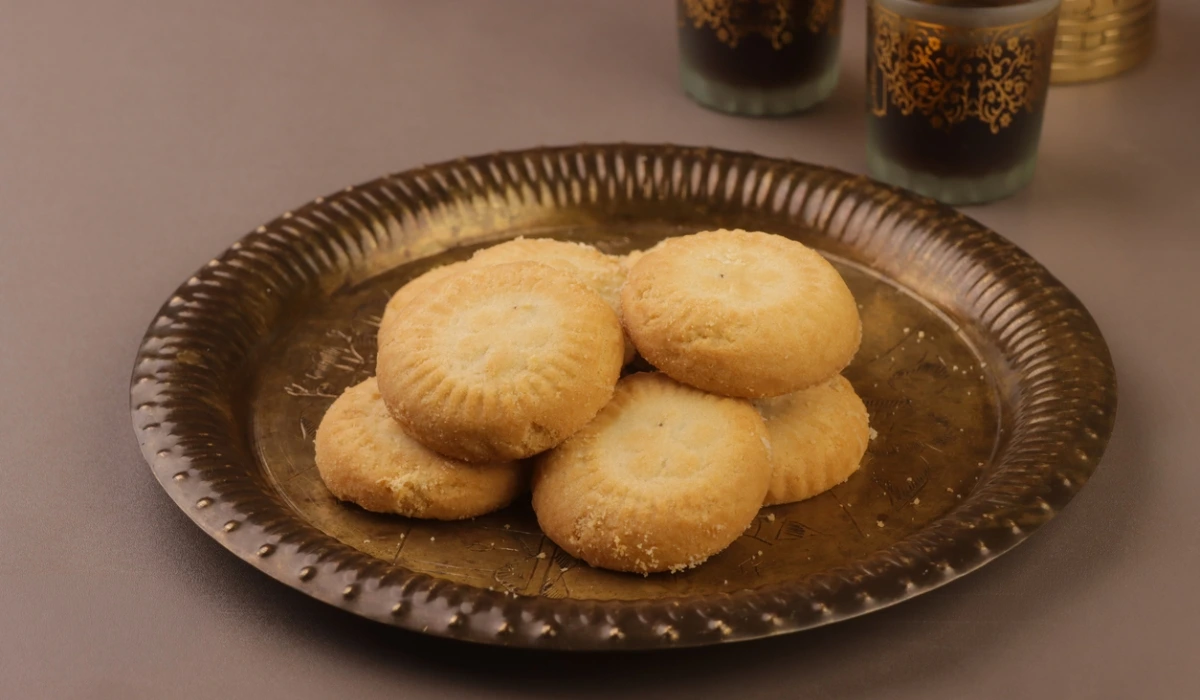
Lebanon and other Levantine cultures serve coffee (bitter, unsweetened) to funeral visitors, with the bitterness symbolizing grief. Ma'amoul (date-filled cookies) or simple sweets are offered but less elaborate than celebration foods.
Ghana hosts elaborate funeral celebrations that can last days, with foods at funerals rivaling wedding feasts in abundance. Fufu (pounded cassava or plantain), goat stew, jollof rice, and kelewele nourish the large gatherings. Ghanaian funeral traditions view death as a transition requiring celebration of the deceased's life.
Ethiopia observes mourning with kolo (roasted barley or wheat) distributed to visitors—simple, dry grain representing the cycle of life and death. Coffee ceremonies punctuate mourning periods, bringing community together.
Foods at Festivals: Marking Sacred Times
Religious and seasonal festivals worldwide feature specific ceremonial foods that appear only during these sacred periods, creating anticipation and marking time's passage.
Christian Celebration Foods
Easter celebrations worldwide feature eggs (resurrection symbol) and spring foods. Hot cross buns in England, pinca (sweet braided bread) in Croatia, tsoureki (Greek sweet bread), and colomba (Italian dove-shaped cake) appear only during Easter season.
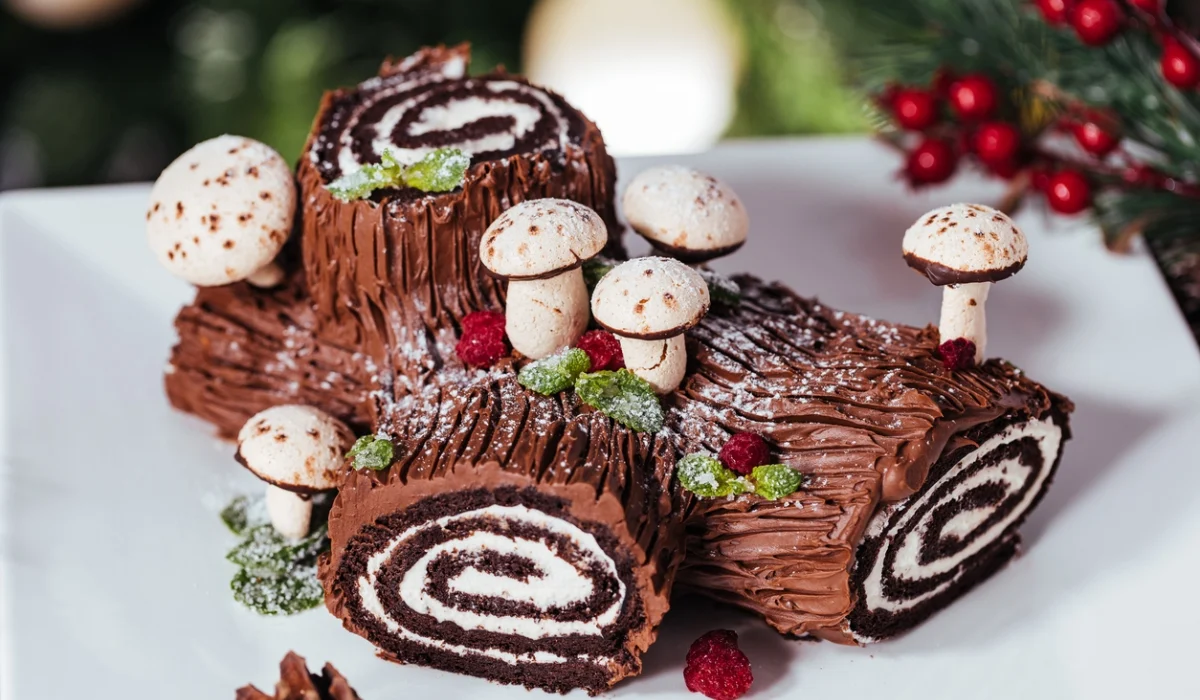
Christmas brings culture-specific foods at festivals: panettone and pandoro (Italian sweet breads), stollen (German fruit bread), bûche de Noël (French yule log cake), and tamales (Mexican Christmas tradition). Each represents celebration foods passed through generations.
Eid al-Fitr (ending Ramadan) features specific foods at festivals worldwide. Kahk (Egyptian butter cookies) prepared for over 1,000 years, ma'amoul (Levantine date cookies), sheer khurma (vermicelli milk pudding in South Asia), and rendang (Indonesian spiced meat) mark the joyous breaking of the fast.
Eid al-Adha (Festival of Sacrifice) centers on meat distribution and biryani or rice dishes prepared with sacrificial meat, shared among family, friends, and the poor—embodying celebration foods with charitable purpose.
.

Passover prohibits leavened bread, creating unique ceremonial foods: matzah (unleavened bread), charoset (apple-nut mixture symbolizing mortar), and maror (bitter herbs). The Seder meal combines symbolic foods with historical narrative.
Hanukkah features latkes (potato pancakes) and sufganiyot (jelly doughnuts)—foods fried in oil commemorating the miracle of the temple oil. These foods at festivals appear only during the eight-day celebration.

Diwali (Festival of Lights) showcases elaborate celebration foods: ladoo, barfi (milk-based sweets), gulab jamun (syrup-soaked fried dough), and murukku (savory crisps). Families prepare massive quantities to share with neighbors and visitors.
Holi (Festival of Colors) features gujiya (sweet dumplings), thandai (spiced milk drink), and malpua (sweet pancakes)—special foods at festivals appearing only during this spring celebration.

Chinese New Year demands specific ceremonial foods: dumplings (shaped like ancient gold ingots for wealth), whole fish (abundance), spring rolls (gold bars), and nian gao (sticky rice cake symbolizing progress). Each dish carries auspicious meanings for the coming year.
Japanese New Year (Oshogatsu) features osechi ryori—elaborately arranged foods in lacquered boxes, each item symbolic: kuromame (black beans for health), kazunoko (herring roe for fertility), kamaboko (red/white fish cake for celebration).

Day of the Dead (Mexico) celebrates ancestors with pan de muerto (bread of the dead) decorated with bone-shaped pieces, sugar skulls, and favorite foods of deceased loved ones placed on altars. These cultural celebration foods honor death as part of life's cycle.
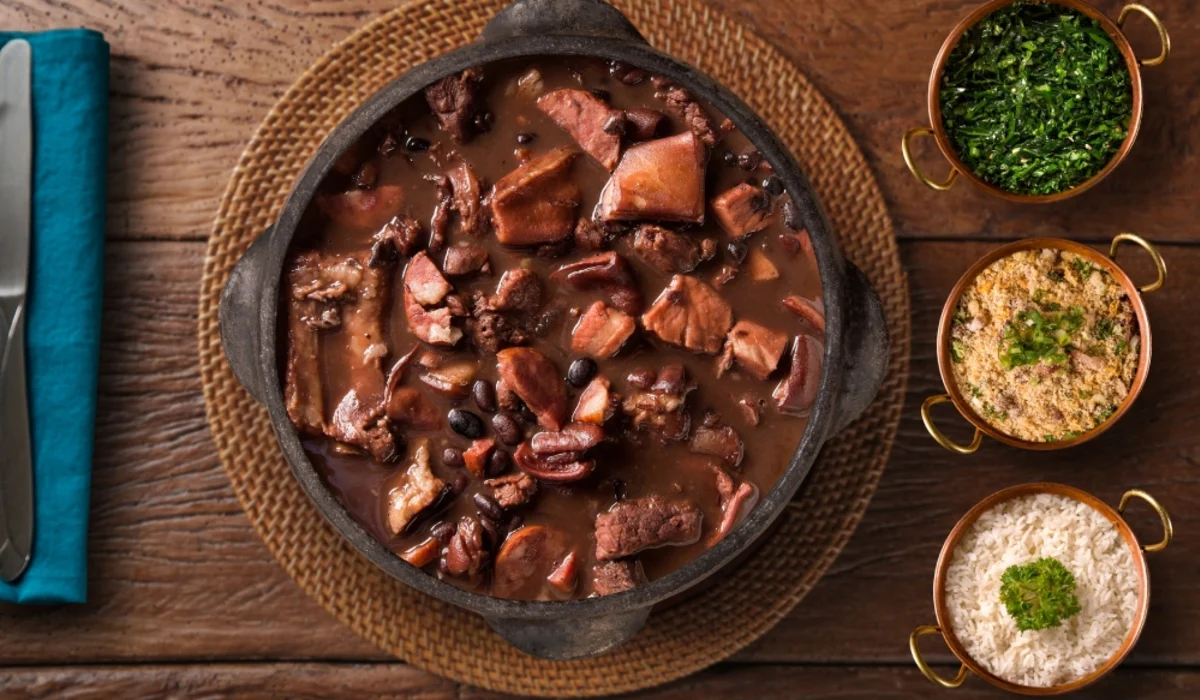
Carnival throughout Latin America and Caribbean features indulgent foods at festivals before Lenten fasting: King cake (New Orleans), feijoada (Brazilian black bean stew), and countless regional specialties marking the celebration.
The Deeper Cultural Meanings Behind Ceremonial Foods
Understanding foods for weddings, funerals and celebrations requires recognizing their profound symbolic functions:
1- Marking Sacred Time:
Special foods distinguish ordinary days from extraordinary moments. When Japanese families prepare elaborate osechi ryori for New Year or Egyptians bake kahk for Eid, they're marking time's passage and acknowledging life's rhythms.
2- Creating Community Bonds:
Preparing celebration foods—whether Italian grandmothers making wedding confetti, Mexican families preparing funeral tamales, or Indian communities cooking Diwali sweets—strengthens social connections through shared labor and tradition.
3- Transmitting Culture:
These ceremonial foods carry cultural knowledge across generations. Grandmothers teaching granddaughters to make kahk or latkes or mooncakes preserve not just recipes but cultural identity and family history.
4- Expressing Values:
Foods at weddings often emphasize abundance and generosity (lavish feasts showing hospitality), while finger foods for funeral typically stress simplicity and equality (everyone receives the same modest meal). Festival foods at celebrations embody religious or seasonal meanings specific to each tradition.
5- Providing Comfort:
During grief, familiar foods comfort mourners. During joy, special celebration foods amplify happiness. During sacred seasons, traditional foods at festivals anchor communities in shared meaning.
6- Economic and Social Functions:
Ceremonial foods redistribute wealth (generous wedding feasts, funeral meals for the poor), support traditional food crafts (specialty bakers, sweet makers), and create shared experiences transcending economic differences.
The universality of using food to mark life's passages—despite vastly different specific foods and customs—reveals fundamental human needs: to celebrate together, grieve communally, mark sacred time, and transmit culture through the universal language of shared meals.

FAQs:
Foods for weddings, funerals and celebrations represent humanity's creativity in using the universal necessity of eating to create meaning, build community, and mark what matters most. From Egyptian fattah at weddings to Japanese mochi at New Year, from American funeral casseroles to Mexican pan de muerto, these ceremonial foods nourish far more than bodies—they feed souls, strengthen communities, and connect us to ancestors and traditions stretching back centuries.
Whether you're attending a Ghanaian funeral feast, an Indian wedding banquet, a Chinese New Year celebration, or an Italian Easter meal, you're participating in living traditions that transform simple ingredients into sacred vessels of meaning, memory, and human connection—the true essence of cultural celebration foods worldwide.
FAQs:
Q1: What are traditional foods served at weddings around the world?
Traditional foods at weddings vary globally: Italy serves confetti (sugar-coated almonds) and elaborate cakes; Greece offers koufeta and baklava; Egypt features fattah (layered rice and meat); China serves symbolic dishes like whole fish and lotus seed soup; India prepares ladoo and biryani; Mexico makes mole and tamales; Ghana serves jollof rice. All emphasize abundance, sweetness, and prosperity symbolism.
Q2: What finger foods are appropriate for funerals?
Common finger foods for funeral receptions include sandwiches, deviled eggs, cheese and crackers, vegetable trays, cookies, and small pastries in Western traditions. Asian funerals serve onigiri (rice balls) and vegetarian dishes. Middle Eastern cultures offer coffee and simple sweets like ma'amoul. The emphasis is on easy-to-eat, comforting foods that allow mourners to eat while socializing and showing respect.
Q3: What celebration foods appear only during specific festivals?
Festival-specific celebration foods include: kahk (Egyptian Eid cookies), hot cross buns (Easter), latkes (Hanukkah), mooncakes (Chinese Mid-Autumn Festival), pan de muerto (Mexican Day of the Dead), gujiya (Indian Holi), panettone (Italian Christmas), and mochi (Japanese New Year). These ceremonial foods mark sacred times and create anticipation throughout the year.
Q4: Why do different cultures use specific foods for ceremonies?
Cultures use specific ceremonial foods to transmit values, mark sacred time, strengthen community bonds, and express beliefs about life, death, and spirituality. Foods carry symbolic meanings: almonds represent bittersweet life, rice symbolizes fertility, bread signifies sustenance, sweets embody joy. These cultural celebration foods preserve traditions across generations and create shared identity through taste and ritual.
Q5: What foods are served at funerals in Egypt and the Middle East?
Egyptian funerals serve rahma (simple rice and lentils) and distribute thousands of aish baladi (bread) loaves to the poor—a tradition dating to pharaonic times. Lebanese funerals offer bitter unsweetened coffee symbolizing grief, with simple sweets. The emphasis is on humble, simple foods reflecting life's transience and charitable giving on behalf of the deceased, contrasting sharply with elaborate foods at weddings.
Q6: How do wedding foods differ from funeral foods culturally?
Foods at weddings emphasize abundance, elaborate preparation, expensive ingredients, and sweetness—symbolizing prosperity, joy, and celebration. Wedding feasts are lavish and generous. In contrast, funeral foods focus on simplicity, modesty, and equality—everyone receives the same humble meal. Funeral foods comfort through familiarity rather than extravagance. This contrast reflects cultural values: celebrating new beginnings versus honoring endings, joy versus solemnity, abundance versus reflection on life's impermanence.
Join the discussion