



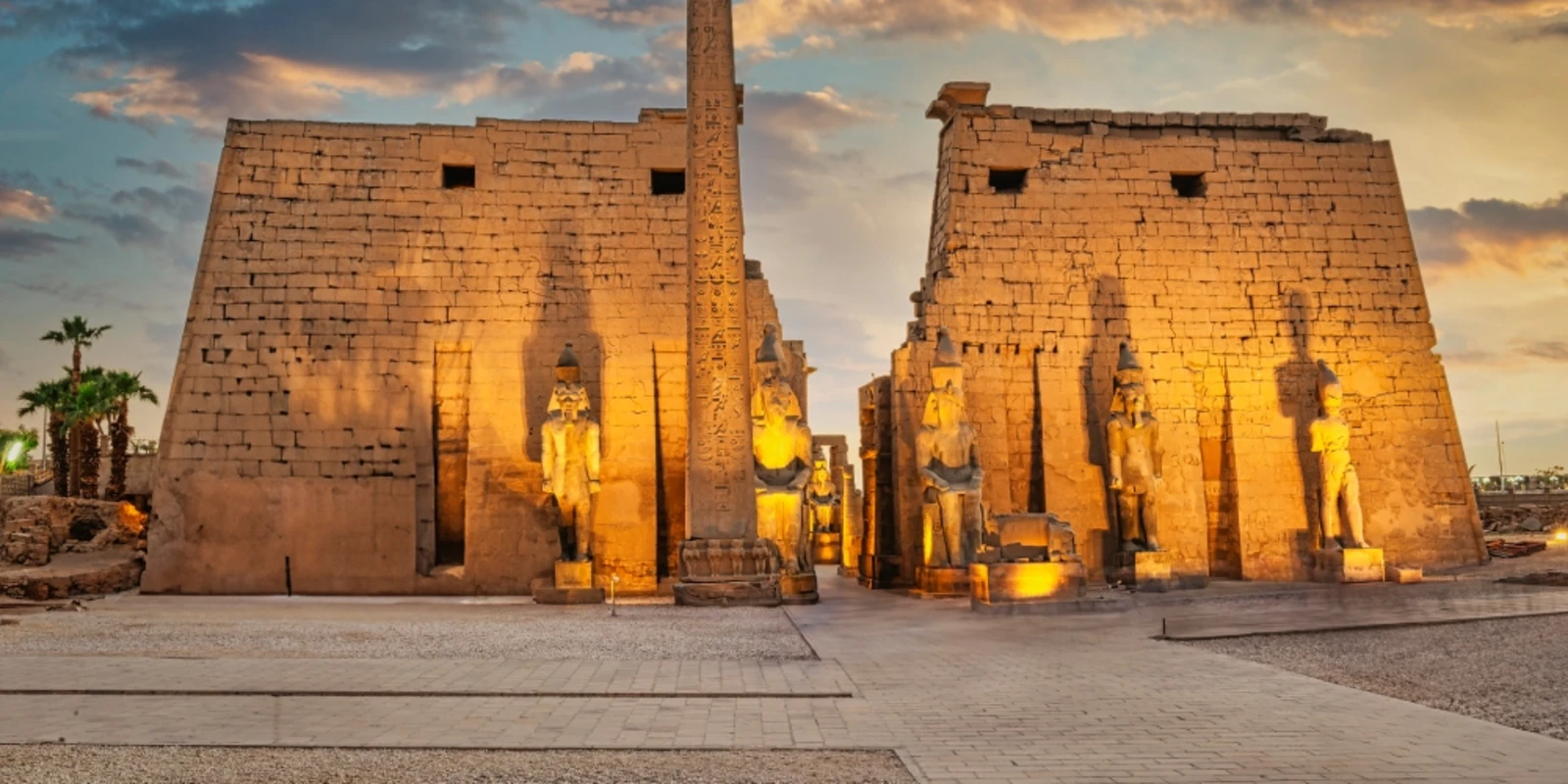
Luxor is not just another stop on an Egypt itinerary—it is an open-air museum on a scale that few places on Earth can match. For families, it offers something rare: a chance for children to step directly into the world of ancient pharaohs, where towering temples, hidden tombs, and carved hieroglyphs turn history into something real and unforgettable.
But Luxor is also demanding. The climate can be intense, distances between sites are significant, and the archaeological scale can overwhelm younger travelers without the right pacing. A successful family trip here is not about seeing everything—it is about choosing the right experiences, at the right time, in the right way.
This guide breaks down exactly how to make Luxor work for families: when to go, where to stay, what to prioritize, and how to keep kids engaged in one of the most historically rich places in the world.
Planning Your Family Trip to Luxor
Timing is everything in Luxor. The difference between a magical experience and a draining one often comes down to the season you choose.
The most comfortable months for families are from October to April, when temperatures are mild enough to explore outdoor sites without exhaustion. This is when walking through temples, climbing ancient pathways, and exploring tombs becomes genuinely enjoyable for children.
Winter months bring the most stable weather, but also more visitors. Popular sites can feel busy, especially around holidays, so planning ahead is essential if you are traveling during this period.
For a more balanced experience, spring and autumn shoulder seasons offer an excellent middle ground. These months often combine manageable temperatures with fewer crowds, giving families more breathing space at major attractions.
Summer months are generally not recommended for family travel. The extreme heat can limit outdoor exploration and reduce energy levels, especially for younger children.
How to get to Luxor
Families typically reach Luxor in three ways:
By air: The fastest option, with short domestic flights connecting major Egyptian cities to Luxor.
By train: A slower but scenic journey that many children enjoy, especially overnight services that add an element of adventure.
By road: Private vehicles or long-distance coaches connect Luxor with Red Sea resorts and other cities. This option is flexible but best suited for older children.
What to expect throughout the year
Luxor has a predictable rhythm shaped by tourism seasons:
- Peak season brings livelier sites and more organized tours
- Shoulder seasons offer quieter exploration and smoother pacing
- Hot months require strict early-morning scheduling and indoor breaks
Families who succeed in Luxor are those who adapt their daily rhythm to the environment rather than forcing a packed itinerary.
Where to Stay and Eat in Luxor with Kids
East Bank vs West Bank: choosing the right base
Luxor is divided by the Nile, and each side offers a completely different family experience.
The East Bank is lively, modern, and convenient. It has easier access to restaurants, services, and transport connections. This side is ideal for families who prefer comfort, variety, and shorter travel times between attractions.
The West Bank is quieter and more traditional. It offers a slower pace, rural scenery, and a stronger sense of local life. Families staying here often enjoy a calmer atmosphere away from city movement.
Both sides work well—it depends on whether your family prefers convenience or tranquility.
Family-friendly stays
The most suitable family accommodations in Luxor typically share a few key features:
- Spacious family rooms or connecting layouts
- Swimming pools for midday breaks
- Quiet areas for rest between sightseeing
- Easy access to either Nile crossings or major attractions
A good hotel choice is not just about sleeping—it becomes a recovery space between adventures.
Where families can eat comfortably
Luxor offers a mix of traditional and international dining options. Families tend to enjoy:
- Restaurants serving simple grilled dishes and rice-based meals
- Rooftop spots overlooking temples or the Nile
- Small local eateries with relaxed atmospheres
- Quick street food options like falafel and fresh bread
Children usually adapt well to Egyptian food thanks to its familiar flavors and fresh ingredients.
Getting around Luxor
Transportation in Luxor is part of the experience:
- Ferries across the Nile are a scenic and simple way to move between banks
- Taxis are widely available and best used with clear agreements before departure
- Microbuses offer local-style transport for short distances
- Many families combine transport options depending on the day’s plan
Short distances can feel longer in the heat, so planning routes carefully is important.
Things to Do in Luxor Egypt That Work for Kids
1- Valley of the Kings: turning history into adventure
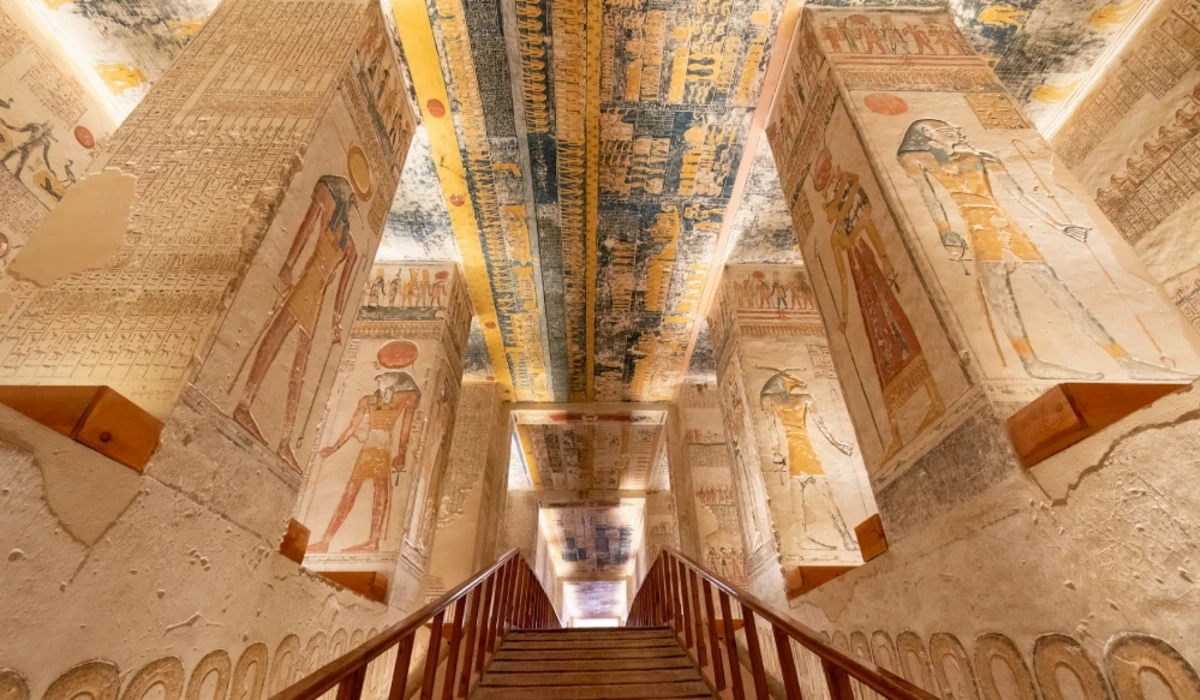
The Valley of the Kings is often the highlight of a family trip. Instead of reading about ancient rulers, children walk directly into their burial chambers.
Inside the tombs, walls are covered in vivid artwork telling stories of gods, journeys, and the afterlife. Many children are fascinated by the colors, symbols, and hidden passageways.
Some tombs are more suitable for families than others, and focusing on a small selection helps prevent fatigue. The experience of descending into the desert rock leaves a lasting impression on most young visitors.
2- Karnak Temple: exploring a stone city
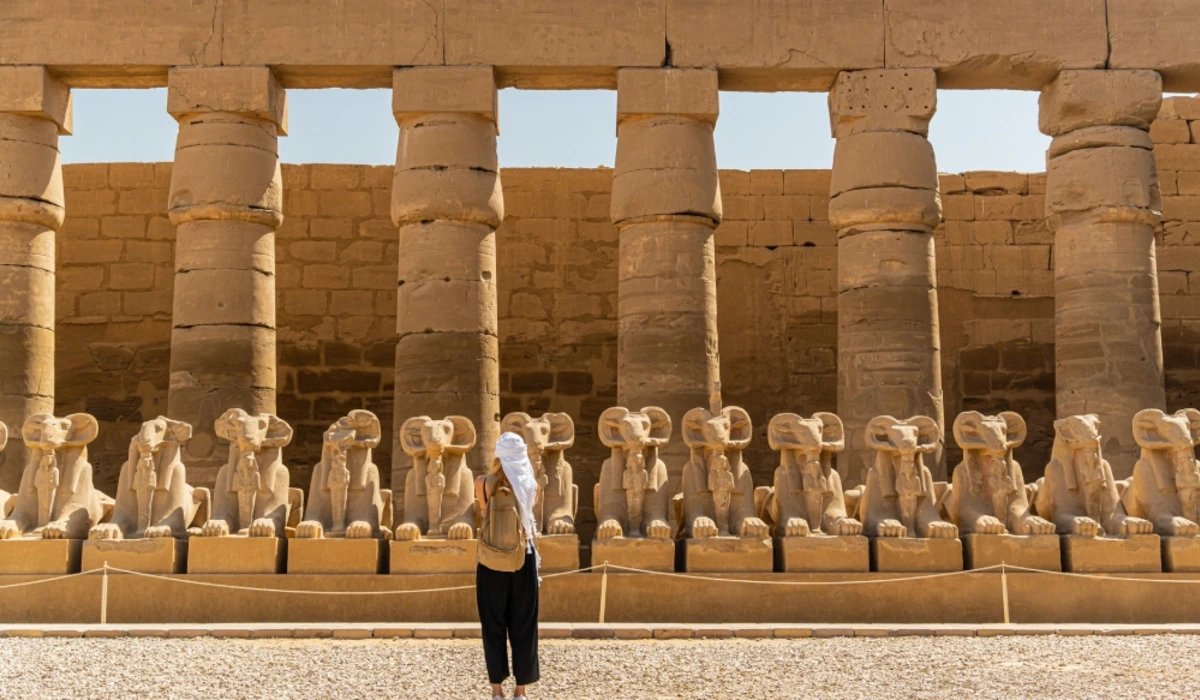
Karnak is massive—more like a city than a single temple.
Its towering columns and endless courtyards create a sense of scale that children rarely experience elsewhere. The Hypostyle Hall, with its forest of stone pillars, is especially memorable.
The best way to explore Karnak with kids is to turn it into a discovery game—looking for symbols, statues, and hidden carvings along the way.
3- Luxor Temple: magical at sunset
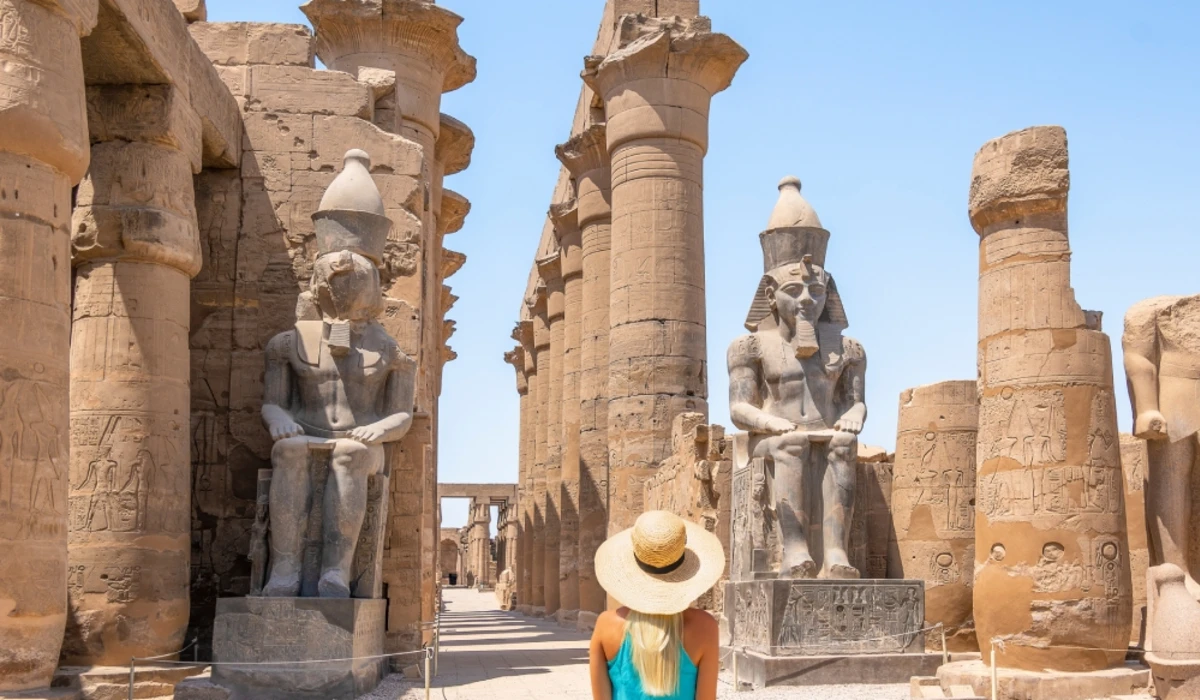
Unlike Karnak, Luxor Temple feels more compact and atmospheric.
As the sun sets and lighting begins to glow across the stone, the temple transforms into something almost cinematic. This is often a calmer, more reflective stop that balances out busier sightseeing earlier in the day.
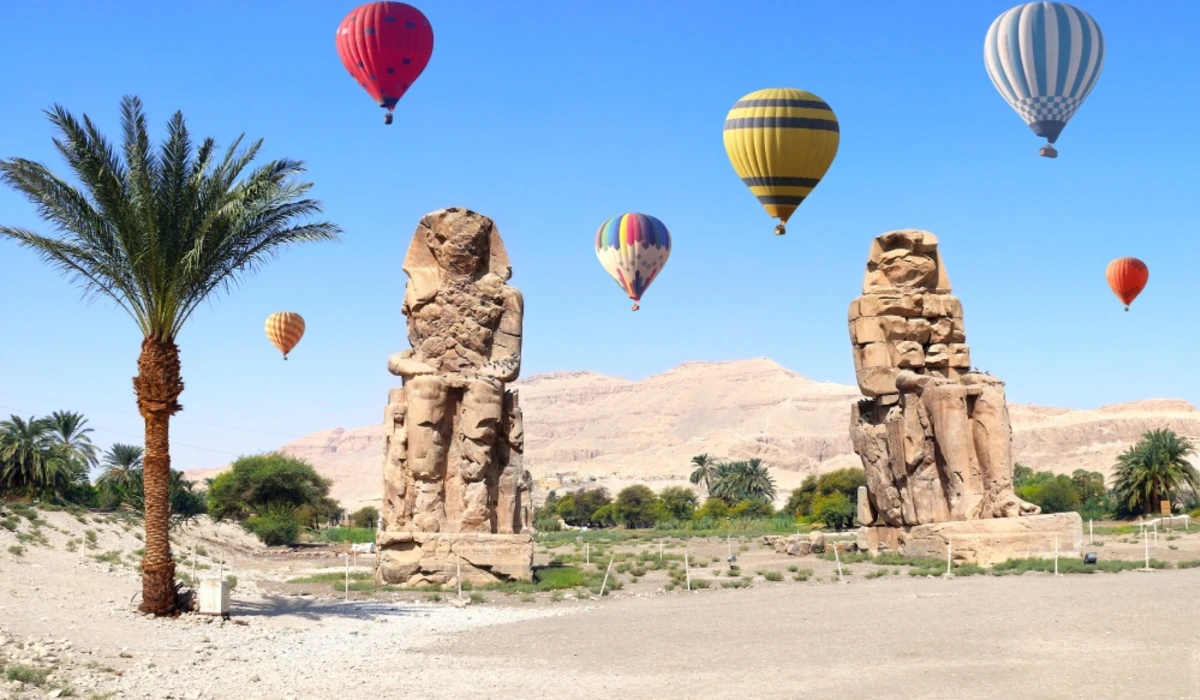
4- Hot air balloon rides over Luxor
For families with older children, hot air balloon rides offer a completely different perspective of Luxor.
Floating above the Nile at sunrise reveals temples, fields, and desert landscapes in one sweeping view. The experience is peaceful, but requires early mornings and comfort with heights.
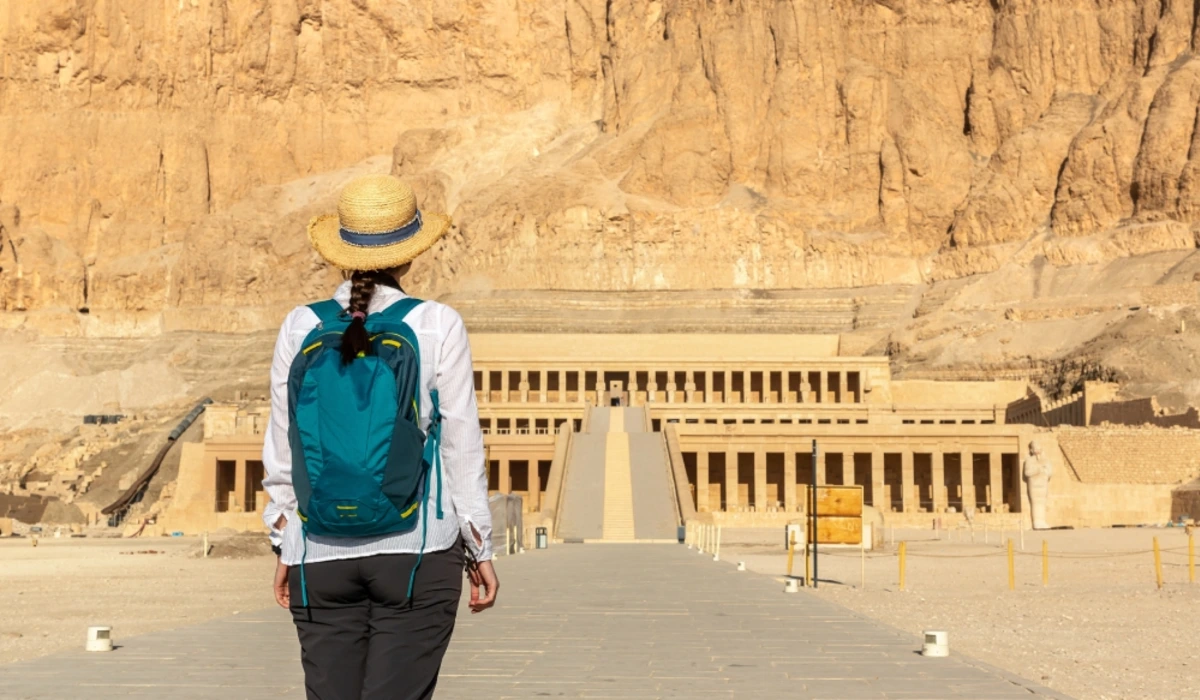
5- Temple of Hatshepsut and the West Bank
Built into dramatic cliffs, this temple tells the story of one of Egypt’s most powerful female rulers.
Its terraced design makes it easy to explore, and shaded areas offer relief from the sun. Children often enjoy the story of the queen who ruled as a pharaoh in disguise.
Nearby, the Colossi of Memnon provide a quick but impressive stop—massive statues that instantly capture attention.
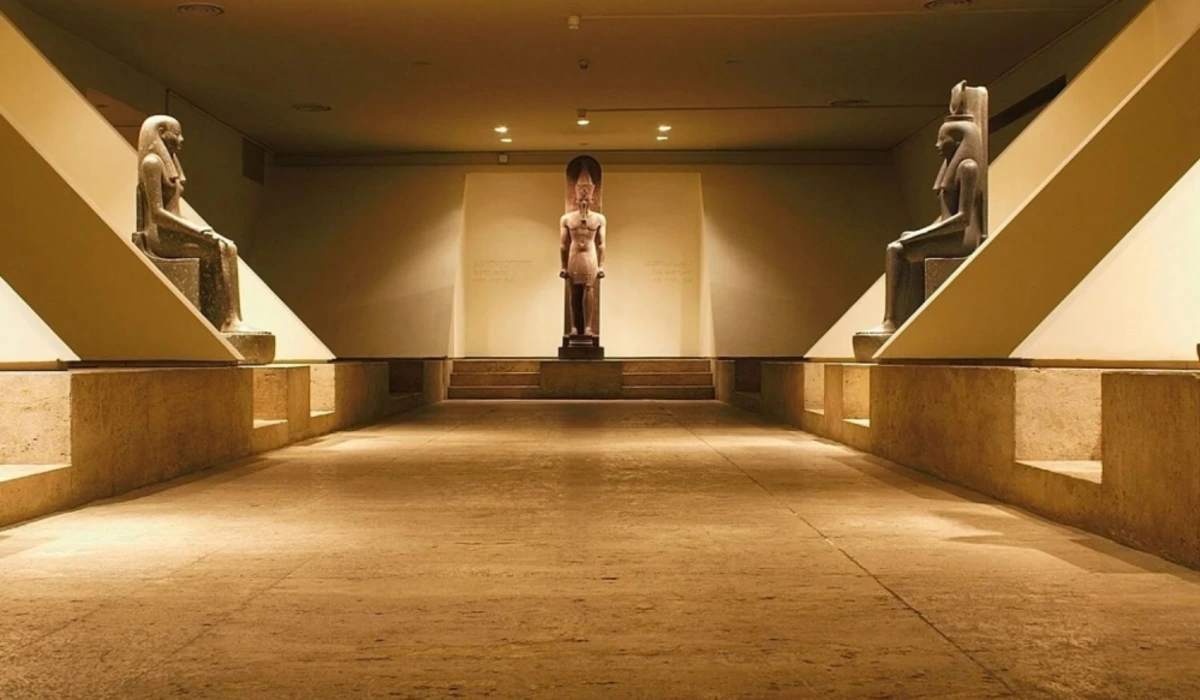
6- Luxor Museum: a calm indoor break
The Luxor Museum offers a quieter experience compared to outdoor sites.
It is ideal for cooling down, slowing the pace, and giving children a more interactive introduction to ancient artifacts in a controlled environment.
Essential Tips for Visiting Luxor with Kids
Early mornings are your best friend in Luxor. This is when temperatures are lowest and sites are most comfortable.
Midday is best reserved for rest, indoor visits, or pool time. Pushing through heat-heavy hours often leads to tired, overwhelmed children.
Hydration, light clothing, and regular breaks are essential—not optional.
Keeping kids engaged
Luxor works best when treated like a story rather than a checklist.
Children respond well to:
- Storytelling about pharaohs and gods
- Treasure-hunt style exploration
- Short, focused visits instead of long tours
- Interactive guides who adapt explanations
Handling crowds and attention
Major sites can feel busy, especially during peak hours.
Simple strategies help:
- Start early
- Keep group movement steady
- Use guides when needed
- Set expectations with children before arrival
Why downtime matters
One of the biggest mistakes families make in Luxor is over-scheduling.
Hotels with pools or quiet spaces are not a luxury—they are part of the experience. Downtime allows children to reset so they can actually enjoy the next adventure.
Conclusion
Luxor is not an easy destination, but it is one of the most rewarding for families who plan thoughtfully. It transforms history from something read in books into something children can physically walk through, touch, and imagine.
With the right timing, a balanced itinerary, and space for rest, Luxor becomes more than a trip—it becomes a shared family story shaped by ancient temples, desert light, and unforgettable discoveries.
Is Luxor suitable for children?
Yes, especially for families who plan short visits to major sites and include rest breaks. Children often enjoy tombs, statues, and storytelling-based tours.
How many days should a family spend in Luxor?
Two to three days is usually ideal. This allows time to see major East and West Bank attractions without rushing.
What is the best way to explore Luxor with kids?
A mix of guided tours and flexible free time works best. Guides help bring history to life, while free time allows rest and adjustment.
Is Luxor too hot for kids?
It can be during summer months. Cooler seasons are much more comfortable and suitable for outdoor exploration.
Do children get bored at temples?
Not if the visit is well-paced. Short visits, storytelling, and interactive guides keep most children engaged.
Is it safe to travel around Luxor with a family?
Yes, Luxor is a well-visited tourist destination. Standard travel precautions and guided experiences make it comfortable for families.
Should we stay on the East or West Bank?
Both work well. The East Bank is more convenient, while the West Bank is quieter and more relaxed.
Are guides necessary in Luxor?
Not mandatory, but highly recommended for families to enhance storytelling and reduce logistical stress.
What should kids wear in Luxor?
Light, breathable clothing, comfortable shoes, hats, and sun protection are essential.
How do families avoid fatigue during sightseeing?
By starting early, taking midday breaks, limiting site overload, and returning to a hotel with rest facilities.


Join the discussion