



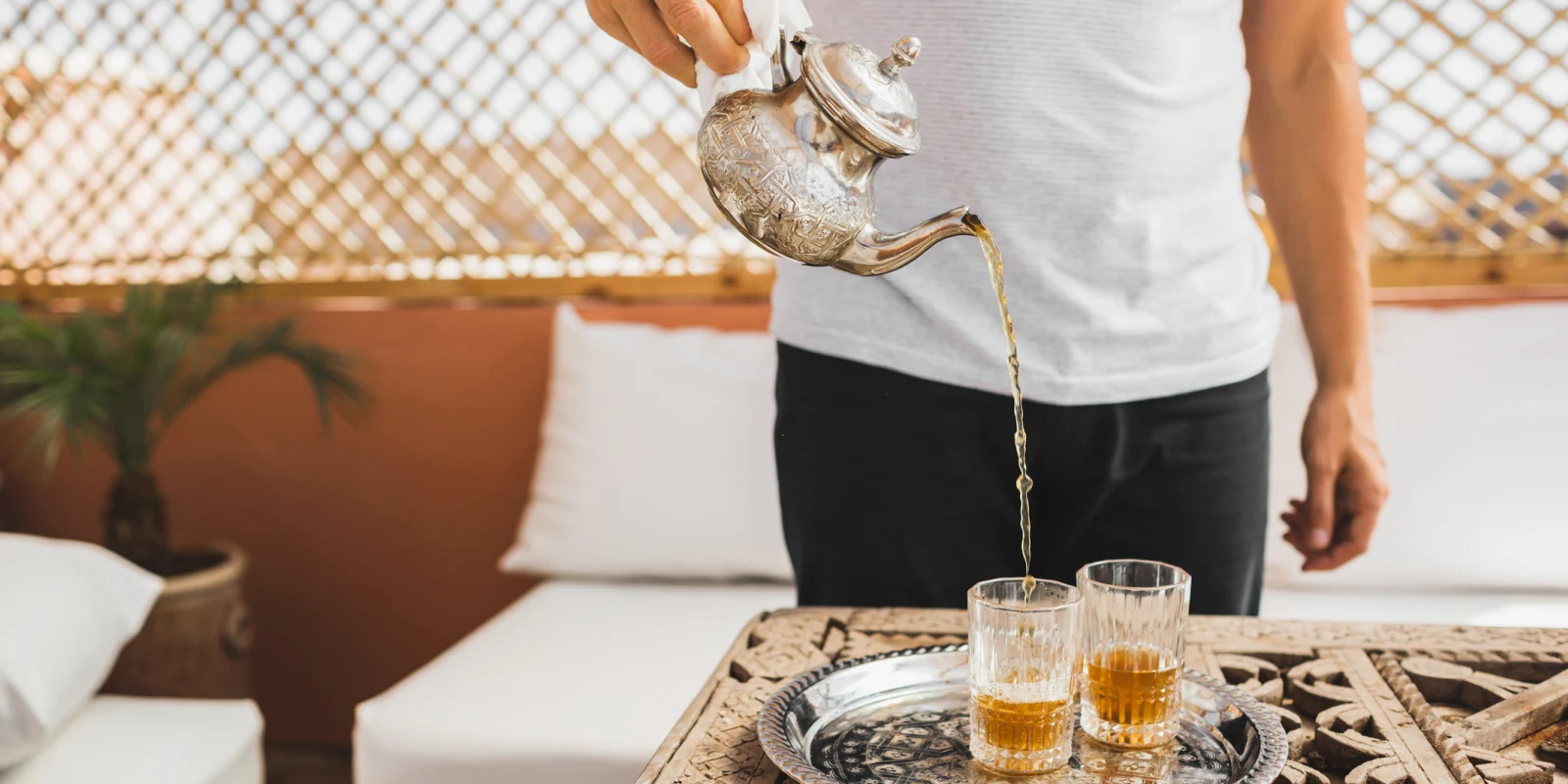
Tea is more than a drink, it is a whole culture, a ritual, a conversation, and a way of life in countless corners of the world. Drinking tea is not merely something we do to quench our thirst; it is an entire moment in itself. Imagine gathering with family around a steaming pot, or stepping out with friends to a tea house buzzing with laughter and chatter. Tea is the very definition of hospitality in many societies, the first thing offered to a guest, the last thing shared at the end of a long day.
While coffee may claim the title of the world's most beloved beverage, tea is something far more personal. It carries the identity of a place, its soil, its people, its history, and its heart. It tells you more about a destination and its locals than any guidebook ever could.
Here are the destinations where tea is not just something you drink, it is something you experience, and how exploring their tea traditions can transform the way you travel.
Egypt: Where Tea is a Daily Ritual
How They Drink It
In Egypt, tea — or shai — is not simply a drink. It’s a daily ritual, a quiet companion woven into the fabric of life.
It’s brewed strong and dark, poured into small glass cups, sweetened generously, and often topped with fresh mint. Though served hot, Egyptians drink it in both summer and winter. The heat doesn’t matter. Tea is comfort, and comfort has no season.
Traditionally made with loose leaves, today tea bags are common for convenience, but the love for strong tea remains. From children watching it steam in their parents’ hands to workers relying on it through long shifts, tea belongs to everyone, regardless of age, class, or gender. It quietly unites the country.
A Drink That Became Egyptian
Tea arrived in Egypt in the 19th century, during a period of expanding trade and foreign influence. But over time, it stopped feeling imported.
While coffee has its own space in the culture, tea feels more constant. Coffee wakes you up; tea stays with you. It stretches conversations, softens silences, and makes long evenings feel warmer. It’s simple, affordable, and always ready, much like Egyptian hospitality itself.
The Cultural Heart of Tea
Refusing tea can feel like refusing connection. Street-side ahawi are gathering spots for backgammon, debate, and laughter. Sit down with a glass, and you’re no longer a stranger.
-
Koshary Tea: Strong and Unapologetic
“Koshary tea” is bold and deeply brewed, intensely sweet and full of character. It’s the tea of workers, of late nights, of laughter echoing through narrow streets. It doesn’t whisper — it declares itself.
-
Sa‘idi Tea: The Spirit of Upper Egypt
In Upper Egypt, tea becomes even stronger, even sweeter. Known as Sa‘idi tea, sugar is often added directly into the boiling water, creating a thick, almost syrupy richness.

Morocco: The Theater of Mint Tea
How They Drink It
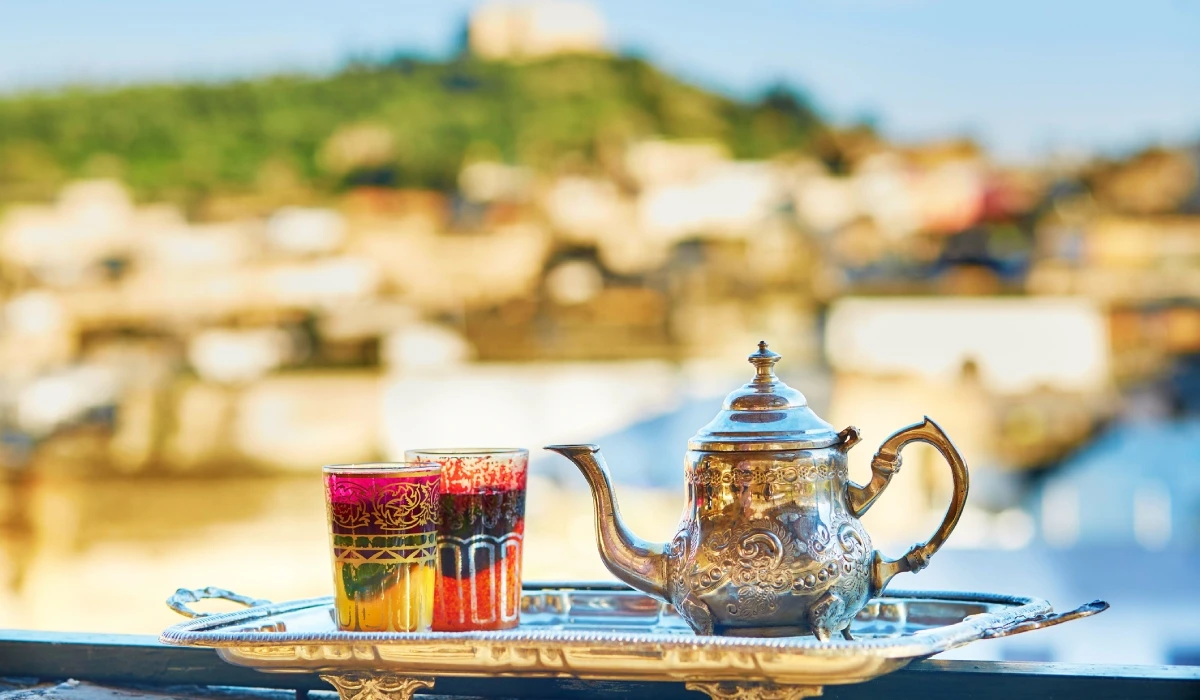
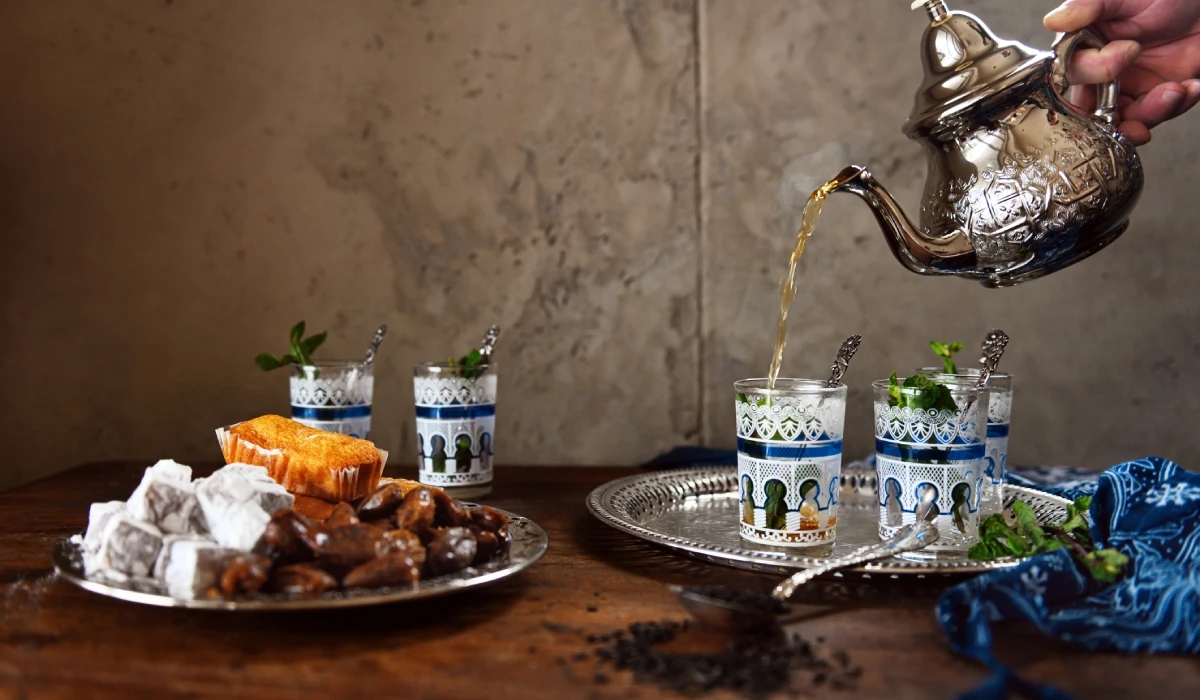
Moroccan mint tea, or 'atay,' is a performance as much as it is a drink. Brewed from Chinese gunpowder green tea, an abundance of fresh spearmint, and generous amounts of sugar, it is poured dramatically from a great height to create a frothy top, a technique both practical and theatrical. It is served in ornate, hand-painted glasses, often three cups per sitting. Moroccans say the first glass is as bitter as life, the second as strong as love, and the third as gentle as death.
The Moroccan Tea Ceremony
Preparing mint tea is a ritual of patience and precision. The host rinses the tea leaves, balances mint and sugar carefully, and pours with steady confidence. The repeated pouring between pot and glass blends the flavors and builds the signature foam. This ceremony is not rushed. It signals that time has slowed.
The Cultural Significance
In the medinas of Marrakech, Fes, and Chefchaouen, you will find tea-makers behind intricate brass trays, carrying on a tradition that has been passed down for centuries. For the traveler, sharing a pot of atay with a rug merchant or a host family is a deeply intimate window into Moroccan warmth.
-
Atay bil Na'na: The Classic
Spearmint and gunpowder green tea, poured from great heights. The iconic version most visitors taste first, unforgettable.
-
Atay bil Louiza: The Subtle Sister
Verbena (louiza) replaces or blends with mint in some northern homes. Lighter, floral, and delicate, a quieter, beloved version.
Turkey: Tea as a Way of Being
How They Drink It
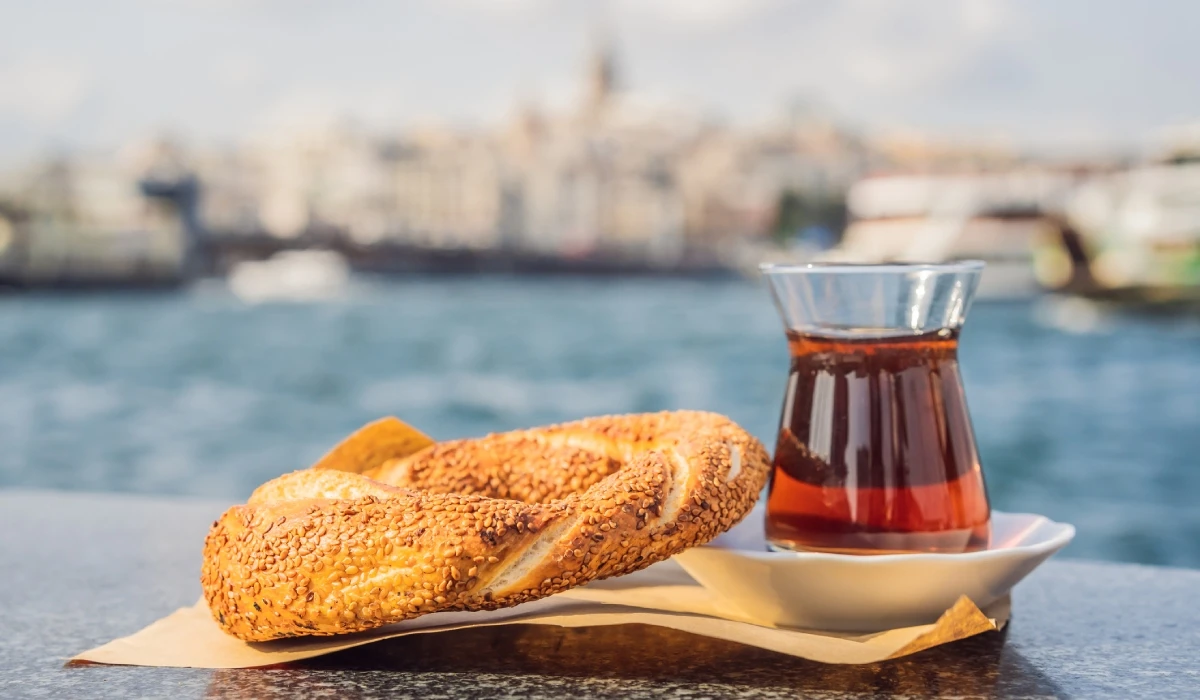
Turkey is one of the world's largest consumers of tea per capita, and the Turkish commitment to 'çay' is near-total. Brewed in a distinctive double-stacked teapot called a 'çaydanlık,' Turkish tea is a concentrated black brew diluted with hot water and served in iconic tulip-shaped glasses without handles. It is always drunk without milk and typically with one or two sugar cubes on the side. The color, a deep amber-red, is as important as the taste.
A Country Built Around a Glass
Tea only arrived in Turkey in the early 20th century, replacing coffee after economic pressures made importing beans difficult. But Turks adopted it with such passion that it now feels ancient.
The Cultural Significance
In Istanbul and beyond, tea is offered everywhere: in carpet shops, ferry terminals, barbershops, and offices. Refusing it is almost unthinkable. The 'çay bahçesi' (tea garden) is a beloved institution where Turks of all ages gather to relax, read newspapers, play cards, or simply watch the world pass by. Turkey's Black Sea coast, particularly the Rize region, is where most of the country's tea is grown, rolling green hills that resemble an unlikely slice of the tropics, and a must-visit for any tea enthusiast.
-
Rize Tea: The Source
Almost all Turkish tea comes from the lush, misty hills of Rize on the Black Sea. Every glass in the country begins here.
-
Elma Çayı: The Apple Tea Myth
Apple tea isn’t traditional, it was created for tourists. Locals drink black çay, though elma çayı is sweet, warm, and part of the story now.
United Arab Emirates: Karak and Tradition
How They Drink It
In the UAE, tea culture blends local Bedouin tradition with influences from South Asia. 'Karak chai', has become the unofficial national brew of everyday life. Traditional 'gahwa,' though technically a spiced coffee, is often accompanied by herbal teas served during formal occasions.
The Cultural Significance
Tea in the UAE bridges the gap between its deeply rooted Bedouin hospitality and its modern cosmopolitan identity. Offering tea, particularly saffron-infused or cardamom tea, to guests is a mark of honor and respect. In the older quarters of Dubai and Abu Dhabi, you will still find traditional 'majlis' gatherings where tea flows freely alongside conversation. For the traveler, sipping karak from a roadside stall is one of the most unpretentious and authentic experiences the Emirates has to offer.
-
Karak Chai: The Soul of the Street
Milky, cardamom-forward, and lightly sweet, karak chai fuels the UAE. Sharing a cup at dusk is a quietly beautiful local experience.
-
Zafaran Tea: Saffron and Ceremony
Saffron tea, lightly sweetened, is served at formal gatherings. Its golden color and warmth reflect centuries of tradition and generosity.

Saudi Arabia: The Spiced Welcome
How They Drink It
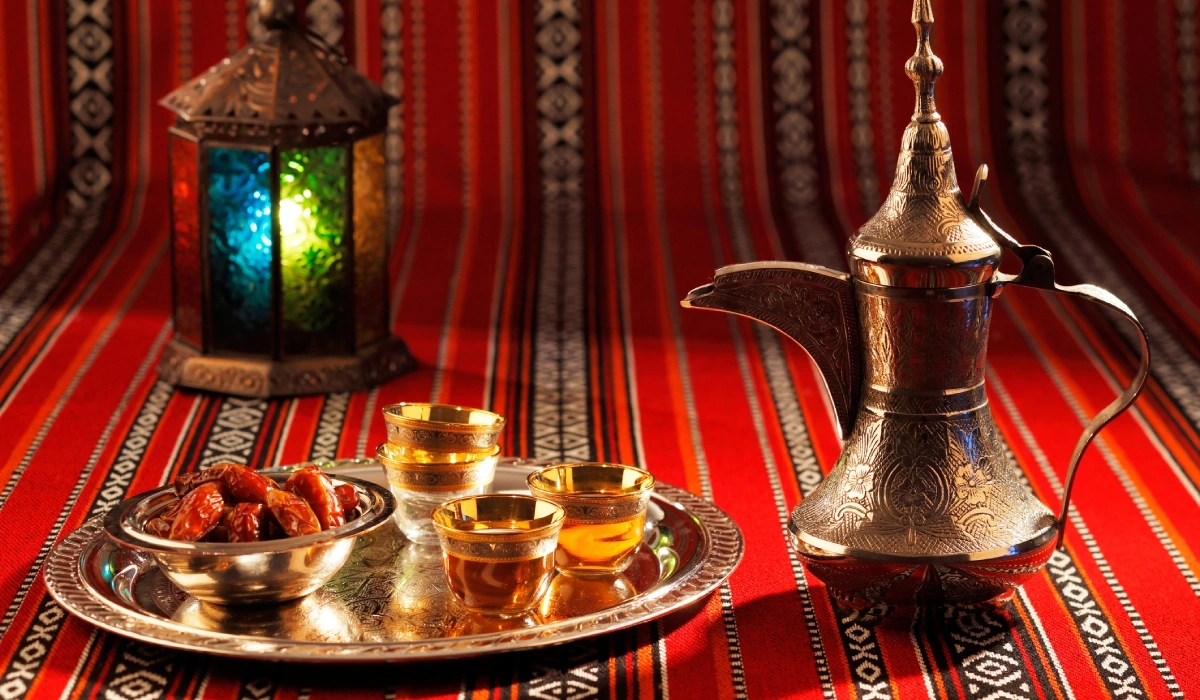
Saudi tea culture is rich with spice and symbolism. 'Shai al-arabi,' a light, amber-colored tea, is a staple of Saudi hospitality. It is often served without milk in small handle-less cups alongside dates.
The Cultural Significance
In Saudi Arabia, tea is at the heart of diyafa, or generous hospitality. It is offered first to guests and last before farewell. Tea in the majlis (the traditional reception room) fosters storytelling, negotiation, and bonding. For travelers, sharing tea with a local is an intimate glimpse into one of the region’s oldest traditions of generosity.
-
Shai Al-Arabi: The Golden Cup
Cardamom, saffron, and cloves in a pale cup, tea as ceremony. Slow sips in a quiet majlis make for a peaceful, welcoming moment.
-
Shai bil Na'na: Mint in the Desert
Fresh mint tea, popular in warmer months and southern regions, is lighter and refreshing, desert comfort in every sip.
Kenya: Africa's Quiet Tea Giant
How They Drink It
Kenya is one of the world's top three tea producers, yet its tea culture remains one of the least known internationally. Kenyans drink 'chai' in the South Asian style, tea brewed directly with milk, water, sugar, and often spices like cinnamon and ginger, all simmered together in a pot. It is thick, warming, and deeply satisfying, consumed morning and evening as a daily ritual in homes across the country.
The Cultural Significance
Tea in Kenya is a social leveler. From Kericho’s vast highland estates to Nairobi’s kitchens, chai is shared with neighbors, visitors, and after Sunday church. Kericho’s rich soil and rainfall produce some of the world’s finest black teas. For travelers, visiting the estates and sharing a cup with local pickers reveals tea as a living, breathing tradition.
-
Kericho Gold: Kenya's Finest
From the heart of Kenya’s tea country, Kericho teas are bright, bold, and amber-hued, holding their character even with milk. Visiting the misty estates at dawn is unforgettable.
-
Spiced Chai: The Morning Ritual
Kenya’s home chai, rich with milk and spices, is about warmth and togetherness, the tea of families, shared mornings, and life lived slowly.
Sri Lanka: Where Tea is Born
How They Drink It
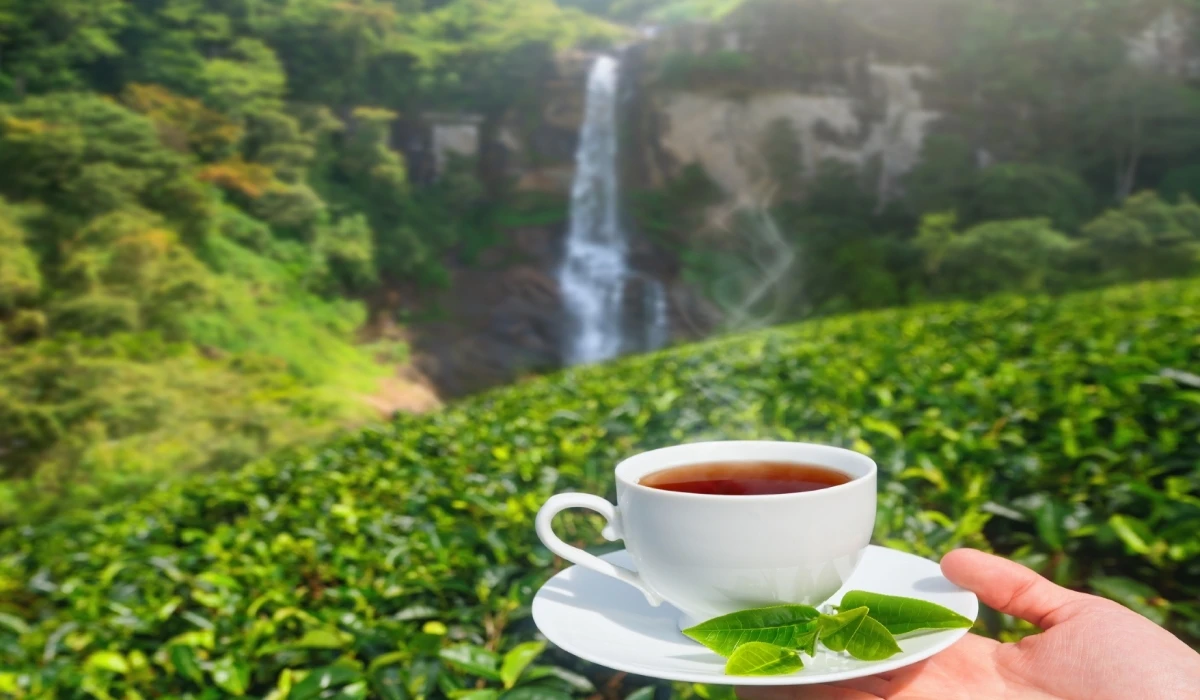
Sri Lanka — formerly Ceylon — is one of the world's most famous tea producers, and its teas are celebrated globally for their bright, brisk flavor. Locally, tea is drunk plain or with milk and sugar, often several times a day. The 'Ceylon tea' experience varies by elevation: teas from Nuwara Eliya are light and floral, while those from Dimbula and Uva are fuller and more robust. Roadside tea shops serve it piping hot in small glasses for a few cents.
A History Written in Leaves
Tea arrived in Sri Lanka in the 1860s, replacing a coffee industry devastated by disease. James Taylor planted the first commercial estate in Kandy, and soon the island’s highlands were covered in tea plantations. This transformation shaped the economy, and the landscape. Today, Sri Lanka is a leading tea exporter, and tea remains more than an industry, it is a source of national pride.
The Cultural Significance
To visit Sri Lanka's Hill Country, the train from Kandy to Ella winding through mist-shrouded estates, women in bright saris plucking leaves by hand, the smell of processing factories drifting across the valleys, is to understand that tea here is inseparable from place. The cup you hold contains the mountain, the rain, and the hands that picked it.
-
High-Grown Nuwara Eliya: The Champagne of Ceylon
Grown above 6,000 feet, Nuwara Eliya teas are pale, delicate, floral, and crisp. The cool mountains concentrate flavor for an exquisitely refined cup.
-
Low-Country Ruhuna: Bold and Full
From the warmer lowlands, Ruhuna teas are dark, bold, and full-bodied, rich in color and character, perfect for everyday Sri Lankan cups.
India: The Great Chai Nation
How They Drink It
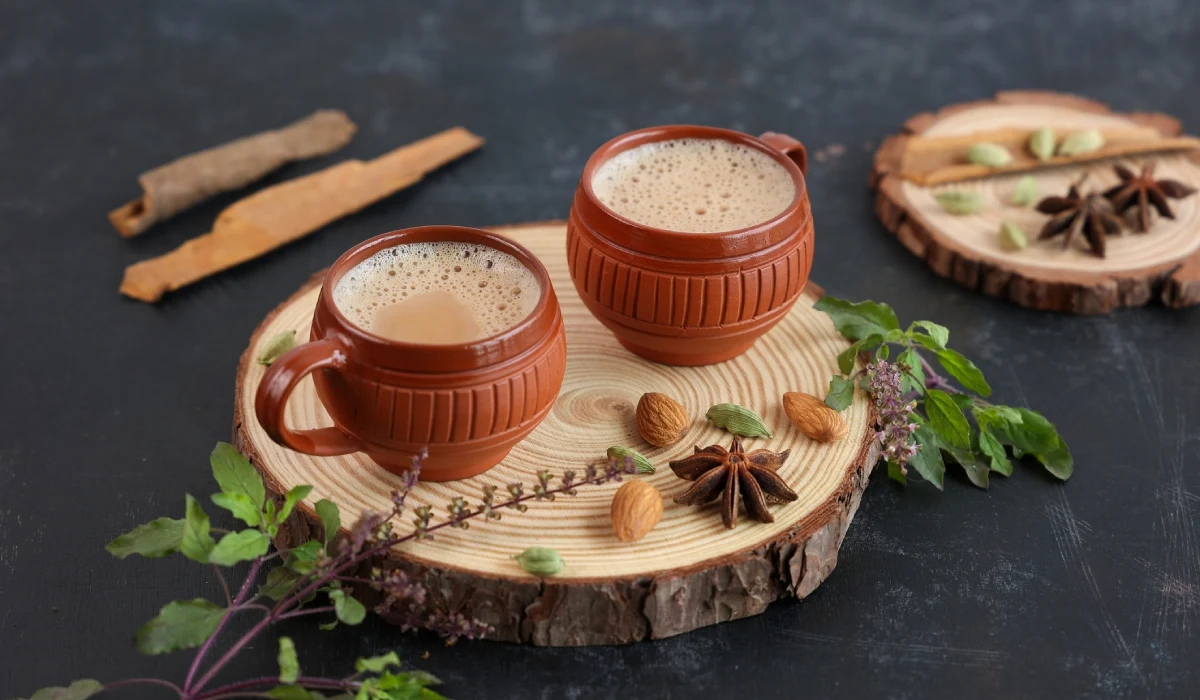
No country on earth has a more passionate relationship with tea than India. 'Chai', spiced milk tea brewed with ginger, cardamom, cloves, cinnamon, and black pepper, has become an international icon, but drinking it in India is something else entirely. 'Chaiwallahs,' the ubiquitous tea sellers, brew their steaming concoctions at railway stations, street corners, and market entrances, pouring the frothy liquid into clay cups or small glasses with a theatrical flourish.
The Cultural Significance
In India, chai is the thread that stitches together daily life. It bridges class divides, breaks the ice between strangers, and marks every pause in the working day. Tea tourism in Darjeeling and Assam is a growing industry, offering travelers the chance to walk the estates, learn the art of tasting, and understand why India's tea is considered among the finest in the world.
-
Cutting Chai: Small, Bold, and Perfect
A half-glass of strong, milky tea, cutting chai is Mumbai’s everyday ritual. Sweet, intense, and sipped standing, a quick taste of the city.
-
Kashmiri Noon Chai: Pink and Surprising
In Kashmir, noon chai blends salt, milk, and spices into a creamy pink brew. Savory, warming, and unexpected, perfect for cold mountain mornings
Tea is the world’s most universal language, asking only that you slow down and be present. On your next journey, let tea guide you, from teahouses to street stalls, family kitchens to mountain estates. Drink what the locals drink, wrap your hands around the cup, listen, and discover a country’s story and its warm welcome in every sip.
FAQs
1. What is tea culture, really?
Tea culture is more than just drinking tea, it’s the rituals, traditions, and stories that surround it. You’ll see how every country has its own way of brewing, serving, and sharing tea, from formal ceremonies to casual street cups.
2. How can I experience tea culture when I travel?
You can dive in by visiting local tea houses, joining ceremonies, or even sitting with locals over a cup of tea. Watch, ask questions, and let the tea guide your connection with the culture.
3. Which countries are best to explore through tea culture?
Egypt, Morocco, Turkey, India, Sri Lanka, Kenya, Saudi Arabia, and Vietnam are just a few. Each has unique teas, rituals, and stories, from mint tea in Morocco to chai in India.
4. I love coffee — can tea really give the same experience?
Absolutely! Tea isn’t about caffeine alone, it’s about slowing down, sharing, and connecting. You’ll discover flavors, aromas, and rituals that tell you about the people and place more than coffee can.
5. Why do some countries serve tea so strong and sweet?
It’s tradition and taste. For example, in Egypt or Kenya, strong, sweet tea is a social glue, it’s comforting, energizing, and a way to welcome guests into your space.
6. Are tea traditions different for different regions in the same country?
Yes! In Morocco, you have mint tea everywhere, but northern homes may prefer verbena (“louiza”). In Turkey, Rize teas are classic black, while apple tea is a tourist twist. Paying attention to these differences enriches your travel experience.
7. How can I make tea culture part of my own travels?
Approach it with curiosity. Visit markets, sip tea in street stalls, or join a local tea ceremony. Ask about their rituals, learn the stories, and let every cup give you insight into the culture around you.
Join the discussion