



-
Understanding the Egyptian Festival Calendar
-
Islamic Festivals in the Egyptian Festival Calendar
-
Coptic Christian Festivals in the Egyptian Festival Calendar
-
Ancient Egyptian Festivals Still Celebrated
-
Modern Festivals in the Egyptian Festival Calendar
-
Regional and Local Festivals
-
Practical Festival Calendar Tips
-
FAQs
Understanding the Egyptian Festival Calendar
The Egyptian festival calendar lets travelers experience Egypt beyond monuments, offering immersive cultural encounters through ancient, religious, and modern celebrations. From Ramadan nights and Abu Simbel sun alignments to Coptic festivals and Red Sea music events, festivals provide authentic insights into Egyptian life, hospitality, and traditions. Planning your trip around these events transforms sightseeing into meaningful cultural experiences.
Understanding the Egyptian Festival Calendar
Three Festival Traditions
The Egyptian festival calendar reflects Egypt's complex cultural identity, blending three distinct traditions:
Islamic Festivals: Following the lunar Hijri calendar, Islamic celebrations shift approximately 11 days earlier each Gregorian year. These include Ramadan nights, Mawlid an-Nabi celebrations, and the spiritual observances that define religious life for Egypt's Muslim majority.
Coptic Christian Festivals: Egypt's Coptic Orthodox minority maintains ancient Christian traditions with festivals following the Coptic calendar. Coptic celebrations preserve Byzantine-era Christianity with unique rituals, music, and traditions found nowhere else.
Ancient Egyptian Festivals: Remarkably, some festivals dating to pharaonic times continue in modified forms—most notably the Abu Simbel Sun Festival and Sham el-Nessim spring celebration, connecting modern Egypt to its ancient past.
Modern Cultural Events: Contemporary Egypt has added arts festivals, music events, and cultural celebrations attracting international visitors and showcasing Egypt's creative renaissance.
Islamic Festivals in the Egyptian Festival Calendar
Islamic Festivals in the Egyptian Festival Calendar
1. Ramadan Nights: The Ultimate Cultural Experience
When: Ramadan 2026 approximately February 17 - March 18 (confirmed via moon sighting)
What makes it special:
While daytime Ramadan brings fasting and reduced activity, Ramadan nights transform Egypt into a magical cultural experience. After sunset iftar (breaking fast), Egyptian cities explode with life, color, and celebration that continues until dawn. The Egyptian festival calendar holds no more vibrant, authentic cultural experience than Ramadan nights.
What to experience:
- Ramadan decorations: Streets throughout Cairo, Alexandria, and cities nationwide hang colorful fanous (traditional lanterns), lights, and decorations creating enchanting atmospheres. Neighborhoods compete for the most elaborate displays.
- Iftar cannon: Historic tradition of firing cannons at sunset to announce iftar time continues in Cairo and major cities—a thrilling daily ritual.
- Special Ramadan foods: Street vendors sell traditional Ramadan treats unavailable other times: qatayef (sweet filled pancakes), kunafa (cheese pastry), jellab (date drink), and tamarind juice. Trying these delicacies connects you to culinary traditions.
- Ramadan tents: Elaborate tents (khiyam) erected throughout cities serve as venues for family gatherings, charitable iftars feeding the poor, and social celebrations. Some historic Cairo hotels and restaurants create luxurious Ramadan tents serving traditional meals in spectacular settings.
- Late-night shopping and entertainment: Markets stay open until 2-3 AM, streets buzz with activity, cafes overflow with patrons, and the entire country operates on inverted schedules. This nighttime energy creates extraordinary atmosphere.
- Spiritual atmosphere: Evening taraweeh prayers at mosques, particularly historic ones like Al-Azhar or Al-Hussein in Cairo, offer moving spiritual experiences. The sense of communal devotion creates palpable energy.
- Where to experience it: Cairo's historic neighborhoods (Islamic Cairo, Khan el-Khalili), Alexandria's waterfront, Luxor's souqs, and any Egyptian city center.
- Travel considerations: Hotels remain fully operational, tourist restaurants serve food during daytime, and major sites stay open. The cultural richness outweighs logistical inconveniences for many travelers.
When: August 4, 2026 (approximate, lunar calendar dependent)
What makes it special:
Mawlid an-Nabi celebrates Prophet Muhammad's birthday with festivities particularly vibrant in Egypt. The Egyptian festival calendar includes numerous mawlid (saint birthday) celebrations, but the Prophet's mawlid is most significant.
What to experience:
Special sweets called halawet el-mawlid (mawlid sweets) shaped like dolls and horses appear in shops—traditional candies children receive during celebrations. Sufi orders hold religious processions, music performances, and gatherings at major mosques. Cairo's Islamic district becomes carnival-like with street vendors, performers, and celebrations.
Where to experience it: Islamic Cairo, particularly around Al-Hussein Mosque and Khan el-Khalili area.
3. Coptic Mawlids: Saint Celebration Days
Throughout the year, Coptic churches celebrate individual saint days with mawlids similar to Islamic versions. The Virgin Mary's mawlids (she has several throughout the year at different churches) attract massive crowds with all-night vigils, processions, and festivities.
Coptic Christian Festivals in the Egyptian Festival Calendar
1. Coptic Christmas: Ancient Christian Tradition
When: January 7 (fixed date annually)
What makes it special:
Egypt's Coptic Christians celebrate Christmas following the Julian calendar, maintaining traditions dating to Christianity's earliest centuries. The Egyptian festival calendar includes this as both religious observance and cultural celebration.
What to experience:
Coptic Christmas Eve services at historic churches like the Hanging Church in Old Cairo or St. Mark's Cathedral in Alexandria offer experiences of ancient Christian liturgy sung in Coptic (the ancient Egyptian language's descendant). Churches beautifully decorate, congregations dress in finest clothing, and after-service celebrations include traditional foods.
Cultural significance: Witnessing Coptic Christmas reveals Egypt's Christian heritage often overlooked by visitors focusing on Islamic or pharaonic history.
2. Coptic Easter: The Holiest Celebration
When: April 12, 2026 (dates vary annually)
What makes it special:
Coptic Easter surpasses even Christmas in religious importance, with elaborate Holy Week ceremonies leading to resurrection celebrations.
What to experience:
- Palm Sunday processions: Week before Easter sees processions with palm fronds re-enacting Jesus's Jerusalem entry.
- Holy Week services: Daily services building toward Easter, with Thursday foot-washing ceremonies and Good Friday passion readings.
- Easter Vigil: Saturday night services culminating in midnight resurrection announcements, candlelit processions, and joyous celebrations.
- Easter Monday: Following Easter Sunday, Sham el-Nessim (see below) provides secular spring festival both Christians and Muslims celebrate together.
- Where to experience it: Old Cairo's Coptic churches, Alexandria's churches, monasteries in Wadi Natrun or Eastern Desert (advance permission required).
Ancient Egyptian Festivals Still Celebrated
1. Sham el-Nessim: Spring Festival from Pharaonic Times
When: Day after Coptic Easter (April 13, 2026)
What makes it special:
Sham el-Nessim ("smelling the breeze") is Egypt's oldest festival, dating to pharaonic times as an ancient Egyptian spring celebration. Remarkably, this festival survived through Greek, Roman, Islamic, and modern periods, celebrated by all Egyptians regardless of religion—a unique bridge across Egypt's multi-millennial history.
What to experience:
On Sham el-Nessim, Egyptians nationwide head outdoors—parks, Nile riverbanks, beaches, and countryside—for massive family picnics. Traditional foods include fesikh (fermented fish, pharaonic tradition), colored eggs (ancient Egyptian fertility symbols), lettuce, onions, and spring vegetables.
The Egyptian festival calendar holds no more authentically Egyptian celebration—witnessing millions of Egyptians picnicking in parks, gardens, and along the Nile creates unforgettable cultural moments.
Where to experience it: Any Egyptian city's public parks and gardens, Nile corniche areas, Alexandria beaches. Cairo's Al-Azhar Park becomes a sea of picnicking families.
Travel tip: Join the celebration by picnicking Egyptian-style (though skip the fesikh unless you have an iron stomach—it's extremely pungent and an acquired taste).
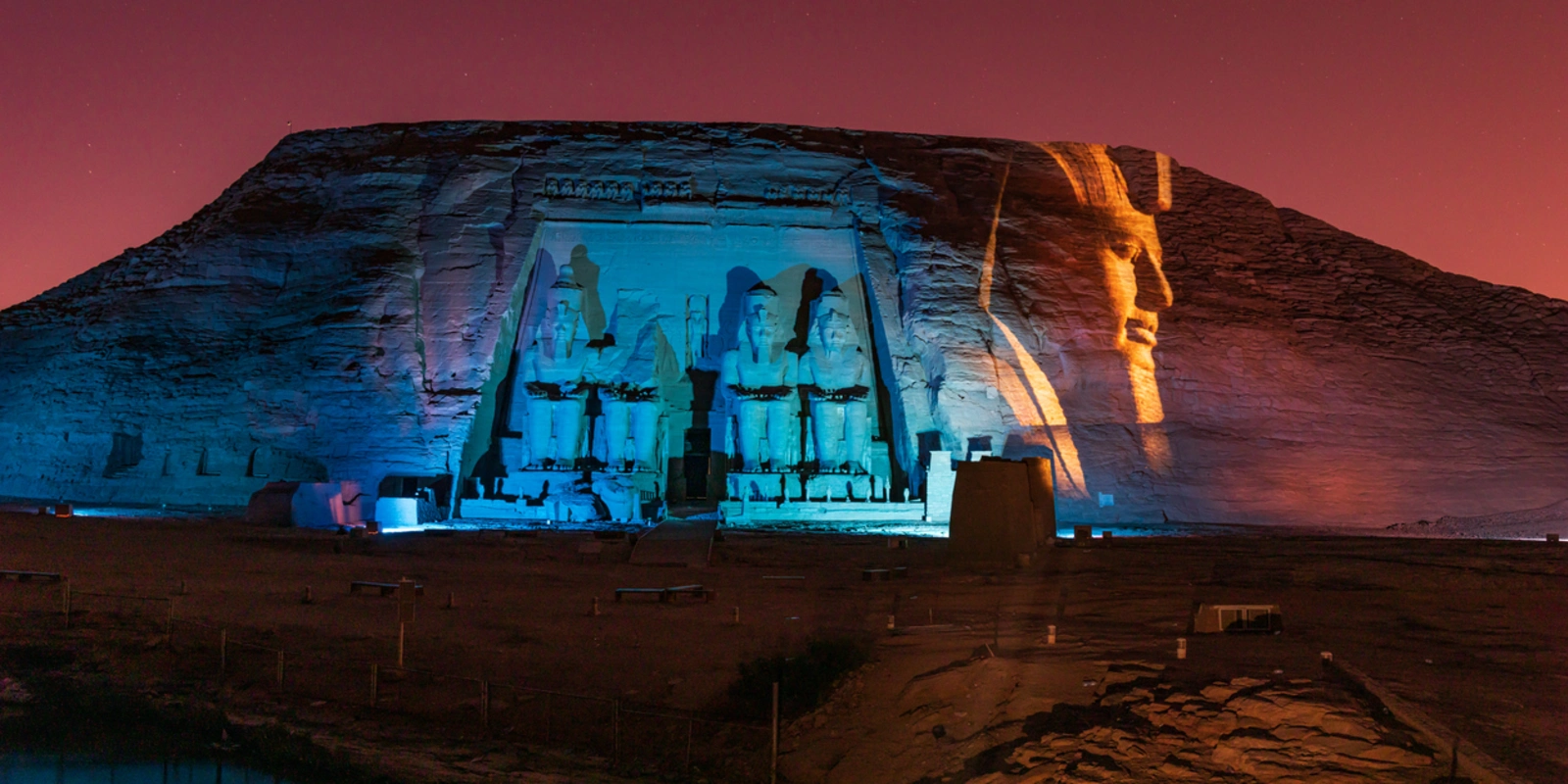
2. Abu Simbel Sun Festival: Ancient Alignment Twice Yearly
When: February 22 and October 22 (fixed dates)
What makes it special:
Twice annually, sunrise illuminates the inner sanctuary of Abu Simbel's Great Temple, lighting statues of Ramesses II, Ra-Horakhty, and Amun while leaving Ptah (associated with darkness) in shadow. This precise alignment, originally timed to ancient Egyptian calendar dates, represents pharaonic architectural genius.
The Egyptian festival calendar designates these dates as major cultural events when thousands gather at Abu Simbel to witness the solar phenomenon at dawn.
What to experience:
Arriving at Abu Simbel before dawn, you join crowds of Egyptians and international visitors waiting for sunrise. As the sun rises, its rays penetrate the temple's 65-meter length, gradually illuminating the sanctuary statues—a breathtaking merger of natural phenomenon and human engineering 3,300 years old.
The Egyptian government organizes official celebrations with traditional music, dance performances, and festivities turning the event into a full cultural experience beyond the solar alignment itself.
Travel considerations: Book Abu Simbel accommodations months in advance for these dates. Tours from Aswan fill quickly. The February date offers cooler temperatures than scorching October.
Modern Festivals in the Egyptian Festival Calendar
1. Cairo International Film Festival
When: November (dates vary annually)
What makes it special:
Founded in 1976, this prestigious film festival brings international cinema to Cairo, showcasing Arab and international films across city venues. The Egyptian festival calendar includes this as Egypt's premier cultural event attracting global film industry participation.
2. Luxor African Film Festival
When: March (dates vary)
What makes it special:
Celebrating African cinema in the spectacular setting of Luxor, this festival combines film screenings with events at pharaonic temples—imagine watching films against backdrops of Karnak Temple illuminations.
3. El Gouna Film Festival
When: October (dates vary)
What makes it special:
The Red Sea resort of El Gouna hosts this international film festival combining cinema with beach resort atmosphere. The Egyptian festival calendar's newest major addition attracts international celebrities and serious film industry professionals.
4. Abu Simbel Festival of African Music
When: February
What makes it special:
Coinciding with the Abu Simbel Sun Festival, this celebration of African music brings performers from across the continent to Nubia, celebrating cultural connections between Egypt and broader Africa.
Regional and Local Festivals
1. Wafaa el-Nil: Nile Flooding Festival
When: August
What makes it special:
Though the Aswan Dam ended natural Nile flooding, Egypt maintains ceremonial celebrations of wafaa el-Nil (Nile faithfulness), historically the most important event in the agricultural calendar. Modern celebrations occur in Aswan and riverside cities with traditional music, dancing, and festivities.
2. Nubian Cultural Festivals
When: Various dates, often summer
What makes it special:
Nubian communities near Aswan organize cultural festivals celebrating Nubian music, dance, language, and traditions. These festivals offer unique opportunities to experience Nubian culture, distinct from mainstream Egyptian traditions.
3. Siwa Date Festival
When: October (harvest season)
What makes it special:
The remote Siwa Oasis celebrates its date harvest with festivals including traditional Siwan music, dances, crafts, and enormous quantities of the premium dates Siwa produces. The Egyptian festival calendar includes this as a unique desert oasis celebration.
4. Sufi Mawlids Throughout Egypt
When: Year-round, different saints on different dates
What makes it special:
Sufi Muslim orders celebrate birthdays of various saints (walis) with mawlid festivals featuring all-night vigils, Sufi music and dancing, street festivals, and spiritual gatherings. Major mawlids include:
- Sayyid Ahmed al-Badawi Mawlid in Tanta (largest, attracting millions)
- Imam al-Shafi'i Mawlid in Cairo
- Abu el-Haggag Mawlid in Luxor
These celebrations offer authentic glimpses into Egyptian popular Islam and Sufi traditions.
Practical Festival Calendar Tips
1. Book Accommodations Early
Major festivals like Abu Simbel Sun Festival, Ramadan (especially last week), and film festivals fill hotels months in advance. Book early or expect inflated prices and limited availability.
2. Research Specific Dates Annually
Islamic festivals shift 11 days earlier each Gregorian year. Always confirm current year dates before planning. Film festivals announce dates 2-3 months ahead.
3. Respect Cultural Sensitivities
Religious festivals are sacred observances, not tourist performances. Dress modestly, ask permission before photographing, respect prayer times and sacred spaces, and participate respectfully rather than as spectators.
4. Hire Local Guides for Festival Context
Festivals make far more sense with cultural context. Local guides explain religious significance, historical backgrounds, and cultural meanings transforming observation into understanding.
5. Be Flexible
Festival dates sometimes shift last-minute based on moon sightings (Islamic calendar) or other factors. Maintain flexible travel plans when targeting specific festivals.
The Egyptian festival calendar showcases Egypt as a living culture where ancient traditions and modern celebrations coexist. From Ramadan nights and Abu Simbel sunrise alignments to Sham el-Nessim picnics and Coptic Christmas, festivals offer authentic cultural immersion, spiritual experiences, and unique photo opportunities. Planning your trip around these events provides deeper insight into Egyptian life, revealing the heart and soul of a civilization still celebrating with passion today.
FAQs
A: The Abu Simbel Sun Festival (February 22 & October 22) offers the most spectacular experience—ancient solar alignment illuminating temple statues combined with cultural celebrations at Egypt's most remote monument. Ramadan nights provide the most authentic cultural immersion with street celebrations, special foods, and vibrant atmosphere impossible to experience any other time.
Q2: When should I visit Egypt for the best festival experiences?
A: October combines Abu Simbel Sun Festival, film festivals, comfortable weather, and Siwa celebrations. February-March offers Abu Simbel festival plus Ramadan nights (2026). April brings Coptic Easter and Sham el-Nessim spring festival. Avoid Eid al-Fitr (March 2026) and Eid al-Adha (June 2026) when everything closes completely.
Q3: Is Ramadan a good time to visit Egypt for cultural experiences?
A: Yes, if you're culturally curious. Ramadan nights (after sunset) feature magical atmosphere, decorated streets, special foods, and vibrant celebrations unavailable other times. Daytime brings challenges (restaurant closures, reduced hours), but cultural richness outweighs inconveniences for travelers seeking authentic experiences. Tourist services continue operating.
Q4: What is Sham el-Nessim and why is it unique in the Egyptian festival calendar?
A: Sham el-Nessim (April 13, 2026, day after Coptic Easter) is Egypt's oldest festival—dating to pharaonic times, surviving 5,000+ years unchanged. All Egyptians (Muslim and Christian) celebrate together with massive outdoor picnics, traditional foods, and spring festivities. It's Egypt's most authentically Egyptian celebration connecting modern culture to ancient traditions.
Q5: How do I experience Coptic Christian festivals in Egypt?
A: Visit during Coptic Christmas (January 7) or Coptic Easter (April 12, 2026). Attend evening services at historic churches in Old Cairo (Hanging Church, St. George), Alexandria, or Coptic monasteries. Dress modestly, arrive early for seating, and be respectful of religious observances. These festivals reveal Egypt's Christian heritage spanning 2,000 years.
Q6: Do I need advance tickets or reservations for Egyptian festivals?
A: Abu Simbel Sun Festival requires booking Aswan/Abu Simbel accommodations 3-6 months early—hotels sell out completely. Film festivals need advance tickets purchased online. Ramadan, religious festivals, and Sham el-Nessim need no tickets but hotels fill quickly. Most festivals are free public celebrations requiring only presence, cultural sensitivity, and respectful participation.
Join the discussion