



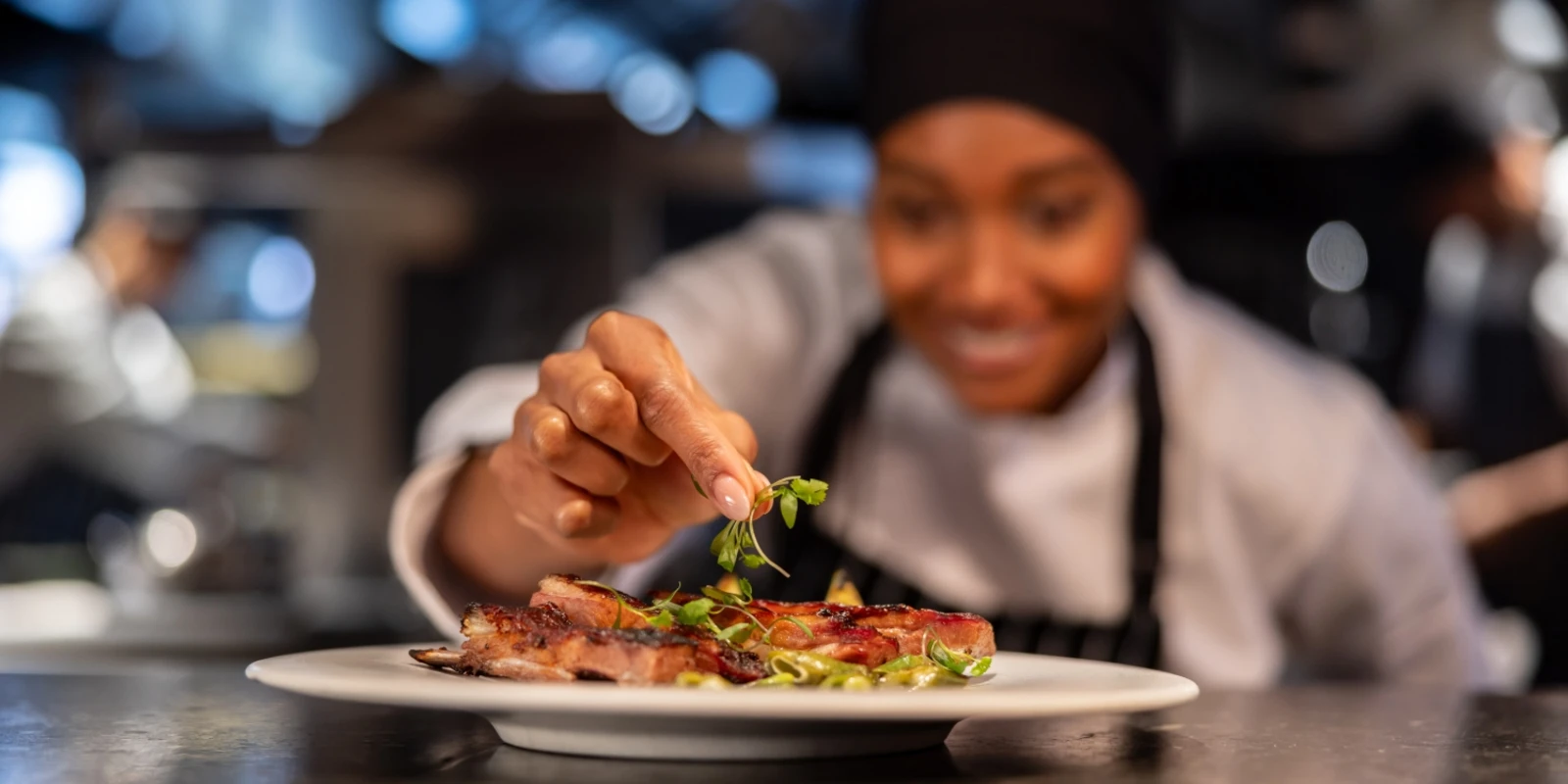
Walk into a museum, and history is organized, labeled, and kept at a safe distance.
Walk into a local restaurant — a real one, not the tourist version — and history is still happening. It's in the ingredients on the table, the technique behind the stove, the reason this dish exists at all.
Every traditional dish is an archive. It records what happened to ordinary people — not kings and politicians, but farmers, traders, enslaved workers, immigrants, and survivors. It records the conquests they lived through, the famines they endured, the trade routes that changed everything, and the creativity they found inside desperate circumstances.
No exhibit can do that.
A museum tells you what happened. Food shows you what it tasted like to live through it.
Here are seven dishes that contain more history than most textbooks — and the countries where you can still taste every chapter of that story today.
Dishes That Tell the History of a Country
1. Ramen — Japan
Poverty, War, and the Reinvention of Survival
Most people think of ramen as ancient Japanese food.
It isn't.
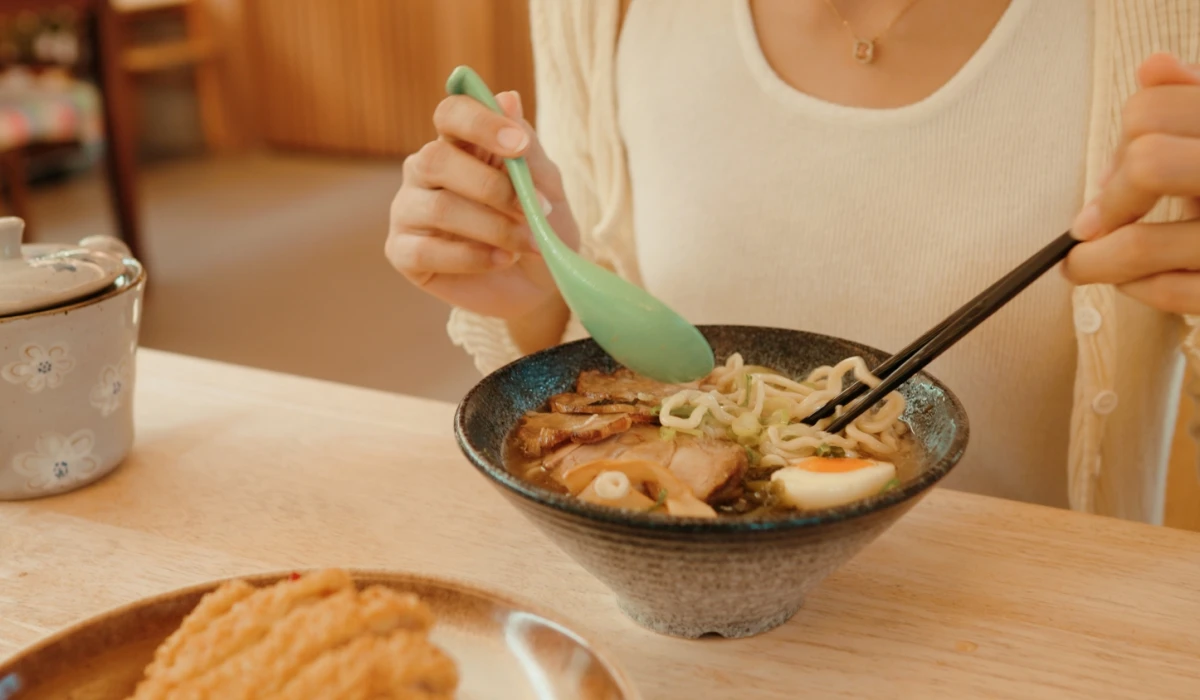
Ramen arrived in Japan from China in the late 19th and early 20th centuries — brought by Chinese immigrants into port cities like Yokohama and Kobe. For decades, it was humble street food, eaten cheaply by workers and students.
Then World War II changed everything.
Japan's defeat in 1945 left the country devastated. Food was scarce. American aid flooded Japan with cheap wheat flour — an ingredient that wasn't traditionally central to Japanese cooking. Black markets appeared across major cities, selling wheat noodle soups to a hungry population. Ramen became survival food.
In 1958, a man named Momofuku Ando invented instant ramen — dehydrated noodles that could be prepared with boiling water in minutes. He called it the greatest invention of the 20th century. Many people who lived through post-war Japan agreed.
But what happened next is the real story.
Japanese cooks — particularly in the cities of Sapporo, Fukuoka, and Tokyo — began taking this cheap, humble dish and applying the Japanese philosophy of obsessive refinement to it. Broths that simmered for 18 hours. Eggs marinated for days. Noodles made to precise specifications for each regional style.
Poverty food became an art form.
Today, a bowl of tonkotsu ramen in Fukuoka — the rich, cloudy pork bone broth that defines the city — is one of the most technically demanding dishes in the world. The chef may have spent a decade learning to make it correctly.
Ramen tells the story of Japanese history in a single bowl: Chinese immigration, military defeat, American occupation, post-war hunger, national reinvention, and the very Japanese instinct to take something broken and make it perfect.
2. Ceviche — Peru
Conquest, Survival, and Three Histories in One Dish
Peru's national dish is a document of everything that happened to Peru.
The original pre-Columbian version used fermented passion fruit juice to cure raw fish — a technique developed by coastal indigenous peoples thousands of years before the Spanish arrived. Then colonization happened. Spanish ships brought limes to South America. The dish absorbed the conquest and kept going, replacing the fermented juice with citrus and becoming something neither purely indigenous nor purely Spanish.
That was the first rewriting.
The second came in the late 19th century, when large numbers of Japanese immigrants arrived in Peru, brought to work in the mines and on the railways. They looked at ceviche and saw something familiar: raw fish, citrus, precision. Japanese chefs began applying their own technique to Peruvian ingredients, cutting the fish with the exactness of sashimi, adjusting the balance of acid and heat.
The result was tiradito — Peru's answer to sashimi, dressed in leche de tigre, the fierce Peruvian marinade of citrus and chili. It looks Japanese. It tastes Peruvian. It belongs to both and neither.
That is Nikkei cuisine — Japanese-Peruvian cooking — and it is one of the most remarkable food stories in the world.
Three civilizations — indigenous Peruvian, Spanish colonial, and Japanese immigrant — all visible in a single plate of fish.
Eating ceviche in Lima is eating 500 years of Peruvian history in one sitting.

3. Mole Negro — Mexico
The Dish That Required Two Worlds to Exist
Mole negro couldn't have existed before 1519.
It is physically impossible. Because mole negro requires ingredients from two separate continents that had never been in contact with each other until the Spanish arrived in Mexico.
From the pre-Columbian Aztec world: chocolate, chili, turkey, tomato, pumpkin seeds, and dried chilies in varieties that don't grow anywhere else on earth. From Spain — and through Spain, from across the Old World: almonds, sesame seeds, cinnamon, black pepper, bread, and lard.
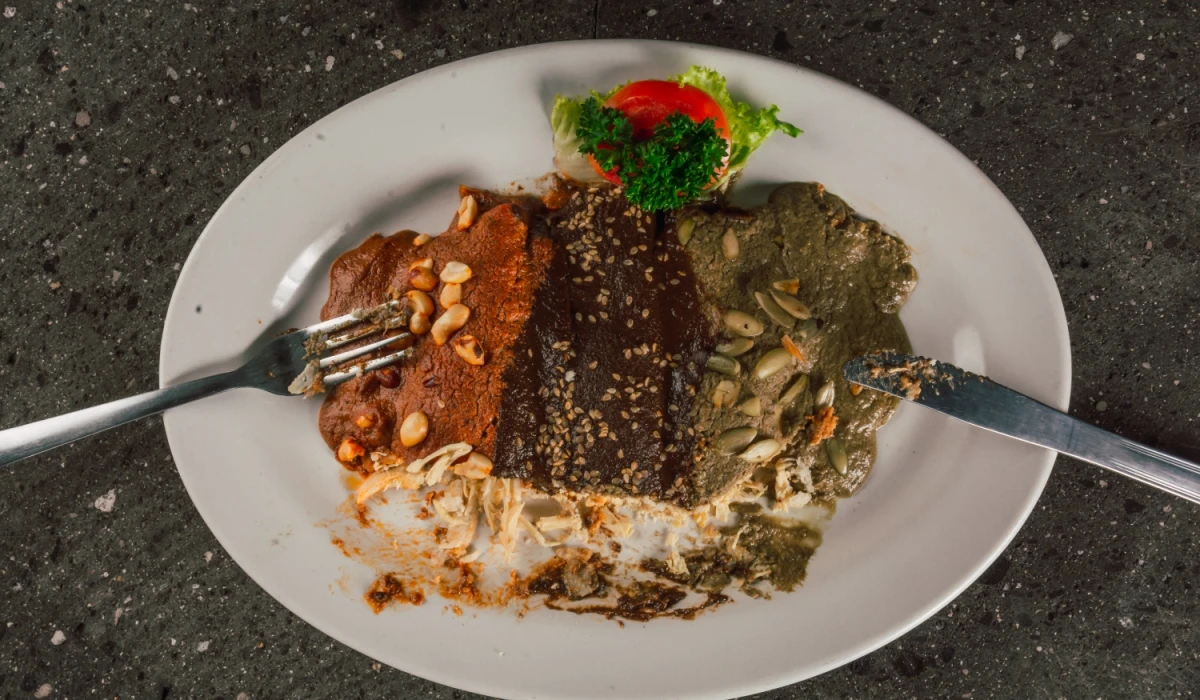
Some versions of mole negro contain over 30 ingredients. Some take three days to make. The dried chilies are toasted, soaked, and ground. The chocolate is added at the end to balance the heat. The whole sauce is cooked slowly, stirred constantly, reduced until it becomes something impossibly complex — simultaneously bitter, sweet, smoky, spicy, and deep.
Mole is the most literal edible record of what happened when the Old World met the New World. Every ingredient on the list is a historical event.
The Aztec civilization contributed its staple foods. Spain contributed its spices and its animals. The violence of conquest — which destroyed most of what the Aztec world was — is somehow also present in the dish. Because mole negro survived. The people who made it found a way to keep making it through everything that came after.
Mole negro is what resilience tastes like.
4. Kimchi — Korea
Three Countries' History in One Jar
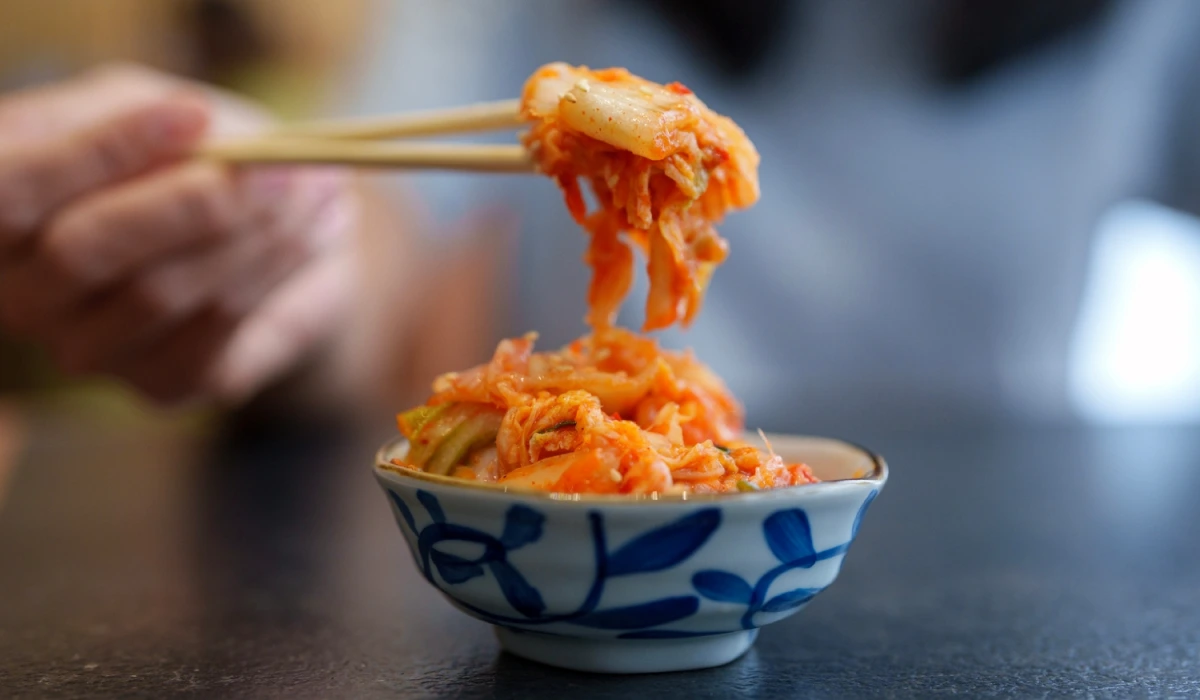
Kimchi feels quintessentially Korean. It is served at every meal, in every household, at every celebration. It has been made in Korea for thousands of years.
But look at the ingredient list of modern kimchi, and you find a Portuguese ingredient that arrived via Japanese colonization.
The chili pepper — the defining element of modern kimchi's fire — is not native to Korea. It came from the Americas, traveled to Europe with the Spanish, was carried by Portuguese traders to Japan, and arrived in Korea during the Japanese invasion of 1592.
Before that, kimchi was white.
The fermentation technique is ancient — developed as a way to preserve vegetables through Korea's brutal winters when nothing could grow. Fermentation was survival. Without it, entire communities would have starved between harvests.
But the red kimchi everyone recognizes today — spicy, complex, alive with lactic acid bacteria — is only about 400 years old. And it carries inside it the story of global trade routes, European colonization of the Americas, and Japan's long military engagement with Korea.
Japan's colonization of Korea from 1910 to 1945 is one of the most traumatic chapters of Korean history. Korean language, culture, and identity were systematically suppressed. But the chili pepper Japan had brought to Korea centuries earlier had by then become so deeply embedded in Korean food culture that it became part of the resistance — a symbol of Korean identity that colonization couldn't erase.
The food kept the culture alive when everything else was under threat.
5. Bacalhau — Portugal
The Age of Exploration, Preserved in Salt
Salt cod — dried, salted codfish — is Portugal's most iconic ingredient.
The Portuguese say there are 365 ways to cook bacalhau — one for every day of the year. It appears in stews, in fritters, in gratins baked with cream and potato, in salads dressed with olive oil and egg. It is the ingredient that defines Portuguese cooking more than any other.
Here is the remarkable thing: cod doesn't live anywhere near Portugal.
Atlantic cod lives in the cold waters of the North Atlantic — off the coasts of Iceland, Norway, and Canada. The Portuguese discovered the Grand Banks of Newfoundland in the late 15th century during the great age of exploration. They found cod in quantities that were almost incomprehensible to European fishermen at the time.
The problem was getting it home. The voyage from Newfoundland to Lisbon took months. Without refrigeration, fish spoils quickly. So the Portuguese developed a technique of salting and drying the cod on the decks of their ships — transforming it into something that could last the entire Atlantic crossing and then continue to be preserved almost indefinitely.
Bacalhau is the Age of Exploration in edible form.
Every dish made with it is a direct consequence of a 15th-century Portuguese navigator looking at an ocean he had never crossed and deciding to sail into it anyway. The fish on your plate in a Lisbon restaurant is connected by an unbroken line to that moment — and to the extraordinary maritime ambition that made Portugal one of the most powerful nations on earth for a century.

6. Chicken Tikka Masala — Britain
The Dish That Asked: What Is a National Cuisine?
Chicken tikka masala does not exist in India.
It was invented — most likely in Glasgow or Birmingham — by South Asian immigrants and their descendants, adapting Indian cooking techniques for British tastes. British diners in the 1960s and 1970s wanted Indian flavor, but with the creamy, tomato-rich sauce profile they recognized from British cooking. Someone combined the two and created something entirely new.
It became Britain's most ordered restaurant dish.
In 2001, the British Foreign Secretary Robin Cook gave a speech declaring chicken tikka masala a truly British dish — a product of Britain's multicultural character. The speech caused both celebration and controversy. Was it appropriation or integration? Was it a British dish or an Indian dish made in Britain? Does the answer even matter if the dish is genuinely delicious?
The story of chicken tikka masala is the story of immigration — of people arriving in a new country, feeding that country from their own culinary tradition, and having that tradition gradually absorbed into the national identity of the place they arrived in.
It is also the story of who gets to define what a national cuisine is.
France gets Michelin stars. Britain gets chicken tikka masala. And yet both countries' food cultures were built, in significant part, by people who came from somewhere else.

7. Feijoada — Brazil
Extraordinary from What Was Left Behind
Brazil's national dish was born in the slave quarters.
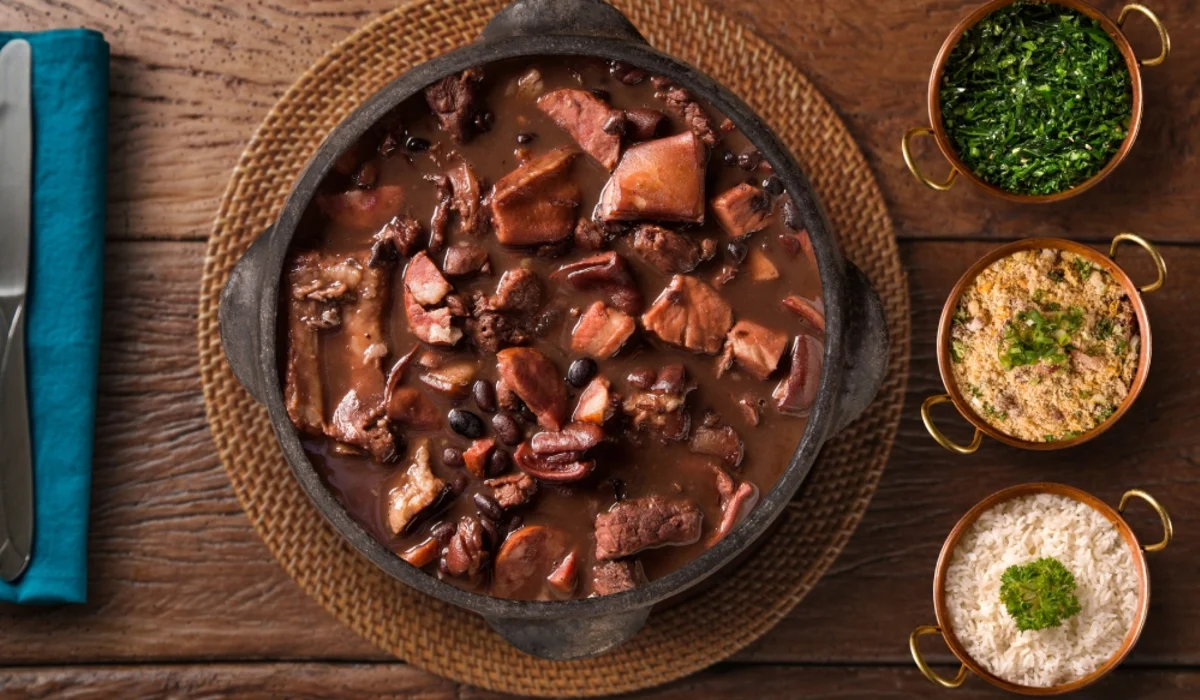
Feijoada is a thick stew of black beans and pork — eaten across Brazil at celebratory meals, at family tables, at restaurants that serve it as a weekly ritual. It is rich, heavy, deeply comforting, and deeply Brazilian.
Its origins are a direct consequence of slavery.
The enslaved Africans brought to Brazil by Portuguese colonizers were given the pork parts their enslavers discarded — the ears, the tail, the trotters, the snout, the parts considered too poor or too ugly for the colonizers' table. They combined them with black beans and created something extraordinary from what they were given.
This is one of the most recurring stories in culinary history: people given almost nothing creating food that becomes the most beloved and defining dish of the culture that oppressed them.
Feijoada now appears in Brazil's finest restaurants. It is served on white tablecloths with caipirinha cocktails and orange slices, and fried cassava. The dish that began in the slave quarters became the national celebration meal.
The history is still in every bowl. The ingredients that were once considered worthless are now recognized as the soul of the dish.
Feijoada is proof that the people who make a culture's food are often not the people who receive the credit for it — and that the food itself sometimes outlives the injustice of its origins to become something that belongs to everyone.
How to Read a Menu Like a History Book
Understanding food as history changes how you travel.
Here's how to start doing it.
1- Ask where the dish came from. Every restaurant server, market vendor, or home cook has some version of the story of their food. Ask. The answer is never just "we've always made it this way" — there is always a history behind that.
2- Look for the foreign ingredient. In almost every traditional dish, there is an ingredient that came from somewhere else. Chili in Korean food. Potatoes in Irish food. Tomato in Italian food. Finding that ingredient and tracing where it came from unlocks a story that usually involves trade, conquest, or migration.
3- Eat the version made for locals, not tourists. The tourist version of a national dish has usually been simplified — its history smoothed out along with its complexity. The version made for local people retains both the difficulty and the depth.
4- Visit the market before the restaurant. A covered food market shows you raw ingredients in the form they have been sold for generations. The vendors are often third or fourth generation. Walk through slowly and pay attention to what is abundant and what is rare.
5- Read the dish as a document. Before you eat something, ask yourself: Why does this exist? What did this place go through that made this dish necessary? The answer is almost always a history lesson.
FAQs
1. Why does food tell history better than museums?
Museums curate and interpret history — deciding what to preserve, how to label it, and what narrative to present. Food is preserved by necessity and by love rather than by institution, which means it often retains details that official histories ignore. The food of ordinary people — farmers, enslaved workers, immigrants — survives in recipes and techniques in ways that rarely make it into textbooks. A dish can carry a history that was never written down anywhere else.
2. Which country has the most historically layered food culture?
Peru, Mexico, India, and Korea are consistently cited by food historians as having the most historically complex food cultures — each one shaped by ancient indigenous traditions, significant waves of immigration, and colonial encounters that permanently transformed what people ate. Japan is remarkable for the opposite reason — its relative isolation until the 19th century produced a food culture of extraordinary internal depth and specificity.
3. How has colonization shaped modern food cultures?
Colonization is one of the most significant forces in culinary history. It moved ingredients across continents — the chili pepper from Mexico to Korea, the potato from Peru to Ireland, and tomatoes from the Americas to Italy. It also imposed food systems on colonized peoples and in many cases destroyed indigenous food cultures. The dishes that survived colonization — like mole in Mexico or kimchi in Korea — often did so because ordinary people kept making them in private when they were suppressed in public.
4. What is food tourism, and how does it connect to food history?
Food tourism — travel motivated in whole or in part by culinary experiences — is one of the fastest-growing segments of the travel industry. At its best, food tourism is historical tourism: visiting the places where significant dishes were created, eating them in their original context, and understanding the events that made them necessary. A food tour in Lima that explains the Nikkei history of ceviche is as historically rich as a guided tour of any museum.
5. How can I learn more about the history of a country through its food when I travel?
The most direct route is through cooking classes taught by local people rather than tourist operators — ask about the history of each dish as it is prepared. Food markets with vendors who have been there for generations are another source. Local food historians and food journalists often give talks or lead walks in major cities. And simply asking the question — "where does this dish come from?" — to whoever made it will usually start a conversation that no guidebook can replicate.
Join the discussion