




Why Follow the Crowd When the Magic Happens Elsewhere?
Picture this: you’ve finally arrived in Hanoi. You’ve dreamed of weaving through narrow streets, the smell of pho drifting from every corner, cyclo drivers calling softly, and mist rolling over the Red River. But instead, you find throngs of tourists, endless traffic jams, and cafes so packed you can barely breathe. Sound familiar?
Here’s a radical idea: what if the most authentic Hanoi, and the rest of Vietnam, is waiting quietly in the off-season, when misty mountains and emerald rice terraces feel like they were made just for you?
This is not a guide for budget travelers chasing the cheapest deal (though the savings are very real). This is a manifesto for a different kind of journey, slower, richer, more surprising, and infinitely more memorable.
what exactly is the "Off-Season"?
The off-season isn't a single window on the calendar, it shifts by destination, driven by three main forces:
- Weather windows: Think shoulder months with mild temps, occasional rain, and dramatic skies that make for far better photography than harsh summer glare.
- Cultural timing: Local festivals, harvests, and traditions that tourists rarely catch because they're not on the standard travel radar.
- Tourist calendars: School holidays, public events, and influencer trends that create artificial peaks. When those dry up, the destination exhales, and that's when you arrive.
Fewer Crowds, More Authentic Experiences
There is a version of Santorini that most visitors never see. The whitewashed walls glow gold in the late afternoon light. A local fisherman repairs his nets by the port. The only sound is the wind. That Santorini exists, just not in August.
Popular destinations transform almost entirely once the peak crowds recede. In Greece, ancient ruins and sun-soaked islands feel serene instead of packed. In Egypt, Luxor’s temples and the Nile banks invite quiet reflection rather than competing with tour groups. Turkey’s bazaars and historic streets become spaces to wander slowly. The difference isn’t just aesthetic, it’s psychological. When you’re not jostling for space, you actually see, breathe, and experience the destination.
What Changes When the Crowds Disappear
- Iconic photo spots become yours. The Oia sunset in Santorini in November? No jostling. Just you, the caldera, and the dying light.
- Locals reengage. Restaurant owners pull up a chair and ask where you're from. Shop owners share family recipes. Guides go off-script and take you somewhere they actually love.
- You move at your own pace. Spend an extra hour in a museum room without feeling the pressure of the line behind you. Linger over breakfast. Wander without a plan.
- Hidden gems surface. When the main circuit isn't the only option, you discover the second temple, the unmarked trattoria, the neighborhood market that doesn't make the guidebook.
Let's talk about money, because the off-season doesn't just give you a better experience, it gives you more purchasing power to make that experience extraordinary. Flights drop. Hotels drop. And the experiences that felt out of reach during peak season suddenly become very reachable.
Where the Savings Show Up
- Flights: International routes to popular destinations can be 30–50% cheaper outside peak months. Booking a flight to Bangkok in May or September versus December makes a significant difference.
- Hotels: Boutique properties and luxury hotels that are fully booked in season will negotiate, or simply slash rates, off-season. A room with an Aegean view doesn't cost a fortune in February.
- Tours and experiences: Private cooking classes, boat charters, and guided treks that are booked solid in peak season suddenly have availability, sometimes at reduced rates.
- Dining: No prix-fixe tourist menus. Restaurants running at normal capacity serve their full, authentic menu at normal local prices.
The off-season shift doesn't mean cutting back — it means redirecting. With the money saved on flights and accommodation, you can splurge on a hot air balloon at dawn over Cappadocia, a private desert camp in Wadi Rum, or a multi-course tasting menu at a restaurant you'd never normally consider.
Destinations Worth Visiting in the Off-Season
Each of these destinations has a peak season that overshadows its quieter, arguably better, counterpart. Here's when to go, and why it matters.
1. Oman: The Arabian Secret in Shoulder Season
Best off-season window: March–April / September–October
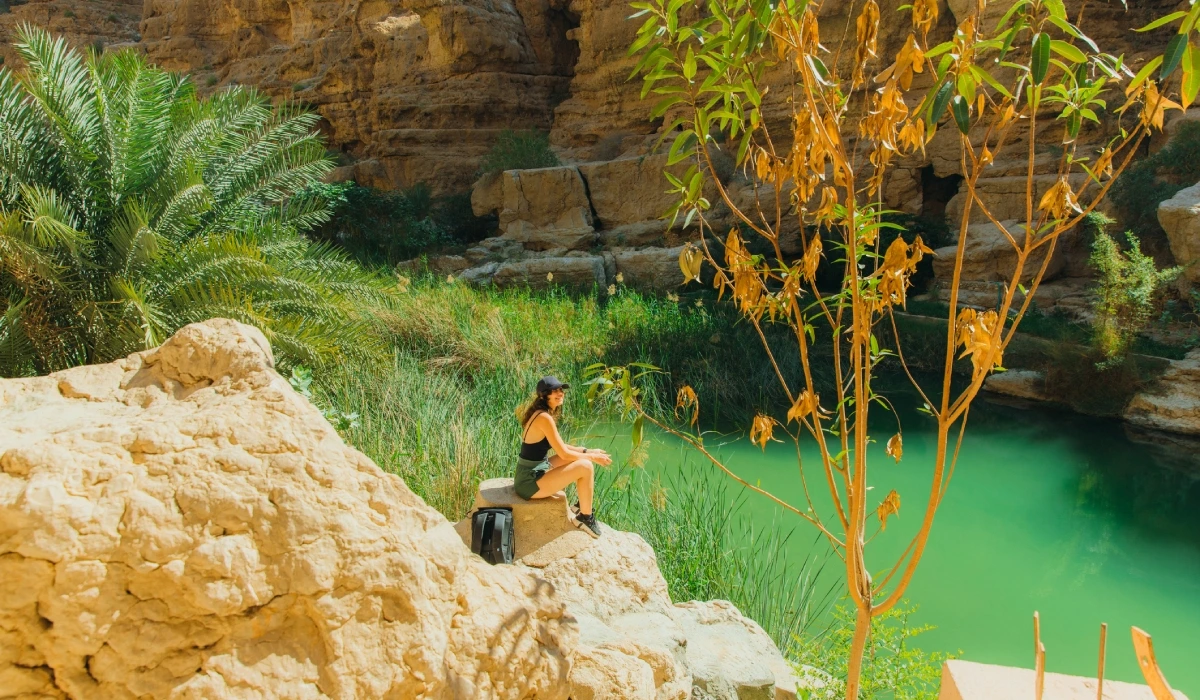
Oman is extraordinary year-round, but peak winter months (December–February) bring a wave of European travelers. Visit in March or October and you'll encounter Oman at its most serene ,warm enough to explore the wadis and deserts, cool enough for mountain trekking, and quiet enough to have Nizwa Fort virtually to yourself.
- Explore Wadi Shab and Wadi Bani Khalid without queuing for the canyon pools.
- Sleep in a desert camp under the Milky Way with no neighboring tents in sight.
- Haggle in Mutrah Souq where merchants have time to chat and share cardamom coffee.
- Drive the Jebel Akhdar with clear mountain roads and minimal traffic.
Best off-season window: February–March / November
Jordan's peak season (April and October) draws thousands of travelers, particularly to Petra. Visit in February and you'll walk the Siq in near-silence, with the rose-red facades glowing in the cool morning light. The desert temperatures are comfortable, the wildflowers are blooming in Wadi Rum, and the entire country feels uncrowded.
- Petra by Night candle ceremony with an intimate, unhurried atmosphere.
- Wadi Rum camp under skies undimmed by other camps' lighting.
- Dead Sea resorts at low-season rates with beach loungers to spare.
- Local guesthouses in Dana Reserve offering personal guided walks.

Best off-season window: November–February
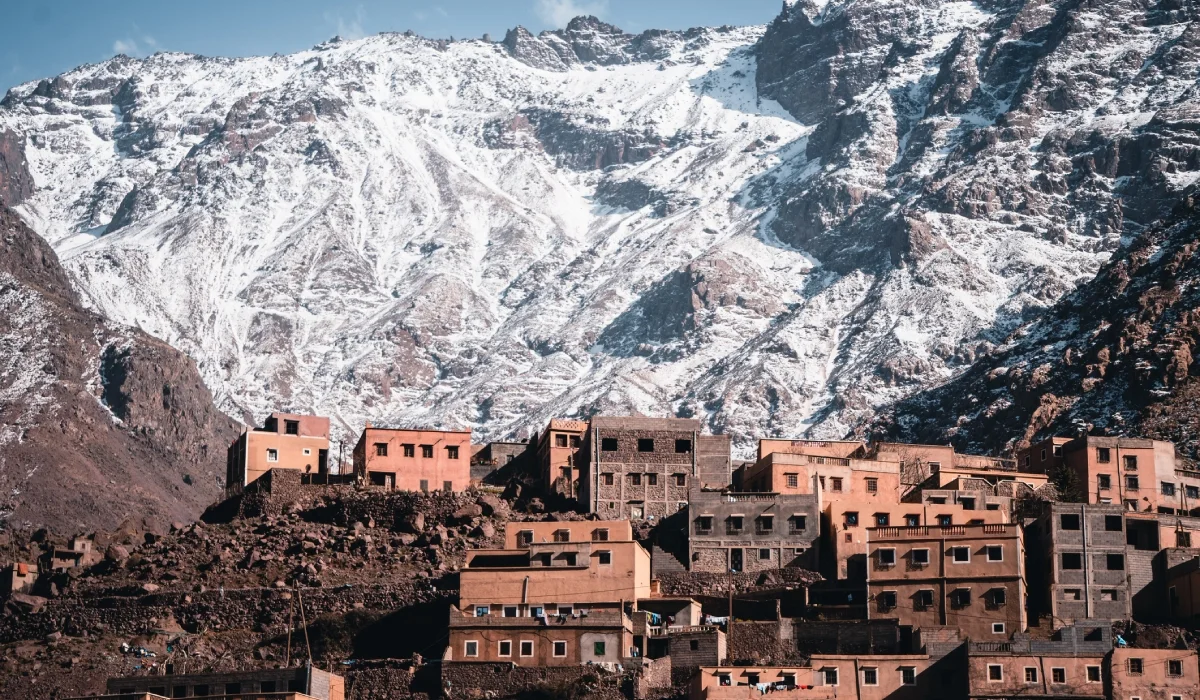
Marrakech in July is brutally hot — regularly exceeding 40°C in the medina. Winter offers temperate days, cool nights, and a city operating at full, authentic capacity: locals shopping in the souks, storytellers in jemaa el-Fna, and riads available at rates that make you question everything about peak-season travel.
- Snow-capped Atlas Mountains visible from the city, hike or ski with guides who have time for you.
- Fez medina is genuinely navigable rather than an anxious shuffle.
- Sahara desert tours with smaller groups and crisper, clearer nights.
- Riad accommodations at 40–60% of peak-season prices.
Best off-season window: March–April / October–November
Egypt's monuments were built to inspire awe, not to host traffic jams. Visit the Pyramids of Giza in late October or early March and you can actually pause, look up, and absorb the scale. Temperatures in the Valley of the Kings are bearable rather than punishing, and cruise boats on the Nile feel serene rather than convoy-like.
- Sunrise at the Pyramids with space to stand in silence.
- Luxor Temple illuminated at night with smaller crowds.
- Felucca sailing on the Nile at dusk without motor noise.

Best off-season window: October–November / April–May
Greece in July and August is an endurance test — 40°C heat, packed ferries, and accommodation booked out a year in advance. In October, the Aegean is still warm enough to swim, the light is golden and dramatic, and Santorini and Mykonos revert to what they actually are: fishing islands with extraordinary culture.
- Oia sunsets with a handful of people, not thousands.
- Authentic tavernas where the menu is in Greek first.
- Dramatically cheaper ferries, hotels, and car rentals.
- Athens museums without the summer queues.

Best off-season window: November–March
Turkey is a country of extraordinary contrasts, Byzantine basilicas and Ottoman bazaars, volcanic moonscapes and turquoise Aegean coves, and its off-season is one of travel's best-kept secrets.
Cappadocia in winter is nothing short of magical: snow dusts the fairy chimneys, hot air balloons rise into crisp pink dawns above an almost empty landscape, and the cave hotels that cost a fortune in summer become genuinely affordable.
Istanbul in November loses its cruise-ship crowds but keeps all of its intensity, the Grand Bazaar hums with locals, the Bosphorus ferry crossings are atmospheric and cold, and the Hagia Sophia lets you stand in silence beneath its ancient dome and actually feel the weight of history.

Best off-season window: May–June (central), September (north)
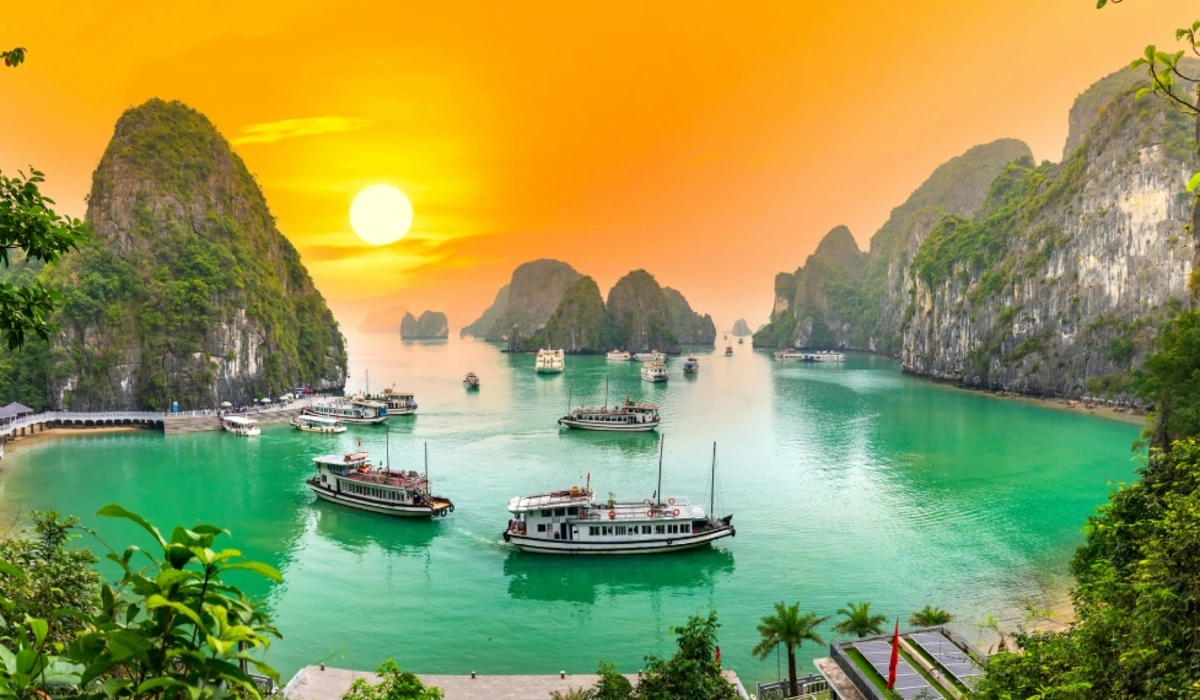
Vietnam is long enough to have multiple micro-climates, which means there's almost always an off-season somewhere worth exploiting. September in Sapa brings terraced rice paddies at their most vibrantly green, just before harvest, just after the main monsoon, and before the annual surge of winter trekkers.
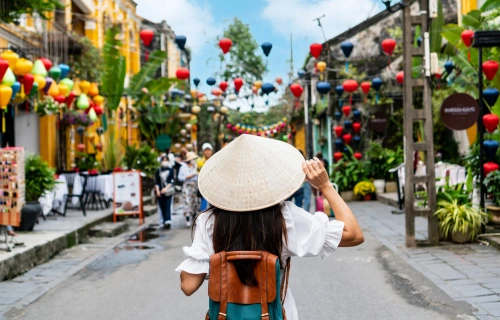
- Hoi An in the rainy season has misty, lantern-lit streets with a genuinely romantic atmosphere.
- Ha Long Bay in May is cooler and less trafficked, the limestone karsts at their most mysterious.
- Street food stalls in Hanoi are full of locals, not tours, in the shoulder months.
- Hue's imperial citadel without the midday heat or tour group press.
Best off-season window: May–June / September–October
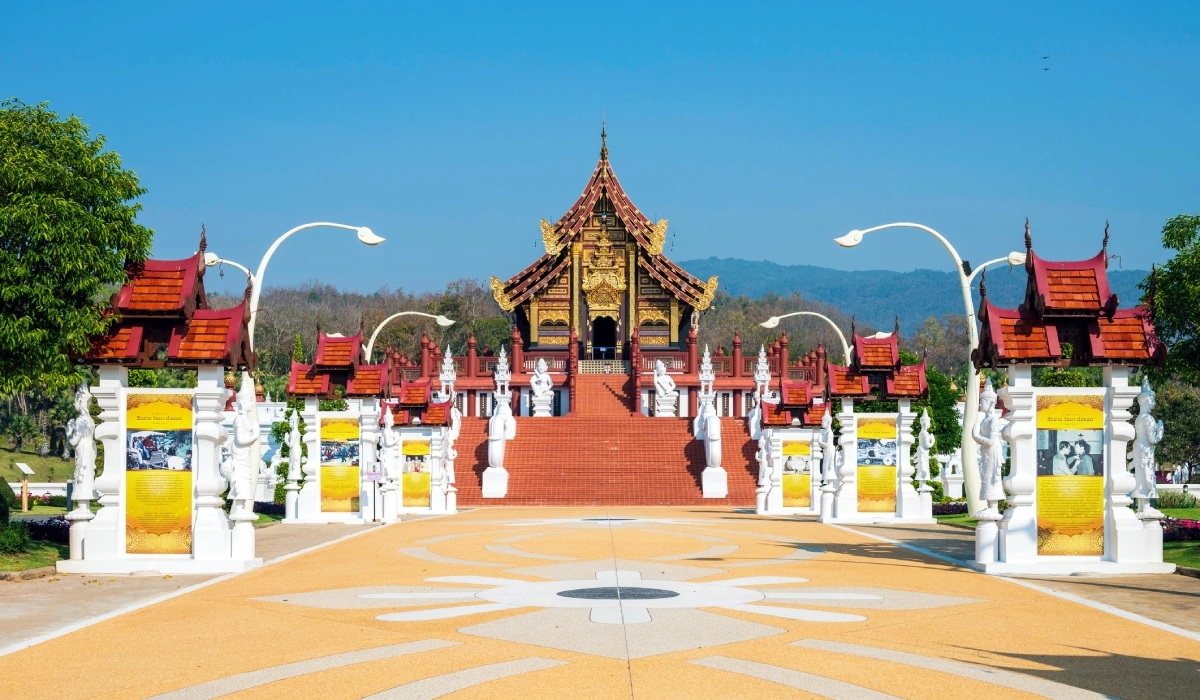
Thailand's Gulf Coast islands (Koh Samui, Koh Phangan) are at their wildest and most beautiful in the low season. The west coast (Phuket, Krabi) offers quieter months in June, before the major monsoon, when resorts have availability and beaches have space. Bangkok's shoulder months mean streets navigable without heat exhaustion.
- Chiang Mai temples without the tour buses, local monks in morning ritual.
- Empty beaches on Koh Lanta or Koh Yao Noi with seafood cooked to order.
- Floating markets that actually feel like floating markets, not theme parks.
- Street food in Bangkok at full, unfiltered, local intensity.
Best off-season window: November–February
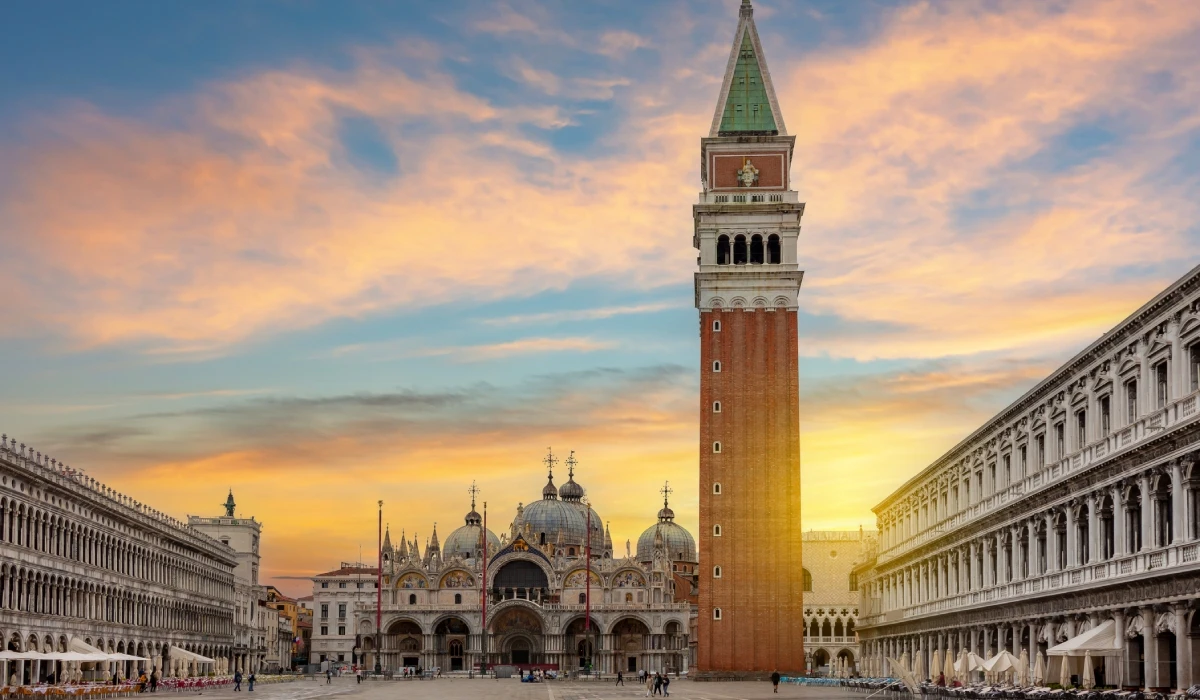
Venice in summer is a masterclass in overcrowding, narrow calli so packed you shuffle sideways, vaporettos so full they skip stops, and the smell of the canals in August heat that no travel brochure ever mentions. But Venice in November? That's a different city entirely. The acqua alta floods the piazzas in the mornings, locals pull on their rubber boots and carry on, and the whole place takes on a painterly, melancholic beauty that feels like it was designed by a Romantic poet rather than a tourism board.
- Piazza San Marco in the mist, nearly empty, the Basilica’s mosaics glowing softly in the grey light.
- Gondoliers who actually talk to you, sharing stories about the city instead of rushing to the next ride.
- Cicchetti bars in Cannaregio and Castello filled with locals, cheap prosecco, and no tourist menus.
- Murano and Burano in winter, vivid houses against pale skies, glassblowers with time to demonstrate their craft.
Best off-season window: November–February
While Kyoto and Tokyo absorb millions chasing sakura and autumn leaves, Tohoku, Japan's rugged, rural north, sits largely untouched by the international travel machine. In winter, it earns its place among the most quietly extraordinary experiences in East Asia. Snow buries the cedar forests, onsen steam rises against iron-grey skies, and the festivals that light up the long nights exist entirely for the people who live them, not the people who photograph them.
- Ginzan Onsen in deep snowfall, Meiji-era ryokan glowing amber over a frozen river, like stepping into a Miyazaki film.
- Zao Onsen’s “snow monsters”, pine trees encased in ice, towering like sculptures on a quiet weekday morning.
- Sendai’s winter markets, fresh Matsushima oysters, hearty beef tongue stew, and local sake are rarely exported.
- Hirosaki Castle under heavy snow, the vast white grounds so still you finally grasp its true scale.

Personal Reflection, Flexibility, and the Off-Season Mindset
Here's what nobody tells you about off-season travel: the biggest gift isn't the empty squares or the cheaper flights. It's the gift of pace.
When there's no queue to rush to, no boat to catch before the crowds, no reservation made six months in advance that locks your day in place, something opens up. You slow down. You notice.
What Slower Travel Actually Looks Like
You eat where locals eat, because the tourist-facing menus are shut. You get the off-menu dish, the grandmother's recipe, the thing that doesn't have a photo on Instagram.
You talk to people. Genuinely. A museum curator with a free afternoon. A shopkeeper who offers you tea with no expectation of a sale. A guide who, without a schedule to keep, takes you somewhere they actually care about.
You discover without intent. The best travel experiences are rarely planned, they happen when you have the luxury of wandering without a timer.
You return as a person, not just a tourist. Off-season travel rewires the relationship between traveler and place. You stop consuming a destination and start experiencing it.
The Off-Season Mindset: It's Not About Avoiding, It's About Arriving
There's a temptation to frame off-season travel as avoidance, avoiding crowds, avoiding prices, avoiding heat. But that misses the point entirely.
The off-season mindset is one of arrival. Arriving at a place when it's most itself. Arriving with the flexibility to follow a conversation, to stay longer in a village, to change plans because a fisherman just offered to take you out at dawn.
Peak season travel is optimized for predictability. Off-season travel is optimized for discovery. And discovery, the unscripted, unphotographed, genuinely surprising kind, is what you'll actually remember.
Start Planning Differently
The next time you're tempted to book that summer week in Santorini or the holiday flights to Marrakech, pause for a moment. Ask yourself: what is this place like the rest of the year? And then: what would it feel like to be one of the few who goes to find out?
FAQS
1. Is off-season travel really worth it, or will I miss out?
You won’t miss out, you’ll experience something different, and often deeper. You trade big crowds and fixed schedules for space, spontaneity, and more authentic interactions. Instead of consuming a destination, you actually connect with it.
2. When is the off-season in places like Greece or Egypt?
It depends on the destination. In Greece, the sweet spot is April–May and October–November, when the islands are calm but still beautiful. In Egypt, March–April and October–November offer comfortable weather without peak-season congestion at the Pyramids or in Luxor.
3. Will the weather ruin my trip if I travel off-season?
Not necessarily. You might get occasional rain or cooler days, but you’ll also get dramatic skies, softer light, and more breathable temperatures. The key is to always check what season works best for you, whether you prefer mild weather, lower prices, fewer crowds, or specific activities
4. I’m worried things will be closed. Is that a risk?
In most major destinations, key attractions stay open year-round. What changes is the volume of visitors, not the experience itself. In fact, restaurants and hotels often give you more attention when it’s quieter.
5. Is Morocco better outside of summer?
Yes, especially if you want comfort. In winter or late autumn, Marrakech is warm rather than scorching, the Atlas Mountains are crisp and clear, and the Sahara nights are magical without the extreme heat. You explore more and rush less.
6. Can I still enjoy beaches in the off-season?
Absolutely. In Greece or Thailand, the sea often stays warm into autumn. You’ll swim without fighting for space, find better hotel rates, and enjoy sunsets that feel personal rather than performative.
7. What’s the biggest advantage of off-season travel?
You gain freedom. Freedom to linger, to change plans, to talk to locals who aren’t overwhelmed by crowds. You move at your own pace, and that shift alone transforms how you experience a place.
8. Is off-season travel safe?
In most cases, yes — as long as you plan wisely. Fewer crowds can actually make destinations feel calmer and less chaotic. The key is researching seasonal weather patterns, local holidays, and regional conditions. Avoid extreme climate windows (like peak monsoon or hurricane periods). Smart timing is everything.
9. Is off-season travel suitable for families or first-time travelers?
Absolutely. In fact, it can be ideal. Attractions are less overwhelming, lines are shorter, and you have more breathing room to navigate new places. For first-time travelers especially, experiencing a destination without peak-season intensity can make the entire journey feel smoother, calmer, and far more enjoyable.
Join the discussion